The New Conversation: How Science Communication Shapes Our Technological Future
Exploring the dynamic interface where science communication meets emergent technologies and how it shapes our collective future.
Introduction: The Bridge Between Lab and Life
What happens when revolutionary technologies emerge from laboratories faster than society can understand them?
In our rapidly evolving world, groundbreaking scientific advancements like quantum computing, genetic engineering, and artificial intelligence are not just academic curiosities—they're powerful forces that are actively reshaping human existence. This unprecedented pace of innovation has catapulted science communication from an academic specialty to a critical societal linchpin. It's the essential bridge between scientific discovery and public understanding, between what's possible and what's responsible.
This article explores the dynamic interface where science communication meets emergent technologies—a space where how we talk about science is becoming just as important as the science itself. When public trust in institutions is fragmenting and technological integration is accelerating, effective communication isn't merely helpful; it's essential for navigating the ethical, social, and practical dimensions of our technological future 7 . We'll journey through the theories that frame these conversations, examine cutting-edge research on what makes science communication effective, and explore the emerging technologies that are testing these communication strategies in real-time.
The Evolving Science of Science Communication
Science communication isn't merely about translating complex jargon into layman's terms. It's a sophisticated field of research and practice that examines how scientific information is created, packaged, disseminated, and understood by various audiences. Over time, several conceptual models have emerged that reflect different philosophies about how scientists should engage with the public.
From Deficit to Dialogue: Changing Models
Knowledge Deficit Model
This traditional approach assumes that public skepticism toward science stems primarily from ignorance. The solution is simply to pour more facts into what's perceived as an empty vessel.
Contextual Model
This approach recognizes that audiences are not blank slates. It considers cultural backgrounds, pre-existing knowledge, and personal attitudes when crafting messages.
Lay Expertise Model
This model actively acknowledges the value of local and community knowledge systems. It facilitates two-way conversations where scientists not only share information but also listen to public concerns and insights.
Participation Model
Also known as citizen science, this approach involves the public directly in scientific processes. Community members might collect data, make observations, or even help define research questions.
Models based on research in science communication theory 3
Case Study: The Power of Storytelling in Science Communication
The Experiment: Testing Collaborative Storytelling
A compelling example of science communication research in action comes from a series of case studies presented in the Journal of Science Communication, which examined how collaborations between scholars and practitioners can create more effective science stories 2 . One particularly revealing case study from South Africa demonstrates the power of culturally responsive storytelling.
Researchers noticed that science communicators in South Africa were struggling to engage certain public audiences with astronomy. When practitioners learned that various indigenous cultures had rich astronomical traditions and stories, but found these stories difficult to access and share, a collaborative project emerged between cultural studies scholars, linguistic experts, and science communication practitioners 2 .

Indigenous astronomical knowledge combined with Western science created more engaging educational materials
Methodology: A Step-by-Step Approach
Recording Interviews
Researchers conducted and recorded interviews with community knowledge-keepers to preserve ancient stories about the African night sky.
Cultural Interpretation
Scholars from cultural and linguistic studies helped interpret and contextualize these stories, ensuring respectful and accurate representation.
Scientific Validation
Astronomers verified the astronomical references and accuracy within these traditional narratives.
Story Adaptation
Science communicators worked to adapt these stories into formats accessible to today's children while preserving their cultural essence.
Publication and Distribution
The final product—a storybook titled "The crocodile that swallows the sun"—containing ten ancient stories about the African night sky, was distributed to schools and communities 2 .
Results and Analysis: Measuring Impact
The project yielded both qualitative and observable successes:
| Outcome Category | Specific Results |
|---|---|
| Cultural Validation | Integration of indigenous knowledge with Western astronomy created greater sense of ownership and relevance among local communities |
| Engagement Metrics | Significant increase in student interest in astronomy topics covered in the storybook |
| Educational Impact | Teachers reported greater ease in teaching astronomical concepts when students could connect them to familiar cultural frameworks |
| Relationship Building | Project established stronger ties between scientific institutions and local communities |
The success of this initiative demonstrates several key principles of effective science communication. First, it shows the importance of cultural relevance—connecting science to people's existing knowledge systems and values. Second, it illustrates the power of collaboration between different types of experts (in this case, scientists, communication practitioners, and cultural scholars). Third, it reveals how storytelling can make science more accessible without diluting its content 2 .
Neuroscience research helps explain why storytelling proves so effective in communication. Engaging narratives have been shown to activate readers' and listeners' brains in multiple ways, including triggering the release of hormones that increase feelings of empathy and concern 2 . Stories allow audiences to be "transported" into different worlds where they can identify with characters, and elements of suspense and anticipation capture and maintain attention more effectively than straightforward exposition 2 .
Science Communication in the Age of Emerging Technologies
As we look toward the scientific and technological landscape of 2025-2045, several emerging trends present both opportunities and challenges for science communicators. The NATO Science & Technology Organization's recent report identifies multiple macro trends that will redefine the technology landscape and drive economic, geopolitical, and societal changes over the next two decades 7 .
Biohacking: When Technology Gets Personal
Biohacking represents one of the most personal intersections of technology and biology. Once confined to Silicon Valley fringe experiments, biohacking has entered the mainstream in 2025, giving people unprecedented control over their own biology 1 . From vagus nerve stimulation devices like Pulsetto for stress reduction to continuous glucose monitors for metabolic optimization, these technologies represent a new frontier in self-directed human enhancement 1 4 .
The communication challenge with biohacking lies in its blend of science and self-experimentation. While personal success stories abound, long-term peer-reviewed studies often lag behind practice. This creates a complex landscape where science communicators must navigate between legitimate excitement about personal empowerment and necessary caution about unverified claims.
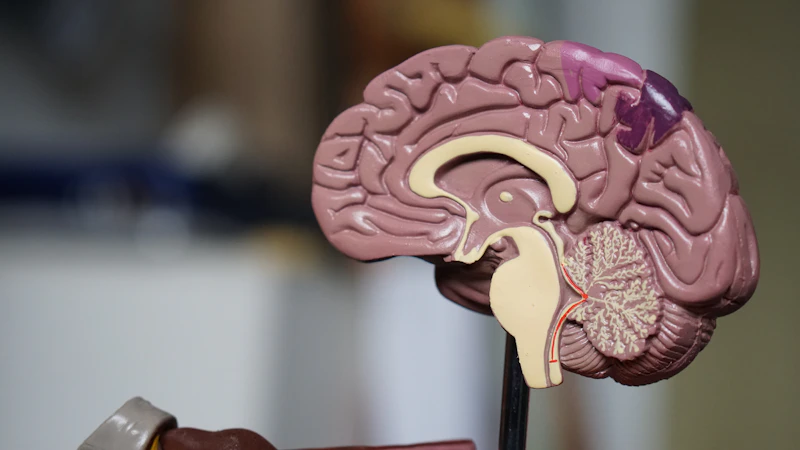
Biohacking technologies represent a new frontier in self-directed human enhancement
Communication Challenges of Emerging Technologies
| Technology | Communication Challenge | Public Perception Factors |
|---|---|---|
| Artificial Intelligence | Explaining "black box" algorithms and addressing job displacement fears | Varying levels of digital literacy; media portrayals ranging from utopian to dystopian |
| Quantum Computing | Conceptualizing quantum mechanics for general audiences | Perceptions of novelty versus practical utility; national security implications |
| Biotechnology & Gene Editing | Navigating ethical boundaries and long-term ecological impacts | Religious and cultural values; varying comfort levels with "playing God" |
| Biohacking & DIY Biology | Balancing empowerment messages with safety considerations | Tension between personal freedom and regulatory oversight; privacy concerns |
The Trust Deficit: Navigating Misinformation
Perhaps the most significant challenge facing science communicators today is what the NATO STO report identifies as "Fragmenting Public Trust" 7 . As trust in institutions, including science, becomes increasingly undermined, science communicators must work harder to establish credibility and combat misinformation.
This trust deficit emerges precisely when technological integration is accelerating across society. From AI decision-making to quantum encryption, technologies are becoming both more powerful and less transparent to the average person. This creates a perfect storm where the most impactful technologies are also the most difficult to explain and evaluate.
Public Trust in Science Communication
Factors influencing public trust in science communication based on recent surveys
The Scientist's Toolkit: Essential Resources for Effective Science Communication
Navigating the complex landscape of modern science communication requires both conceptual understanding and practical tools. The following toolkit represents essential resources and approaches for scientists and communicators looking to bridge the gap between laboratories and the public.
| Tool Category | Specific Resources/Methods | Primary Function |
|---|---|---|
| Theoretical Frameworks | Lay Expertise Model, Participatory Model, Contextual Model | Guiding communication strategy based on audience and goals |
| Digital Platforms | Immersive web publishing (e.g., Shorthand), Social media with visual storytelling | Creating engaging, accessible formats for technical content |
| Collaborative Structures | Scholar-practitioner partnerships, Citizen science programs | Ensuring multiple perspectives and community engagement |
| Evaluation Methods | Audience analytics, Engagement metrics, Pre/post testing | Measuring communication effectiveness and refining approaches |
| Storytelling Techniques | Narrative arcs, Character development, Conflict resolution | Making technical content memorable and emotionally resonant |
This toolkit reflects the evolving nature of science communication—from one-way information transfer to multi-directional engagement. Particularly important are the digital storytelling platforms that have emerged in recent years, allowing science communicators to create truly immersive experiences with rich photography, videos, illustrations, and scroll-based visual effects 5 . These tools have raised public expectations for what science communication can look like, making it possible to explain complex concepts through engaging multimedia formats.
Conclusion: Shaping Tomorrow's Conversations Today
The interface between science communication and emergent technologies represents one of the most critical frontiers in our collective future. How we navigate this space will influence everything from climate policy to genetic ethics, from artificial intelligence regulation to space exploration. The stories we tell about science—and how we tell them—will shape public understanding, inform policy decisions, and ultimately determine whether we harness our technological capabilities wisely or recklessly.
Future Direction
It demands collaboration between scholars and practitioners, respect for diverse forms of knowledge, and thoughtful adaptation to emerging digital platforms 5 .
As we stand at the threshold of unprecedented technological change—from the biotechnology revolution to the race for AI and quantum superiority 7 —the field of science communication has never been more vital. The conversation between science and society must continue to evolve, becoming more inclusive, more innovative, and more responsive to the urgent challenges and extraordinary opportunities that lie ahead.