Scaling Up Nanoparticle Production for Drug Delivery: Strategies, Challenges, and Regulatory Pathways
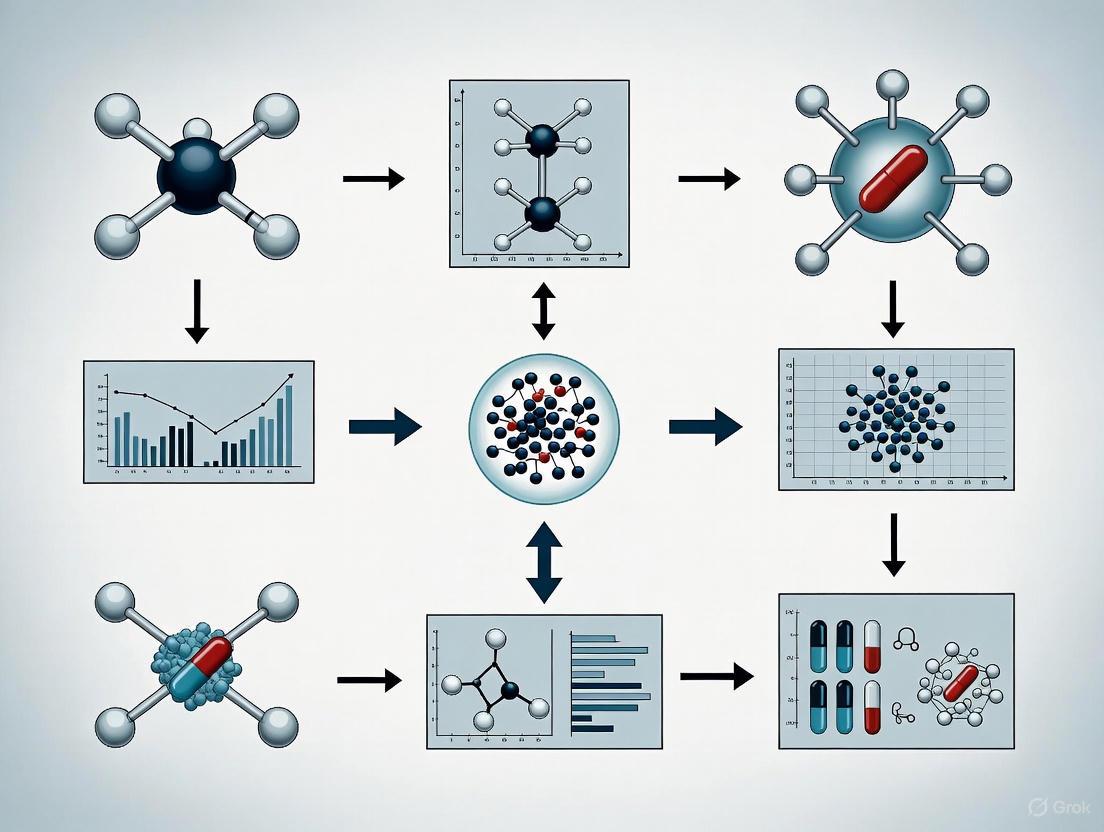
This article provides a comprehensive guide for researchers and drug development professionals on scaling up nanoparticle production.
Scaling Up Nanoparticle Production for Drug Delivery: Strategies, Challenges, and Regulatory Pathways
Abstract
This article provides a comprehensive guide for researchers and drug development professionals on scaling up nanoparticle production. It covers the foundational challenges of transitioning from lab to industrial scale, explores scalable production technologies like microfluidics and supercritical fluid processing, details strategies for troubleshooting and process optimization, and outlines the analytical and regulatory frameworks essential for demonstrating product comparability and quality. The content synthesizes current research and industry trends to offer a practical roadmap for successful clinical translation of nanomedicines.
The Scale-Up Challenge: Bridging the Gap from Lab Bench to Commercial Production
Frequently Asked Questions (FAQs)
Q1: What are the most significant challenges when scaling up nanoparticle production for pharmaceuticals?
The primary challenges involve maintaining reproducible quality and batch-to-batch homogeneity when moving from small laboratory synthesis to industrial-scale production. Conventional small-scale lab techniques often struggle with batch-to-batch variability, and increasing the installation size introduces many difficulties in controlling nanoparticle properties such as size, surface characteristics, and drug loading capacity [1] [2]. Furthermore, achieving compatibility between the nanoparticle and the final product formulation is critical for preserving material integrity during downstream processing and ensuring stability in the final drug product [3].
Q2: Why is reproducibility so difficult to achieve during scale-up?
Reproducibility is challenging due to the intrinsic variability of the colloidal crystallization nucleation process [4]. Factors such as poor temperature control in large-volume reactors, variability of precursors, and the simultaneity of nuclei growth and agglomeration steps can lead to inconsistencies [4]. Scaling up a process often requires significant modifications to the original lab method, such as substituting centrifugation with magnetic decantation for product separation or changing the heating methodology to ensure temperature uniformity in large, viscous fluid volumes [4].
Q3: How can raw material variability impact scale-up, and how is it controlled?
Raw material variability is a critical factor. Using more affordable, commercial-grade reagents without prior purification can be part of a strategy to minimize costs for scaled-up synthesis [4]. However, the properties of the final nanoparticles are highly sensitive to the characteristics of the starting materials. Control is achieved through rigorous supplier qualification and implementing a robust synthetic process designed to be consistent despite minor variations in precursors. The process must be designed to obtain the necessary composition or phase in high yield [3].
Q4: What are the critical quality attributes (CQAs) for scaled nanoparticle batches?
Critical quality attributes for nanoparticles include [5]:
- Size, Polydispersity, and Shape: Affect stability, biodistribution, and cellular uptake.
- Surface Charge and Chemistry: Influence stability, cellular uptake, and interaction with biological systems.
- Drug Loading Capacity and Release Kinetics: Determine therapeutic efficacy.
- Stability and Biocompatibility: Ensure product integrity and safety.
- Manufacturing Reproducibility: Ensures batch-to-batch consistency.
Q5: What personal protective equipment (PPE) is recommended for handling nanomaterials?
If technical controls are insufficient to prevent the release of nanomaterials, the use of personal respiratory protection is recommended. The German Social Accident Insurance (DGUV), for example, recommends respiratory protection of filter class P3 or P2 [6]. The selection must be based on a prior risk assessment, and the mask must be fitted tightly to the face. Employers are responsible for providing basic training and implementing a hierarchy of control measures, which includes substitution, technical controls, organizational measures, and finally, personal protective equipment [6].
Troubleshooting Guides
Table 1: Common Scale-Up Challenges and Solutions
| Problem | Potential Root Cause | Recommended Solution |
|---|---|---|
| Irreproducible Particle Size & Distribution | Inefficient mixing at large scale; variable nucleation/growth kinetics [2] [4]. | Transition to continuous manufacturing with turbulent jet mixers for rapid, efficient mixing and narrower size distribution [5]. Implement real-time Process Analytical Technology (PAT) for immediate control [5]. |
| Low Process Yield | Inefficient product separation and washing at large volumes; immature reaction conditions [4]. | Substitute centrifugation with magnetic decantation for large volumes [4]. Prolonging the high-temperature step during synthesis can also increase yield and size reproducibility [4]. |
| Particle Aggregation & Instability | Incompatible surface chemistry with the final formulation; ineffective capping agents [3]. | Co-optimize nanoparticle design with the product integrator. Use custom capping agents (e.g., silanes, thiols) for compatibility with the solvent system and to prevent agglomeration [3]. |
| Inconsistent Biological Performance | Batch-to-batch variations in critical quality attributes (CQAs) like surface charge and drug release [1] [5]. | Strictly control all CQAs through a defined and scalable process. Ensure manufacturing reproducibility is a key development parameter, not an afterthought [5] [3]. |
| Product Contamination | Erosion of milling materials (in bead milling); use of hazardous chemicals in synthesis [2]. | Employ green synthesis approaches using biological systems to reduce hazardous chemicals [7]. For milling, explore alternative size-reduction technologies like high-pressure homogenization [2]. |
Scale-Up Methodology: Thermal Decomposition for Magnetic Nanoparticles
The following protocol details a scaled-up synthesis of multi-core iron oxide nanoparticles, demonstrating how to address reproducibility and volume challenges [4].
1. Primary Workflow
2. Detailed Experimental Steps
- Reagent Preparation: In a 2 L glass beaker, homogenize the mixture using an Ultra-thurrax at 6000 rpm for 20 minutes. The molar ratio is Fe(acac)₃ : Oleic Acid (OA) : 1,2-Dodecanediol (ODA) = 1:3:2, with an iron precursor concentration of 0.1 M [4].
- Reaction Setup: Transfer the homogenized mixture to a 10 L quartz reactor. Begin overhead stirring at 100 rpm and flow nitrogen gas through the stirrer guide at 9.5 L/min. Maintain stirring and nitrogen flow for the entire process [4].
- Heating and Reflux:
- Apply 670 W of power to heat the mixture to 195°C (approx. 1 hour).
- Start reflux refrigeration and reduce power to 244 W to maintain a temperature of 200°C for 2 hours.
- Apply full power (1300 W) to reach the boiling point (~285°C). Maintain at this temperature for a variable time (5 to 120 minutes). Note: This maturation time is a critical process parameter that directly controls final particle size and microstructure [4].
- Reaction Quenching: Stop stirring and remove the heating mantle to rapidly quench the reaction while maintaining the nitrogen flow [4].
- Product Purification (Magnetic Decantation):
- Transfer the product to a 5 L glass beaker. Precipitate the nanoparticles using a mixture of n-hexane and ethanol.
- Separate the magnetic fraction by placing the beaker on a 0.5 T neodymium magnet for two days.
- Discard the supernatant. Wash the solid three times with a toluene:ethanol mixture (1:2 v/v), using sonication for 15 minutes and magnetic separation after each wash [4].
- Final Dispersion: Disperse the final purified product in a solution of oleic acid and toluene (1:7 v/v) using sonication [4].
The Scientist's Toolkit: Research Reagent Solutions
Table 2: Essential Materials for Scaled Nanoparticle Synthesis
| Material | Function & Importance | Key Considerations for Scale-Up |
|---|---|---|
| Iron (III) acetylacetonate (Fe(acac)₃) [4] | Metal-organic precursor for magnetic iron oxide nanoparticles. | Use affordable, commercial-grade quality (e.g., 99%) without purification to minimize cost at kilogram scales [4]. |
| Oleic Acid (OA) [4] | Surfactant and stabilizing agent. Acts as a capping agent to control growth and prevent aggregation. | The molar ratio to the metal precursor is critical. It provides colloidal stability in organic solvents post-synthesis [4]. |
| 1,2-Dodecanediol (ODA) [4] | A reducing agent in the thermal decomposition synthesis. | Works in conjunction with the surfactant to control the reduction of the metal precursor and influence particle size and morphology. |
| Benzyl Ether [4] | High-boiling-point organic solvent. | Chosen for its high boiling point (~285°C) to allow for high-temperature crystal growth and for ease of purification in large-scale reactions [4]. |
| Capping Agents (e.g., silanes, thiols) [3] | Modify nanoparticle surface chemistry to ensure stability and compatibility with final product formulations. | Selection is application-specific. They can provide a strong bond to the particle or be designed for downstream removal [3]. |
Data Presentation: Scale-Up Production Methods
Table 3: Comparison of Nanoparticle Production Methods for Scale-Up
| Method | Material | Key Advantages for Scale-Up | Key Limitations & Scale-Up Hurdles |
|---|---|---|---|
| Thermal Decomposition [4] | Metals, Metal Oxides | Produces nanoparticles with excellent size homogeneity and shape control >20 nm. Uses cheaper commercial precursors at kilogram scale. | Requires modification from lab-scale (e.g., power control vs. PID, magnetic decantation vs. centrifugation). Reproducibility depends on precise control of maturation time [4]. |
| Continuous Manufacturing [5] | Lipid, Polymeric NPs | Simplified scale-up: run longer or increase flow rate for more product. Inline feedback for real-time control. Reduces unit operations and footprint. | Initial setup and integration with existing batch-based facilities can be a hurdle. Requires regulatory alignment with continuous processes [5]. |
| High-Pressure Homogenization [2] | Lipid NPs | Inherent scale-up feasibility. No use of organic solvents. | Can produce larger particles with a broader size distribution (cold process). Not suitable for thermolabile drugs (hot process). Energy-intensive [2]. |
| Supercritical Fluid Technology [2] | Polymers | Absence of residual solvent. Narrow particle size distribution. Mild operating temperatures. | Poor solvent power of CO₂. High cost and necessity for voluminous usage of CO₂ [2]. |
| Nanoprecipitation [2] | Polymers | Simple technique, low cost. Small particle size. | Difficult to control particle growth. Primarily applicable to lipophilic drugs only. Limited to water-miscible solvents [2]. |
Advanced Technical Schematics
Quality Attribute Interrelationships
Frequently Asked Questions
What are the most critical particle characteristics to monitor during scale-up? Particle Size, Polydispersity Index (PDI), and Drug Loading are paramount [8] [9]. Size and PDI affect stability, biological fate, and therapeutic efficacy, while drug loading impacts potency and cost-effectiveness.
Why does particle size often increase when I move from a small batch to a larger one? This is a common challenge due to changes in mixing efficiency and energy input [9]. In large-scale vessels, mixing is less efficient and homogenous than in lab-scale equipment like sonicators or small microfluidics chips. This can lead to incomplete particle formation and aggregation, resulting in larger particle sizes and broader size distribution (higher PDI) [2] [9].
How can I improve batch-to-batch consistency during scale-up? Implementing advanced manufacturing technologies and highly controlled processes is key [9]. This includes moving from manual methods to automated, continuous processes like scalable microfluidics or high-pressure homogenization. These technologies offer better control over mixing parameters, leading to more reproducible particle characteristics [2] [10].
My drug loading efficiency drops at a larger scale. What could be the cause? Inefficient mixing at a large scale can lead to incomplete encapsulation of the active ingredient [9]. Additionally, if the scale-up process introduces new shear forces or temperature gradients that degrade the drug or the nanoparticle matrix, loading efficiency can decrease [1].
What analytical techniques are essential for characterizing particles during scale-up? A combination of orthogonal techniques is recommended [11]. Dynamic Light Scattering (DLS) is common for measuring hydrodynamic size and PDI [12]. Laser Diffraction covers a broader size range [13]. Electron Microscopy (e.g., SEM) provides direct visualization of particle size, morphology, and potential aggregation [13] [11].
Troubleshooting Common Scale-Up Issues
| Problem | Potential Root Cause | Suggested Solutions & Experimental Checks |
|---|---|---|
| Increased Particle Size [9] | Inefficient mixing during formulation; altered energy input during size reduction steps (e.g., extrusion, homogenization). | Experiment: Compare different mixing speeds/geometries in large tank. Use a scalable inline homogenizer instead of batch mixing. Check: Ensure extrusion/homogenization parameters (pressure, cycles) are optimally adjusted for higher volume [2]. |
| High Polydispersity Index (PDI) [9] [14] | Non-uniform mixing causing inconsistent particle formation; broad residence time distribution in continuous reactors. | Experiment: Use a continuous manufacturing process (e.g., microfluidics, annular jet) for more uniform mixing. Check: Characterize samples at multiple time points during the process to identify the source of heterogeneity [10]. |
| Low Drug Loading Efficiency [9] | Active pharmaceutical ingredient (API) degradation due to process-related stress (shear, temperature); inefficient encapsulation due to rapid precipitation. | Experiment: Protect API from process stress (e.g., lower temperature, reduce harsh solvents). Optimize the drug-to-excipient ratio for the new scale. Check: Analyze the API stability and final product composition using HPLC [1]. |
| Poor Batch-to-Batch Consistency [1] [9] | Minor, unaccounted-for variations in raw material quality, process parameters, or environmental conditions. | Experiment: Implement a rigorous Quality by Design (QbD) approach. Establish strict specifications for raw materials and tighter control limits for critical process parameters (CPPs). Check: Use advanced process analytical technology (PAT) for real-time monitoring [10]. |
Experimental Data: Quantifying Scale-Up Effects
The following table summarizes key parameters from a study on liposomal nanoparticles, demonstrating how formulation and process variables directly impact particle characteristics [14].
Table 1: Effect of Formulation and Process Parameters on Liposomal Nanoparticles [14]
| Factor | Impact on Particle Size | Impact on PDI | Experimental Protocol Insight |
|---|---|---|---|
| Sonication Time | Decreasing time led to larger particles. Optimal time (∼30 min) minimized size [14]. | Longer sonication (up to a point) reduced PDI to <0.2 [14]. | Liposomes were prepared via thin-film hydration and bath sonication. Size/PDI were measured by Dynamic Light Scattering (DLS). |
| Extrusion Temperature | Temperature near 60°C was critical for achieving minimum particle size [14]. | Temperature control was essential for maintaining a low PDI [14]. | After sonication, liposomes were extruded through polycarbonate filters (400 nm to 50 nm) using a thermobarrel extruder at a temperature above the lipid phase transition temperature (Tm). |
| Lipid Composition | Composition (A) achieved smaller min. size (116.5 nm) than composition (B) (130.0 nm) [14]. | Both compositions could achieve a PDI < 0.2 with optimized other factors [14]. | Two compositions were tested: (A) HSPC:DPPG:Chol:DSPE-mPEG2000 (55:5:35:5) and (B) HSPC:Chol:DSPE-mPEG2000 (55:40:5). |
The Scientist's Toolkit: Key Reagents & Materials
Table 2: Essential Materials for Liposomal Nanoparticle Formulation [14]
| Material | Function in the Experiment |
|---|---|
| HSPC (Hydrogenated Soy Phosphatidylcholine) | The primary phospholipid component forming the structural bilayer of the liposome. |
| Chol (Cholesterol) | Incorporated into the lipid bilayer to improve membrane stability and rigidity. |
| DPPG (Dipalmitoylphosphatidylglycerol) | A negatively charged lipid used in Composition A to influence surface charge and stability. |
| DSPE-mPEG2000 | A PEGylated lipid used to create a "stealth" coating, prolonging circulation time by reducing immune clearance. |
| Chloroform | Organic solvent used to dissolve lipids initially for thin-film formation. |
| Phosphate-Buffered Saline (PBS) | Aqueous hydration buffer used to hydrate the lipid film and form liposomes. |
Visualizing the Relationship Between Scale-Up Parameters and Particle Characteristics
The diagram below illustrates the core principles of how critical process parameters (CPPs) during scale-up directly impact critical quality attributes (CQAs) of nanoparticles, and the subsequent analytical techniques required for characterization.
Troubleshooting Guides
Problem: Inconsistent nanoparticle characteristics (size, polydispersity, encapsulation efficiency) between production batches.
| Observable Symptom | Potential Root Cause | Recommended Diagnostic Action |
|---|---|---|
| Variable particle size and distribution | Fluctuations in critical process parameters (CPPs) like pressure, mixing speed, or solvent diffusion rate [2] | Audit process logs for parameter drift; implement real-time monitoring of homogenization pressure or stirring rates. |
| Inconsistent drug loading/encapsulation efficiency | Changes in raw material properties (e.g., polymer molecular weight, lipid purity) [15] [16] | Review Certificates of Analysis (CoA) for raw material lots; conduct pre-production characterization of key material attributes. |
| Changes in biological performance (potency) despite similar physical attributes | Inadequately controlled critical quality attributes (CQAs) like dsRNA impurity in mRNA products or surface morphology [17] | Expand analytical characterization to include potency assays and product-related impurity profiling (e.g., dsRNA dot blot). |
Guide 2: Addressing Variability in Advanced Cell Models
Problem: High batch-to-batch variability in 3D organoid models, leading to irreproducible experimental data.
| Observable Symptom | Potential Root Cause | Recommended Diagnostic Action |
|---|---|---|
| Transcriptomic and metabolic drift in organoids over time | Use of late-passage neuroepithelial stem cells (NESCs) during organoid generation [18] | Limit the passage number of starter NESC cultures; use early-passage cells (e.g., p10-p15) for new organoid batches. |
| High variance within and between organoid batches | Interaction of donor biological factors (disease, sex) with culture conditions; inherent complexity of protocols [18] | Implement a balanced experimental design that accounts for donor, sex, and batch as independent variables in statistical analysis. |
Frequently Asked Questions (FAQs)
Q1: What are the most common root causes of batch-to-batch variation in pharmaceutical manufacturing? The causes are multifaceted and can originate from raw material variability and process parameter inconsistencies. Natural variations in active pharmaceutical ingredients (APIs), such as differences in particle size and packing density, significantly impact processability [15]. Furthermore, inconsistencies in critical process parameters (CPPs) during unit operations, such as homogenization pressure or mixing dynamics, can lead to variable product quality [2].
Q2: How can we control variation when scaling up nanoparticle production from lab to industrial scale? Successful scale-up requires a deep process understanding rooted in Quality by Design (QbD) principles. This involves identifying and tightly controlling Critical Process Parameters (CPPs) that influence Critical Quality Attributes (CQAs). Techniques like high-pressure homogenization and extrusion are favored for their scalability, but process parameters must be meticulously defined and monitored [2]. Implementing Process Analytical Technology (PAT) for real-time monitoring is encouraged by regulatory guidelines to enhance understanding and control [15].
Q3: Our lab produces midbrain organoids for disease modeling, but results are not reproducible. What is the most critical factor to control? Your most critical factor is likely the passage number of the starter cells. Research shows that the passage of neuroepithelial stem cells (NESCs) has a greater impact on transcriptomic variance than the organoid generation batch itself. Using late-passage NESCs can double the batch-to-batch variability. Prioritize using early-passage NESC cultures to ensure phenotypic stability and reproducible results [18].
Q4: What analytical strategies can help identify the source of batch-to-batch variation? A combination of univariate analysis of specific attributes and multivariate data analysis is highly effective. For powders, combining laser diffraction (for particle size) with low-pressure compression (for packing density) can reveal interactions that are not apparent when looking at single parameters [15]. For complex processes, building multivariate "golden batch" models can help detect deviations in real-time and pinpoint their root causes [19].
Q5: What are the key CQAs for lipid nanoparticle (LNP) products containing mRNA? Key CQAs for mRNA/LNP products fall into several categories [17]:
- Purity & Impurities: mRNA integrity, double-stranded RNA (dsRNA) content, residual nucleotides.
- Product Characteristics: Particle size, polydispersity index, encapsulation efficiency, mRNA concentration.
- Potency: Protein expression capability and functionality of the encoded protein.
- Safety: Sterility, endotoxin.
Experimental Protocols for Variability Analysis
Protocol 1: Assessing Powder Processability via Packing Density and Particle Size
Objective: To identify the source of batch-to-batch variation in the processability of active pharmaceutical ingredients (APIs) by evaluating the combined effect of particle size and packing behavior [15].
Materials:
- Texture Analyzer (e.g., TA-XT2) fitted with a die and flat-faced punch
- Laser Diffraction Particle Size Analyzer
- Powder samples from multiple API batches
Methodology:
- Low-Pressure Compression:
- Carefully fill the die with a known mass of powder.
- Compress the powder at a low pressure (e.g., < 1 MPa) and record the compression profile.
- Calculate the specific density at 0.2 MPa (d0.2) from the compression data. This parameter is highly sensitive to particle size and shape and correlates well with tapped density.
Particle Size Distribution:
- Disperse a representative powder sample in a suitable medium.
- Analyze the sample using laser diffraction to obtain volume-based particle size distribution.
- Record key parameters: d[4,3] (volume mean diameter), d[3,2] (surface area mean diameter), and d(v,0.1).
Data Analysis:
- Perform multivariate statistical analysis (e.g., Principal Component Analysis) on the dataset containing d0.2 and all particle size parameters.
- The interaction between particle size and packing density (d0.2) will often reveal the root cause of variability that is not apparent from univariate analysis.
Protocol 2: Monitoring a Batch Process Using Multivariate Analysis
Objective: To reduce batch-to-batch variability in a manufacturing process (e.g., for a Botanical Drug Product) by building a "golden batch" model for real-time monitoring and control [19].
Materials:
- Multivariate Data Analytics Software (e.g., SIMCA)
- Historical process data from multiple batches
- Real-time data monitoring system (e.g., SIMCA-online)
Methodology:
- Data Gathering:
- Collect and store data on all relevant process variables (e.g., temperatures, flow rates, pH) from historical batches in a centralized database.
Model Building:
- Use multivariate analytics to identify batches with "good" behavior and performance.
- Build a "golden batch" model using the process data from these reference batches. This model defines the normal operating space.
Real-Time Monitoring:
- Deploy the model with a real-time monitoring tool.
- As new batches are produced, the tool compares the live process data to the golden batch model.
Intervention:
- The monitoring tool provides an easy-to-understand visualization of process deviations.
- Operators can take corrective actions when the process shows a significant deviation from the golden batch trajectory, preventing the production of a failed or out-of-spec batch.
Process Visualization
Diagram: Batch Variability Analysis Workflow
Diagram: Nanoparticle Scale-Up Control Strategy
The Scientist's Toolkit: Research Reagent Solutions
| Item | Function in Variability Control |
|---|---|
| Laser Diffraction Particle Size Analyzer | Provides quick and reproducible measurements of particle size distribution, a key physical attribute affecting processability and performance [15]. |
| Texture Analyzer with Compression Cell | Used for low-pressure compression tests to determine the specific packing density (d0.2) of powders, which is sensitive to variations in particle size and shape [15]. |
| Certificates of Analysis (CoA) | Documents provided by suppliers that confirm the quality, purity, and specific lot-to-lot data for raw materials, enabling traceability and root cause investigation [16]. |
| Microfluidizer | A high-shear fluid processor used for nanoparticle production, allowing precise control over particle size by managing pressure and collision dynamics [2]. |
| Multivariate Data Analysis Software (e.g., SIMCA) | Enables the identification of complex interactions between material attributes and process parameters that are not visible through univariate analysis, crucial for building golden batch models [15] [19]. |
Sterility and Contamination Control for Sensitive Payloads like RNA and DNA
FAQs: Addressing Common Concerns in Scaling Up Production
FAQ 1: What are the primary sources of DNA/RNA contamination in nanoparticle formulations, and how can they be controlled during scale-up?
The primary sources of contamination are residual process-related impurities. For DNA, this includes genomic DNA from the host organism (e.g., E. coli) and protein impurities from the production system [20]. For RNA, common impurities include truncated RNA fragments, double-stranded RNA (dsRNA), and enzymes from the in vitro transcription process [20]. Control during scale-up requires robust, scalable purification methods like tangential flow filtration and chromatography to remove these specific impurities effectively [20].
FAQ 2: Why is sterile filtration particularly challenging for lipid nanoparticles (LNPs) encapsulating RNA or DNA?
Sterile filtration, which typically uses 0.2 µm pore size membranes, is challenging because mRNA-LNPs often have diameters ranging from 50–200 nm [20]. The size of these particles is very close to the pore size of the sterilizing-grade filters, which can lead to membrane fouling, filter blockage, and significant challenges in processing, especially at a large scale [20].
FAQ 3: How can terminal sterilization methods like autoclaving affect sensitive nanoparticle formulations?
Autoclaving, which uses high-pressure steam at around 120 °C, can cause several undesirable effects on nanoparticle formulations [21]. These include particle aggregation, changes in size distribution (e.g., via Ostwald ripening), and instability of the payload. The impact heavily depends on the nanoparticle's composition and capping materials; for instance, lipid-based nanoparticles may tolerate autoclaving better than some metal nanoparticles [21].
FAQ 4: What are the key considerations for ensuring the sterility of final nanoparticle products without compromising their stability or payload integrity?
The key is selecting a sterilization method compatible with the formulation. For heat- or radiation-sensitive nanoparticles, sterile filtration is the preferred method, provided the particle size is suitable [21]. For larger particles, aseptic processing throughout the entire manufacturing chain is critical. Furthermore, the choice of method must be validated to ensure it does not alter critical quality attributes like particle size, zeta potential, polydispersity index (PDI), or drug release profile [21].
Troubleshooting Guides: Common Experimental Issues
Issue 1: Low Yield or Degraded RNA/DNA Payload
| Potential Cause | Recommended Action | Preventive Measures for Scale-Up |
|---|---|---|
| Endogenous Nucleases | Immediately inactivate intracellular RNases upon cell lysis. Use proper cell or tissue storage conditions (e.g., flash-freezing in liquid nitrogen and storage at -70 °C) [22]. | Implement rapid, continuous processing systems to minimize hold times. Ensure storage vessels and transfer lines are maintained at controlled temperatures. |
| Inefficient Homogenization | Homogenize tissue samples thoroughly. If a centrifugation step is used prior to chloroform addition, a white mucus-like pellet is expected; a tan-colored precipitate indicates incomplete cell lysis [22]. | Use scalable, high-shear homogenizers and validate homogenization efficiency for each tissue type and batch size. |
| Improper Precipitation | For samples rich in proteoglycans/polysaccharides, use a high-salt precipitation solution (0.8 M sodium citrate, 1.2 M NaCl) with isopropanol to keep contaminants soluble [22]. | Standardize precipitation conditions and solution quality. Implement in-process controls to monitor precipitation efficiency. |
Issue 2: Persistent DNA Contamination in RNA Isolations
| Potential Cause | Recommended Action | Preventive Measures for Scale-Up |
|---|---|---|
| Incomplete DNase Digestion | Include an amplification-grade DNase I treatment step after the initial RNA isolation [22]. | Incorporate a validated DNase digestion step into the purification protocol and ensure sufficient mixing and residence time in flow-through systems. |
| Plasmid DNA Carryover | If isolating RNA from cells transfected with a plasmid, be aware that not all plasmid DNA may partition into the interphase/organic phase. A DNase I treatment is essential [22]. | For processes using plasmid DNA, optimize the separation conditions (e.g., chloroform addition and centrifugation) to maximize DNA removal in early stages. |
Issue 3: Problems with Sterile Filtration of Nanoparticles
| Potential Cause | Recommended Action | Preventive Measures for Scale-Up |
|---|---|---|
| Particle Size too Large | Characterize the nanoparticle hydrodynamic size. If it approaches or exceeds 200 nm, sterile filtration may not be feasible, and aseptic processing is required [21] [20]. | Implement strict controls over the nanoparticle formulation process to ensure a consistent and appropriate particle size distribution for filtration. |
| Filter Fouling/Clogging | Pre-condition the sample by filtering through a larger pore size membrane (e.g., 0.45 µm) before the final 0.2 µm sterilizing-grade filter [20]. | Use preconditioning steps as part of the standard workflow. Consider using filters with modified surfaces (e.g., polyethersulfone) that are less prone to fouling [21]. |
Data Presentation: Sterilization Methods for Nanoparticles
The table below summarizes the primary terminal sterilization methods, their mechanisms, and their impact on nanoparticles, which is critical for process design during scale-up.
Table: Comparison of Terminal Sterilization Methods for Nanoparticles
| Method | Mechanism | Optimal For | Impact on Nanoparticles | Scale-Up Considerations |
|---|---|---|---|---|
| Sterile Filtration [21] | Physical removal of microbes via membrane (0.2-0.45 µm). | Heat- or radiation-sensitive nanoparticles with sizes < 220 nm; liquid formulations. | Generally minimal impact. Potential for particle loss, clogging, or drug leakage for larger/delicate structures. | Filter capacity and fouling are major concerns. Requires pre-filtration. Not suitable for high-viscosity or high-solid concentrates. |
| Autoclaving [21] | Destruction of microbes by high-pressure saturated steam (~120°C). | Thermostable, aqueous nanoparticle formulations (e.g., some metal or lipid nanoparticles). | Can cause aggregation, size increase (Ostwald ripening), and payload degradation. Effect depends on capping agents. | Batch process. High energy consumption. Requires validation of heat penetration and its effect on the entire batch. |
| Ionizing Radiation (e.g., Gamma, E-beam) [21] | Destruction of microbial DNA by high-energy photons/electrons. | Heat-sensitive solids and suspensions. | Can generate free radicals, damaging polymer matrices and affecting drug release profiles. | Requires specialized, regulated facilities. Dosimetry must be calibrated to ensure sterility without degrading the product. |
Experimental Protocols
Protocol 1: Isolation and Characterization of Nanoparticle-Protein Corona Complexes
Understanding the biomolecular corona (PC) that forms around nanoparticles in biological fluids is crucial, as it directly influences cellular uptake, toxicity, and biodistribution—key factors in scaling up for in vivo applications [23].
Methodology:
- In Vitro Corona Formation: Incubate nanoparticles with relevant biological fluid (e.g., cell culture medium with fetal bovine serum, simulated lung fluid, or simulated intestinal fluid) under conditions that mimic the intended exposure route (e.g., temperature, pH, static/dynamic exposure) [23].
- Isolation of Hard Corona (HC): Separate the NP-HC complexes from unbound proteins and the biological fluid. For magnetic nanoparticles, use magnetic separation. For other types, centrifugation or filtration is employed [23].
- Physico-Chemical Characterization: Analyze the NP-HC complexes using techniques like Dynamic Light Scattering (DLS) for hydrodynamic size and Zeta Potential, and Transmission Electron Microscopy (TEM) for morphology [23].
- Proteomics and Glycan Analysis: Digest the proteins associated with the corona and identify them using Liquid Chromatography with Tandem Mass Spectrometry (LC-MS/MS). Glycan profiling can also be performed on the corona components [23].
Protocol 2: Recovery from Isopropanol Addition Error in TRIzol-Based RNA Isolation
A common laboratory error during scale-up can be the inadvertent use of isopropanol instead of chloroform after homogenization. The following protocol can help recover the sample [22].
Methodology:
- Add more isopropanol to the sample so that the total volume of isopropanol equals the volume of TRIzol Reagent originally used.
- Centrifuge the mixture at 7,500 x g for 10 minutes at 4°C to pellet the nucleic acids.
- Pour off the supernatant. Allow the pellet to air-dry slightly to reduce isopropanol volume, but do not let it dry completely.
- Resuspend the pellet in at least 15-20 volumes of TRIzol Reagent (e.g., for a 100 µL pellet, use 1.5-2 mL TRIzol). Break the pellet up thoroughly, potentially using a hand-held homogenizer.
- Store the solution for 10-15 minutes at room temperature, shaking by hand periodically to ensure it is well-dispersed.
- Proceed with the standard TRIzol protocol from the chloroform addition step. Note that RNA yields will be compromised, but a product may be obtainable for downstream applications like RT-PCR [22].
Workflow Visualization
Sterile Filtration and Aseptic Process Workflow
Nanoparticle-Protein Corona Characterization Pathway
The Scientist's Toolkit: Research Reagent Solutions
Table: Essential Materials for RNA Isolation and Sterility Control
| Reagent / Material | Function | Key Consideration for Scale-Up | | :--- | | :--- | | TRIzol Reagent | A monophasic solution of phenol and guanidine isothiocyanate for the simultaneous isolation of RNA, DNA, and proteins from cells and tissues [22]. | Handling large volumes of toxic phenol requires appropriate engineering controls and waste management procedures. | | DNase I (Amplification Grade) | An enzyme that degrades trace DNA contaminants to prevent false-positive results in downstream RNA applications like RT-PCR [22]. | Requires optimization of concentration, incubation time, and mixing for uniform treatment in large-volume batches. | | Glycogen | A co-precipitant used as a carrier to improve the yield and visualization of pellets when precipitating microgram or nanogram quantities of nucleic acids [22]. | Ensures consistent recovery of low-abundance nucleic acids during large-scale precipitations. | | RNase Inhibitors | Proteins that non-competitively bind RNases to protect RNA samples from degradation during processing and storage [22]. | Critical for maintaining RNA integrity during longer processing times inherent to scale-up. | | 0.2 µm Pore Size Membrane Filters | Sterilizing-grade filters used for the aseptic removal of bacteria from heat-sensitive liquid formulations [21] [20]. | Compatibility with nanoparticle formulation is key. Filter fouling and capacity must be tested at pilot scale. | | High-Salt Precipitation Solution | A solution of 0.8 M sodium citrate and 1.2 M NaCl used with isopropanol to precipitate RNA while keeping contaminating proteoglycans and polysaccharides soluble [22]. | Standardized preparation is necessary for consistent performance and compliance with Good Manufacturing Practices (GMP). |
Supply Chain and Raw Material Sourcing for High-Quality Lipids and Polymers
The global market for advanced lipids and polymers is experiencing significant growth, driven by their critical role in nanomedicine, particularly in drug delivery systems for mRNA vaccines and gene therapies. Sourcing high-quality materials is foundational to scaling up nanoparticle production successfully.
Lipid Nanoparticles Market Dynamics
The Lipid Nanoparticles (LNPs) market is projected for strong growth, influenced by their adoption in drug delivery systems [24].
- Table: Global Lipid Nanoparticles Market Outlook
| Attribute | Value |
|---|---|
| Market Value (2024) | ~USD 2.5 Billion |
| Projected Market Value (2034) | ~USD 2.5 Billion (CAGR of 15-18%) |
| Primary Growth Driver | Application in mRNA vaccines & gene therapies |
Key market dynamics include [24]:
- Drivers: Rising demand for targeted drug delivery systems, the burden of chronic diseases, and the growth of personalized medicine.
- Restraints: High production costs, complex manufacturing processes, and stringent regulatory requirements.
- Opportunities: Innovations in green nanotechnology, sustainable production methods, and expansion in emerging markets.
Polymer Supply Chain Dynamics
The European polymer supply chain convenes to explore global market trends, sourcing strategies, and the impact of new regulations and digital technologies [25]. Key trends include a shift towards bio-based polymers like Polylactic Acid (PLA) for sustainability, though this sector can be affected by shifting political and regulatory landscapes [26].
Troubleshooting Common Sourcing and Quality Issues
Frequently Asked Questions (FAQs)
Q1: Our nanoparticle batches show high variability in performance, but our raw material certificates indicate consistent quality. What could be wrong? A: Certificates of Analysis (CoA) for bulk materials may not capture the critical nanoscale properties that dictate performance. A common pitfall is relying solely on manufacturer specifications for materials like commercial lipids or polymers without independent verification. One study found significant discrepancies between the stated and actual sizes of commercially acquired silver nanoparticles [27]. Solution: Implement rigorous in-house physicochemical characterization (PCC) of all incoming raw materials under biologically relevant conditions.
Q2: Our nano-formulations are consistently failing endotoxin limits as we scale up. How can we control this? A: Endotoxin contamination is a frequent and serious issue; over one-third of samples submitted to a characterization lab required purification due to high endotoxin levels [27]. Contamination can originate from non-sterile reagents, equipment, or water. Solution: Adopt strict aseptic techniques throughout synthesis, use LAL-grade/pyrogen-free water, screen commercial starting materials for endotoxin, and depyrogenate all glassware [27].
Q3: How can we improve batch-to-batch consistency in nanoparticle synthesis during scale-up? A: Traditional batch reactors are prone to local variations in temperature and concentration, leading to inconsistent products [28]. Solution: Transition from batch to continuous flow synthesis methods, such as microreactors. These systems offer intensified mixing, narrower residence time distributions, and superior control over temperature and heating rates, resulting in nanoparticles with narrower size distributions and higher reproducibility [28].
Q4: What are the key physicochemical parameters to specify when sourcing lipids or polymers for nanomedicine? A: While composition is important, performance is often tied to nanoscale properties beyond bulk material specifications [29]. Solution: Your sourcing criteria should include:
- Size and Size Distribution: Significantly impacts biodistribution and cellular uptake.
- Charge (Zeta Potential): Influences colloidal stability and interaction with biological membranes.
- Purity and Stability: Ensure batch-to-batch consistency and shelf-life.
- Functional Performance: Specify performance-based metrics relevant to your application, as "same" material from different batches can behave differently [29] [27].
Experimental Protocols for Quality Assurance
Protocol 1: Endotoxin Testing with Interference Controls
Nanoparticles can often interfere with standard endotoxin tests, leading to false positives or negatives [27]. This protocol ensures accurate results.
- Sample Preparation: Dilute the nanoparticle sample in endotoxin-free water.
- Inhibition/Enhancement Control (IEC): This is a critical step. Spike one aliquot of the sample with a known amount of endotoxin standard. This controls for the possibility that the nanoparticle formulation is masking (inhibiting) or amplifying (enhancing) the assay signal.
- Assay Selection: Run the Limulus Amoebocyte Lysate (LAL) assay. If the nanoparticles are colored, avoid the chromogenic assay; if they are turbid, avoid the turbidity assay. Using two different LAL formats is recommended for cross-verification [27].
- Analysis: If the recovery of the spiked endotoxin in the IEC is outside the specified range (typically 50-200%), there is interference, and the assay method must be re-evaluated.
Protocol 2: Characterizing Raw Material Purity and Size
Do not trust manufacturer specifications at face value [27]. This protocol verifies key parameters of sourced materials.
- Sample Dispersion: Disperse the material (e.g., a lipid or polymer) in a solvent that mimics the final application medium (e.g., buffer at physiological pH).
- Dynamic Light Scattering (DLS): Measure the hydrodynamic diameter and polydispersity index (PDI) to assess size distribution and aggregation state. Note: DLS measures the size of the solvated particle, which can differ from dry state measurements.
- Transmission Electron Microscopy (TEM): Use TEM to visualize the primary particle size, shape, and morphology. This provides a direct measurement that complements DLS.
- Zeta Potential Measurement: Determine the surface charge of the particles in the dispersing medium. This is a key indicator of colloidal stability.
The Scientist's Toolkit: Essential Research Reagent Solutions
Sourcing the right materials is critical for successful experimentation and scale-up.
- Table: Key Materials for Lipid and Polymer Nanoparticle Research
| Material / Reagent | Function in Research & Development |
|---|---|
| Ionizable Lipids | A core component of LNPs; enables encapsulation and endosomal release of nucleic acids (e.g., mRNA) [24]. |
| PEGylated Lipids | Used to modify nanoparticle surface, reducing opsonization and improving circulation time; can help control immunogenicity [24]. |
| Polyvinylpyrrolidone (PVP) | A common stabilizing agent in metal nanoparticle synthesis; controls growth and prevents aggregation [28]. |
| Polylactic Acid (PLA) | A biodegradable, bio-based polymer used for controlled-release drug delivery and sustainable material solutions [26]. |
| Oleic Acid / Oleylamine | Common stabilizing agents used in nonpolar solvents to control nanoparticle growth and provide colloidal stability [28]. |
| Limulus Amoebocyte Lysate (LAL) | A critical reagent for detecting and quantifying bacterial endotoxin contamination in nano-formulations [27]. |
Workflow Visualization: From Sourcing to Quality Assurance
The following diagram illustrates the integrated process of sourcing raw materials and establishing quality control for scalable nanoparticle production.
Figure 1. Integrated workflow for sourcing and quality assurance in nanoparticle production. This process emphasizes the critical feedback loop where raw materials that fail quality control trigger a re-evaluation of the supplier or material batch.
Advanced Manufacturing: Microreactor Synthesis Workflow
To address common challenges of batch-to-batch consistency and reactor clogging during scale-up, consider adopting continuous flow synthesis.
Figure 2. Biphasic microreactor setup for nanoparticle production. This system uses an inert carrier fluid to create segmented slugs of the reaction mixture, which intensifies mixing, prevents reactor fouling, and ensures a narrow residence time distribution for highly uniform nanoparticles [28].
Scalable Production Technologies: From Microfluidics to Supercritical Fluids
Core Principles of High-Flow Microfluidics
What are the fundamental principles governing high-flow microfluidics?
High-flow microfluidic systems manipulate fluids in sub-millimeter channels, where laminar flow dominates fluid behavior. In this regime, fluids move in parallel layers without turbulence, enabling precise control over reactions and interactions. The key to scaling up production while maintaining control lies in leveraging chaotic advection through specific micromixer geometries, such as staggered herringbone mixers, which create micro-vortices to enhance mixing efficiency without relying on turbulence [30] [31].
Optimization of Flow Parameters
How do Total Flow Rate (TFR) and Flow Rate Ratio (FRR) affect nanoparticle synthesis?
Optimizing TFR and FRR is critical for controlling the size and dispersity of nanoparticles during synthesis. These parameters directly influence the mixing efficiency, which governs the kinetics of nanoparticle nucleation and growth.
Table 1: Effect of Microfluidic Flow Parameters on PLGA Nanoparticle Characteristics [31]
| Total Flow Rate (TFR) | Flow Rate Ratio (FRR) - Aqueous:Organic | Average Nanoparticle Size | Polydispersity Index (PDI) |
|---|---|---|---|
| Lower TFR | 3:1 | Larger size | Broader distribution |
| Higher TFR | 3:1 | Smaller size | Narrower distribution |
| System-dependent optimum | 1:1 | Smaller size (~130 nm) | Low (~0.15) |
| System-dependent optimum | 5:1 | Larger size (~160 nm) | Low (~0.16) |
What is a detailed experimental protocol for optimizing TFR and FRR?
Objective: To systematically determine the optimal TFR and FRR for synthesizing poly(lactic-co-glycolic acid) (PLGA) nanoparticles with a target size of 200 nm and a low Polydispersity Index (PDI < 0.2) [31].
Materials:
- Organic Phase: PLGA polymer dissolved in a water-miscible solvent like acetonitrile (ACN).
- Aqueous Phase: Surfactant solution, such as polyvinyl alcohol (PVA) in deionized water.
- Equipment: Syringe pumps, a microfluidic chip (e.g., with a staggered herringbone or three-inlet mixer), and a dynamic light scattering (DLS) instrument for nanoparticle characterization.
Methodology:
- Fix the FRR: Begin with an FRR (Aqueous:Organic) of 3:1.
- Vary the TFR: Synthesize nanoparticles at different TFRs (e.g., 2 mL/min, 4 mL/min, 8 mL/min, 12 mL/min) while keeping the FRR constant.
- Characterize Output: Measure the size and PDI of the resulting nanoparticles for each condition using DLS.
- Fix the Optimal TFR: Once the TFR that produces the smallest size and PDI is identified, keep this value constant.
- Vary the FRR: Synthesize a new set of nanoparticles at different FRRs (e.g., 1:1, 3:1, 5:1, 10:1) using the optimal TFR.
- Final Characterization: Measure the size and PDI for each FRR condition to determine the overall optimal parameters.
This iterative process maps the design space and identifies the combination that yields the most desirable nanoparticle properties.
Scale-Up Through Parallelization
What strategies exist for scaling up microfluidic production, and how do they compare?
Moving from lab-scale synthesis to clinically relevant volumes requires moving beyond increasing the flow rate in a single channel, which can lead to detrimental backpressure. The most effective strategy is parallelization.
Table 2: Comparison of Microfluidic Scale-Up Strategies for Nanoparticle Production [30]
| Scale-Up Strategy | Description | Key Advantage | Reported Scale-Up Factor | Inherent Challenge |
|---|---|---|---|---|
| Single-Channel High-Flow | Increasing flow rate and reagent concentration in a single mixer. | Simplicity of setup. | Limited | Increased backpressure can affect device integrity and mixing performance. |
| Numbered Parallelization | Using a device with multiple identical mixing channels operating simultaneously. | Maintains identical product quality across all channels. | 10x to 256x | Requires careful design of flow resistors for even distribution. |
| Concentration & Parallelization | Combining parallelized chips with increased reagent concentration. | Massive multiplicative increase in output. | 5,100x (reported) | Potential for fouling or blockages at higher concentrations. |
Can you provide a protocol for scaling up via a parallelized microfluidic device?
Objective: To scale up the production of ultrasmall silver sulfide nanoparticles (Ag₂S-NP) using a Scalable Silicon Microfluidic System (SSMS) with parallelized channels [30].
Materials:
- Reagents: Silver nitrate (AgNO₃), sodium sulfide (Na₂S), L-glutathione (GSH), sodium hydroxide (NaOH), deionized water.
- Equipment: Scalable Silicon Microfluidic System (e.g., with 1, 10, or 256 parallel channels), pressure-driven flow system, UV-visible spectrophotometer, DLS.
Methodology:
- Solution Preparation:
- Solution A (GSH + AgNO₃): Dissolve 767 mg GSH and 42.5 mg AgNO₃ in 75 mL deionized water. Adjust pH to 7.4 using NaOH.
- Solution B (Na₂S): Dissolve 10 mg Na₂S in 25 mL deionized water.
- System Priming: Load the solutions into pressurized vessels connected to the SSMS chip. Ensure the chip is housed in its aluminum fixture.
- Flow Rate Calibration: Set the pressure controllers to achieve a 3:1 flow rate ratio (Solution A : Solution B) with a target total flow rate of up to 2 mL/min per channel. For a 256-channel SSMS, this can achieve a total flow rate of 17 L/hour.
- Nanoparticle Synthesis: Initiate flow. The reagents mix in the parallelized staggered herringbone channels, resulting in the instantaneous formation of Ag₂S-NP.
- Product Collection: Collect the effluent containing the synthesized nanoparticles from the single output port.
- Quality Control: Characterize the nanoparticles from each run using UV-visible spectrometry and DLS to ensure consistency with small-scale batches in terms of core size, concentration, and optical properties.
Troubleshooting Common Experimental Issues
What are typical failure modes in microfluidics and their solutions?
Table 3: Microfluidics Troubleshooting Guide for Common Failure Modes [32]
| Failure Category | Specific Problem | Potential Causes | Solutions |
|---|---|---|---|
| Mechanical | Channel blockages | Particle accumulation, air bubbles, precipitate formation [32] [31]. | Pre-filter all reagents, implement degassing steps, ensure chemical compatibility. |
| Leakage | Poor alignment of components, inadequate sealing, material deformation [32]. | Perform careful design iterations, select materials with appropriate structural integrity. | |
| Fluidic & Performance | Inconsistent nanoparticle size | Fluctuations in TFR/FRR, inefficient mixing, temperature gradients [32] [31]. | Use high-precision syringe or pressure pumps, employ chaotic mixers (herringbone), control ambient temperature. |
| Low production yield | Single-channel throughput limits, low reagent concentration [30]. | Move to a parallelized microfluidic device and/or optimize reagent concentrations for scale-up. | |
| Electrical | Pump failure | Inconsistent voltage, battery fatigue, faulty connections [32]. | Use regulated power supplies, implement routine maintenance checks, properly encapsulate electronics. |
Frequently Asked Questions (FAQs)
Q1: Why is a three-inlet microfluidic junction sometimes superior to a standard Y-junction?
A: A three-inlet geometry, where the organic phase flows through a central channel flanked by two aqueous streams, provides a more focused and rapid mixing interface. Computational Fluid Dynamics (CFD) simulations confirm that this design creates significantly more homogeneous mixing and efficient interfacial contact, leading to smaller, more uniform nanoparticles with superior post-lyophilization stability compared to a simple Y-junction [31].
Q2: What are the key material compatibility considerations for microfluidic devices?
A: Material selection is critical to prevent chemical failures. The device material must be structurally sound to withstand operational pressures and chemically compatible with all reagents and solvents used. Incompatibility can lead to channel degradation, reagent breakdown, or the formation of solid precipitates that cause blockages [32].
Q3: How can I confirm that my scaled-up process maintains product quality?
A: Consistent product quality during scale-up must be verified through rigorous characterization. As demonstrated in Ag₂S-NP synthesis, this includes comparing key metrics such as core size (via TEM/DLS), concentration, UV-visible absorption spectra, and in vitro contrast generation between small-scale and large-scale batches. Furthermore, in vivo performance, such as imaging contrast and biodistribution/clearance profiles, should be consistent [30].
Q4: Our parallelized device has inconsistent output between channels. What could be wrong?
A: Inconsistent output typically stems from uneven flow distribution. Advanced parallelized systems like the SSMS incorporate flow resistors within each channel to ensure equal flow rates. If your custom system lacks this, flow may be uneven. Check for blockages in individual channels and ensure your input pressure is sufficient and stable to drive flow uniformly through all parallel paths [30].
The Scientist's Toolkit: Essential Research Reagent Solutions
Table 4: Key Materials and Reagents for Microfluidic Nanoparticle Synthesis
| Item | Function / Role | Example from Literature |
|---|---|---|
| Staggered Herringbone Micromixer (SHM) | Induces chaotic advection for rapid and uniform mixing, crucial for monodisperse nanoparticle formation. | Used for scalable synthesis of Ag₂S-NP [30] and PLGA nanoparticles [31]. |
| Poly(lactic-co-glycolic acid) (PLGA) | A biocompatible, biodegradable polymer used as the matrix for drug-loaded nanoparticles. | Optimized for nanoprecipitation in microfluidics to control size and PDI [31]. |
| L-Glutathione (GSH) | Serves as a coating or capping agent for metal-based nanoparticles, providing stability and biocompatibility. | Used in the aqueous-phase synthesis of ultrasmall silver sulfide (Ag₂S) nanoparticles [30]. |
| Polyvinyl Alcohol (PVA) | A surfactant that stabilizes nanoparticles during and after formation, preventing aggregation. | Used in the aqueous phase during PLGA nanoprecipitation [31]. |
| Scalable Silicon Microfluidic System (SSMS) | A platform with parallelized mixing channels (e.g., 256x) for high-throughput production without sacrificing quality. | Enabled a 5,100-fold increase in Ag₂S-NP output [30]. |
Troubleshooting Guides
Pressure-Related Issues
Problem: Unexpectedly High System Pressure A sudden or consistent increase in system pressure can indicate a blockage or other flow restriction, risking damage to column packing or equipment.
| Possible Cause | Diagnostic Steps | Corrective Actions |
|---|---|---|
| Blocked tubing or nozzle | Check pressure step-by-step. Disconnect components starting from the post-column end while the system is at operational flow rate. Observe for a significant pressure drop. | Replace any blocked tubing or nozzle. Do not attempt to re-use them. [33] |
| Blocked pre-column or column frits | Identify if the pressure issue is isolated to the column set by checking the system pressure without columns installed. | Replace the pre-column if it is the cause. For analytical columns, consult the user documentation for approved cleaning procedures or frit replacement. [33] |
| Particle Aggregation in Nozzle | Inspect the exit nozzle for visible blockages post-run. | Implement a controlled, two-step gradient pressure reduction to prevent Mach disk formation and subsequent particle coagulation and growth. [34] |
Problem: Pressure Fluctuations During Scale-Up When moving from laboratory to pilot scale, maintaining consistent pressure profiles is critical for reproducing particle characteristics.
| Scale-Up Challenge | Consideration | Solution |
|---|---|---|
| Maintaining Extraction Efficiency | Scaling the process while preserving the supercritical fluid's solvent power and mass transfer properties. | Adopt a scale-up criterion of maintaining the solvent mass to feed mass ratio constant. This has been successfully used for a 15-fold scale-up of supercritical fluid extraction. [35] |
Particle Characteristics Issues
Problem: Broad Particle Size Distribution (PSD) Achieving a narrow PSD is a key advantage of SCF processes, and its loss indicates a process imbalance.
| Possible Cause | Underlying Principle | Corrective Action |
|---|---|---|
| Uncontrolled Particle Growth | Rapid, uncontrolled nucleation followed by particle growth via condensation and coagulation. | Utilize the Controlled Expansion of Supercritical Solution (CESS) method. This involves a specific pressure reduction profile to control mass transfer and particle growth, preventing Mach disk formation. [34] |
| Agglomeration of Particles | Insufficient stabilization of particles after formation. | Use a surfactant in the water phase to avoid agglomeration. The particles remain stabilized by the surfactant and can stay stable over extended storage periods. [36] |
| Wide Residence Time Distribution | Variations in the time fluid elements spend in the system lead to uneven particle growth. | Consider microfluidic reactors. The small length scale of microfluidics results in a narrower residence time distribution (RTD), allowing for superior control over nanoparticle size distribution. [37] |
Problem: Low Product Yield or Encapsulation Efficiency
| Possible Cause | Impact on Yield | Solution |
|---|---|---|
| Inefficient Organic Solvent Removal | In processes like Supercritical Fluid Extraction of Emulsions (SFEE), incomplete solvent removal affects product purity and process economics. | Integrate a solvent recovery system (e.g., a distillation column) to separate and recycle the organic solvent and CO₂. This ensures the aqueous raffinate is solvent-free and improves viability. [36] |
| Suboptimal ScCO₂ Interaction with Emulsion | Poor contact between scCO₂ and the emulsion leads to incomplete extraction of the organic phase. | Use a counter-current packed column. This configuration enhances mass transfer between the emulsion and scCO₂, leading to high production capacity, product homogeneity, and recovery. [36] |
Frequently Asked Questions (FAQs)
Q1: What makes Supercritical Fluid Technology a "green" alternative for nanoparticle production? SCF technology, particularly when using supercritical CO₂ (scCO₂), is considered environmentally friendly because scCO₂ is non-toxic, non-flammable, and abundant. It serves as a replacement for hazardous organic solvents. Furthermore, the CO₂ used in the process can be almost entirely recovered and recycled within the system, minimizing environmental impact. The final product is also typically free of residual organic solvents. [36] [37] [38]
Q2: How can I control the size and distribution of nanoparticles produced via SCF processes? Control is achieved through several key parameters:
- Controlled Expansion: Using methods like CESS with a specific pressure reduction profile to manage nucleation and particle growth. [34]
- Emulsion Template: In SFEE, the initial size of the emulsion droplets directly influences the final particle size. Modifying the emulsion formulation allows for precise size adjustment. [36]
- Microfluidic Reactors: These systems offer precise fluid manipulation, leading to the production of uniform nanoparticles with a narrow size distribution due to a narrower residence time distribution. [37]
- Stabilizers: Employing surfactants prevents agglomeration, maintaining a narrow size distribution post-precipitation. [36]
Q3: Our research is promising at the lab scale. What is the key to scaling up SCF processes for industrial nanoparticle production? Successful scale-up requires integrated process design. A critical study shows that maintaining a constant solvent mass to feed mass ratio is an effective criterion for scaling supercritical fluid extraction. Furthermore, for commercial viability, the process must integrate solvent recovery and recycling systems. Process simulation tools like Aspen Plus can be used to model and design these integrated systems at different scales. [36] [35]
Q4: What are the primary SCF techniques for producing lipid nanoparticles like liposomes, and what are their advantages? Several supercritical methods have been developed to overcome the limitations of conventional multi-step, solvent-heavy liposome production. Key techniques include:
- Supercritical Liposome Method: Uses scCO₂ to dissolve lipids, significantly reducing organic solvent use (up to 15 times less). [38]
- RESS Modified: Involves dissolving lipids in a scCO₂/ethanol mixture and expanding it into an aqueous solution, achieving high encapsulation efficiency (e.g., >80%). [38]
- DESAM (Depressurization of an Expanded Solution into Aqueous Media): A fast, simple process operating at mild pressures (<6 MPa) that produces liposomes with very low residual solvent concentration (<4% v/v). [38] These methods generally yield particles with narrower size distributions and greater physical stability compared to those produced by classical methods. [38]
Experimental Protocols
Protocol: Controlled Expansion of Supercritical Solution (CESS) for Drug Nanoparticles
This protocol details the production of pure drug nanoparticles with a narrow size distribution, based on the CESS method. [34]
1. Principle The CESS method is based on the controlled expansion of a supercritical solution saturated with a solute. A specific, graded pressure reduction profile is applied to control mass transfer and nucleation, preventing uncontrolled particle growth via condensation and coagulation. This ensures the production of stable, monodisperse nanoparticles. [34]
2. Materials and Equipment
- Active Pharmaceutical Ingredient (API): e.g., Piroxicam.
- Solvent: High-purity Carbon Dioxide (CO₂).
- High-Pressure Vessel: Equipped with heating and pressure control.
- Syringe Pump or Compressor: For CO₂ pressurization.
- Heated Nozzle: For controlled expansion.
- Particle Collection Chamber: Cooled with dry ice.
- Back Pressure Regulator: For precise pressure control.
3. Step-by-Step Procedure 1. Loading: Place the pure drug (e.g., Piroxicam) into the high-pressure vessel. 2. Pressurization & Heating: Pressurize the system with CO₂ and heat it above the critical point (TC = 31.1 °C, PC = 7.4 MPa) to create a supercritical state. Allow time for the drug to dissolve in the scCO₂. 3. Controlled Expansion: Pump the supercritical solution through a heated nozzle. Critical Step: Reduce the pressure according to a two-step gradient profile to prevent Mach disk formation and particle coagulation. 4. Particle Collection: The precipitated nanoparticles are collected in a chamber cooled with dry ice. 5. CO₂ Venting: The CO₂ is vented as a gas, leaving behind solvent-free nanoparticles.
4. Expected Output
- Product: Piroxicam nanoparticles.
- Production Rate: ~60 mg/h.
- Particle Size: 176 ± 53 nm (narrow size distribution). [34]
Protocol: Supercritical Fluid Extraction of Emulsions (SFEE) for Encapsulation
This protocol describes the encapsulation of a bioactive compound (e.g., Astaxanthin) in a polymer using a counter-current packed column. [36]
1. Principle An oil-in-water (O/W) emulsion is created, containing the bioactive compound and a coating polymer dissolved in the organic phase. This emulsion is then contacted with scCO₂ in a counter-current packed column. The scCO₂ rapidly extracts the organic solvent, causing the compound and polymer to precipitate as core-shell particles suspended in the water phase, which is stabilized by a surfactant. [36]
2. Materials and Equipment
- Bioactive Compound: e.g., Astaxanthin.
- Coating Polymer: e.g., Ethyl Cellulose.
- Organic Solvent: e.g., Ethyl Acetate.
- Aqueous Phase: Water with a suitable surfactant (e.g., Tween 80).
- Emulsification Equipment: High-shear mixer or homogenizer.
- Packed Column: Stainless-steel, packed with high-surface-area material.
- Pumps: For emulsion and scCO₂ delivery.
- scCO₂ System: Including pump, heater, and back-pressure regulator.
3. Step-by-Step Procedure 1. Emulsion Preparation: Dissolve the bioactive compound and polymer in the organic solvent (e.g., Ethyl Acetate). Create an O/W emulsion by mixing this organic phase with an aqueous surfactant solution at a set ratio (e.g., 20/80 organic/water). Homogenize to achieve a fine emulsion. 2. Column Operation: * Feed the emulsion from the top of the packed column. * Feed scCO₂ from the bottom of the column, creating a counter-current flow. * Maintain moderate operating conditions (e.g., 8–10 MPa, 37–40 °C). * Control the Liquid to Gas (L/G) ratio (e.g., 0.1). 3. Separation and Collection: * The scCO₂, now containing the extracted organic solvent, exits the top and is sent to a recovery system. * The aqueous raffinate, containing the suspended nanoparticles, exits the bottom of the column.
4. Expected Output
- Product: Astaxanthin encapsulated in ethyl cellulose particles.
- Particle Size: ~360 nm mean diameter.
- Encapsulation Efficiency: ~85%.
- Polymer Recovery: ~90%. [36]
Integrated SFEE Process with Solvent Recycling
The following diagram illustrates the key stages of a scaled-up SFEE process, integrating solvent recovery for environmental and economic sustainability.
The Scientist's Toolkit: Research Reagent Solutions
This table details essential materials and their functions in SCF processes for nanoparticle production.
| Item | Function & Application | Example in Use |
|---|---|---|
| Supercritical CO₂ | The primary solvent in SCF processes. Its tunable density and solvent power, low toxicity, and ease of removal make it ideal for extractions and precipitations. [36] [37] | Used as a universal solvent in CESS for pure drug nanoparticle production and as the extracting fluid in SFEE. [34] [36] |
| Ethyl Acetate | A common organic solvent for the oil phase in emulsions. It is used to dissolve lipids, polymers, and bioactive compounds. [36] | Serves as the organic phase in SFEE to dissolve astaxanthin and ethyl cellulose. It is subsequently extracted by scCO₂. [36] |
| Phospholipids (e.g., Phosphatidylcholine) | The primary building blocks for lipid-based drug delivery systems such as liposomes. They form the bilayer structure that encapsulates active ingredients. [38] | Dissolved in scCO₂/ethanol mixtures in modified RESS or DESAM processes to form liposomes encapsulating compounds like puerarin or essential oils. [38] |
| Surfactants (e.g., Polysorbates) | Stabilize emulsions during formation and prevent aggregation of nanoparticles post-precipitation by providing a steric or electrostatic barrier. [36] | Added to the continuous water phase in SFEE to stabilize the initial emulsion and the final nanoparticle suspension, ensuring long-term stability. [36] |
| Ethanol (as Co-solvent) | A polar co-solvent added to scCO₂ to enhance its solvent power for more polar compounds that are poorly soluble in pure scCO₂. [37] [38] | Used in a mixture with scCO₂ to dissolve phospholipids effectively for liposome production via the supercritical liposome method. [38] |
Within the strategic objective of scaling up nanoparticle production for pharmaceutical applications, membrane-based techniques offer a promising pathway due to their scalability, precise control, and potential for continuous operation. Membrane processes present a viable alternative to conventional bottom-up and top-down nanoparticle synthesis methods, which often face challenges in controlling particle size distribution and achieving industrial-scale throughput [39]. This technical resource focuses on two key membrane-assisted methods: membrane contactors for nanoprecipitation and self-assembly, and membrane extrusion for post-formation size reduction and homogenization. These techniques are particularly advantageous for the production of drug-loaded nanocarriers such as liposomes, polymeric nanoparticles, and solid lipid nanoparticles, as they can enhance drug bioavailability, improve solubility, and fine-tune release profiles [39] [40]. The following sections provide a detailed troubleshooting guide and FAQs to support researchers in optimizing these processes for robust and reproducible nanoparticle formation.
Membrane Contactor Operation & Troubleshooting
Membrane contactors are hybrid systems that use a porous membrane to facilitate mass transfer and reaction between two phases, leading to the formation of nano-sized entities through mechanisms like dispersion, emulsion, or interfacial self-assembly [39] [41]. The membrane acts as a stabilized, constant-area interface, and the process driving force is a difference in chemical potential, not pressure-driven flux [39] [41].
Frequently Asked Questions (FAQs)
Q1: What are the primary modes of operation for a membrane contactor in nanoparticle synthesis? A1: Membrane contactors typically operate in three main modes [39]:
- Dispersion Mode: A membrane (typically MF or UF) is used to inject one precursor as uniform droplets into a bulk continuous phase, where they react to form nanoparticles.
- Emulsion Mode: The droplet permeating through the membrane becomes the final nanoparticle, often through crystallization or phase separation.
- Contactor/Self-assembly Mode: The membrane acts as a phase contactor with a reaction occurring at or near the membrane surface, ideally through diffusive mass transfer alone.
Q2: How do I select the appropriate membrane type and material? A2: The selection is critical and depends on your application:
- Material Compatibility: Inexpensive microporous polypropylene (PP) or polyethersulfone (PES) membranes are common for contactor-driven nanoparticle synthesis [39]. The membrane must be chemically resistant to your process fluids.
- Hydrophobicity/Hydrophilicity: The membrane must not be wetted by the liquid phase it is in contact with. A hydrophobic membrane is used for aqueous phases, while a hydrophilic membrane can be used for organic phases [41].
- Pore Size: Pore sizes typically range from 10 nm to 10 μm [39]. A larger pore size reduces mass transfer resistance but also lowers the breakthrough pressure (the pressure at which the fluid will wet the pores), as defined by the Laplace equation:
ΔP = 4σ cosθ / d_p, whereσis surface tension,θis the contact angle, andd_pis the pore diameter [41].
Q3: What is the consequence of operating outside the recommended flow rates? A3: Operating below the minimum recommended flow rate can lead to channeling, where the fluid finds a path of least resistance and does not flood the entire shell volume of a hollow fiber module. This reduces the effective surface area for mass transfer and results in lower-than-expected performance [42]. This can be partially mitigated by orienting the contactor vertically with upward flow, but staying within the manufacturer's guidelines is strongly advised.
Q4: Can I operate a membrane contactor at elevated temperatures? A4: Continuous operation at high temperatures is not recommended. It can accelerate membrane oxidation, reduce service life, and generate excessive water vapor that can condense and block vacuum lines [42]. If high temperatures are necessary, you may require a larger vacuum pump and higher sweep gas rates.
Troubleshooting Guide for Membrane Contactors
The table below outlines common failure modes, their symptoms, causes, and corrective actions.
| Failure Mode | Symptoms | Potential Causes | Corrective & Preventive Actions |
|---|---|---|---|
| Reduced Degassing/ Reaction Efficiency [42] [43] | Slow nanoparticle formation, wide particle size distribution. | Channeling (flow too low), membrane wetting, fouling, insufficient vacuum/sweep gas. | Ensure flow rate is within specified range; check vacuum pump performance and for leaks; verify sweep gas purity and flow rate [42]. |
| Membrane Wetting [43] [41] | Catastrophic failure; sudden, permanent drop in performance; two phases mix. | Transmembrane pressure exceeding breakthrough pressure; presence of surfactants reducing surface tension. | Always maintain liquid pressure below the breakthrough pressure; carefully select chemicals and pre-treat feed to avoid surfactants [41]. |
| High Temperature Damage [43] | Irreversible membrane damage, often localized to the first module in a series. | Feed temperature exceeding membrane's maximum rated temperature. | Install and maintain reliable temperature controls and safety interlocks on the feed pre-heater [43]. |
| Freezing Damage [43] | Irreversible physical damage to the membrane. | Exposure to sub-zero temperatures without antifreeze measures during shutdown. | Implement proper system drainage or use antifreeze solutions during planned shutdowns or in cold environments [43]. |
| Organic Fouling/ Scaling [44] [45] | Gradual decline in flux and efficiency; increased pressure drop. | Precipitation of inorganic salts (e.g., gypsum) or deposition of organic matter on the membrane surface. | Pre-treat feed water to remove foulants; optimize cleaning-in-place (CIP) procedures with chemical suppliers [45]. |
Quantitative Performance Metrics
For degassing applications, which can be analogous to creating a driving force for nanoprecipitation, performance follows predictable relationships. The table below summarizes key parameters based on modeling and experimental data [46].
| Parameter | Impact on Mass Transfer Efficiency | Typical Values & Relationships |
|---|---|---|
| Liquid Flow Rate to Membrane Area Ratio (Q/A) | Primary determinant of efficiency. Lower ratio yields higher efficiency [46]. | For O₂ removal with 140 µm fibers, 98% efficiency requires Q/A ≈ 1.4x10⁻⁵ m³L s⁻¹ m⁻²M,int [46]. |
| Fiber Diameter | Smaller diameter increases degassing efficiency but also pressure drop [46]. | A fiber length of 0.12 m for 140 µm fibers yields a ~0.1 bar pressure drop [46]. |
| Operating Mode | Affects the maximum achievable removal. | "Combo mode" (Vacuum + N₂ sweep) is most efficient for O₂ removal. For CO₂, a filtered air sweep is often sufficient [42]. |
Membrane Extrusion & Troubleshooting
Membrane extrusion is a post-formation process used to reduce the size and achieve a narrow size distribution of pre-formed lipid or polymeric nanoparticles (e.g., liposomes) by forcing them through a porous membrane under pressure [39].
Frequently Asked Questions (FAQs)
Q1: What is the main purpose of extrusion in nanoparticle production? A1: The primary goal is to produce a population of nanoparticles with a uniform, defined size. This is critical for ensuring batch-to-batch reproducibility, predictable drug release profiles, and successful scale-up [39] [40].
Q2: How does extrusion compare to microfluidic methods for nanoparticle size control? A2: While membrane extrusion is a robust and scalable technique, some studies indicate that microfluidic devices can produce lipid-based vesicles with an even narrower particle size distribution. The optimal choice depends on the specific requirements for size homogeneity, throughput, and system complexity [39].
Q3: What are common issues encountered during extrusion? A3: Common issues include [45]:
- High Transmembrane Pressure: Often caused by a clogged membrane or too high a particle concentration.
- Poor Permeate Quality: Indicates inconsistent sizing or degradation of the nanoparticles, potentially from an inappropriate membrane pore size or excessive shear.
- Telescoping in Spiral-Wound Modules: Physical shifting of membrane layers, leading to flow channeling and fouling.
Troubleshooting Guide for Membrane Extrusion
| Failure Mode | Symptoms | Potential Causes | Corrective & Preventive Actions |
|---|---|---|---|
| High Transmembrane Pressure [45] | Slow processing, potential system stall. | Membrane fouling, high nanoparticle concentration, too small pore size. | Pre-filter the suspension; dilute the nanoparticle feed; implement regular membrane cleaning or replacement. |
| Broad Particle Size Distribution [39] | Polydisperse nanoparticle population. | Insufficient number of extrusion passes, incorrect membrane pore size, unstable nanoparticle formulation. | Increase the number of extrusion passes (e.g., 5-11 times); validate pore size selection; optimize formulation stability. |
| Fiber Breakage (Hollow Fiber MF/UF) [45] | Loss of filtration quality, product in filtrate. | Mechanical stress, pressure surges, chemical degradation. | Avoid pressure surges ("water hammer"); ensure chemical compatibility; conduct regular integrity tests. |
| Concentration Polarization [45] | Reduced flux, increased fouling. | Accumulation of rejected particles near the membrane surface. | Increase cross-flow velocity; optimize hydrodynamics and module design. |
Experimental Protocols for Nanoparticle Synthesis
Protocol 1: Nanoparticle Synthesis via Membrane Contactor (Dispersion Mode)
This protocol describes the formation of polymeric nanoparticles via nanoprecipitation, where a polymer solution is dispersed through a membrane into a non-solvent antisolvent [39].
Key Research Reagent Solutions:
- Polymer Solution: Biodegradable polymer (e.g., PLGA) dissolved in a water-miscible organic solvent (e.g., acetone, ethanol).
- Aqueous Antisolvent Phase: Deionized water, optionally containing a stabilizer (e.g., 0.5% w/v PVA).
- Membrane: Tubular or hollow fiber microfiltration membrane (e.g., ceramic or metallic), pore size 0.1 - 0.5 μm.
Methodology:
- System Setup: Assemble the membrane contactor system. Flush the membrane with the antisolvent to wet the pores.
- Pump Priming: Load the polymer solution into a syringe or gear pump. Load the antisolvent into a separate pump for the shell-side circulation.
- Process Initiation: Start the circulation of the antisolvent phase. Then, initiate the flow of the polymer solution through the membrane lumen. The pressure on the polymer side must be controlled to be higher than the antisolvent side to drive dispersion, but below the breakthrough pressure to prevent wetting.
- Nucleation & Growth: As the polymer solution emerges as micron-sized droplets from the membrane pores, it instantaneously mixes with the antisolvent, leading to polymer supersaturation and the nucleation of nanoparticles.
- Solvent Removal: Allow the colloidal suspension to stir for several hours to diffuse and evaporate the residual organic solvent.
- Product Recovery: Concentrate and wash the nanoparticles via ultrafiltration or centrifugation. Lyophilize for storage if necessary.
The following diagram illustrates the experimental workflow and the mechanism of nanoparticle formation at the membrane interface.
Protocol 2: Liposome Size Control via Membrane Extrusion
This protocol details the use of thermostable polycarbonate membranes to reduce the size and lamellarity of pre-formed, multi-lamellar liposome vesicles (MLVs) to form small, unilamellar vesicles (SUVs) [39].
Key Research Reagent Solutions:
- Liposome Preparation: Hydrated liposome dispersion (e.g., DPPC, Cholesterol, PEG-lipid in buffer).
- Extrusion Setup: Extruder equipped with polycarbonate membrane filters (e.g., 100 nm pore size) and gas-tight syringes.
Methodology:
- Hydration: Hydrate the dry lipid film in an appropriate aqueous buffer (e.g., PBS or HEPES) above the gel-liquid crystalline transition temperature (Tₘ) of the lipids. This forms a heterogeneous mixture of multilamellar vesicles (MLVs).
- Pre-equilibration: Assemble the extruder and pre-heat it to a temperature above the Tₘ of the lipid mixture using a water jacket or oven.
- Initial Extrusion: Load the liposome suspension into the extruder. Perform the first few passes through a membrane with a larger pore size (e.g., 400 nm or 200 nm) to pre-condition the sample.
- Final Extrusion: Replace the membrane with the final target pore size (e.g., 100 nm or 80 nm). Pass the entire sample through this membrane for a defined number of cycles (typically 10-20 passes). The process is often performed under an inert gas pressure of 50-500 psi.
- Analysis: Analyze the final extruded liposomes for particle size (by Dynamic Light Scattering), polydispersity index (PDI), and zeta potential.
The Scientist's Toolkit: Essential Research Reagents & Materials
The table below lists key materials and their functions in membrane-based nanoparticle synthesis.
| Item | Function in Nanoparticle Formation | Key Considerations for Selection |
|---|---|---|
| Microporous Hollow Fiber Membrane (PP, PES) [39] [41] | Serves as the interfacial contactor for mass transfer and reaction. | Hydrophobicity, chemical resistance, pore size distribution, and breakthrough pressure. |
| Polycarbonate Track-Etch Membrane [39] | Used in extrusion for final size reduction and homogenization of pre-formed particles. | Pore size defines the final particle diameter. High mechanical strength for repeated use. |
| Stabilizers/Surfactants (e.g., PVA, Poloxamers) [39] [40] | Prevent nanoparticle aggregation during and after formation. | Biocompatibility; impact on final nanoparticle properties (e.g., surface charge, in vivo performance). |
| Biodegradable Polymer (e.g., PLGA, PLA) [40] | Forms the matrix of the nanoparticle for drug encapsulation. | Molecular weight, copolymer ratio, degradation rate, and compatibility with organic solvents. |
| Lipids (e.g., Phosphatidylcholines, Cholesterol) [40] | Building blocks for liposomal nanoparticles. | Phase transition temperature (Tₘ), charge, and permeability for controlled release. |
| Vacuum Pump / Sweep Gas (N₂) [42] [41] | Creates the partial pressure driving force for degassing and reactions in membrane contactors. | For O₂ removal, "combo mode" (vacuum + high-purity N₂ sweep) is most efficient [42]. |
High-Pressure Homogenization (HPH) is a well-established, scalable mechanical method for producing lipid nanoparticles (LNPs). It belongs to the category of top-down approaches, where larger lipid particles are reduced to nanoscale through the application of immense mechanical energy and shear forces [47] [48]. In the context of scaling up nanoparticle production for drug delivery, HPH is particularly valued for its ability to generate large quantities of LNPs with high reproducibility, making it a viable candidate for industrial-scale manufacturing of pharmaceutical products [47] [49].
The process is especially suited for the incorporation of lipophilic drugs and is instrumental in the production of specific LNP types, namely Solid Lipid Nanoparticles (SLNs) and Nanostructured Lipid Carriers (NLCs) [50] [47]. These carriers are crucial in drug development as they improve drug stability, solubility, and bioavailability [50].
Experimental Protocols and Methodologies
Standard HPH Protocol for LNP Formulation
The following protocol details a standard method for preparing lipid nanoparticles using high-pressure homogenization.
I. Lipid Component Preparation
- Weighing: Precisely weigh the lipid components. A typical lipid melt consists of a solid lipid (e.g., Glyceryl distearate), a liquid lipid (for NLCs), and surfactants (e.g., Polysorbate 80) for stabilization [50] [49].
- Melting: Heat the lipid mixture approximately 5-10°C above the melting point of the solid lipid to form a uniform molten lipid phase [47].
II. Aqueous Phase Preparation
- Heating: Heat the aqueous surfactant solution (e.g., a detergent or emulsifier solution) to the same temperature as the molten lipid phase to prevent premature solidification [47] [49].
- Dispersion (Pre-homogenization): Add the hot aqueous phase to the hot molten lipid phase under vigorous stirring using a high-shear mixer (e.g., Ultra-Turrax) for 2-5 minutes. This creates a coarse pre-emulsion [47].
III. High-Pressure Homogenization
- Homogenization Cycle: Process the hot pre-emulsion through the high-pressure homogenizer for 3-5 cycles at a predetermined pressure (typically 500 - 1500 bar) [47].
- Cooling: Collect the resulting nanoemulsion and allow it to cool to room temperature, facilitating the solidification of lipids and the formation of solid lipid nanoparticles (SLNs) or NLCs [47].
Critical Process Parameters (CPPs) and Their Optimization
The quality of the final LNPs is highly dependent on several Critical Process Parameters (CPPs) during homogenization. The table below summarizes these key parameters and their impact on Critical Quality Attributes (CQAs).
Table 1: Critical Process Parameters in HPH and Their Impact on LNP Quality
| Critical Process Parameter (CPP) | Impact on Critical Quality Attributes (CQAs) | Optimization Guidance |
|---|---|---|
| Homogenization Pressure | Directly influences particle size and distribution. Higher pressure generally yields smaller particles [47] [49]. | Optimize pressure (e.g., 500-1500 bar) to achieve target size without inducing lipid degradation or excessive heat. |
| Number of Homogenization Cycles | Affects particle size uniformity and stability. More cycles reduce polydispersity but may increase risk of metal contamination [47]. | Typically 3-5 cycles are sufficient. Monitor particle size after each cycle to avoid over-processing. |
| Temperature | Critical for lipid integrity. High temperatures can cause lipid degradation; low temperatures can lead to incomplete homogenization [47]. | Maintain temperature 5-10°C above lipid melting point during hot homogenization. |
| Lipid Concentration & Surfactant Ratio | Impacts particle size, encapsulation efficiency, and colloidal stability [49]. | Higher surfactant concentrations can stabilize smaller particles but may increase toxicity risks. A balance must be struck. |
Diagram 1: HPH Workflow for LNP Production
Troubleshooting Guides and FAQs
This section addresses common challenges researchers face during HPH-based LNP production, providing targeted solutions.
Frequently Asked Questions (FAQs)
Q1: Our LNP formulation exhibits large particle size and broad size distribution even after multiple homogenization cycles. What could be the cause?
- Insufficient Homogenization Pressure or Cycles: The mechanical energy input may be inadequate. Systematically increase the pressure (within equipment limits) or the number of cycles (e.g., from 3 to 5) while monitoring size after each cycle [47] [49].
- Suboptimal Pre-emulsion: A coarse pre-emulsion from inadequate high-shear mixing makes it difficult for HPH to achieve a fine nanoemulsion. Ensure the pre-emulsion is as homogeneous as possible before HPH [47].
- Incorrect Lipid-to-Surfactant Ratio: The surfactant concentration may be too low to effectively stabilize the newly created nanoparticle surface area. Re-evaluate the formulation composition [49].
Q2: We observe drug degradation or instability in our final LNP product. How can this be mitigated?
- Thermal Degradation: The heat generated during the "hot" HPH process can degrade thermolabile active ingredients. Consider switching to the "cold" homogenization technique, where the lipid melt is solidified with the drug, ground into microparticles, and then homogenized in a cold aqueous medium, minimizing thermal stress [47].
- Chemical Instability: The drug or lipid excipients may be sensitive to the high shear forces, leading to chemical breakdown. Screening for more robust lipid matrices or adding stabilizing antioxidants to the formulation may be necessary [50].
Q3: When scaling up from a lab-scale to a pilot-scale homogenizer, the particle characteristics change. What scaling-up factors should we consider?
- Homogenizer Valve Geometry: The design of the homogenizing valve (e.g., orifice size, geometry) significantly impacts shear and cavitation forces. Scaling-up is not merely about maintaining pressure; it requires re-optimization of parameters for the specific equipment [49].
- Flow Rate and Residence Time: The rate at which the emulsion passes through the homogenizer affects the energy input per unit volume. The total energy input (a function of pressure, cycles, and flow rate) should be consistent across scales [49] [51].
- Implement QbD and PAT: Adopting a Quality-by-Design (QbD) framework and using Process Analytical Technology (PAT) like in-line dynamic light scattering can provide real-time data to tightly control CPPs and ensure consistent CQAs during scale-up [48] [51].
Troubleshooting Guide Table
Table 2: Common HPH Issues, Causes, and Solutions
| Problem | Potential Causes | Recommended Solutions |
|---|---|---|
| Large Particle Size & High PDI | 1. Inadequate pressure/cycles.2. Poor pre-emulsion quality.3. Low surfactant concentration. | 1. Increase pressure/cycles progressively.2. Optimize high-shear mixing speed/time.3. Re-formulate with higher surfactant ratio [47] [49]. |
| Drug Degradation | 1. High processing temperature.2. High shear stress. | 1. Switch to "cold" HPH method.2. Use more stable drug analogs or lipids [47]. |
| Metal Contamination | Abrasion from homogenizer piston and valve. | 1. Use homogenizers with ceramic pistons/seals.2. Perform routine equipment maintenance and checks [49]. |
| Low Encapsulation Efficiency | 1. Drug leaching into aqueous phase.2. Insufficient drug-lipid compatibility. | 1. Optimize the lipid matrix (use NLCs over SLNs).2. Increase lipid core viscosity to hinder drug diffusion [50] [49]. |
| Physical Instability (Aggregation) | 1. Inadequate electrostatic or steric stabilization.2. Zeta potential too close to zero. | 1. Incorporate charged lipids or PEGylated lipids to enhance stability.2. Adjust pH of aqueous phase to optimize zeta potential [52] [49]. |
Diagram 2: Particle Size Troubleshooting
The Scientist's Toolkit: Research Reagent Solutions
Successful development and scaling of LNP production via HPH require a specific set of materials and reagents. The table below lists essential components and their functions.
Table 3: Essential Reagents and Materials for HPH-based LNP Production
| Reagent/Material | Function/Purpose | Examples & Notes |
|---|---|---|
| Solid Lipids | Forms the solid matrix/core of the SLN or NLC; provides structural integrity and controls drug release [50]. | Glyceryl palmitostearate (Precitol), Cetyl palmitate, Stearic acid, Trilaurin. |
| Liquid Lipids (for NLCs) | Creates an imperfect crystal lattice within the solid lipid; increases drug loading capacity and prevents drug expulsion [50]. | Medium-chain triglycerides (Miglyol), Oleic acid, Soybean oil, Squalene. |
| Surfactants (Emulsifiers) | Stabilizes the lipid-aqueous interface during and after homogenization; reduces particle size and prevents aggregation [47] [49]. | Non-ionic: Polysorbate 20/80 (Tween), Poloxamer 188 (Pluronic F68).Ionic: Soy phosphatidylcholine (Lipoid S75), Sodium cholate. |
| Ionizable Cationic Lipids | (For nucleic acid delivery) Binds negatively charged genetic material; enables endosomal escape [52] [51]. | DLin-MC3-DMA (in Onpattro), SM-102, ALC-0315. Not typically used in classic HPH for small molecules. |
| PEGylated Lipids | Provides a steric barrier on the LNP surface; improves colloidal stability, reduces protein adsorption, and extends circulation half-life [52] [49]. | DMG-PEG2000, DSPE-PEG2000. Used in low molar ratios (0.5-2%). |
| Cryoprotectants | Protects LNPs from damage during freeze-thawing or lyophilization for long-term storage [49]. | Trehalose, Sucrose, Mannitol. |
Scalability and Industrial Application
Scaling up HPH from laboratory to industrial production is a key advantage of this technology. The process is inherently scalable, as increasing the flow rate and running the equipment for longer durations can produce larger batch volumes [49]. However, successful scale-up requires careful consideration.
The core principle is to maintain consistent "power density" or shear forces across different homogenizer sizes. This often requires re-optimizing parameters like pressure when moving to a larger machine with different valve geometry, rather than simply replicating the lab-scale pressure [49] [51]. Furthermore, adhering to current Good Manufacturing Practices (cGMP) and implementing rigorous Quality Control (QC) is paramount for clinical and commercial production. This includes strict protocols for sterility, endotoxin control, and comprehensive characterization of the final product's particle size, polydispersity index (PDI), zeta potential, and encapsulation efficiency [49].
While modern methods like microfluidic mixing offer superior precision for formulating complex nucleic acid-LNPs, HPH remains a highly relevant and robust workhorse for the scalable production of a wide range of lipid-based nanocarriers, particularly SLNs and NLCs for delivering small molecule drugs [50] [47]. Its established infrastructure in the pharmaceutical industry ensures its continued role in scaling up nanoparticle production for drug development.
Scaling up nanoparticle production for drug delivery presents a critical "translational gap," where many promising laboratory-scale nanomedicines fail to reach clinical application due to challenges in reproducible, large-scale manufacturing [53]. The selection of an appropriate scalable production technique is paramount, as it must balance the desired nanoparticle characteristics with stringent requirements for reproducibility, homogeneity, and control over critical quality attributes (CQAs) [1]. This technical support center provides a structured decision framework and troubleshooting guidance to help researchers and development professionals navigate the complex process of scaling up nanoparticle production, bridging the crucial pathway from foundational research to viable therapeutic products.
Decision Framework for Production Technique Selection
Selecting the optimal scalable production methodology requires evaluating multiple technical and operational parameters against your specific nanoparticle system and therapeutic goals. The following structured framework facilitates this critical decision-making process.
Quantitative Comparison of Scalable Production Techniques
Table 1: Comparative Analysis of Scalable Nanoparticle Production Techniques
| Production Technique | Applicable Nanoparticle Platforms | Typical Batch Volume Range | Key Scalability Advantages | Primary Scalability Challenges | Critical Quality Attributes (CQAs) Affected |
|---|---|---|---|---|---|
| Continuous Manufacturing | Lipid NPs (LNPs), Polymeric NPs (e.g., PLGA) | 10-1000L+ | Reduced production timelines; Real-time quality monitoring; Enhanced batch consistency [54] | High capital investment; Complex regulatory validation; Demanding process integration [54] | Particle size distribution, Drug loading efficiency, Stability [54] |
| Microfluidics | Lipid NPs, Polymeric NPs, Hybrid NPs | 1mL-100L (parallelized systems) | Superior control over particle size; High reproducibility; Efficient mixing for complex formulations [53] | Potential channel clogging; Scalability requires parallelization; Limited for high-viscosity fluids | Particle size, Polydispersity Index (PDI), Drug encapsulation efficiency |
| Atomic Stenciling | Metallic NPs (e.g., Gold), Patchy NPs | Research scale (gram quantities demonstrated) | Atomic-level precision patterning; Enables complex "patchy" particle architectures; Batch-to-batch uniformity in shape/function [55] | Primarily at research scale; Limited material scope currently; Complex process optimization needed | Surface functionality, Shape, Self-assembly properties [55] |
| Solvent Evaporation / Emulsification | Polymeric NPs (PLGA), Liposomes, Solid Lipid NPs | 1L-100L+ | Established regulatory history; Technically straightforward scale-up; Adaptable to many polymer systems [53] [1] | Batch-to-batch variability; High energy input required; Solvent removal and residual concerns [1] | Particle size, Zeta potential, Residual solvent levels, Drug release profile |
Production Technique Selection Workflow
The following diagram illustrates the logical decision pathway for selecting an appropriate scalable production technique based on key nanoparticle characteristics and production requirements.
Research Reagent Solutions for Scalable Production
The selection of appropriate reagents and materials is fundamental to successful scale-up. The following table details essential research reagents and their functions in scalable nanoparticle production.
Table 2: Essential Research Reagents for Scalable Nanoparticle Production
| Reagent Category | Specific Examples | Primary Function in Production | Scale-Up Considerations |
|---|---|---|---|
| Biodegradable Polymers | PLGA (Poly(lactic-co-glycolic acid)), PLA, Chitosan | Form nanoparticle matrix; Control drug release kinetics [53] | Batch-to-batch variability; Viscosity at high concentrations; Regulatory acceptance [1] |
| Ionizable Lipids | DLin-MC3-DMA, SM-102, proprietary cationic lipids | Enable self-assembly; Enhance nucleic acid encapsulation (for mRNA vaccines) [53] | Synthetic reproducibility; Regulatory documentation; Stability in large-scale storage |
| Stabilizing Agents | PEG-lipids (DSPE-PEG), Poloxamers, Polysorbates | Prevent nanoparticle aggregation; Extend circulation time; Stealth properties [53] | Anti-PEG immunity concerns; Alternative non-PEG stabilizers; Cost at manufacturing scale [53] |
| Halide Masks | Iodide, Chloride, Bromide salts | Create atomic-scale stencils for surface patterning (patchy particles) [55] | Precise concentration control; Facet-specific adsorption properties; Removal/residual analysis |
| Organic Primers | Alkanethiols, Silane-based compounds | Facilitate polymer attachment to specific nanoparticle facets [55] | Purity requirements; Binding affinity consistency; Environmental stability |
Troubleshooting Guides and FAQs
Frequently Asked Questions on Scalability Challenges
Q1: Our laboratory-scale polymeric nanoparticles (100mg batch) show excellent characteristics, but when we scale to 10g batches, we observe significant batch-to-batch variability in particle size. What could be causing this?
A: Batch-to-batch variability during scale-up of polymeric nanoparticles typically stems from inconsistent mixing efficiency, solvent displacement rates, or temperature gradients in larger vessels [1]. To address this:
- Implement Process Analytical Technology (PAT) tools to monitor critical process parameters in real-time [54]
- Conduct a root cause analysis using mixing time studies and computational fluid dynamics (CFD) modeling of your scaled system
- Adopt a Quality by Design (QbD) approach to identify your design space and establish proven acceptable ranges for each critical process parameter [54]
- Consider transitioning to continuous manufacturing where mixing parameters remain constant regardless of batch size [54]
Q2: We are developing green nanoparticles synthesized using plant extracts. While the process works well in the lab, how can we ensure consistent quality when scaling up for industrial production?
A: Scaling green nanoparticle synthesis presents unique challenges in standardizing biological components [56]. Key strategies include:
- Establish rigorous quality control for plant materials (seasonal variation, sourcing consistency)
- Develop standardized extraction protocols with defined biomarkers for consistency
- Implement AI-powered prediction tools to optimize synthesis routes and identify critical parameters [56]
- Create a library of alternative plant sources to mitigate supply chain risks while maintaining nanoparticle functionality [56]
- Employ advanced characterization techniques (DLS, SEM, HPLC) to correlate biological activity with nanoparticle properties [13]
Q3: Our lipid nanoparticles demonstrate excellent stability at 4°C for weeks at research scale, but show aggregation and drug leakage in larger volume containers. How can we improve formulation stability during scale-up?
A: Stability issues during scale-up often relate to changes in cooling rates, container interactions, or stress during transfer. Solutions include:
- Reformulate with alternative stabilizers (non-PEG options if anti-PEG immunity is a concern) [53]
- Optimize cryoprotectant formulations for lyophilization if considering dry powder storage
- Conduct stress testing (thermal, mechanical) during early development to identify vulnerabilities
- Utilize single-use technologies to minimize interactions and cross-contamination risks [54]
- Implement sterile filtration rather than heat sterilization if compatible with your formulation
Q4: What are the key regulatory considerations when transitioning from laboratory-scale to GMP production of nanoparticles for clinical trials?
A: Regulatory strategy must evolve with scale-up activities [53]:
- Develop a comprehensive Chemistry, Manufacturing, and Controls (CMC) section demonstrating control over Critical Quality Attributes (CQAs) [53]
- Implement ICH Q9(R1) risk management approaches to prioritize control strategies [54]
- Provide comparability data bridging different production scales
- Validate particle size analysis methods according to ICH Q2(R1) as size distribution is often a CQA [13]
- Document extractables and leachables studies, especially when implementing single-use technologies [54]
- Prepare for more rigorous FDA and EMA inspections focusing on process validation and control strategies [53]
Advanced Methodology: Atomic Stenciling Protocol
The atomic stenciling technique represents a cutting-edge approach for creating precisely patterned "patchy" nanoparticles with controlled surface functionality [55].
Experimental Protocol: Atomic Stenciling for Gold Nanoparticles
Objective: To create gold nanoparticles with spatially controlled polymer patches using iodide masking.
Materials:
- Faceted gold nanoparticle suspension (20nm diameter)
- Potassium iodide solution (10mM in deionized water)
- Organic primer (alkanethiol, 5mM in ethanol)
- Functional polymer (e.g., PEG-thiol, 2mg/mL in buffer)
- Centrifugation equipment with temperature control
- UV-Vis spectrophotometer
- Transmission Electron Microscope (TEM)
Methodology:
- Iodide Masking: Combine 10mL of gold nanoparticle suspension with 1mL potassium iodide solution. Incubate with gentle agitation for 30 minutes at 25°C. This creates a monolayer iodide coating on specific gold facets [55].
Primer Application: Add 0.5mL organic primer solution to the masked nanoparticles. Incubate for 60 minutes at 25°C. The primer selectively binds to facets not protected by iodide [55].
Polymer Attachment: Introduce 2mL functional polymer solution to the system. Allow reaction for 2 hours at 30°C with continuous mixing. The polymer selectively conjugates to primer-coated facets [55].
Purification: Centrifuge at 15,000 RPM for 15 minutes. Discard supernatant and resuspend in appropriate buffer. Repeat 3 times to remove unreacted components.
Characterization:
- Analyze UV-Vis spectrum for plasmon resonance shifts
- Perform TEM imaging to verify patch formation
- Conduct zeta potential measurements to confirm surface modification
Troubleshooting Notes:
- If patches appear irregular: Optimize iodide:primer ratio and incubation time
- If nanoparticle aggregation occurs: Reduce reaction concentration or modify mixing speed
- If patch specificity is low: Explore alternative halide masks (chloride, bromide) or adjust facet development during nanoparticle synthesis [55]
Quality Control and Analytical Methods
Robust quality control is essential during scale-up to ensure consistent nanoparticle characteristics. The following diagram outlines a comprehensive quality control workflow for scaled nanoparticle production.
Essential Analytical Techniques for Scale-Up
Laser Diffraction for Particle Size Analysis:
- Principle: Measures intensity pattern of scattered laser light to calculate size distribution [13]
- Scale-Up Application: Rapid analysis of bulk samples; suitable for both wet and dry dispersions [13]
- Method Validation: Required per ICH Q2(R1); must demonstrate accuracy, precision, robustness [13]
Dynamic Light Scattering (DLS):
- Principle: Analyzes Brownian motion to determine hydrodynamic diameter [13]
- Scale-Up Application: Essential for nanosuspensions, liposomes, and colloidal formulations [13]
- Limitations: Less accurate for broad distributions; requires appropriate viscosity inputs [13]
Electron Microscopy:
- Principle: High-resolution imaging of nanoparticle morphology [13]
- Scale-Up Application: Critical for detecting subtle changes in shape or surface texture during process changes [13]
- Protocol: Sample preparation must be standardized across batches for comparative assessment
HPLC for Drug Loading Quantification:
- Principle: Separation and quantification of encapsulated vs. free drug [13]
- Scale-Up Application: Validated methods must account for potential excipient interference
- Validation Parameters: Specificity, linearity, accuracy, precision, range per ICH guidelines [13]
Optimizing Processes and Solving Scale-Up Problems: A Practical Guide
Frequently Asked Questions (FAQs)
Q1: What is the fundamental principle behind Computational Fluid Dynamics (CFD)? CFD is a branch of fluid mechanics that uses numerical analysis and data structures to analyze and solve problems involving fluid flows. Computers perform calculations to simulate the free-stream flow of fluids and their interaction with surfaces defined by boundary conditions. The motion of the fluid is described by solving the Navier-Stokes equations, which are the governing equations based on the conservation of mass, momentum, and energy [57] [58].
Q2: How can CFD specifically benefit the scaling up of nanoparticle production for drug delivery? Scaling up the production of microscopic particles (nano- and micro-particles) for drug delivery is challenging because transport phenomena behave differently at laboratory and commercial scales. CFD allows researchers to model these transport phenomena (mass, heat, and momentum transfer) virtually. This helps in precisely controlling critical structural parameters like particle size, size distribution, and surface morphology in a reproducible manner across different scales, thereby de-risking and accelerating process scale-up [59] [60].
Q3: What is the difference between FVM, FEM, and FDM in CFD? The three common numerical discretization methods in CFD are:
- Finite Difference Method (FDM): Based on the differential form of the PDE, replacing derivatives with approximate difference formulas. The solution is obtained at nodal points, often on a Cartesian grid [61].
- Finite Volume Method (FVM): Based on an integral form of the PDE, solving governing equations for every finite volume or cell in the domain. It is known for its good conservation properties and is not reliant on structured grids [61] [60].
- Finite Element Method (FEM): Based on a piecewise representation of the solution using specified basis functions. The computational domain is divided into finite elements, and the equations are typically solved in a weak form [61].
Q4: What does the y+ value represent, and why is it critical for accurate simulations? The dimensionless wall distance (y+) is defined as ( y+ = \frac{y u{\tau}}{\nu} ), where ( y ) is the wall distance, ( u{\tau} ) is the friction velocity, and ( \nu ) is the kinematic viscosity. It is a crucial parameter for determining the appropriate near-wall modeling approach, especially when simulating turbulent flows with boundary layers. Ensuring the correct y+ value for your chosen turbulence model is essential for obtaining accurate results, such as drag or heat transfer coefficients [61].
Q5: My CFD simulation residuals are oscillating and will not converge. What are the common causes? Non-converging or oscillating residuals are a common issue. The typical causes and checks are [62]:
- Mesh Quality: Check for highly skewed cells or a mesh that is too coarse to resolve key flow features.
- Incorrect Physics Models: Ensure the selected models (e.g., turbulence, multiphase) are appropriate for your flow regime.
- Boundary Conditions: Verify the values, units, and physical realism of all boundary conditions.
- Solver Settings: The problem might be inherently transient, or the solution may benefit from a better initial guess, reduced under-relaxation factors, or an adjusted pseudo-transient time step.
CFD Troubleshooting Guide for Common Simulation Issues
This guide provides a structured approach to diagnosing and resolving frequent problems encountered in CFD simulations, with a focus on steady-state, external flow RANS simulations [62].
Table 1: Common CFD Problems and Initial Checks
| Problem Symptom | Common Causes | Initial Checks & Actions |
|---|---|---|
| High Residuals / No Convergence | Poor mesh quality, incorrect boundary conditions, inappropriate physics models. | Check mesh quality (orthogonal quality > 0.1). Verify boundary condition units and values. Simplify physics (e.g., laminar before turbulent). |
| Unphysical Results | Wrong model for the flow regime, errors in boundary condition definition, neglected physics (e.g., gravity). | Compare results with expected physical behavior. Re-check boundary condition types and locations. Ensure all relevant physics (like gravity) are activated. |
| Oscillating Monitors & Residuals | Inherently transient flow, overly large pseudo-time step, poor mesh in critical regions. | Switch to a transient solver. Reduce the pseudo-transient time step. Use data sampling to locate fluctuating variables. |
Isolating the Problem Area
When a simulation is misbehaving, follow these steps to isolate the component causing the issue [62]:
- Monitor Key Variables: Create monitor points for quantities of interest (e.g., drag force, pressure drop) on individual components of your model. This helps identify which part is causing instability.
- Use Isosurfaces for Diagnosis: Create isosurfaces of low-quality mesh elements. Then, create other isosurfaces showing abnormalities like regions of high velocity or pressure gradient. If these isosurfaces overlap, you have identified a problematic mesh region that requires refinement or improvement.
- Analyze Flow Field: Use contour plots and vector plots on cut planes to visually inspect for abnormalities in speed, direction, or pressure. Check for flow separation and large recirculation zones.
- Activate Data Sampling: For steady-state simulations, activate "Data sampling for steady statistics." After several iterations, you can plot the root mean square (RMS) of flow variables. High RMS values indicate where the flow is fluctuating the most.
Reviewing and Adjusting Solver Settings
If the problem persists after isolating the area, adjust the solver settings methodically, changing one variable at a time [62]:
- Use a Better Initial Guess: For complex flows, use a hybrid or Full Multi-Grid (FMG) initialization to provide a better starting point for the solution.
- Adjust Under-Relaxation Factors: If residuals continue to increase, reduce the under-relaxation factors for pressure, momentum, and turbulence equations by 10-20%. This stabilizes the solution process at the cost of slower convergence.
- Control the Pseudo-Transient Time Step: In steady-state simulations, the pseudo-transient time step can be adjusted. A time step that is too large can cause oscillations, while one that is too small slows convergence. A good estimate is ( 0.3 \times \text{characteristic length} / \text{flow velocity} ).
- Switch to Transient Simulation: If oscillations persist, the flow may be inherently transient. Switching the solver to transient mode and running for a few time steps can confirm this.
Experimental Protocols: A Case Study on Magnetic Nanocarrier Delivery
The following protocol is based on a study that used a computational fluid-particle dynamic model to guide the design of bioengineered magnetic nanomedicine for personalized brain-targeted drug delivery [63].
Objective
To simulate the dynamic transport and capture efficiency of different magnetic nanocarriers within a patient-specific brain vasculature (Circle of Willis) under the influence of an external magnetic field.
Methodology and Workflow
The experimental and computational workflow for simulating nanocarrier delivery is as follows:
Step 1: Acquisition of Vascular Geometry
- Procedure: Utilize medical imaging techniques such as magnetic resonance angiography (MRA) or computed tomography (CT) to obtain 2D image slices of the target brain vasculature (e.g., the Circle of Willis).
- Output: A stack of DICOM (Digital Imaging and Communications in Medicine) images.
Step 2: 3D Reconstruction and Mesh Generation
- Procedure: Import the DICOM images into 3D reconstruction software to segment the lumen of the blood vessels and generate a 3D geometric model. This model is then imported into a meshing tool to create a volumetric computational grid. The mesh should be refined near the walls to accurately resolve boundary layer effects [58].
- Output: A high-quality computational mesh of the fluid domain (blood vessels).
Step 3: Definition of Physics and Material Properties
- Blood as a Non-Newtonian Fluid: Model blood viscosity using a non-Newtonian model (e.g., Carreau or Power-Law model) to account for its shear-thinning behavior [63].
- Nanoparticle Properties: Define the properties of the magnetic nanocarriers (e.g., Au-SPIO, HGNS-SPIO, MOF-Fe3O4). Key parameters include:
- Diameter: Typically in the range of 10-100 nm.
- Density.
- Magnetic Susceptibility.
Step 4: Application of Boundary Conditions
- Inlets: Apply patient-specific pulsatile velocity waveforms or flow rates derived from phase-contrast MRI [63].
- Outlets: Use pressure-outflow boundary conditions.
- Walls: Treat vessel walls as rigid or compliant no-slip boundaries.
- Magnetic Field: Define the strength, gradient, and spatial configuration (e.g., single magnet, linear or circular Halbach array) of the external magnetic field [63].
Step 5: Execution of CFD-Particle Simulation
- Procedure: Use a coupled CFD and discrete phase model (DPM) to simulate the fluid flow and track the individual nanocarrier particles. The model must account for hydrodynamic forces, magnetic forces, gravity, and buoyancy.
- Solver: Run a transient simulation for several cardiac cycles to achieve statistically steady results for particle deposition.
Step 6: Calculation of Performance Metrics
- Capture Efficiency (CE): Calculate the percentage of injected nanoparticles that are captured in the target region. ( CE = \frac{\text{Number of Captured Particles in Target Region}}{\text{Total Number of Injected Particles}} \times 100\% )
- Bioavailability: Analyze the spatial distribution of nanoparticles in different brain regions.
Step 7: In Vivo Validation
- Procedure: Conduct animal studies (e.g., in mice) using the same nanocarriers and magnetic targeting setup. Quantify the accumulation of nanoparticles in the brain post-administration using techniques like fluorescence imaging or inductively coupled plasma mass spectrometry (ICP-MS).
- Output: Correlation data to validate the simulation predictions [63].
Key Results from the Case Study
Table 2: Simulated Capture Efficiency of Different Magnetic Nanocarriers in Mouse Brain Vasculature [63]
| Nanocarrier Type | Magnetic Field Configuration | Simulated Capture Efficiency (%) |
|---|---|---|
| All Types | No Magnetic Field | ~10.5 |
| MOF-Fe3O4 | Single Magnet | 11.19 |
| Au-SPIO | Linear Halbach Array | 10.9 |
| MOF-Fe3O4 | Circular Halbach Array | 10.9 |
The Scientist's Toolkit: Essential Research Reagents & Materials
This table details key materials and computational tools used in the featured experiment and the broader field of CFD for nanomedicine development.
Table 3: Essential Research Reagents and Computational Tools
| Item Name | Function / Relevance |
|---|---|
| Magnetic Nanocarriers (e.g., Au-SPIO, MOF-Fe3O4) | Serve as the drug delivery vehicle. Their magnetic properties enable targeted delivery when under an external magnetic field [63]. |
| Cell Cultures (e.g., Endothelial cells) | Used for in vitro testing of nanocarrier biocompatibility and cell uptake efficiency before in vivo studies [63]. |
| CFD Software (e.g., Ansys Fluent) | The primary tool for solving the governing fluid equations and simulating the transport dynamics of nanocarriers in complex geometries [58] [62]. |
| Medical Imaging Data (MRA, CT) | Provides the patient-specific anatomical geometry required to build a realistic computational model of the target vasculature [63]. |
| High-Performance Computing (HPC) Cluster | Provides the massive processing power required for running large, complex, and transient CFD models with millions of cells in a reasonable time [58]. |
Design of Experiments (DoE) for Systematic Parameter Optimization
A structured guide to navigating the complexities of scaling up nanoparticle production for drug development professionals.
This technical support center provides troubleshooting guides and FAQs to help researchers, scientists, and drug development professionals address specific issues encountered during the design and scaling of nanoparticle production processes, with a focus on lipids and related nanoparticles.
FAQs: Core Concepts and Planning
Q1: What are the key advantages of using a DoE approach over the traditional one-factor-at-a-time (OFAT) method for optimizing lipid nanoparticle (LNP) formulation?
A1: The DoE approach offers several critical advantages over OFAT:
- Efficiency and Interaction Detection: It systematically assesses multiple factors and their interactions simultaneously, drastically reducing the number of experimental runs required. A case study on liposome manufacturing found that DoE successfully captured non-linear interactions and "butterfly effects" between parameters (e.g., how extrusion pressure's effect depended on prior ethanol injection conditions), which OFAT would likely miss [64].
- Systematic Optimization: It enables the establishment of a robust "sweet spot" for process parameters. For instance, the liposome study was able to identify an optimal operating window (e.g., ethanol concentration of 25-30% and stir speed of 800-1000 rpm), which increased the success rate of subsequent remote loading by 40% [64].
- QbD Alignment: It is a core component of the Quality by Design (QbD) framework, helping to build a scientific understanding of how Critical Process Parameters (CPPs) influence Critical Quality Attributes (CQAs) and to define a robust control strategy for scaling up [65] [66].
Q2: My LNP formulation has a mixture constraint where the molar ratios of ionizable lipid, helper lipid, cholesterol, and PEG-lipid must add up to 100%. What type of experimental design should I use?
A2: For factors with mixture constraints, standard factorial designs are not suitable. You should consider:
- Space-Filling Designs: These are highly recommended as they provide uniform coverage of the constrained factor space without requiring a priori assumptions about the model. This flexibility helps in capturing unexpected relationships and is more resilient if some extreme formulations fail [65].
- Specialized Visualization: The analysis of such experiments relies on specialized triangular "ternary plots" to visualize the feasible factor space for the mixture components [65].
Q3: What is a modern statistical approach for analyzing complex DoE data from mixture-process experiments?
A3: The Self-Validating Ensemble Model (SVEM) framework is a powerful modern approach. Instead of fitting a single traditional regression model, SVEM averages the predictions from multiple models, which minimizes the noise and provides a more robust and accurate prediction for identifying the optimal candidate formulation [65].
Troubleshooting Guides
Issue 1: Poor Model Fit or Inability to Identify Significant Factors
Problem: After running your DoE, the statistical model shows a poor fit (e.g., low R² value), or no factors appear to be significant, making it impossible to identify an optimization direction.
| Potential Cause | Diagnostic Steps | Corrective Action |
|---|---|---|
| Insufficient factor variation | Review the chosen factor ranges. Are they too narrow relative to process noise? | Widen the factor ranges based on prior knowledge or risk assessment to ensure the signal is detectable. |
| High background noise or unaccounted variables | Check process logs for inconsistencies (e.g., reagent lot variations, operator differences). | Include a blocking factor (e.g., "Day") in the design to account for known sources of noise [65]. Standardize reagents and procedures. |
| Overlooking critical factors | Perform a risk analysis (e.g., using a Fishbone diagram) before designing the experiment [64]. | Include suspected factors, even at a fixed level, in a subsequent screening design. |
Issue 2: Formulation Failure at Extreme Factor Settings
Problem: Several experimental runs, particularly those at the edge of your design space, resulted in failed LNP formation (e.g., large aggregates, poor encapsulation).
| Potential Cause | Diagnostic Steps | Corrective Action |
|---|---|---|
| Factor space boundaries are outside the feasible processing window | Identify which factor(s) and their levels caused the failure. | Use a space-filling design, which places more runs in the interior of the factor space, reducing the risk of run loss compared to optimal designs that push runs to the boundaries [65]. |
| Critical interactions between factors | Analyze the data for significant interaction effects, even if some data points are missing. | The SVEM framework can be particularly useful in such scenarios, as it can help model the failure boundary and provide robust predictions from the successful runs [65]. |
Issue 3: Inability to Reproduce Optimized Conditions at a Larger Scale
Problem: A formulation that was optimal at the laboratory scale does not perform similarly when scaled up for pilot or GMP production.
| Potential Cause | Diagnostic Steps | Corrective Action |
|---|---|---|
| Shifts in Critical Process Parameters (CPPs) during scale-up | Compare CPPs (e.g., total flow rate, mixing energy, buffer exchange efficiency in TFF) between small and large scale. | Implement scale-down models that mimic large-scale conditions. Use DoE at the smaller scale to define a robust operating range for each CPP, not just a single optimal point [66]. |
| Changes in LNP Critical Quality Attributes (CQAs) | Characterize the scaled-up LNPs for size, PDI, encapsulation efficiency, and mRNA integrity. | Leverage platform knowledge and QbD principles. During development, use DoE to understand how CPPs impact CQAs. Fast Trak data shows that a platform approach can achieve high consistency across batches (e.g., average PDI < 0.05) [66]. |
Experimental Protocol: A Workflow for LNP Formulation Optimization
This protocol outlines a QbD-style workflow for optimizing LNP formulations using a mixture-process experiment, leveraging modern statistical software [65].
1. Define Objective and Scope
- Document the goal: Clearly state the objective (e.g., "Maximize potency while minimizing mean particle size").
- Identify Responses (CQAs): List primary (e.g., efficacy, particle size) and secondary responses (e.g., PDI, encapsulation %).
- Identify Factors (CPPs): List all potential process and formulation parameters. Use a risk assessment tool (e.g., FMEA) to select the most relevant factors, including:
- Mixture Factors: Ionizable lipid, cholesterol, phospholipid, and PEG-lipid (must sum to 100%).
- Process Factors: N:P ratio, total flow rate, buffer pH.
- Categorical Factors: Ionizable lipid type, buffer type.
- Blocking Factor: Include "Day" to account for procedural variations.
2. Establish Factor Ranges and Design the Experiment
- Set Ranges: Define minimum and maximum levels for each continuous factor and levels for categorical factors based on prior knowledge.
- Select Design Type: For mixture-process experiments, a space-filling design is recommended.
- Determine Run Size: Use statistical software and heuristic methods to determine an appropriate number of unique particle batches. Include additional runs for benchmark/control formulations.
3. Execute the Experiment and Analyze Data
- Run Experiment: Execute the design in a randomized order to avoid confounding.
- Statistical Analysis using SVEM:
- Input the experimental data and specified model into a software platform like JMP Pro.
- Use the SVEM framework to fit the model. This method avoids the fragility of traditional model selection by averaging over multiple models.
- Use the software's graphical summary tools to interpret the results, including contour plots and ternary diagrams for mixture factors.
4. Identify and Confirm the Optimal Formulation
- Use the statistical model's prediction profiler to identify factor settings that optimize the responses.
- Perform a small number of confirmation runs at the predicted optimal settings to validate the model's accuracy.
The workflow for this protocol, from planning to confirmation, is summarized in the diagram below.
The Scientist's Toolkit: Key Reagent Solutions
Table: Essential Materials for LNP-mRNA Process Development and Analysis
| Item | Function/Benefit |
|---|---|
| Ionizable Lipids | The key functional component of LNPs; its structure dictates delivery efficiency and tropism. New lipids like FO-32/FO-35 (predicted by AI) enable efficient lung mRNA delivery in mice and ferrets [67]. |
| Targeted LNP (tLNP) | LNPs surface-modified with antibodies (e.g., anti-CD5) or fragments to achieve active targeting to specific cells (e.g., T cells), breaking the limitation of liver enrichment [66]. |
| Oligo(dT) Affinity Chromatography | The most widely used chromatography technique for mRNA purification, capturing mRNA via the poly-A tail. A primary cost driver, prompting a search for lower-cost alternatives [68]. |
| Tangential Flow Filtration (TFF) | A core downstream unit operation used to concentrate the LNP formulation and perform buffer exchange into the final formulation buffer, directly impacting mRNA recovery and final product quality [68] [66]. |
| Fast Trak Efficient Testing Platform | An integrated testing platform that can rapidly assess key CQAs like encapsulation rate, LNP size distribution, particle concentration, mRNA integrity, and LNP hollow rate within a single day, accelerating formulation and process screening [68]. |
Advanced Methodologies: AI in Formulation Design
Q: How is Artificial Intelligence (AI) being applied to LNP formulation optimization?
A: AI, particularly deep learning models, is emerging as a powerful tool to transcend traditional experimental screening. One approach, termed LiON (Lipid Nanoparticle Optimizer), uses a directed message-passing neural network trained on large datasets of LNP activity measurements [67]. This model can predict the nucleic acid delivery efficacy of diverse lipid structures and screen millions of lipid structures in silico to identify high-performing candidates for synthesis and testing, dramatically accelerating the discovery of novel lipids for specific targets like lung delivery [67].
Addressing Particle Growth and Instability During and After Production
Troubleshooting Guide: Common Instability Issues
This guide helps diagnose and resolve frequent particle instability problems encountered during scale-up.
| Observed Problem | Potential Root Cause | Recommended Solution | Key Analysis & Characterization Methods |
|---|---|---|---|
| Particle Aggregation & Clustering [69] | Inadequate electrostatic or steric stabilization; high collision frequency from Brownian motion. | Optimize surface charge (zeta potential) with stabilizers; introduce steric hindrance with polymers (e.g., PVP, PAMAM) [69]. | Dynamic Light Scattering (DLS): Monitor hydrodynamic size and size distribution (PDI) [69] [27].ζ-potential: Measure surface charge stability [69]. |
| Particle Size & Polydispersity Increase [2] [49] | Inefficient mixing during synthesis; rapid particle growth; inconsistent purification. | Implement microfluidics for controlled mixing; optimize process parameters like flow rate ratio and lipid-to-drug ratio [2] [49]. | DLS, TEM, SEM: Analyze core size, morphology, and distribution [69] [27]. |
| Change in Core Composition / Drug Leakage [69] [49] | Particle dissolution; degradation of core material; low encapsulation efficiency. | Apply protective coatings (e.g., silica, polyethylene glycol (PEG)); optimize encapsulation efficiency [69] [49]. | Spectroscopy (EDX): Determine elemental composition [69].XRD: Assess crystallinity [69]. |
| Shape Deformation [69] | Ostwald ripening; surface energy minimization; unstable crystal facets. | Use stabilizing agents that bind to specific crystal facets to preserve morphology [69]. | HR-TEM, SEM, AFM: Image local structure and atomic-scale curvature [69]. |
| Endotoxin Contamination & Sterility Issues [27] | Non-sterile synthesis conditions; contaminated reagents or equipment. | Work under aseptic conditions (biological safety cabinets); use depyrogenated glassware and LAL-grade water [27]. | LAL Assay: Test for endotoxin with appropriate inhibition/enhancement controls [27]. |
Frequently Asked Questions (FAQs)
Q1: What does "nanoparticle stability" actually mean in the context of scaling up for drug delivery? Stability is not a single concept. For drug delivery scale-up, it primarily means preserving the critical physical and chemical properties—such as size, size distribution, shape, surface chemistry, and core composition—that ensure the product's efficacy, safety, and batch-to-batch consistency during manufacturing and storage [69]. All nanoparticles are inherently metastable, so the goal is to maintain these properties for a commercially viable period [69].
Q2: Why does particle size and polydispersity often increase when we move from lab-scale to pilot-scale production? This is a common scale-up challenge. At larger scales, mixing dynamics change significantly. Inefficient mixing can lead to localized "hot spots" with high precursor concentrations, causing rapid and uncontrolled particle growth and increased polydispersity [2]. Scaling up a manual extrusion process, for instance, can introduce heterogeneity if pressure is not applied uniformly [2]. Transitioning to technologies like microfluidics or high-pressure homogenization can provide more uniform mixing energy across the larger batch [2] [49].
Q3: How can we effectively monitor and control nanoparticle aggregation in solution? Aggregation is driven by particle collisions and is influenced by surface energy. Key strategies include:
- Monitoring: Use Dynamic Light Scattering (DLS) to track hydrodynamic size increases over time [69] [27].
- Controlling: Modify the surface with stabilizers like charged molecules (to increase electrostatic repulsion) or polymers like polyethylene glycol (PEG) (to create steric hindrance) [69] [49]. The choice of stabilizer must not block the drug's activity [69].
Q4: Our formulation has high endotoxin levels. How did this happen and how can we fix it? Endotoxin contamination is a frequent pitfall. Common sources include non-sterile reagents (even purified water), equipment (like tubing), and a lack of aseptic technique [27]. To address this:
- Prevention: Use sterile, endotoxin-free water and reagents; work in biological safety cabinets [27].
- Remediation: For existing batches, purification techniques like ultrafiltration or centrifugation can be used, but it is always better to re-manufacture under controlled conditions [27]. Always run LAL assays with appropriate controls to avoid false results from nanoparticle interference [27].
Experimental Protocols for Stability Analysis
Protocol 1: Assessing Colloidal Stability via DLS and Zeta Potential
Objective: To evaluate the stability of a nanoparticle suspension against aggregation over time and under stress conditions [69] [27].
Materials:
- Nanoparticle suspension
- Dynamic Light Scattering (DLS) instrument with zeta potential capability
- Disposable zeta cells or cuvettes
- Appropriate buffers (e.g., PBS, formulation buffer)
Methodology:
- Sample Preparation: Dilute the nanoparticle sample in its intended storage buffer to an appropriate concentration for the DLS instrument. Avoid over-dilution, which can alter the environment.
- Initial Characterization: Measure the hydrodynamic diameter, polydispersity index (PDI), and zeta potential of the fresh sample in triplicate.
- Stability Study:
- Real-Time: Store samples under recommended conditions (e.g., 4°C, 25°C). Measure size and zeta potential at predetermined time points (e.g., 1, 7, 30, 90 days).
- Accelerated: Subject samples to stress conditions such as elevated temperature (e.g., 40°C) or freeze-thaw cycles. Measure size and PDI before and after stress.
- Data Analysis: A stable formulation will show minimal change in size and PDI over time. A significant increase in size indicates aggregation. A zeta potential magnitude greater than ±30 mV typically suggests good electrostatic stability.
Protocol 2: Microfluidic Scale-Up of Layer-by-Layer Nanoparticles
Objective: To reproducibly manufacture multi-layered nanoparticles at a scale suitable for pre-clinical trials, minimizing instability and batch variability [70].
Materials:
- Microfluidic mixing device
- Syringe pumps for precise fluid control
- Stock solutions of cationic and anionic polymers (e.g., Polyethylenimine, Hyaluronic Acid)
- Core nanoparticle suspension (e.g., PLGA nanoparticles)
- Purification equipment (e.g., Tangential Flow Filtration system)
Methodology:
- Solution Preparation: Prepare separate solutions of the cationic and anionic polymers in a compatible buffer. Filter all solutions through a 0.22 µm membrane.
- System Setup: Load the core nanoparticle suspension and polymer solutions into separate syringes. Connect them to the inlets of the microfluidic chip.
- Sequential Layering: Set the syringe pumps to the calculated flow rates. The core particles and polymer solutions are co-fed into the microchannel. The polymers adsorb onto the particle surface through electrostatic interactions as they flow.
- Continuous Flow Purification: The effluent from the microfluidic device is directly fed into a Tangential Flow Filtration (TFF) system to remove excess polymers and exchange the buffer, resulting in a purified final product.
- Quality Control: Analyze the final product for size, PDI, zeta potential, and drug loading efficiency. This process can generate ~15 mg of nanoparticles in minutes, sufficient for ~50 animal doses [70].
Research Reagent Solutions
This table lists key materials used to combat nanoparticle instability.
| Reagent / Material | Function in Addressing Instability | Key Considerations |
|---|---|---|
| Ionizable Lipids [49] | Primary component of LNPs; enables encapsulation and endosomal escape. | The structure determines fusogenicity, efficiency, and potential toxicity. |
| Cholesterol [49] | Incorporates into the lipid bilayer to enhance structural integrity and stability. | Optimizes membrane fluidity and prevents drug leakage. |
| PEG-lipids [49] | Provides a steric barrier on the surface to reduce aggregation and opsonization. | PEG length and density impact circulation time and immune recognition. |
| Polymeric Stabilizers (e.g., PVP, PAMAM) [69] | Adsorb onto particle surfaces to prevent aggregation via steric hindrance. | Must be chosen to not interfere with the drug's biological activity [69]. |
| Cryoprotectants (e.g., Trehalose, Sucrose) | Protect nanoparticle structure during freeze-thaw cycles and lyophilization. | Prevents fusion and aggregation by forming a stable glassy matrix. |
Workflow Diagram for Stable Nanoparticle Production
The diagram below outlines a logical workflow for developing and scaling up stable nanoparticle production, integrating synthesis, stabilization, and quality control.
Strategies for Controlling Organic Solvent Residues and Ensuring Final Product Purity
Within the broader thesis of scaling up nanoparticle production for drug delivery, controlling organic solvent residues is a paramount quality and safety requirement. During the synthesis of polymeric nanoparticles (PNPs) and other nanomedicines, solvents are essential for processes like nanoprecipitation and emulsification [2]. However, their residual presence in the final product can pose significant toxicological risks to patients and compromise product stability [71] [72]. For researchers and scientists moving from lab-scale synthesis to industrial production, implementing robust, scalable strategies to minimize and monitor these residues is critical for regulatory compliance and successful technology transfer [2] [70]. This guide provides targeted troubleshooting and methodologies to address these specific challenges.
Troubleshooting Guide: Common Solvent Residue Issues
This section addresses frequent problems encountered during the scale-up of nanoparticle production.
FAQ 1: Our nanoparticle suspension consistently shows high residual solvent levels after purification. What are the primary causes?
- A: High residual solvents are often traced to the purification method's inefficiency or suboptimal process parameters. Investigate these areas:
- Inadequate Purification Technique: The selected method may not be suitable for the solvent's properties (e.g., boiling point, water solubility). Consider switching or combining techniques [2].
- Insufficient Processing Time: Drying or purification steps (e.g., lyophilization, agitation in a filter dryer) may be terminated prematurely. Extend the process duration and monitor solvent levels in real-time if possible [73].
- Inefficient Washing: The washing steps in an Agitated Nutsche Filter Dryer (ANFD) may use an insufficient volume of wash solvent or ineffective agitation. Optimize the wash solvent volume and implement dynamic washing with the agitator [73].
- High Initial Solvent Load: The synthesis step itself may use an excessive amount of solvent. Explore process intensification to reduce the initial solvent volume [2].
FAQ 2: How can we reduce solvent residues without compromising nanoparticle size and encapsulation efficiency?
- A: This is a common scale-up challenge. Strategies include:
- Switch to Safer Solvents (QbD Approach): Implement Quality-by-Design (QbD) by choosing Class 3 solvents (e.g., ethanol, acetone) with low toxic potential during early process development, as they have higher permissible limits [71].
- Optimize Purification Parameters: Instead of changing the core method, systematically optimize parameters like temperature, pressure, and flow rates in your filtration or drying system. Using an ANFD with a heated filter plate can enhance drying efficiency without damaging the product [73].
- Adopt Advanced Manufacturing Techniques: Continuous manufacturing methods, such as microfluidic mixing, offer superior control over mixing and purification, reducing solvent use and improving residue removal compared to traditional batch processes [70].
- Implement In-Line Monitoring: Use Process Analytical Technology (PAT) to monitor solvent levels in real-time during purification, allowing for precise control and endpoint determination.
FAQ 3: What are the key regulatory considerations for residual solvents in a final drug product?
- A: Regulatory agencies require that drug products contain no higher levels of residual solvents than can be supported by safety data [72]. Your strategy must include:
- Adherence to ICH Q3C: Follow the ICH Q3C guideline, which categorizes solvents into Class 1 (to be avoided), Class 2 (to be limited), and Class 3 (lower risk). Your product must meet the Permitted Daily Exposure (PDE) limits for these solvents [71] [72].
- Robust Analytical Method Validation: Any analytical method used for quantifying residues, typically Headspace Gas Chromatography (HS-GC), must be validated according to ICH Q2 guidelines to ensure accuracy, precision, and reliability [72] [74].
- Justification for Unlisted Solvents: If a solvent not listed in ICH Q3C is used, you must determine an acceptable PDE and establish a suitable analytical procedure for its control [72].
Experimental Protocols for Solvent Residue Analysis
A rigorous analytical control strategy is non-negotiable. Below is a standardized protocol for quantifying residual solvents.
Detailed Protocol: Residual Solvent Analysis via Headspace Gas Chromatography (HS-GC)
1. Principle: The sample is heated in a sealed vial to partition volatile solvents into the headspace. A portion of this headspace vapor is then injected into a Gas Chromatograph for separation and detection [71] [72].
2. Equipment & Reagents:
- Gas Chromatograph: Equipped with Flame Ionization Detector (FID) or Mass Spectrometer (MS).
- Headspace Autosampler.
- Chromatography Column: Fused-silica capillary column with a stationary phase suitable for volatile organic compounds (e.g., 6% cyanopropylphenyl, 94% dimethylpolysiloxane).
- Reference Standards: High-purity grades of the target solvents (e.g., methanol, ethanol, acetone, hexane, ethyl acetate, dichloromethane).
- Diluent: Typically, high-purity water or dimethylformamide (DMF), chosen for its ability to dissolve the sample without interfering with the analysis.
3. Procedure:
- Sample Preparation: Accurately weigh a representative sample of your lyophilized nanoparticle powder or suspension into a headspace vial. Add diluent, seal the vial immediately with a crimp cap, and mix to dissolve or suspend the sample homogenously.
- Standard Preparation: Prepare a series of standard solutions containing known concentrations of the target solvents in the same diluent. This calibration curve will be used for quantification.
- Headspace Conditions:
- Vial Thermostat Temperature: 80-120°C (optimize based on solvent volatility).
- Thermostatting Time: 15-60 minutes.
- Transfer Line Temperature: Slightly above the vial temperature to prevent condensation.
- GC Conditions:
- Carrier Gas: Helium or Nitrogen.
- Flow Rate: 1.0 - 2.0 mL/min (constant flow).
- Oven Temperature: Gradient program. Example: Initial 40°C (hold 5 min), ramp to 240°C at 20°C/min (hold 5 min).
- Detector Temperature: 250°C (for FID).
4. Data Analysis:
- Identify solvents by comparing their retention times to those of the reference standards.
- Quantify the amount of each solvent in the sample by comparing the peak area to the calibration curve. Report results in parts per million (ppm) or as a percentage weight/weight (% w/w).
Regulatory Framework and Solvent Classification
Understanding the regulatory classification of solvents is fundamental to risk assessment. The following table summarizes the ICH Q3C classification and limits for common solvents [71] [72].
Table 1: ICH Q3C Classification of Common Residual Solvents
| Solvent | ICH Class | PDE (mg/day) | Concentration Limit (ppm) | Concern |
|---|---|---|---|---|
| Benzene | Class 1 | Avoid | 2 | Carcinogen |
| Carbon Tetrachloride | Class 1 | Avoid | 4 | Toxic, environmental hazard |
| 1,2-Dichloroethane | Class 1 | Avoid | 5 | Toxic |
| Dichloromethane | Class 2 | 6 | 600 | Toxic |
| Methanol | Class 2 | 30 | 3000 | Toxic |
| Hexane | Class 2 | 2.9 | 290 | Neurotoxicity |
| Acetone | Class 3 | 50 | 5000 | Low toxicity |
| Ethanol | Class 3 | 50 | 5000 | Low toxicity |
| Ethyl Acetate | Class 3 | 50 | 5000 | Low toxicity |
The Scientist's Toolkit: Essential Research Reagents & Materials
Table 2: Key Materials for Solvent Residue Control and Analysis
| Item | Function | Application Notes |
|---|---|---|
| Agitated Nutsche Filter Dryer (ANFD) | Single-unit operation for solid-liquid separation, product washing, and efficient drying of nanoparticle slurries [73]. | Critical for scale-up; combines multiple steps, minimizes product loss, and enhances yield and purity. |
| Class 3 Solvents (e.g., Ethanol, Acetone) | Lower toxicity solvents used in synthesis and purification [71]. | Preferred in QbD to simplify residual solvent control strategies due to higher PDE limits. |
| Headspace GC-MS System | Gold-standard technique for identifying and quantifying volatile organic solvent residues [71] [72]. | Provides the sensitivity and specificity required for regulatory compliance. |
| Reference Standards | High-purity solvents used for instrument calibration and method validation [72]. | Essential for generating accurate and reliable quantitative data. |
| Microfluidic Mixing Device | Enables continuous, scaled-up nanoparticle production with precise control over mixing and layering, reducing solvent use and improving batch consistency [70]. | Supports GMP-compliant manufacturing by streamlining and standardizing production. |
Workflow for Residual Solvent Control
The following diagram illustrates a logical, risk-based workflow for managing solvent residues from process design through to final product release, integrating the strategies discussed above.
Key Takeaways for Scaling Up
Successfully controlling organic solvent residues during the scale-up of nanoparticle production hinges on a proactive and integrated strategy. Begin with a Quality-by-Design (QbD) approach by selecting low-toxicity solvents (Class 3) early in process development. Then, employ scalable purification technologies like Agitated Nutsche Filter Dryers (ANFDs) or continuous microfluidic systems that efficiently integrate separation, washing, and drying. Finally, establish a rigorous, validated analytical control strategy, predominantly using Headspace GC-MS, to monitor residues and ensure your product consistently meets stringent regulatory safety standards from the lab to the clinic.
Adapting Lab-Optimized Formulations for High-Volume Manufacturing Equipment
Frequently Asked Questions
What are the most significant challenges when moving nanoparticle synthesis from lab to production scale? The primary challenges include maintaining batch-to-batch reproducibility, controlling critical quality attributes like particle size and polydispersity, and overcoming process inefficiencies such as time-consuming purification steps. Conventional lab-scale methods often rely on manual operations like centrifugation, which do not translate well to industrial-scale production [2] [70]. Furthermore, parameters that are easily controlled in small batches (e.g., mixing intensity, temperature homogeneity) become difficult to manage in larger reactors, potentially leading to aggregation, contamination, or particle degradation [75].
Which production methods are most amenable to scale-up for polymeric nanoparticles? Methods like microfluidics, extrusion, and supercritical fluid (SCF) technology show strong scale-up potential. Microfluidic mixing allows for precise control over particle size and efficient, continuous production [70]. Extrusion is a simple, fast, and continuous process that can be scaled up [2]. SCF technology, particularly using CO₂, operates under mild temperatures and avoids residual solvents, making it suitable for thermolabile drugs, though the cost and voluminous use of CO₂ can be a limitation [2].
How can high-throughput screening assist in the scale-up process? High-throughput screening (HTS) enables the rapid synthesis and testing of vast libraries of nanoparticle formulations. This combinatorial approach helps identify the optimal composition, material ratios, and fabrication parameters for a specific application much faster than traditional, sequential methods. By screening hundreds of formulations for properties like encapsulation efficiency and stability, researchers can de-risk the scale-up process by selecting the most promising candidate for manufacturing [10].
What are the key formulation considerations for high-volume injectable nanomedicines? For high-volume injectables, managing viscosity and ensuring protein stability at high concentrations are critical. Excipient optimization using agents like arginine or surfactants (e.g., polysorbate 80) can disrupt protein-protein interactions and reduce viscosity. Stability considerations are paramount, as high-concentration formulations are prone to aggregation; strategies include pH adjustment, the use of antioxidants, and employing gentle processing techniques to minimize mechanical stress [76].
Troubleshooting Guides
Issue 1: Inconsistent Particle Size and Distribution During Scale-Up
| Potential Cause | Diagnostic Tests | Corrective Actions |
|---|---|---|
| Inefficient mixing in larger reactors [75] | Analyze particle size distribution (PSD) from multiple samples in the batch. | Implement Computational Fluid Dynamics (CFD) to optimize reactor design and impeller type for homogeneous mixing [77]. |
| Variability in manual processes (e.g., purification) [2] | Compare PSD and polydispersity index (PDI) before and after purification steps. | Replace manual centrifugation with scalable, continuous purification techniques like Tangential Flow Filtration (TFF) [70]. |
| Rapid or uncontrolled nucleation and growth [2] | Use in-line analytics to monitor particle formation in real-time. | Transition to a continuous microfluidics-based process for superior control over nucleation and growth kinetics [70]. |
Issue 2: Low Yield and High Production Costs
| Potential Cause | Diagnostic Tests | Corrective Actions |
|---|---|---|
| Low-concentration output from lab-scale methods [2] | Measure total solid content and final drug payload in the formulation. | Adopt methods like high-pressure homogenization or extrusion that are designed for higher throughput and concentration [2]. |
| Time- and solvent-intensive processes (e.g., solvent evaporation/diffusion) [2] | Track process cycle time and quantify solvent waste. | Evaluate supercritical fluid (SCF) technology as a solvent-free or reduced-solvent alternative [2] [75]. |
| Multiple, complex production steps [70] | Map the workflow to identify bottlenecks and redundant operations. | Integrate and automate steps (e.g., use a continuous flow reactor that combines mixing, reaction, and purification) to streamline production [70]. |
Issue 3: Physical or Chemical Instability in Scaled-Up Batches
| Potential Cause | Diagnostic Tests | Corrective Actions |
|---|---|---|
| Shear or thermal stress during processing [76] | Assess for aggregates via dynamic light scattering (DLS) or test drug activity post-processing. | Optimize process parameters (e.g., pressure in homogenizers, pump speeds in microfluidics) and ensure precise temperature control throughout [76] [75]. |
| Incompatibility with production-scale materials (e.g., adsorption to filters or containers) [76] | Test for drug loss after filtration and after contact with container materials. | Use surface-passivated or silicone-free containers and conduct compatibility studies with various filters (e.g., PVDF, PES) early in development [76]. |
| Degradation of thermolabile actives [2] | Conduct stability studies under process conditions using HPLC. | Switch to milder methods like solvent emulsification-evaporation (for non-thermolabile drugs) or membrane contactor technology which offers better temperature control [2]. |
Experimental Protocols for Scale-Up
Protocol 1: Scalable Synthesis of Polymeric Nanoparticles via Microfluidic Mixing
This protocol describes a continuous, scalable method for producing polymeric nanoparticles with high reproducibility [70].
Research Reagent Solutions
| Item | Function |
|---|---|
| Biodegradable Polymer (e.g., PLGA) | Forms the nanoparticle matrix; provides controlled release. |
| Water-Miscible Organic Solvent (e.g., Acetone) | Dissolves the polymer and hydrophobic drug. |
| Aqueous Surfactant Solution (e.g., PVA) | The non-solvent phase that induces nanoprecipitation; stabilizes formed particles. |
| Therapeutic Drug Payload | The active pharmaceutical ingredient to be encapsulated. |
Methodology:
- Solution Preparation: Dissolve the polymer and drug payload in the water-miscible organic solvent. Prepare an aqueous solution of a stabilizer (e.g., polyvinyl alcohol).
- Equipment Setup: Prime a commercial microfluidic mixer (e.g., a staggered herringbone mixer) according to the manufacturer's instructions. Connect syringe pumps for the organic and aqueous phases.
- Particle Formation: Simultaneously pump the organic and aqueous phases into the microfluidic mixer at a predetermined flow rate and flow rate ratio (FRR). The rapid mixing within the microchannel leads to instantaneous nanoprecipitation.
- Collection and Purification: Collect the nanoparticle suspension from the outlet. Transfer to a Tangential Flow Filtration (TFF) system for diafiltration against water to remove organic solvents and excess stabilizer.
- Final Product: The purified nanosuspension can be characterized (size, PDI, encapsulation efficiency) or further processed into a final dosage form (e.g., lyophilized).
Protocol 2: High-Throughput Screening of Lipid Nanoparticle Formulations
This protocol uses a combinatorial approach to rapidly identify optimal lipid nanoparticle (LNP) formulations for encapsulating genetic drugs like mRNA [10].
Research Reagent Solutions
| Item | Function |
|---|---|
| Ionizable Lipid Library | Key structural component; enables endosomal escape. |
| Helper Lipids (e.g., DSPC, Cholesterol) | Stabilize the LNP structure and modulate fluidity. |
| PEGylated Lipid | Provides a stealth coating, reduces aggregation, and modulates pharmacokinetics. |
| Genetic Cargo (e.g., mRNA, siRNA) | The therapeutic payload to be delivered. |
Methodology:
- Library Design: Use an automated synthesizer to create a library of ionizable lipids via combinatorial chemistry (e.g., Michael addition).
- Formulation Array: In a 96-well plate, prepare different lipid mixtures by varying the molar ratios of ionizable lipid, helper lipids, and PEG-lipid using liquid handling robots.
- Rapid Nanoparticle Formation: Add a buffer solution containing the genetic cargo to each well to initiate LNP self-assembly via a rapid mixing process (e.g., pipette mixing).
- Primary In-Vitro Screening: Test the formulated LNPs in cell-based assays for critical performance metrics like transfection efficiency and cytotoxicity.
- Lead Formulation Selection: Based on the screening data, select a handful of lead formulations for further characterization (size, encapsulation efficiency) and in-vivo validation in animal models.
Quantitative Data for Scale-Up Method Selection
The table below summarizes key characteristics of different nanoparticle production methods to aid in selecting a scalable technology [2].
| Method | Scalability | Particle Size (nm) | Key Advantages | Key Limitations |
|---|---|---|---|---|
| Microfluidics | High (Continuous) | 20-200 | Precise size control, high reproducibility, continuous operation, GMP-compatible systems available [70]. | Potential for channel clogging at very high particle concentrations. |
| High-Pressure Homogenization | High | 50-1000 (highly dependent on process) | No organic solvents, easily scalable, suitable for sterile production. | Energy-intensive, not ideal for very small nanoparticles (<50 nm), may not be suitable for thermolabile compounds (hot process) [2]. |
| Extrusion | Medium to High | >50 | Simple, fast, continuous, low cost, solvent-free. | Larger particle size, potential for manual variability with small pore sizes [2]. |
| Supercritical Fluid (SCF) | Medium | 50-500 | Mild temperatures, narrow size distribution, minimal residual solvent. | Poor solvent power of CO₂ for many polymers, high capital cost, voluminous CO₂ use [2]. |
| Nanoprecipitation | Low to Medium | 50-300 | Simple, low cost, small particle size. | Difficult to control particle growth, limited to lipophilic drugs, batch-to-batch variability upon scale-up [2]. |
Ensuring Quality and Meeting Regulations: Analytical Methods and Comparability Studies
For researchers scaling up nanoparticle production for drug delivery, controlling Critical Quality Attributes (CQAs) is paramount to ensuring the final product's safety, efficacy, and quality. CQAs are physical, chemical, biological, or microbiological properties or characteristics that should be within an appropriate limit, range, or distribution to ensure the desired product quality. In nanotechnology-based drug development, these attributes present unique challenges during scale-up due to the complex nature of nanomaterials and their sensitivity to process variations. The implementation of a Quality by Design (QbD) methodology is crucial for the systematic development of nanoparticle-based products, emphasizing product and process understanding and control based on sound science and quality risk management [78]. This guide focuses on four fundamental CQAs—particle size, polydispersity index (PDI), encapsulation efficiency, and stability—providing a framework for their definition, monitoring, and troubleshooting during scale-up activities.
Defining the Critical Quality Attributes
Particle Size and Distribution
Particle size is a critical attribute of lipidic and polymeric nanocarriers that directly influences stability, encapsulation efficiency, drug release profile, biodistribution, mucoadhesion, and cellular uptake [8]. The size of drug delivery systems significantly impacts their pharmacokinetics and tissue distribution. For instance, only nanocarriers of a certain size (≤150 nm) can enter or exit fenestrated capillaries in the tumor microenvironment or liver endothelium, while particles smaller than 10 nm undergo rapid renal clearance [8]. Particle size also directly affects cellular internalization mechanisms, with different pathways (e.g., macropinocytosis, clathrin-mediated endocytosis) favored for different size ranges [8].
The Polydispersity Index (PDI) is an indication of the quality of the nanoparticle formulation with respect to the size distribution. A low PDI value (generally below 0.2-0.3) indicates a monodisperse population of particles with uniform size distribution, which is critical for predictable behavior in vivo. High PDI indicates a heterogeneous population, which can lead to inconsistent performance, including variable drug release rates and altered biodistribution patterns [8]. Controlling and validating these parameters are of key importance for the effective clinical applications of nanocarrier formulations [8].
Encapsulation Efficiency
Encapsulation Efficiency (EE) refers to the percentage of the active pharmaceutical ingredient (API) successfully incorporated into the nanoparticle system relative to the initial amount used in the formulation. It is a crucial parameter impacting the therapeutic efficacy and economic viability of the final product. High encapsulation efficiency minimizes drug waste and ensures accurate dosing. The EE is influenced by multiple factors including the physicochemical properties of the drug (solubility, log P), the composition of the nanoparticle matrix, the manufacturing process, and the compatibility between the drug and the carrier material.
Stability
Stability for nanoparticle formulations encompasses physical stability, chemical stability, and biological integrity over time under specific storage conditions. Physical stability refers to the maintenance of particle size, PDI, and zeta potential, avoiding aggregation, fusion, or precipitation. Chemical stability ensures the chemical integrity of both the encapsulated drug and the carrier matrix, preventing degradation such as hydrolysis or oxidation. For lipid-based systems, this may include monitoring phospholipid peroxidation. Evaluating stability is a regulatory requirement and is essential for determining the shelf life and storage conditions of the final drug product.
Table 1: Summary of Fundamental CQAs for Nanoparticle Drug Products
| Critical Quality Attribute (CQA) | Definition | Impact on Product Performance | Typical Target Range |
|---|---|---|---|
| Particle Size | Average diameter (e.g., Z-average) of the nanoparticle population. | Cellular uptake, biodistribution, tissue diffusion, clearance rate [8]. | Dependent on application (e.g., 20-150 nm for systemic delivery). |
| Polydispersity Index (PDI) | Measure of the breadth of the particle size distribution. | Predictability of in vivo behavior, batch-to-batch consistency, physical stability [8]. | < 0.2 - 0.3 (Monodisperse). |
| Encapsulation Efficiency (EE) | Percentage of the active drug successfully loaded into the nanoparticles. | Therapeutic efficacy, dosing accuracy, cost-effectiveness. | Ideally > 80-90%. |
| Stability | Maintenance of physicochemical properties and drug integrity over time. | Shelf life, safety, efficacy, and storage conditions. | As per ICH guidelines. |
Analytical Methods for CQA Characterization
A robust analytical strategy is essential for accurate CQA monitoring. The table below summarizes key techniques, their applications, and important considerations for method development during scale-up.
Table 2: Analytical Techniques for Characterizing Nanoparticle CQAs
| CQA | Primary Technique(s) | Methodology Overview | Critical Parameters & Considerations |
|---|---|---|---|
| Size & PDI | Dynamic Light Scattering (DLS) | Measures Brownian motion to calculate hydrodynamic diameter and size distribution (PDI) [8]. | Sample concentration/dilution, temperature, viscosity, angle of detection. Complementary techniques: NTA, TRPS [78] [79]. |
| Encapsulation Efficiency | Step 1: Separation of free drug (e.g., ultrafiltration, centrifugation, size exclusion chromatography).Step 2: Quantification of encapsulated drug (e.g., HPLC, UV-Vis after dissolution). | The separated nanoparticles are lysed (using organic solvent or surfactant) to release the encapsulated drug, which is then quantified. | Validation of separation efficiency (no free drug carry-over, no nanoparticle loss). Drug assay method must be specific and validated. |
| Stability | Physical: DLS (size/PDI), Zeta Potential.Chemical: HPLC (drug assay, related substances), GC/HPLC (lipid degradation). | Accelerated stability studies (e.g., 40°C/75% RH) and real-time stability studies per ICH guidelines. | Monitor multiple CQAs over time (size, PDI, EE, drug content). Zeta potential is a key indicator for colloidal stability. |
The Scientist's Toolkit: Key Research Reagent Solutions
The following table details essential materials and reagents commonly used in the development and characterization of nanoparticle formulations.
Table 3: Essential Research Reagents and Materials for Nanoparticle Development
| Reagent/Material | Function/Application | Key Considerations |
|---|---|---|
| Lipids (e.g., Phosphatidylcholine, Cholesterol) | Building blocks for lipid-based nanocarriers (liposomes, SLN, NLC) [8]. | Source (natural/synthetic), purity, phase transition temperature (Tm), regulatory status (GRAS). |
| Biodegradable Polymers (e.g., PLGA, PLA) | Form the matrix of polymeric nanoparticles for controlled release. | Monomer ratio (PLGA), molecular weight, end-group, intrinsic viscosity. |
| Polyethylene Glycol (PEG) Derivatives | Surface functionalization to impart "stealth" properties, reducing opsonization and extending circulation half-life [80]. | PEG molecular weight, coupling chemistry, grafting density. |
| Surfactants (e.g., Poloxamers, Polysorbates) | Stabilizers to prevent nanoparticle aggregation during manufacturing and storage. | HLB value, purity, critical micellar concentration (CMC), regulatory acceptance. |
| Characterization Kits (e.g., Dialysis membranes, Size exclusion columns) | Separation of unencapsulated/uncoupled drugs/labels from the nanoparticle formulation. | Molecular weight cut-off (MWCO), recovery, non-specific binding. |
Troubleshooting Guides and FAQs
Troubleshooting Guide 1: Increasing Particle Size and High PDI
Increasing Particle Size & High PDI
Q: After scaling up my lipid nanoparticle process, the particle size has increased significantly, and the PDI is unacceptably high (>0.4). What could be the cause?
- A1: Check for Aggregation or Fusion: This is a common scale-up issue. A low zeta potential (e.g., |<20 mV|) indicates insufficient electrostatic repulsion. Solution: Increase surface charge by modifying the lipid composition or buffer pH. Alternatively, add or optimize steric stabilizers like PEG-lipids to prevent aggregation [8] [78].
- A2: Review Process Parameters: Inconsistent energy input during mixing, homogenization, or sonication is a likely culprit. Solution: Standardize and document all critical process parameters (CPPs). Ensure that the energy input per unit volume is consistent between small and large scales. Control mixing rates and temperature profiles meticulously [78].
- A3: Re-evaluate Formulation Composition: The formulation might be at its stability limit. Solution: Optimize the lipid-to-drug ratio. Check for incomplete solvent removal or poor quality of raw materials. Perform a systematic screening of stabilizers and surfactants to find the most robust combination [8].
Troubleshooting Guide 2: Low Encapsulation Efficiency
Low Encapsulation Efficiency
Q: My encapsulation efficiency is consistently low (<70%), leading to high drug waste and uncertain dosing. How can I improve it?
- A1: Assess Drug Loss During Purification: If the separation technique is too harsh or prolonged, drug leakage can occur. Solution: For dialysis, use a membrane with an appropriate molecular weight cut-off (MWCO) and minimize time. For scale-up, implement more robust techniques like Tangential Flow Filtration (TFF) [78].
- A2: Investigate Drug-Excipient Compatibility: The drug may not be sufficiently retained within the nanoparticle core. Solution: Increase the lipid-to-drug ratio. For hydrophilic drugs, use active loading techniques (e.g., pH gradient). For lipophilic drugs, consider ion-pairing agents. For Solid Lipid Nanoparticles (SLNs), optimize the solid lipid blend to prevent drug expulsion during storage [8].
- A3: Optimize the Manufacturing Process: The process may not be effectively trapping the drug. Solution: Optimize the phase volumes, addition rates, and mixing conditions during emulsion/solvent evaporation. Ensure the temperature is controlled to keep all components in solution until particle formation is complete.
FAQ Section: Common CQA Challenges
Q1: Why is a low PDI so important for an injectable nanomedicine? A: A low PDI ensures a uniform population of nanoparticles, which is critical for predictable in vivo behavior. A heterogeneous mix (high PDI) will contain particles of varying sizes that may be cleared by different mechanisms (e.g., small ones by renal clearance, large ones by the MPS), leading to unpredictable pharmacokinetics, biodistribution, and therapeutic efficacy [8].
Q2: How can I monitor the physical stability of my nanoparticle formulation over time? A: Conduct real-time and accelerated stability studies as per ICH guidelines. Regularly sample the formulation and characterize it for:
- Particle Size and PDI: Use DLS to detect aggregation or growth.
- Zeta Potential: Monitor for changes that could indicate surface modification and predict instability.
- Visual Inspection: Check for precipitation, phase separation, or color change.
- Encapsulation Efficiency: Ensure the drug is not leaking out over time.
Q3: We are scaling up from lab-batch magnetic stirring to inline high-shear mixing. What CQAs are most at risk? A: This change significantly impacts energy input and can drastically affect:
- Particle Size and PDI: The primary risk. The shear rate and mixing efficiency must be carefully scaled to achieve the same particle size distribution as the lab batch.
- Encapsulation Efficiency: Inefficient mixing can lead to poor drug incorporation.
- Stability: Changes in particle surface properties due to different shear forces could affect long-term colloidal stability. A systematic QbD approach, defining the "design space" for the mixing parameters, is recommended [78].
The Multi-Attribute Method (MAM) is a liquid chromatography-mass spectrometry (LC-MS) based peptide mapping technique that enables the direct analysis and monitoring of multiple Product Quality Attributes (PQAs) at the amino acid level in biopharmaceutical products [81]. For researchers scaling up nanoparticle production for drug delivery, MAM provides a powerful analytical tool to ensure product quality, safety, and efficacy throughout development and manufacturing.
As nanoparticle-based therapies gain prominence—with 58 nanoparticle therapies and imaging agents currently approved by major regulatory agencies—the need for robust quality control methods becomes increasingly critical [82]. MAM addresses this need by offering a comprehensive approach to quality monitoring that aligns with Quality by Design (QbD) principles, which are essential for navigating the regulatory pathway for complex nanoparticle products [83] [84].
Key Components of the MAM Workflow
The generic MAM workflow involves several critical steps that transform a nanoparticle or biotherapeutic sample into actionable quality attribute data [85]. The diagram below illustrates this complete process:
Core MAM Components Explained
Targeted Attribute Quantification (TAQ) TAQ involves monitoring predefined critical quality attributes (CQAs) that have been identified as crucial for product safety and efficacy. This includes specific post-translational modifications such as glycosylation, oxidation, deamidation, and other sequence variants [85] [84]. The targeted approach allows for precise quantitation of these attributes throughout the product lifecycle.
New Peak Detection (NPD) NPD represents a powerful untargeted component that compares LC-MS chromatograms of test samples against reference standards to detect unexpected changes, such as new impurities or degradants that might not be included in the targeted panel [85] [84]. This capability is particularly valuable for detecting unknown impurities during nanoparticle production scale-up.
Essential Research Reagent Solutions for MAM
Successful implementation of MAM requires specific reagents and materials optimized for the workflow. The table below details key research reagent solutions essential for MAM experiments:
| Reagent Category | Specific Examples | Function in MAM Workflow | Critical Parameters |
|---|---|---|---|
| Enzymes for Digestion | Trypsin, Lys-C, Glu-C, AspN [83] [85] | Cleaves protein into peptides for analysis | Specificity, reproducibility, minimal process-induced modifications [83] |
| Digestion Kits | SMART Digest Kits (immobilized trypsin) [83] | Standardized protein digestion | High reproducibility, compatibility with automation [83] |
| UHPLC Columns | Hypersil Gold VANQUISH C18, Accucore columns [81] [83] | Peptide separation | Peak resolution, retention time reproducibility [83] |
| LC-MS Solvents | Fisher Scientific LC-MS grade solvents [81] | Mobile phase for separation | Purity, consistency, minimal background interference [81] |
| System Suitability Standards | Pierce BSA Protein Digest Standard [81] | Verify system performance | Defined acceptance criteria for installation/qualification [81] |
Troubleshooting Common MAM Implementation Challenges
Sample Preparation Issues
Problem: Incomplete or Variable Digestion Efficiency Symptoms: Inconsistent sequence coverage, missing peptides in analysis, variable modification rates. Solutions:
- Implement immobilized enzyme kits (e.g., SMART Digest Kits) to improve reproducibility [83]
- Optimize digestion time and temperature using design of experiments (DOE) approaches
- Include reduction and alkylation steps where appropriate
- Validate digestion completeness using internal standards
Problem: Artificial Modifications During Sample Preparation Symptoms: Elevated oxidation or deamidation levels inconsistent with product history. Solutions:
- Control temperature and pH throughout sample preparation
- Use fresh, high-quality reagents to minimize chemical modifications
- Implement antioxidants for oxidation-prone molecules
- Establish sample preparation timelines to minimize processing artifacts
Chromatographic Separation Challenges
Problem: Retention Time Shifts Symptoms: Misidentification of peptides, failed system suitability tests. Solutions:
- Ensure consistent mobile phase preparation and UHPLC system maintenance
- Implement column temperature control
- Use retention time markers for alignment
- Establish rigorous column equilibration protocols
Problem: Poor Peak Resolution Symptoms: Co-elution of peptides, inaccurate quantification. Solutions:
- Optimize UHPLC gradient methods for specific nanoparticle formulations
- Validate column performance regularly using system suitability tests
- Consider alternative column chemistries for challenging separations
- Ensure proper column conditioning and storage
Mass Spectrometry Detection Problems
Problem: Inadequate Mass Accuracy Symptoms: Uncertain peptide identification, false positives in NPD. Solutions:
- Perform regular mass calibration according to manufacturer specifications
- Implement internal mass calibration where available
- Verify mass accuracy using known peptide standards
- Ensure proper instrument maintenance and cleaning
Problem: Sensitivity Issues Symptoms: Inability to detect low-level modifications, poor signal-to-noise ratio. Solutions:
- Optimize MS source parameters for specific analyte classes
- Verify instrument sensitivity using standardized tests
- Evaluate sample clean-up procedures to reduce ion suppression
- Consider alternative ionization approaches when needed
Data Processing and Analysis Challenges
Problem: High False Positive Rate in New Peak Detection Symptoms: Excessive investigation of non-relevant peaks, reduced workflow efficiency. Solutions:
- Optimize NPD threshold parameters using statistical analysis of historical data [84]
- Implement retention time and mass tolerance filters appropriate for your system
- Establish data processing filters to exclude known artifacts
- Validate NPD performance with spiked samples
Problem: Inconsistent Attribute Quantification Symptoms: Variable results between operators or instruments. Solutions:
- Standardize data processing parameters across the organization
- Implement automated processing workflows to minimize operator variability
- Establish system suitability criteria for quantification performance
- Use reference standards for data normalization
Frequently Asked Questions (FAQs)
Q1: How does MAM compare to conventional methods for monitoring critical quality attributes in nanoparticle drug products?
MAM offers significant advantages over conventional methods by consolidating multiple tests into a single assay. The table below compares MAM capabilities with traditional methods:
| Quality Attribute | Conventional Method | MAM Capability | Advantages of MAM |
|---|---|---|---|
| Charge Variants | ICIEF/IEC [85] [84] | Direct measurement of modifications causing charge changes [85] | Identifies specific modifications rather than profile-based analysis [81] |
| Glycosylation | HILIC, CE [85] [84] | Site-specific glycan identification and quantification [85] | Provides structural information beyond glycan profiling [84] |
| Sequence Variants | Various methods including NGS [85] | Direct detection and identification [85] | Higher specificity and sensitivity [83] |
| Oxidation | HPLC [85] | Site-specific identification and quantification [85] | Pinpoints exact oxidation sites [84] |
| Impurities | Multiple methods | New Peak Detection (NPD) [85] [84] | Detects unknown impurities without pre-definition [85] |
Q2: What are the key considerations for implementing MAM in a GMP/QC environment for nanoparticle products?
Implementing MAM in a regulated environment requires addressing several critical aspects:
- Method Validation: Demonstrate precision, accuracy, specificity, and robustness for all monitored attributes [85]
- System Suitability: Establish rigorous daily testing protocols to ensure data quality [81]
- Data Integrity: Implement secure data systems with audit trails and electronic records compliance [81]
- Personnel Training: Ensure operators have appropriate MS expertise or implement simplified workflows [81] [84]
- Regulatory Strategy: Engage with regulatory agencies early through programs like FDA's Emerging Technology Program [85]
Q3: Can MAM detect and quantify host cell proteins (HCPs) in nanoparticle formulations?
MAM has potential for HCP monitoring but faces challenges for low-level HCPs [85]. While standard peptide mapping can identify HCPs, traditional ELISA methods may currently offer better sensitivity for very low abundance HCPs in commercial products. MAM approaches for HCPs are more applicable during process development where higher levels may be present.
Q4: How does MAM handle the analysis of complex nanoparticle drug products like antibody-drug conjugates (ADCs)?
MAM provides particular advantages for complex modalities like ADCs where conventional methods may be inadequate [85]. For ADCs, MAM can:
- Monitor drug-to-antibody ratio (DAR) at specific conjugation sites
- Identify and quantify positional isomers
- Detect and quantify payload modifications
- Monitor attribute changes during storage and stability studies
Q5: What is the typical timeline for developing and validating a MAM for nanoparticle product release?
The development and validation timeline varies based on product complexity and stage of development:
- Initial Method Development: 3-6 months for basic method establishment
- Method Optimization: 2-4 months for parameter refinement and robustness testing
- Method Qualification: 1-2 months for demonstrating suitability for intended use
- Full GMP Validation: 3-6 months for comprehensive validation following ICH guidelines Engaging with regulatory agencies early through the Emerging Technology Program can help streamline this process [85].
Regulatory Considerations for MAM Implementation
MAM is recognized by regulatory agencies as an emerging technology, with the FDA's Center for Drug Evaluation and Research listing it under their Emerging Technology Program [85]. This program allows sponsors to discuss and resolve potential technical and regulatory challenges prior to regulatory submission.
When implementing MAM for nanoparticle products, key regulatory considerations include:
- Risk Assessment: Justify which product characteristics can and cannot be monitored by MAM [84]
- Method Comparability: Demonstrate equivalence or superiority to conventional methods through bridging studies [85]
- Lifecycle Management: Plan for method updates and improvements within the quality system
- Data Submission: Provide comprehensive validation data and sample analysis results in regulatory filings
The implementation approach should be staged based on product development phase, with different evidence requirements for first-in-human studies versus commercial applications [85].
Establishing Holistic Container-Closure Integrity (CCI) Control for Sterile Products
FAQs: Holistic CCI Fundamentals
What is a holistic, science-based approach to CCI, and why is it critical for scaled-up nanoparticle products? A holistic approach to Container Closure Integrity (CCI) moves beyond simply testing final products. It is a science-based strategy that integrates quality risk management, robust package design, qualification of the container sealing process, and appropriate process controls to ensure sterility and stability throughout the product's shelf life [86] [87]. For scaled-up nanoparticle production, this is crucial because these sophisticated products are often sensitive to oxygen and moisture, and their sterility cannot be compromised. A holistic CCI strategy ensures that the primary packaging is designed and controlled to protect the drug product from the risks introduced during manufacturing, storage, and transport, especially under challenging conditions like the deep cold storage required for some advanced therapies [86] [87] [88].
How do regulatory guidelines like USP <1207> and EU GMP Annex 1 influence CCI strategy? Regulatory guidelines form the backbone of modern CCI strategy. USP <1207> provides a lifecycle framework for CCI and recommends using deterministic test methods (e.g., laser-based headspace analysis, helium leak testing) because they are based on quantitative, physical, or analytical measurements and can be robustly validated [87]. The EU GMP Annex 1 revision reinforces the need for a scientifically justified, risk-based approach. It mandates that sampling plans for CCI testing be statistically sound and requires that the container closure system maintain integrity under validated shipping conditions, such as temperature extremes [87] [89]. Together, they push the industry toward a more proactive, science-led assurance of CCI rather than a retrospective check.
What are the primary risks to CCI for a sterile nanoparticle product? The main risks stem from both the environment and the product's lifecycle:
- Loss of Sterility: Microbial ingress through a leak can contaminate the product [88].
- Headspace Gas Changes: Leaks can lead to the oxidation of sensitive active pharmaceutical ingredients (APIs) by letting in oxygen or causing the loss of a protective inert gas (like nitrogen or argon) blanket [88].
- Solvent Loss: For aqueous formulations, a leak can cause water vapor to escape, potentially concentrating the solution and compromising dosage accuracy [88].
- Extreme Storage Conditions: Nanoparticle products like vaccines or gene therapies often require ultra-cold or cryogenic storage. These low temperatures can cause packaging materials to contract at different rates, potentially breaking the seal as rubber stoppers lose elasticity below their glass transition temperature (Tg) [86] [87].
What is the difference between CCI Control and CCI Testing (CCIT)? CCI Control is the overarching strategy to ensure integrity. It encompasses the entire product lifecycle, from design and component selection to process validation and ongoing monitoring during commercial manufacturing. It includes activities like Quality by Design (QbD) and process parameter controls [90]. CCI Testing (CCIT), on the other hand, is a specific set of activities performed to verify the integrity of the container closure system at a given point in time, such as during stability studies [91] [90]. Control is proactive and holistic, while testing is a verification tool within that strategy.
Troubleshooting Guides
Problem 1: Repeated CCI Failures During Stability Studies for a Product Stored at Ultra-Cold Temperatures
| Observation | Potential Root Cause | Investigation Steps | Corrective & Preventive Actions |
|---|---|---|---|
| Leaks detected in vials after storage at -70°C. | Stopper Elasticity Loss: The stopper material may be below its glass transition temperature (Tg), causing it to become glassy and lose sealing force [86] [87]. | 1. Characterize the Tg of the elastomeric closure [87].2. Perform Residual Seal Force (RSF) testing to measure the spring-back of the stopper flange after crimping [86] [88].3. Correlate RSF data with CCI test results (e.g., via headspace analysis) across the temperature range. | Select an alternative stopper formulation with a Tg lower than the minimum storage temperature [87]. |
| Differential Thermal Contraction: The stopper, glass vial, and aluminum seal contract at different rates, creating a gap [87]. | 1. Use empty container studies to isolate packaging performance from drug product effects [86] [87].2. Conduct CCI testing on a sample set subjected to thermal cycling. | Re-qualify the capping process parameters (downforce, speed) to establish a wider, more robust "sweet spot" that maintains seal through contraction [91]. |
Experimental Protocol: Empty Container CCI Study for Thermal Cycling
- Objective: To validate that the container closure system itself maintains integrity when exposed to temperature extremes.
- Materials: Vials, stoppers, seals, capping machine, deterministic leak tester (e.g., headspace gas analyzer).
- Method:
- Assemble a statistically significant number of empty vials with the chosen stopper and seal.
- Crimp the vials using validated capping parameters.
- Measure and record the initial headspace pressure or gas composition.
- Subject the vials to a defined thermal cycle (e.g., from 25°C to -70°C and back to 25°C).
- Re-measure the headspace. A significant change indicates a loss of integrity.
- Correlate the results with Residual Seal Force data from the same batches to build a predictive model [86] [87].
Problem 2: Inconsistent Capping Leading to Variable Seal Quality on the Production Line
| Observation | Potential Root Cause | Investigation Steps | Corrective & Preventive Actions |
|---|---|---|---|
| High variability in CCI test results from one vial to another within a single batch. | Poorly Calibrated or Worn Capping Heads: Multiple capping heads on a production-scale machine may be applying different forces [91]. | 1. Use a digital twin technology (e.g., SmartSkin sensor) to measure the compression force applied by each capping head in real-time [91].2. Perform CCI testing on samples from vials sealed by each specific capping head. | Re-calibrate or replace faulty capping heads. Implement a routine monitoring schedule using digital twin sensors for preventative maintenance [91]. |
| Suboptimal Capping Parameters: The set downforce and speed are not suitable for the specific vial/stopper combination. | 1. Use a Seal Assurance Digital Container Twin to visualize the mechanical events at the sealing interface and find the optimal compression force range [91].2. Conduct a design of experiments (DoE) to map capper settings to seal quality and CCI outcomes. | Redefine and validate new capping process parameters based on data from the digital twin and DoE [91]. |
Troubleshooting Inconsistent Capping
Problem 3: Selecting the Right CCI Test Method for a Nanoparticle Product
Challenge: Choosing a CCI method that is sensitive, reproducible, and compatible with the drug product.
| Method Type | Principle | Key Advantages | Key Limitations | Suitability for Nanoparticles |
|---|---|---|---|---|
| Deterministic | ||||
| Laser-Based Headspace Analysis [87] | Measures changes in headspace gas composition (O₂, CO₂) or pressure. | Quantitative, highly sensitive, non-destructive, can be automated. | May require a specific headspace (e.g., vacuum, inert gas) for best sensitivity. | High. Excellent for products sensitive to oxidation. |
| High Voltage Leak Detection (HVLD) | Applies a voltage to detect current flow through a leak path. | Can detect capillary leaks, is non-destructive and rapid. | Unsuitable for conductive solutions or metal containers. | Low to Moderate. Conductivity of nanoparticle suspension may interfere. |
| Probabilistic | ||||
| Microbial Immersion Challenge [92] | Challenges container with microbes and attempts to grow them inside. | Directly relates to sterility. | Destructive, long incubation (14 days), qualitative, less sensitive. | Low. Primarily for sterility assurance, not stability. |
| Dye Penetration [92] | Immerses container in dye solution and checks for ingress. | Simple, low cost. | Destructive, operator-dependent, may not detect small leaks. | Low. Potential for false negatives/positives. |
Decision Workflow for Method Selection:
CCI Test Method Selection
The Scientist's Toolkit: Essential Materials & Reagents for CCI Studies
| Item | Function in CCI Studies | Key Considerations |
|---|---|---|
| Vial/Stopper System | The primary packaging components to be tested. | Material compatibility (glass type, rubber formulation), coefficient of thermal expansion, stopper glass transition temperature (Tg) [87] [88]. |
| Deterministic Leak Tester | To quantitatively measure leak rates or changes in headspace. | Select based on required sensitivity, product compatibility, and throughput (e.g., Headspace Analyzer for gas-sensitive products) [87]. |
| Residual Seal Force (RSF) Tester | Measures the residual force exerted by the compressed stopper flange. | Correlates compression from the capping process with the ability to maintain a seal; key for process optimization [86] [88]. |
| Digital Twin / Sensor Vial | A sensor-embedded replica of a vial that measures compression force during capping in real-time. | Used for troubleshooting and optimizing capping equipment; provides data on individual capping head performance [91]. |
| Microbial Challenge Organisms | Used for probabilistic method validation (e.g., Staphylococcus aureus, Pseudomonas aeruginosa). | Required to validate that a leak path is sufficient to allow microbial ingress [92]. |
Designing Successful Comparability Studies for Process Changes Using 95/99 Tolerance Intervals
Frequently Asked Questions
What is a 95/99 tolerance interval and why is it used for comparability? A 95/99 tolerance interval (TI) is a statistical range that is constructed to contain at least 99% of the population of future measurements (e.g., a critical quality attribute of a drug product) with 95% confidence [93] [94]. In the context of comparability studies for nanoparticle production, it provides a high degree of assurance that a pre-change process will consistently produce material within a defined quality range. This established range then serves as the acceptance criteria for confirming that a post-change process (e.g., a scaled-up manufacturing method) is performing in a highly similar manner [93].
When should I choose a TI over a statistical equivalence test (TOST)? The choice between these methods often depends on the amount of available data. Statistical equivalency tests (TOST) are the preferred method but require a sufficient sample size to be adequately powered. When only limited data from the pre-change process is available (a common scenario in development), a TI may be a more practical alternative [93]. A performance assessment can help determine the most suitable approach for your specific situation.
My post-change data falls outside the pre-change TI. What does this mean? If one or more data points from your post-change process fall outside the pre-change TI, it is a statistical indication of a potential lack of comparability [93]. You should investigate the root cause. This could be due to a shift in the mean (location) of the data, an increase in variability (scale), or both. It does not automatically mean the processes are different in a clinically meaningful way, but it does trigger a need for further investigation.
How do I handle non-normally distributed data? The standard formulas for tolerance intervals assume your data follows a normal distribution. If this assumption is violated, the calculated interval may be invalid. You should first test for normality using graphical methods (like a normal probability plot) or statistical tests (such as the Anderson-Darling test) [94]. If the data is non-normal, you can explore transforming the data (e.g., log transformation) to achieve normality or use non-parametric methods for constructing tolerance intervals, though these often require larger sample sizes.
What are the common pitfalls in setting a TI for nanoparticle processes? A major pitfall is using an insufficient amount of pre-change data to build the interval, which can lead to an unreasonably wide or unstable range. Another is failing to account for all relevant sources of variation in the pre-change data (e.g., batch-to-batch, operator, or raw material variability). For nanoparticles, key performance parameters like particle size (mean and polydispersity index) and drug loading are often critical for TI calculation [2] [95].
Troubleshooting Guides
Challenge: The calculated tolerance interval is too wide to be useful for demonstrating comparability.
- Potential Cause: High variability in the pre-change data or a very small sample size.
- Solutions:
- Investigate Sources of Variation: Use tools like design of experiments (DOE) to understand and control major sources of process variability in your nanoparticle synthesis, such as homogenization pressure, mixing rates, or solvent composition [96] [2].
- Increase Sample Size: If feasible, generate more pre-change data to obtain a more precise estimate of the process mean and standard deviation, which will lead to a narrower TI.
- Process Optimization: Before finalizing the comparability protocol, work to optimize and robustly control the nanoparticle process to reduce inherent variability [97] [98].
Challenge: The TI-based comparability study fails even though the post-change process appears to be performing well.
- Potential Cause: The pre-change TI was built from a limited data set that did not fully represent the long-term capability of the process. The multiplier
k2is larger for smaller samples, creating a wider interval that is paradoxically easier to pass. With more post-change data, the chance of a single point falling outside the interval increases [93]. - Solutions:
- Conduct a Statistical Performance Assessment (SPA) before the study to understand the probability of your TI approach correctly concluding comparability [93].
- Consider supplementing your analysis with other statistical methods, such as an evaluation of process capability indices (e.g., Cpk) for the post-change data, if sufficient data exists.
Challenge: Scaling up nanoparticle production introduces new variability not seen in the pre-change (lab-scale) data.
- Potential Cause: The transition from lab-scale to pilot or commercial scale (e.g., from manual extrusion to high-pressure homogenization) can change process dynamics and introduce new sources of variation that were not captured in the original, small-scale data used to build the TI [97] [95].
- Solutions:
- Include Scale-Down Models: If possible, use qualified scale-down models that are truly representative of the large-scale process to generate pre-change data [96].
- Combine Data Sources: As outlined in the literature, one can combine data from multiple scales (bench, pilot) in a regression model to compute a more representative tolerance interval, provided any systematic offsets between scales are properly accounted for [96].
- Focus on Critical Parameters: Ensure your TI is calculated for the most critical quality attributes (e.g., particle size, PDI, zeta potential) that are most sensitive to scale-up effects [2] [95].
Experimental Protocol: Implementing a 95/99 TI Comparability Study
This protocol provides a step-by-step methodology for establishing a pre-change tolerance interval and using it to assess the comparability of a scaled-up nanoparticle production process.
1. Define the Objective and Scope
- Objective: To demonstrate that Product Z nanoparticle suspension produced with the new scaled-up high-pressure homogenization (HPH) process is highly similar to the product produced with the established lab-scale HPH process.
- Critical Quality Attribute (CQA): Mean Particle Size (Z-Average, nm).
- Acceptance Criteria: A two-sided 95/99 Tolerance Interval will be established from pre-change (lab-scale) data. All post-change (scale-up) batch values must fall within this interval to claim comparability.
2. Generate Pre-Change Data
- Sample Size: A minimum of 10-15 independent batch runs of the lab-scale process is recommended to achieve a reasonable estimate of process mean and variability [94].
- Data Collection: Execute the lab-scale HPH process under the defined Normal Operating Range (NOR) and record the Mean Particle Size for each batch. Ensure the data captures expected routine variation (e.g., different reagent lots, operators, days).
3. Verify Statistical Assumptions
- Test for Normality: Perform an Anderson-Darling test on the pre-change data. A p-value greater than 0.05 supports the assumption of normality, which is critical for the standard TI formula [94].
- Visual Check: Create a normal probability plot. The data points should approximately follow a straight line.
4. Calculate the Pre-Change 95/99 Tolerance Interval
- Use the formula for a two-sided tolerance interval:
( \text{TI} = \bar{x} \pm k2 \cdot s )
Where:
- ( \bar{x} ) is the sample mean of the pre-change data.
- ( s ) is the sample standard deviation of the pre-change data.
- ( k2 ) is the two-sided tolerance factor, which can be approximated for a 95% confidence level covering 99% of the population using the formula from Howe/Guenther [94] or obtained from standard tables (e.g., ISO 16269-6).
- Example Calculation: Based on the assay data from the technical article [94], a TI was calculated as follows:
- Sample Mean (( \bar{x} )) = 10.012 mg
- Sample Standard Deviation (( s )) = 0.3231
- Sample Size (( n )) = 10
- Calculated ( k_2 ) ≈ 4.433
- Tolerance Interval = 10.012 ± (4.433 * 0.3231) = 8.58 mg to 11.44 mg
5. Generate and Evaluate Post-Change Data
- Produce a minimum of 3-5 batches using the new scaled-up HPH process.
- Measure the Mean Particle Size for each scale-up batch.
- Assessment: Plot all post-change data points on the same graph as the pre-change TI. For comparability to be concluded, all post-change values must fall within the pre-change TI limits.
Tolerance Interval Factor (k₂) Table
The following table provides approximate k2 factors for calculating a two-sided tolerance interval to cover 99% of the population with 95% confidence for various sample sizes (n) [94].
| Sample Size (n) | k₂ Factor (approx.) |
|---|---|
| 5 | 6.616 |
| 10 | 4.433 |
| 15 | 3.733 |
| 20 | 3.368 |
| 30 | 2.989 |
| 50 | 2.677 |
Important Note: The
k2factor decreases as sample size increases, reflecting the greater certainty about the population parameters. Using a smallnwill yield a wider, more conservative interval.
The Scientist's Toolkit: Key Reagents & Materials for Nanoparticle Production and Characterization
Table: Essential materials for nanoparticle process development and comparability studies.
| Item | Function/Brief Explanation |
|---|---|
| Polymeric/Lipid Materials (e.g., PLGA, Chitosan, Phospholipids) | Form the core matrix of the nanoparticle, controlling drug release and providing biodegradability [2] [95]. |
| Stabilizers/Surfactants (e.g., PVA, Poloxamers, Polysorbate 80) | Prevent nanoparticle aggregation during formation and upon storage, critical for maintaining particle size distribution [95]. |
| Drug Substance (API) | The active pharmaceutical ingredient to be encapsulated. Its physicochemical properties (log P, pKa) dictate the choice of production method [95]. |
| Organic Solvents (e.g., Acetone, Ethyl Acetate, Dichloromethane) | Dissolve the polymer and drug in methods like nanoprecipitation or emulsion-solvent evaporation [2]. Residual solvent levels must be controlled. |
| High-Pressure Homogenizer/Microfluidizer | Key equipment for top-down size reduction and scale-up, generating shear and cavitation forces to form nanoparticles [2] [95]. |
| Zetasizer/Nanoparticle Analyzer | Instrument used to measure critical quality attributes (CQAs) like particle size (Z-Average), polydispersity index (PDI), and zeta potential [95]. |
Workflow Diagram: Comparability Study Using Tolerance Intervals
This diagram illustrates the logical workflow for designing and executing a successful comparability study.
Workflow for TI-Based Comparability Study
Troubleshooting Guides
Guide 1: Addressing Method Validation Failures During Phase Transitions
Problem: An analytical method, successfully validated for a Phase I clinical trial, fails to meet specificity requirements when testing Phase III drug substance produced using a new, optimized synthetic route. New impurities are detected that the original method cannot separate from the API peak.
Investigation & Solution:
- Root Cause Analysis: The change in the synthetic route during scale-up and process optimization introduced new process-related impurities with chemical structures similar to the Active Pharmaceutical Ingredient (API). The original method, designed for an early-phase impurity profile, lacks the specificity to resolve these new components [99].
- System Suitability Test (SST) Failure: The method fails the System Suitability Test as the resolution between the API and the closest eluting impurity falls below the required threshold.
- Corrective Action: Initiate a method re-development and re-validation protocol focused on the new impurity profile.
- Forced Degradation Studies: Conduct stress studies (e.g., acid/base, oxidative, thermal, photolytic) on the new API to understand the separation landscape and establish the stability-indicating nature of the revised method [100] [99].
- Method Optimization: Adjust chromatographic parameters (e.g., mobile phase composition, gradient profile, column type) to achieve baseline separation between all known impurities and the API.
- Phase-Appropriate Re-validation: Re-validate the optimized method, focusing on parameters impacted by the change, specifically Specificity, Accuracy, and Precision. For late-phase (Phase III), this validation must be comprehensive and align with ICH Q2(R2) requirements [100] [99].
Preventive Action: Implement a change control procedure. Any planned modification to the synthetic route or formulation must trigger an assessment of the existing analytical methods to determine if they remain fit-for-purpose.
Guide 2: Troubleshooting Nanoparticle Characterization and Inconsistent Bioavailability
Problem: A nanomedicine product demonstrates inconsistent bioavailability and efficacy in vivo, despite in vitro assays showing consistent drug loading. Batches produced at a larger scale show different performance compared to small-scale lab batches.
Investigation & Solution:
- Root Cause Analysis: The scale-up of the nanoparticle production process (e.g., from nanoprecipitation or high-pressure homogenization) has altered Critical Quality Attributes (CQAs) such as particle size distribution, zeta potential, and shape [2] [1] [97]. These changes affect biological behavior, including stability, cellular uptake, and the Enhanced Permeability and Retention (EPR) effect in targets like tumors [101] [102].
- Characterization:
- Use Laser Diffraction to quickly identify a shift in the particle size distribution (PSD) towards larger sizes or a wider polydispersity in the scaled-up batches [103].
- Employ Automated Imaging Analysis to investigate changes in particle morphology (e.g., shape, aggregation) that laser diffraction alone may not detect [103].
- Measure Zeta Potential to check for changes in surface charge, which can indicate instability and aggregation in suspension [103].
- Corrective Action: Tighten control over the scale-up process parameters.
- For methods like high-pressure homogenization, optimize and tightly control pressure and cycle number [2].
- For nanoprecipitation, closely manage factors like solvent mixing rate and surfactant concentration to control nucleation and growth kinetics [2].
- Establish validated, real-time Process Analytical Technology (PAT) for key parameters like PSD to ensure batch-to-batch consistency [103].
Guide 3: Managing Analytical Gaps for a Drug Repurposing Project
Problem: A drug being repurposed for a new indication lacks stability-indicating methods or validated assays for the new dosage form, creating a regulatory hurdle for Phase II/III trials.
Investigation & Solution:
- Root Cause Analysis: The existing analytical methods from the drug's original use may not be suitable for the new formulation (e.g., a nanoparticle-based delivery system) or may not have been developed to modern standards for commercial products [100] [101].
- Gap Assessment: Conduct a thorough review of the existing CMC (Chemistry, Manufacturing, and Controls) analytical package against current ICH and FDA guidelines for the intended clinical phase (Phase II/III) [100] [99].
- Corrective Action: Implement a phase-appropriate yet rigorous analytical development plan.
- Method Selection or Development: For a new nano-formulation, develop methods capable of characterizing CQAs like drug release kinetics, particle size stability, and payload integrity [101] [1].
- Accelerated Validation: While the drug's safety profile is established, methods for the new indication and formulation must be validated to a level appropriate for late-phase development. This includes full validation of Accuracy, Precision, Specificity, and Robustness per ICH Q2(R2) [100] [99].
- Stability Studies: Initiate accelerated and long-term stability studies on the new dosage form using the newly validated stability-indicating methods to establish a shelf life [100].
Frequently Asked Questions (FAQs)
FAQ 1: What is the core principle of a "phase-appropriate" method validation strategy?
The core principle is that the extent and rigor of analytical method validation should be commensurate with the stage of drug development and the associated risks [100] [99]. Early phase (Preclinical, Phase I) methods require less extensive validation to support initial safety assessments, conserving resources. As the product advances (Phase II, III), and the process is locked in, validation must become comprehensive to ensure reliability of data used in pivotal safety and efficacy decisions, ultimately meeting full ICH Q2(R2) standards for market approval [100].
FAQ 2: Our nanoparticle production method works perfectly at the lab bench. Why does the particle size change when we scale up?
Scaling up nanoparticle synthesis is a major challenge because process dynamics change. Parameters that are easy to control in a small flask (e.g., mixing efficiency, energy input, heat transfer) become heterogeneous in larger reactors [2] [1] [97]. For example, in nanoprecipitation, the mixing time and solvent diffusion rate change upon scale-up, affecting nucleation and particle growth kinetics, leading to a larger and broader particle size distribution [2]. Similarly, in high-pressure homogenization, inconsistent pressure application across a larger volume can cause heterogeneity [2].
FAQ 3: Which ICH guidelines are most critical for analytical method validation and stability testing?
The primary guidelines are:
- ICH Q2(R2): "Validation of Analytical Procedures" provides the definitive framework for validating various types of analytical methods, from identification to impurity testing [100] [99].
- ICH Q1A(R2): "Stability Testing of New Drug Substances and Products" outlines the requirements for stability studies, including storage conditions, testing frequency, and evaluation to establish a retest period or shelf life [99].
FAQ 4: How can we justify using a non-fully validated method for a Phase I clinical trial?
Justification is based on the FDA's phase-appropriate guidance and the "fit-for-purpose" principle [99]. The FDA's Phase I guidance states that methods should be "scientifically sound (e.g., specific, sensitive, and accurate), suitable, and reliable for the specified purpose" [99]. You can justify a method with reduced validation (e.g., assessing Accuracy, Precision, Linearity, and Specificity but deferring Intermediate Precision and Robustness) by demonstrating it is suitable to generate reliable data for the short-term, small-scale stability and dosing needs of a Phase I trial [99].
FAQ 5: What are the biggest CMC (Chemistry, Manufacturing, and Controls) challenges when scaling up nanomedicine production?
The key challenges include:
- Maintaining Critical Quality Attributes (CQAs): Reproducibly controlling particle size, size distribution, zeta potential, drug loading, and morphology at a larger scale [2] [1] [97].
- Process Transfer: Adapting lab-scale techniques (e.g., nanoprecipitation, microfluidics) to industrial-scale equipment without compromising product quality [2] [1].
- Characterization and Control: Implementing robust analytical methods and real-time monitoring (PAT) to ensure batch-to-batch consistency [103].
- Regulatory Pathway: Clearly defining and controlling the complex nature of nanomedicine products to meet regulatory expectations for approval [2] [97].
Table 1: Phase-Appropriate Analytical Method Validation Parameters
This table outlines the typical validation parameters expected at various stages of drug development, based on ICH Q2(R2) and FDA phase-appropriate principles [100] [99].
| Validation Parameter | Phase I | Phase II | Phase III & Commercial |
|---|---|---|---|
| Accuracy | Required | Required | Required |
| Precision (Repeatability) | Required | Required | Required |
| Intermediate Precision | Not Required | Recommended | Required |
| Specificity/Specificity | Required (for stability-indicating) | Required | Required (with forced degradation) |
| Detection Limit (LOD) | As Needed | Required | Required |
| Quantitation Limit (LOQ) | As Needed | Required | Required |
| Linearity | Required | Required | Required |
| Range | As Needed | Required | Required |
| Robustness | Not Required | Investigated | Required |
Table 2: Scaling-Up Nanoparticle Production Methods: Challenges and Considerations
This table compares common nanoparticle production methods and their associated scale-up challenges [2].
| Production Method | Key Principle | Key Scale-Up Challenges | Suitability for Scale-Up |
|---|---|---|---|
| Nanoprecipitation | Solvent displacement and polymer deposition | Controlling particle growth; reproducibility of mixing kinetics; solvent removal | Moderate (batch-to-batch variability) |
| High-Pressure Homogenization | Particle size reduction via shear and cavitation forces | Consistent pressure application; heat generation; energy-intensive | High |
| Microfluidics | Precise mixing in micro-channels | Fabrication of large-scale devices; channel clogging; throughput | Low (emerging for production) |
| Supercritical Fluid (SCF) | Use of SCF as solvent/anti-solvent | High equipment cost; poor solvent power of CO₂ for some polymers | Moderate |
Experimental Protocols
Protocol 1: Phase-Appropriate HPLC Method Validation for an Early-Phase API
Objective: To validate a Reverse-Phase HPLC method for assay and related substances of a new API for a Phase I clinical trial, ensuring it is "fit-for-purpose" [99].
Materials:
- API: Drug substance from non-optimized synthetic route.
- Standards: API reference standard, known impurity standards (if available).
- HPLC System: With UV or PDA detector.
- Chromatography Data System (CDS) software.
Methodology:
- Specificity/Forced Degradation: Stress the API under various conditions (acid, base, oxidation, heat, light). Inject stressed samples and demonstrate that the analyte peak is pure and free from interference from degradation products [99].
- Linearity: Prepare a minimum of 5 concentrations of the API (e.g., 50-150% of target concentration) and known impurities. Plot peak response vs. concentration and determine correlation coefficient (R²), slope, and y-intercept.
- Accuracy (Recovery): Spike a placebo (if available) or known matrix with the API at three levels (e.g., 50%, 100%, 150%). Calculate the percentage recovery of the added API.
- Precision (Repeatability): Inject six independent preparations of the API at 100% test concentration. Calculate the %RSD of the assay results.
- Quantitation Limit (LOQ): Establish the lowest amount of impurity that can be quantified with acceptable precision and accuracy (typically %RSD ≤ 10%).
- Documentation: Compile the data into a validation report that justifies the chosen parameters as sufficient for Phase I use.
Protocol 2: Determining Particle Size Distribution and Zeta Potential of Lipid Nanoparticles
Objective: To characterize the particle size, polydispersity index (PDI), and zeta potential of a lipid nanoparticle formulation to ensure batch consistency and physical stability.
Materials:
- Lipid nanoparticle dispersion.
- Deionized water or appropriate buffer (e.g., 1mM KCl for zeta potential).
- Laser Diffraction Analyzer (e.g., Malvern Mastersizer).
- Dynamic Light Scattering (DLS) / Zeta Potential Analyzer (e.g., Malvern Zetasizer).
Methodology: A. Particle Size & PDI by DLS:
- Sample Preparation: Dilute a small aliquot of the nanoparticle dispersion with a suitable filtered solvent (water/buffer) to obtain a slightly opaque solution, ensuring the instrument's count rate is within the optimal range.
- Measurement: Transfer the diluted sample to a disposable cuvette. Place in the DLS instrument.
- Data Acquisition: Set measurement parameters (temperature, equilibration time). Run the measurement for a recommended number of runs (e.g., 10-15).
- Analysis: The software reports the Z-Average size (d.nm) and the Polydispersity Index (PDI), which indicates the breadth of the size distribution.
B. Zeta Potential Measurement:
- Sample Preparation: Dilute the nanoparticle sample with 1mM KCl or a low-ionic-strength buffer to ensure proper field formation.
- Measurement: Load the sample into a dedicated zeta potential cell (folded capillary cell).
- Data Acquisition: The instrument applies an electric field across the cell and measures the velocity of particle movement (Electrophoretic Light Scattering).
- Analysis: The software calculates the Zeta Potential (mV) from the measured velocity. A high absolute value (e.g., |±30| mV) typically indicates a stable suspension due to electrostatic repulsion.
Signaling Pathways & Workflows
Diagram 1: Phase-Appropriate Drug Development Workflow
Diagram 2: Nanoparticle Method Selection Logic
The Scientist's Toolkit: Research Reagent Solutions
Table 3: Essential Materials for Nanoparticle Development and Characterization
| Item | Function/Benefit |
|---|---|
| PLGA (Poly(lactic-co-glycolic acid)) | A biodegradable and biocompatible polymer widely used for formulating polymeric nanoparticles for controlled drug release [2]. |
| DSPC (1,2-distearoyl-sn-glycero-3-phosphocholine) | A saturated phospholipid commonly used as a primary component of liposomes and lipid nanoparticles, providing structural integrity [2]. |
| Poloxamer 407 (Pluronic F127) | A non-ionic triblock copolymer surfactant used to stabilize nanoparticles during formation and prevent aggregation in biological media [2]. |
| Trehalose | A disaccharide cryoprotectant used to stabilize nanoparticles during lyophilization (freeze-drying), preventing fusion and preserving particle size upon reconstitution [2]. |
| Raman Microspectroscopy | An analytical technique that combines microscopy and spectroscopy to characterize particles by their chemical composition, size, and shape simultaneously [103]. |
Conclusion
Successfully scaling up nanoparticle production is a multifaceted endeavor that requires a holistic approach, integrating foundational knowledge of scale-up challenges with the selection of appropriate, scalable technologies like microfluidics and SCF. Robust troubleshooting using computational tools and DoE, coupled with a rigorous validation strategy focused on CQAs and comparability, is non-negotiable for regulatory approval. The future of clinical nanomedicine hinges on the industry's ability to implement advanced process controls, embrace continuous verification, and leverage real-time data integration. By systematically addressing these areas, researchers can transform promising laboratory nanocarriers into reproducible, safe, and effective medicines for patients.
References
- 1. Scale-up polymeric-based nanoparticles drug delivery ... [https://www.sciencedirect.com/science/article/pii/S2352952022000111]
- 2. Nanomedicine Scale-up Technologies: Feasibilities and ... [https://pmc.ncbi.nlm.nih.gov/articles/PMC4245446/]
- 3. Technical Nanomaterial FAQ's [https://cerionnano.com/2023/05/technical-faqs-product-integration-with-nanomaterials/]
- 4. Reproducibility and Scalability of Magnetic Nanoheater ... [https://www.mdpi.com/2079-4991/11/8/2059]
- 5. Frequently Asked Questions - Lipid Nanoparticles (LNPs) ... [https://diantpharma.com/?page_id=1308]
- 6. FAQs – Wissensplattform nanopartikel.info [https://nanopartikel.info/en/basics/faqs/]
- 7. Biofabrication of nanoparticles: sources, synthesis, and ... [https://pmc.ncbi.nlm.nih.gov/articles/PMC10185809/]
- 8. Impact of Particle Size and Polydispersity Index on the Clinical ... [https://pmc.ncbi.nlm.nih.gov/articles/PMC6027495/]
- 9. What Challenges Exist in Scaling Up Lipid Nanoparticle ... [https://www.helixbiotech.com/post/what-challenges-exist-in-scaling-up-lipid-nanoparticle-production]
- 10. High-throughput screening of nanoparticles in drug delivery [https://pmc.ncbi.nlm.nih.gov/articles/PMC8397474/]
- 11. Measuring particle size distribution of nanoparticle enabled ... [https://www.sciencedirect.com/science/article/pii/S0168365919301130]
- 12. Complete Guide to Particle Size Distribution & Analysis [https://www.halolabs.com/blog/particle-size-distribution/]
- 13. Pharmaceutical Particle Size Analysis: Methods ... [https://www.labmanager.com/pharmaceutical-particle-size-analysis-methods-significance-and-regulatory-considerations-33989]
- 14. Application of ensemble machine learning approach to ... [https://www.nature.com/articles/s41598-023-43689-4]
- 15. Identifying sources of batch to batch variation in ... [https://www.sciencedirect.com/science/article/abs/pii/S0032591007003683]
- 16. The Science of Reproducibility: Why Supplier Consistency ... [https://www.msesupplies.com/en-gb/blogs/news/the-science-of-reproducibility-why-supplier-consistency-matters?srsltid=AfmBOopqwCioZiHsM-KaJDrN43E_uo3097y3k6rzxbGd7R5KHxVYCyZ0]
- 17. Understanding CQAs For mRNA/Lipid Nanoparticle ... [https://www.advancingrna.com/doc/understanding-cqas-for-mrna-lipid-nanoparticle-product-development-and-manufacture-0001]
- 18. Reproducibility of PD patient-specific midbrain organoid ... [https://pmc.ncbi.nlm.nih.gov/articles/PMC12494858/]
- 19. Reducing Batch-to-Batch Variability of Botanical Drug ... [https://www.sartorius.com/en/knowledge/science-snippets/reducing-batch-to-batch-variability-of-botanical-drug-products-507152]
- 20. Membrane technology for the purification of RNA and DNA ... [https://www.sciencedirect.com/science/article/abs/pii/S0167779923003384]
- 21. Insights into Terminal Sterilization Processes of ... [https://pmc.ncbi.nlm.nih.gov/articles/PMC8038324/]
- 22. Sample Collection, Protection, and... | Thermo Fisher Scientific - US RNA [https://www.thermofisher.com/us/en/home/technical-resources/technical-reference-library/nucleic-acid-purification-analysis-support-center/rna-sample-collection-protection-isolation-support/rna-sample-collection-protection-isolation-support-troubleshooting.html]
- 23. Protocols for isolation and characterization of nanoparticle ... [https://pmc.ncbi.nlm.nih.gov/articles/PMC11301017/]
- 24. Global Lipid Nanoparticles Market Upgrade Path 2026 [https://www.linkedin.com/pulse/global-lipid-nanoparticles-market-upgrade-path-2026-mckgf/]
- 25. and Distribution Polymer - FECC Sourcing 2025 [https://www.fecc.org/event/ami-polymer-sourcing-and-distribution-2025/]
- 26. Bioplastics and Project 2025: Yesterday, Today, And ... [https://www.plasticsengineering.org/2025/07/bioplastics-and-project-2025-yesterday-today-and-tomorrow-008580/]
- 27. Common Pitfalls in Nanotechnology: Lessons Learned ... [https://pmc.ncbi.nlm.nih.gov/articles/PMC3499664/]
- 28. Improving the quality of nanoparticle production by using a ... [https://www.sciencedirect.com/science/article/abs/pii/S1385894713004877]
- 29. Quality Assurance of Nanomaterials [https://www.emersonautomationexperts.com/2015/technologies/quality-assurance-nanomaterials/]
- 30. Towards the clinical translation of a silver sulfide ... [https://pmc.ncbi.nlm.nih.gov/articles/PMC11753937/]
- 31. Optimization of PLGA Nanoparticle Formulation via ... [https://pmc.ncbi.nlm.nih.gov/articles/PMC12471678/]
- 32. Typical Failure Modes In Microfluidics [https://www.alineinc.com/typical-failure-modes-in-microfluidics/]
- 33. Tips & Tricks GPC/SEC: What You Need to Know to Allow ... [https://www.chromatographyonline.com/view/tips-tricks-gpcsec-what-you-need-know-allow-efficient-gpcsec-troubleshooting]
- 34. Controlled Expansion of Supercritical Solution: A Robust Method to... [https://pubmed.ncbi.nlm.nih.gov/27368121/]
- 35. Scale-up study of supercritical fluid extraction process for ... [https://www.sciencedirect.com/science/article/pii/S0896844610003992]
- 36. Modelling and Scaling-Up of a Supercritical Fluid ... [https://www.mdpi.com/2227-9717/11/4/1063]
- 37. Microfluidic supercritical CO2 applications: Solvent ... [https://pmc.ncbi.nlm.nih.gov/articles/PMC11435780/]
- 38. Characteristics of lipid micro- and nanoparticles based on... [https://link.springer.com/article/10.1186/1556-276X-8-386]
- 39. Membrane processes in nanoparticle production [https://www.sciencedirect.com/science/article/abs/pii/S0376738816315988]
- 40. Nanoparticles in Drug Delivery: From History to Therapeutic ... [https://pmc.ncbi.nlm.nih.gov/articles/PMC9781272/]
- 41. Membrane Contactors - an overview [https://www.sciencedirect.com/topics/engineering/membrane-contactors]
- 42. FAQ's - Membrane Degassing [https://www.snowpure.com/knowledgebase/faqs-membrane-degassing/]
- 43. Common failure of membrane contactor - Knowledge [https://www.chinaturbo.net/info/common-failure-of-membrane-contactor-65135639.html]
- 44. Scaling in membrane distillation (MD): Current state of art ... [https://www.sciencedirect.com/science/article/abs/pii/S0011916424002509]
- 45. Troubleshooting Basics for Membrane Units [https://caloris.com/blog/troubleshooting-membrane-units/]
- 46. A simple model for sizing hollow fiber membrane ... [https://www.sciencedirect.com/science/article/pii/S1383586625011487]
- 47. Overview of LNP Synthesis, Formulation and ... [https://www.precigenome.com/lipid-nanoparticles-lnp/lipid-noparticle-lnp-synthesis-formulationand-manufacturing-methods?srsltid=AfmBOorTyL4s5TeaAwZCHBoKAIk7m7x71UlmaoVMUw6v9wHBxMVabqGH]
- 48. the transformative potential of nanotechnology in medicine [https://pmc.ncbi.nlm.nih.gov/articles/PMC12360437/]
- 49. Lipid nanoparticle (LNP) manufacturing: Challenges & ... [https://www.susupport.com/blogs/knowledge/lipid-nanoparticle-lnp-manufacturing-challenges-solutions]
- 50. Lipid Nanoparticles Market Demand & Trends 2025 to 2035 [https://www.futuremarketinsights.com/reports/lipid-nanoparticles-market]
- 51. Mechanistic modeling of lipid nanoparticle formation for the ... [https://www.sciencedirect.com/science/article/abs/pii/S0734975025001296]
- 52. Lipid nanoparticles: a promising tool for nucleic acid delivery ... [https://pmc.ncbi.nlm.nih.gov/articles/PMC12328551/]
- 53. Bridging the Gap: The Role of Advanced Formulation ... [https://pmc.ncbi.nlm.nih.gov/articles/PMC12579833/]
- 54. 2025 Trends In Pharmaceutical Drug Product Manufacturing [https://agnopharma.com/blog/trends-in-pharmaceutical-drug-product-manufacturing/]
- 55. Atom-scale stencil patterns help nanoparticles take new ... [https://news.engr.psu.edu/2025/fichthorn-kristen-atom-scale-stencil-patterns.aspx]
- 56. Green Nanoparticles in 2025: Small Tech, Big Impact [https://www.torskal.com/why-green-nanoparticles-matter-more-than-ever-in-2025/?srsltid=AfmBOorTZsU_PLGGVHMRWeop3z8ePWSBA5ve0A2hrN16JxaL_fHNhLVx]
- 57. Computational fluid dynamics [https://en.wikipedia.org/wiki/Computational_fluid_dynamics]
- 58. What is Computational Fluid Dynamics (CFD)? [https://www.ansys.com/simulation-topics/what-is-computational-fluid-dynamics]
- 59. Scalable production of microscopic particles for biological ... [https://pubs.rsc.org/en/content/articlehtml/2023/ma/d3ma00021d]
- 60. Computational Fluid Dynamics - an overview [https://www.sciencedirect.com/topics/materials-science/computational-fluid-dynamics]
- 61. General CFD FAQ -- CFD-Wiki, the free CFD reference [https://www.cfd-online.com/Wiki/General_CFD_FAQ]
- 62. Is your CFD simulation misbehaving? A troubleshooting ... [https://www.leapaust.com.au/blog/cfd/cfd-troubleshooting-checklist/]
- 63. Computational fluid-particle dynamic model guiding ... [https://link.springer.com/article/10.1007/s42114-024-01013-2]
- 64. 脂质体制造中实验设计(DoE)的实践应用:以乙醇注射 [https://www.ebiotrade.com/newsf/2025-7/20250701235803333.htm]
- 65. 使用设计的混合工艺实验和自验证集成模型(SVEM) 优化脂 ... [https://www.jove.com/cn/t/65200/a-workflow-for-lipid-nanoparticle-lnp-formulation-optimization-using]
- 66. 年底100+ in vivo CAR-T管线,mRNA如何推动细胞治疗现货 ... [https://www.phirda.com/artilce_40517.html?module=trackingCodeGenerator]
- 67. 深度学习赋能脂质纳米颗粒设计,实现高效肺部基因递送 [https://hub.baai.ac.cn/view/42587]
- 68. LNP-mRNA技术挑战以及工艺研究新进展 - ByDrug - 医药魔方 [https://bydrug.pharmcube.com/news/detail/6897eb7bd24335343efa2e21a0cae716]
- 69. What Does Nanoparticle Stability Mean? - PMC [https://pmc.ncbi.nlm.nih.gov/articles/PMC6913534/]
- 70. Engineers develop a way to mass manufacture ... [https://news.mit.edu/2025/engineers-develop-mass-manufacture-nanoparticles-drug-delivery-cancer-tumors-0403]
- 71. Guide to Residual Solvents Analysis - Food Testing [https://www.eurofins.in/food-testing/blog/residual-solvents-analysis/]
- 72. Residual Solvents and Organic Volatile Impurities (OVI) ... [https://www.intertek.com/pharmaceutical/analysis/residual-solvents-voc-ovi-analysis/]
- 73. Maximizing Yield and Purity: Strategies for Fine Chemical ... [https://www.azom.com/article.aspx?ArticleID=23410]
- 74. Understanding Organic Impurities in Active Pharmaceutical ... [https://api.drreddys.com/article/presence-organic-impurities-active-pharmaceutical-ingredients-overview]
- 75. Scale-Up of Nanoparticle Manufacturing Process [https://link.springer.com/chapter/10.1007/978-3-031-31380-6_12]
- 76. High-Volume Injectable Formulations [https://www.pharmaadvancement.com/market-moves/overcoming-challenges-in-high-volume-injectable-formulations/]
- 77. Challenges and opportunities in computational studies for ... [https://www.nature.com/articles/s44386-025-00024-3]
- 78. Quality-by-Design Concepts to Improve Nanotechnology ... [https://link.springer.com/article/10.1007/s11095-019-2692-6]
- 79. Nanoparticle classification, physicochemical properties ... [https://jnanobiotechnology.biomedcentral.com/articles/10.1186/s12951-022-01477-8]
- 80. Nanomaterial-based contrast agents - PMC [https://pmc.ncbi.nlm.nih.gov/articles/PMC10732545/]
- 81. Multi-Attribute Method (MAM) [https://www.thermofisher.com/us/en/home/industrial/pharma-biopharma/biopharmaceutical-analytical-testing/multi-attribute-method.html]
- 82. The Hitchhiker's Guide to Human Therapeutic Nanoparticle ... [https://pmc.ncbi.nlm.nih.gov/articles/PMC8879439/]
- 83. Biopharmaceutical Multi-Attribute Method [https://www.thermofisher.com/us/en/home/industrial/pharma-biopharma/pharma-biopharma-learning-center/biopharmaceutical-characterization-information/multi-attribute-method.html]
- 84. The Multi-Attribute Method (MAM) for the Characterization ... [https://www.chromatographyonline.com/view/the-multi-attribute-method-mam-for-the-characterization-of-biopharmaceuticals]
- 85. Mass spectrometry-based multi-attribute method in protein ... [https://pmc.ncbi.nlm.nih.gov/articles/PMC10114992/]
- 86. A holistic science-based approach to container closure ... [https://pubmed.ncbi.nlm.nih.gov/40553913/]
- 87. A holistic science-based approach to container closure ... [https://www.sciencedirect.com/science/article/abs/pii/S0939641125001687]
- 88. MITIGATING CONTAINER CLOSURE INTEGRITY ... [https://ondrugdelivery.com/mitigating-container-closure-integrity-challenges-for-injectables/]
- 89. ECA revises Container-/Closure-Integrity Testing (CCIT) ... [https://www.gmp-compliance.org/gmp-news/eca-revises-container-closure-integrity-testing-ccit-position-paper]
- 90. Container closure integrity control versus integrity testing ... [https://www.biophorum.com/download/container-closure-integrity-cci-container-closure-integrity-control-versus-integrity-testing-during-routine-manufacturing/]
- 91. Container Closure Integrity – Challenge for Injectables [https://smartskintech.com/blog/pharma/container-closure-integrity-challenges-smartskin]
- 92. Guidance: Container and Closure System Integrity Testing [https://www.fda.gov/regulatory-information/search-fda-guidance-documents/container-and-closure-system-integrity-testing-lieu-sterility-testing-component-stability-protocol]
- 93. Determination of Comparability Criteria [https://www.genengnews.com/insights/determination-of-comparability-criteria-2/]
- 94. Understanding Statistical Intervals: Part 3 - Tolerance ... [https://www.propharmagroup.com/thought-leadership/understanding-statistical-intervals-part-iii-tolerance-intervals]
- 95. Drug nanocrystals: A way toward scale-up [https://pmc.ncbi.nlm.nih.gov/articles/PMC4908054/]
- 96. Process Validation: Using Tolerance Intervals for Setting ... [https://www.biopharminternational.com/view/process-validation-using-tolerance-intervals-setting-process-validation-acceptance-criteria]
- 97. The Challenges Behind Scaling Up Nanomaterials [https://www.azonano.com/article.aspx?ArticleID=6126]
- 98. Researchers Develop Scalable Nanoparticle Production [https://www.technologynetworks.com/drug-discovery/news/researchers-scale-up-manufacture-of-nanoparticles-for-drug-delivery-398157]
- 99. Designing Phase-Appropriate CMC Analytical Programs [https://www.pharmtech.com/view/designing-phase-appropriate-cmc-analytical-programs]
- 100. Phase Appropriate Method Validation in Drug Development [https://vicihealthsciences.com/phase-appropriate-method-validation/]
- 101. Advances in drug delivery systems, challenges and future ... [https://pmc.ncbi.nlm.nih.gov/articles/PMC10320272/]
- 102. The effect of particle size on drug bioavailability in various ... [https://www.sciencedirect.com/science/article/pii/S2773216923000296]
- 103. Challenges Of Particle Characterisation [https://www.pharmtech.com/view/challenges-particle-characterisation]