Non-Viral Nanoparticles for Gene Silencing: Overcoming Delivery Barriers in Therapeutic Development
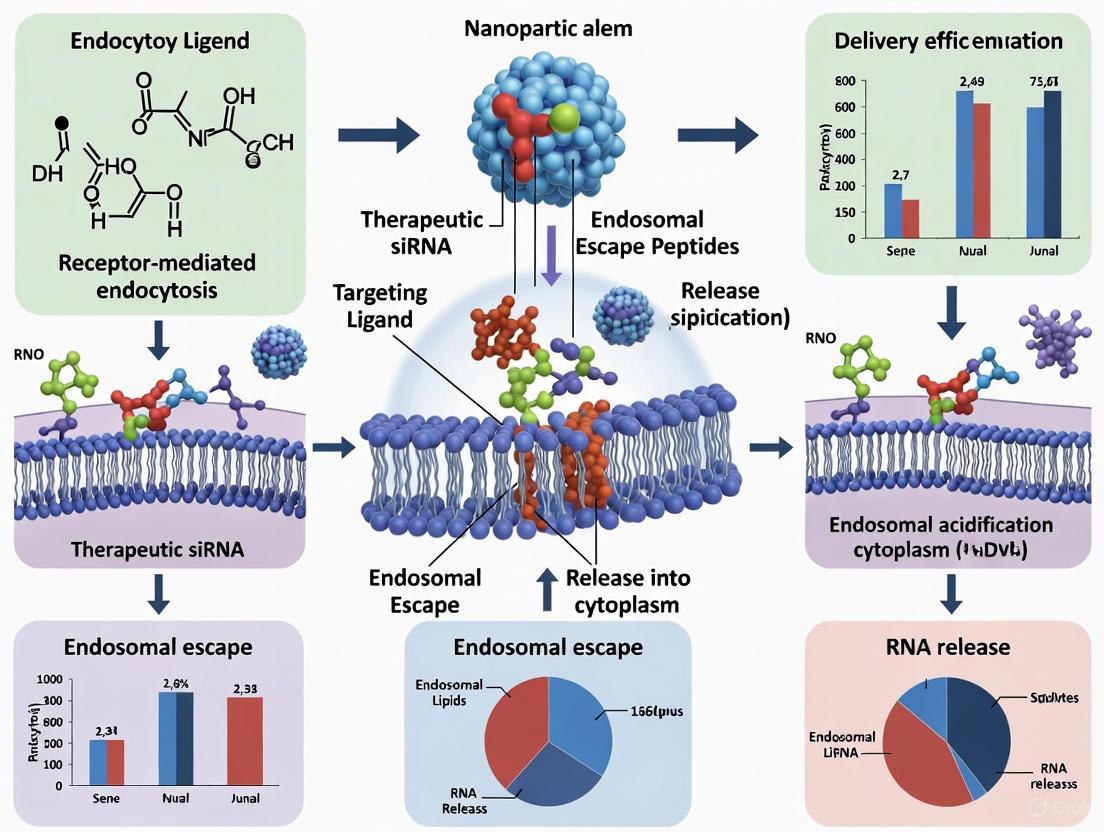
This article provides a comprehensive analysis of non-viral nanoparticle systems for targeted gene silencing, a rapidly advancing field poised to revolutionize the treatment of genetic disorders, cancers, and infectious diseases.
Non-Viral Nanoparticles for Gene Silencing: Overcoming Delivery Barriers in Therapeutic Development
Abstract
This article provides a comprehensive analysis of non-viral nanoparticle systems for targeted gene silencing, a rapidly advancing field poised to revolutionize the treatment of genetic disorders, cancers, and infectious diseases. Tailored for researchers, scientists, and drug development professionals, it synthesizes foundational principles, cutting-edge methodologies, and optimization strategies for lipid-based, polymer-based, and inorganic nanocarriers. The scope spans from exploring the mechanisms of RNA interference (RNAi) and key nanoparticle design considerations to reviewing preclinical and clinical applications across major disease areas. It further addresses critical challenges in stability, immunogenicity, and intracellular trafficking, while offering comparative validation of platform safety and efficacy. By integrating the latest research and market trends, this review serves as a technical resource for advancing non-viral gene therapies from bench to bedside.
The Foundation of Gene Silencing: RNAi Mechanisms and Nanoparticle Platforms
RNA interference (RNAi) is an evolutionarily conserved biological mechanism that mediates gene silencing by degrading messenger RNA (mRNA) molecules or inhibiting their translation. This process is orchestrated by small non-coding RNAs, primarily small interfering RNAs (siRNAs) and microRNAs (miRNAs) [1] [2]. The discovery of RNAi revolutionized molecular biology and therapeutic development, providing researchers with a powerful tool for targeted gene knockdown. Within the context of non-viral nanoparticle delivery systems for gene silencing, understanding the distinct mechanisms of siRNAs and miRNAs is paramount for designing effective therapeutic strategies. These RNA molecules can potentially silence any disease-causing gene, but their clinical application hinges on overcoming significant delivery challenges, which non-viral nanocarriers are specifically engineered to address [3] [4].
The therapeutic potential of RNAi is immense, particularly for targeting "undruggable" pathways that are inaccessible to conventional small molecules or antibody drugs. The first FDA-approved siRNA therapeutic, Patisiran (ONPATTRO), launched in 2018, validates this potential and has spurred significant interest in developing similar nucleic acid-based medicines [1] [3]. This application note details the core principles, mechanisms, and practical experimental approaches for utilizing siRNA and miRNA within gene silencing research, with a specific focus on integration with non-viral delivery platforms.
Comparative Mechanisms of siRNA and miRNA Action
Although siRNAs and miRNAs are both central to the RNAi pathway and share similarities as short RNA duplexes, their origins, mechanisms of action, and biological functions are distinct. A clear understanding of these differences is critical for selecting the appropriate molecular tool for a specific research or therapeutic objective.
siRNA: Exogenous Trigger for Targeted Silencing
siRNAs are typically exogenously introduced synthetic molecules designed to target a specific mRNA sequence with perfect complementarity. The mechanism of siRNA-mediated gene silencing is outlined in Figure 1 and involves a defined, sequential process [2] [5]:
- Dicer Processing: Long double-stranded RNA (dsRNA) precursors are cleaved by the RNase III enzyme Dicer into short siRNA duplexes, typically 21–23 nucleotides in length with 2-nucleotide overhangs on the 3' ends [5].
- RISC Loading: The siRNA duplex is loaded into the RNA-induced silencing complex (RISC). Within RISC, the complex is unwound, and the passenger (sense) strand is cleaved by the Argonaute 2 (AGO2) protein and discarded. The guide (antisense) strand is retained [6] [2].
- Target Cleavage: The guide strand directs RISC to a fully complementary mRNA sequence. The AGO2 component, possessing endonuclease ("slicer") activity, cleaves the target mRNA between nucleotides complementary to bases 10 and 11 of the guide strand [6] [5].
- mRNA Degradation: The cleaved mRNA fragments are released and rapidly degraded by cellular exonucleases, preventing translation and thus silencing the gene [5].
The high specificity of siRNAs, due to the requirement for perfect or near-perfect complementarity, makes them ideal therapeutic agents for selectively knocking down single, disease-causing genes, such as mutant alleles in dominant genetic disorders [6] [5].
miRNA: Endogenous Regulator for Broad Gene Networks
In contrast, miRNAs are endogenously encoded genome products that play a fundamental role in the post-transcriptional regulation of broad gene networks. A single miRNA can regulate hundreds of different mRNAs, enabling fine-tuning of complex biological processes [7] [8]. The miRNA biogenesis and mechanism pathway, depicted in Figure 2, involves both canonical and non-canonical pathways [7]:
- Transcription and Nuclear Processing: miRNA genes are transcribed by RNA polymerase II/III to produce primary miRNAs (pri-miRNAs). In the nucleus, the Microprocessor complex (Drosha-DGCR8) cleaves pri-miRNAs to release stem-loop structured precursor miRNAs (pre-miRNAs) [7] [8].
- Export and Cytoplasmic Processing: Pre-miRNAs are exported to the cytoplasm via Exportin-5. Here, Dicer cleaves the terminal loop, generating a transient miRNA duplex [7] [6].
- RISC Loading and Target Recognition: Similar to siRNAs, the miRNA duplex is loaded into the RISC (often referred to as miRISC). The passenger strand is typically degraded, and the mature guide strand directs miRISC to target mRNAs. However, miRNA-mRNA recognition occurs primarily through partial base-pairing, especially within the "seed region" (nucleotides 2-8 at the 5' end) [7] [6].
- Gene Silencing Mechanisms: Due to imperfect complementarity, AGO2-mediated cleavage is rare. Instead, gene silencing occurs predominantly through translational repression and mRNA destabilization. The miRISC recruits proteins like GW182, which initiates mRNA deadenylation, decapping, and subsequent exonucleolytic degradation [7] [9].
Aberrant miRNA expression is implicated in numerous diseases, particularly cancer, where they can function as either oncogenes (oncomiRs) or tumor suppressors (ts-miRs) [9]. Therapeutic strategies therefore involve either inhibiting overexpressed miRNAs using anti-miRs (antagomirs) or restoring the function of lost miRNAs using miRNA mimics [6].
Figure 1: siRNA Mechanism of Action Pathway. This diagram illustrates the sequential process from exogenous double-stranded RNA introduction to target mRNA degradation.
Figure 2: miRNA Biogenesis and Mechanism Pathway. This diagram details the endogenous pathway from genomic transcription to translational repression.
Comparative Analysis: siRNA vs. miRNA as Therapeutic Agents
The decision to use siRNA or miRNA in a research or therapeutic context depends on the biological question or clinical goal. Their fundamental differences are systematically compared in Table 1.
Table 1: Comparative Properties of siRNA and miRNA as Therapeutic Agents and Research Tools
| Property | siRNA (and miRNA mimics) | Endogenous miRNA |
|---|---|---|
| Origin | Exogenous (synthetically derived or from viral dsRNA) [6] [5] | Endogenous (transcribed from genomic DNA) [7] [8] |
| Primary Goal | Knock down a single, specific target gene [6] | Fine-tune the expression of a network of genes [7] [6] |
| Target Complementarity | Perfect or near-perfect match required [6] | Partial complementarity, primarily via seed region (nucleotides 2-8) [7] [6] |
| Mechanism of Action | AGO2-mediated cleavage of target mRNA [2] [5] | Translational repression, mRNA deadenylation/decapping, and degradation; rarely cleavage [7] [9] |
| Specificity | High specificity for a single mRNA target [6] | Lower specificity; regulates hundreds of mRNAs [7] [8] |
| Therapeutic Approach | siRNA drugs (e.g., Patisiran, Givosiran) [3] [4] | miRNA mimics (replacement) or antagomirs (inhibition) [6] |
| Key Challenge | Off-target effects (if sequence specificity is low) and efficient delivery [1] [2] | Potential for widespread unintended effects due to multi-target nature [6] |
Delivery Challenges and the Role of Non-Viral Nanoparticles
A paramount challenge in translating siRNA and miRNA therapeutics from bench to bedside is the development of safe and efficient delivery systems. Naked RNA molecules are unsuitable for systemic administration due to several formidable barriers, which non-viral nanoparticles are designed to overcome [3] [4].
The major barriers to RNAi therapeutic delivery include:
- Enzymatic Degradation: siRNAs and miRNAs are rapidly degraded by ubiquitous nucleases in biological fluids [3] [4].
- Membrane Impermeability: The strong negative charge and relatively large hydrodynamic size of RNA molecules prevent passive diffusion across the plasma membrane [3] [10].
- Renal Clearance: Small siRNA molecules are quickly filtered out and excreted by the kidneys, resulting in a short plasma half-life (<10 minutes) [4].
- Immune Activation: Certain siRNA sequences can trigger the innate immune system, leading to unintended inflammatory responses [6] [5].
- Off-Target Effects: siRNAs can inadvertently silence genes with partial sequence homology, while miRNAs can regulate a wide network of non-target genes [1] [6].
- Endosomal Entrapment: Even after cellular uptake, a majority of delivered RNA molecules remain trapped in endosomes and cannot reach the cytosol to engage the RISC machinery. This is often considered the single biggest bottleneck in the delivery cascade [3] [4].
Non-viral nanoparticle systems provide a versatile platform to address these challenges. They protect the RNA payload, enhance bioavailability, and facilitate targeted delivery to specific tissues and cells. Key categories of non-viral delivery systems include:
- Lipid-Based Nanoparticles (LNPs): The most clinically advanced platform, exemplified by Patisiran. LNPs typically contain ionizable cationic lipids that facilitate RNA encapsulation, promote endosomal escape, and are often formulated with PEG-lipids to enhance stability [3] [10].
- Polymer-Based Nanoparticles: Cationic polymers like polyethylenimine (PEI) can electrostatically complex with RNA to form polyplexes. However, due to cytotoxicity concerns, there is a strong shift towards biodegradable and non-cationic polymers (e.g., chitosan, cyclodextrin) for improved safety profiles [2] [4].
- Conjugate-Based Systems: A prominent example is the GalNAc-siRNA conjugate, where siRNA is covalently linked to N-acetylgalactosamine, a ligand for the asialoglycoprotein receptor (ASGPR) highly expressed on hepatocytes. This enables highly efficient and targeted liver delivery without the need for a complex nanoparticle [3] [4].
- Biomimetic and Inorganic Nanoparticles: Emerging systems include exosomes, which are natural vesicular carriers with low immunogenicity, and inorganic nanoparticles like gold or porous silica, which offer tunable properties for controlled release [3] [4].
Experimental Protocols for RNAi Research
This section provides detailed methodologies for key experiments in RNAi research, emphasizing the use of non-viral delivery systems.
Protocol: Formulating siRNA-Loaded Lipid Nanoparticles (LNPs)
This protocol adapts methods used in the development of clinically approved siRNA drugs like Patisiran for in vitro and pre-clinical studies [3] [10].
Research Reagent Solutions:
- Ionizable Cationic Lipid: e.g., DLin-MC3-DMA (facilitates RNA complexation and endosomal escape).
- Helper Lipid: e.g., Distearoylphosphatidylcholine (DSPC) (stabilizes the LNP bilayer).
- Cholesterol: Enhances the stability and fusogenicity of the LNP.
- PEGylated Lipid: e.g., DMG-PEG 2000 (controls nanoparticle size and improves colloidal stability).
- siRNA Solution: 1-2 mg/mL in sodium acetate buffer (pH 4.0).
- Ethanol and Acetate Buffer: For the aqueous and organic phases.
Procedure:
- Prepare Lipid Mixture: Combine the ionizable cationic lipid, DSPC, cholesterol, and PEG-lipid at a molar ratio (e.g., 50:10:38.5:1.5) in ethanol. Warm slightly to ensure all lipids are fully dissolved.
- Prepare Aqueous Phase: Dilute the siRNA to the desired concentration in a sodium acetate buffer (25 mM, pH 4.0).
- Nanoparticle Formation: Use a microfluidic device or a rapid mixing apparatus. Simultaneously inject the ethanolic lipid solution and the aqueous siRNA solution at a controlled flow rate (e.g., 1:3 volumetric ratio) into a mixing chamber. Turbulent flow mixing results in the instantaneous self-assembly of siRNA-loaded LNPs.
- Dialyze and Filter: Dialyze the resulting LNP suspension against a large volume of PBS (pH 7.4) for at least 4 hours at 4°C to remove ethanol and exchange the buffer. Subsequently, sterilize the formulation by passing it through a 0.22 µm filter.
- Characterization: Determine particle size and polydispersity index (PDI) via Dynamic Light Scattering (DLS), zeta potential via Electrophoretic Light Scattering, and siRNA encapsulation efficiency using a dye-binding assay like RiboGreen.
Protocol: In Vitro Gene Silencing Assay Using siRNA/miRNA Mimics
This protocol outlines the steps to assess the efficacy of delivered RNAi triggers in a cell culture model [6] [2].
Research Reagent Solutions:
- siRNA or miRNA Mimic: Synthetic RNA duplex designed against your target gene or to mimic an endogenous miRNA.
- Transfection Reagent: A commercial lipid-based (e.g., Lipofectamine RNAiMAX) or polymer-based reagent. Alternatively, your formulated nanoparticles.
- Cell Line: A relevant cell line expressing the target gene (e.g., HepG2 for liver-targeting studies).
- qRT-PCR Reagents: Primers for target mRNA and a housekeeping gene (e.g., GAPDH, β-actin).
- Western Blot Reagents: Antibodies against the target protein and a loading control protein (e.g., β-actin).
Procedure:
- Cell Seeding: Seed cells in a 24-well or 12-well plate to reach 60-70% confluency at the time of transfection (typically 18-24 hours later).
- Complex/Nanoparticle Preparation:
- For commercial reagents: Dilute siRNA/mimic in a serum-free medium. In a separate tube, dilute the transfection reagent. Combine the two, incubate for 15-20 minutes to allow complex formation, and then add drop-wise to cells.
- For custom nanoparticles: Dilute the nanoparticle formulation to the desired siRNA concentration in serum-free or complete medium.
- Transfection: Aspirate the old medium from the cells, add the complex/nanoparticle mixture, and incubate for 4-6 hours before replacing it with fresh complete medium.
- Incubation: Incubate cells for 48-72 hours to allow for sufficient mRNA turnover and protein degradation.
- Efficacy Analysis:
- mRNA Level Analysis (qRT-PCR): At 48 hours post-transfection, isolate total RNA. Reverse transcribe into cDNA and perform qPCR. Calculate the percentage of gene knockdown using the 2^(-ΔΔCt) method relative to a negative control siRNA.
- Protein Level Analysis (Western Blot): At 72 hours post-transfection, lyse cells and extract total protein. Separate proteins by SDS-PAGE, transfer to a membrane, and probe with specific antibodies. Densitometric analysis quantifies the silencing efficiency at the protein level.
Protocol: Assessing Delivery Efficiency and Cytotoxicity
Research Reagent Solutions:
- Fluorescently-Labeled RNA: e.g., Cy5-labeled siRNA or miRNA mimic.
- Flow Cytometry Buffer: PBS containing 1-2% FBS.
- MTS/MTT Reagent: Cell proliferation colorimetric assay kit.
- Fixative: 4% paraformaldehyde (PFA) in PBS.
- Mounting Medium with DAPI: For nuclear counterstaining.
Procedure for Cellular Uptake (Flow Cytometry):
- Treat cells with nanoparticles loaded with fluorescently-labeled RNA as in Section 5.2.
- After the desired incubation time (e.g., 4-24 hours), wash cells with PBS, trypsinize, and resuspend in flow cytometry buffer.
- Analyze cells using a flow cytometer, gating on live cells and measuring the fluorescence intensity of the labeled RNA. Compare with untreated cells to determine the percentage of positive cells and mean fluorescence intensity.
Procedure for Cytotoxicity (MTS Assay):
- Seed cells in a 96-well plate and treat with a range of nanoparticle concentrations.
- After 24 or 48 hours, add the MTS reagent directly to the culture medium and incubate for 1-4 hours.
- Measure the absorbance at 490 nm using a plate reader. Cell viability is expressed as a percentage of the absorbance in untreated control cells.
The Scientist's Toolkit: Essential Reagents for RNAi Research
Table 2: Key Research Reagent Solutions for RNAi Experiments
| Reagent / Material | Function / Application | Examples & Notes |
|---|---|---|
| Synthetic siRNA / miRNA Mimic | The active RNAi trigger molecule for gene knockdown or mimicry. | Chemically modified (e.g., 2'-O-methyl, phosphorothioate) for enhanced nuclease stability and reduced immunogenicity [1] [2]. |
| Ionizable Cationic Lipids | Key component of LNPs for encapsulating RNA and enabling endosomal escape. | DLin-MC3-DMA, SM-102. Critical for in vivo efficacy [3] [10]. |
| GalNAc Conjugation Ligand | Enables receptor-mediated uptake of siRNA into hepatocytes. | Used in approved drugs (Givosiran, Inclisiran). Ideal for liver-targeted therapies without a complex nanoparticle [3] [4]. |
| Polyethylenimine (PEI) | A cationic polymer that condenses RNA into polyplexes via electrostatic interaction. | High transfection efficiency but associated with cytotoxicity. Branched PEI (25 kDa) is commonly used [2] [4]. |
| Commercial Transfection Reagent | For rapid in vitro screening of siRNA/miRNA mimic efficacy. | Lipofectamine RNAiMAX, DharmaFECT. Optimized for high efficiency and low cytotoxicity in cell culture [2]. |
| RiboGreen Assay Kit | Quantifies the encapsulation efficiency of RNA within nanoparticles. | RNA bound to nanoparticles is shielded from the dye, allowing differential quantification of free vs. encapsulated RNA [10]. |
| Dynamic Light Scattering (DLS) Instrument | Characterizes the hydrodynamic diameter, polydispersity (PDI), and zeta potential of nanoparticles. | Essential for quality control of formulated nanoparticles. Size should typically be <150 nm for effective in vivo delivery [3] [4]. |
Gene silencing represents a transformative therapeutic strategy for treating genetic disorders, malignancies, and infectious diseases by specifically modulating the expression of target genes. The success of these approaches is fundamentally dependent on the delivery vectors that transport therapeutic nucleic acids into target cells. While viral vectors have historically dominated clinical applications due to their high transduction efficiency, non-viral nanoparticle systems have emerged as powerful alternatives offering distinct advantages in safety, packaging capacity, and manufacturing scalability [11] [12]. This Application Note examines the key advantages of non-viral over viral vectors within the context of gene silencing research, providing structured comparative data, detailed experimental protocols, and essential resource guidance to facilitate their implementation in therapeutic development.
Comparative Analysis: Non-Viral vs. Viral Vectors
Key Advantage Comparison
The selection between viral and non-viral delivery systems involves critical trade-offs across multiple parameters. The table below summarizes the fundamental differences, highlighting the distinctive advantages of non-viral platforms.
Table 1: Comprehensive Comparison of Viral vs. Non-Viral Vector Systems
| Parameter | Viral Vectors (AAV, LV) | Non-Viral Vectors (LNPs, Polymers) |
|---|---|---|
| Safety Profile | Risk of insertional mutagenesis [13]; immunogenicity concerns [12] | Low immunogenicity; no genomic integration [11] [14] |
| Cargo Capacity | Limited (~4.7-8 kb) [13] [15] | Large (>10 kb, up to 22 kb reported) [15] [14] |
| Manufacturing Complexity | Complex, costly, difficult to scale [13] [12] | Scalable, cost-effective, standardized chemical synthesis [16] [14] |
| Transfection Efficiency | High (evolved cellular entry mechanisms) [12] | Variable; lower than viral but improving with new formulations [15] [12] |
| Immune Response | Can trigger both innate and adaptive immunity [12] | Generally low; allows for repeated administration [11] [14] |
| Payload Flexibility | Primarily for DNA; limited mRNA capability [15] | Versatile (DNA, mRNA, siRNA, CRISPR components) [11] [17] |
| Development & Timeline | Extensive characterization required | Potentially streamlined, especially with approved components [14] |
Quantitative Market and Growth Data
The growing adoption of non-viral delivery platforms is reflected in market trends and manufacturing capacities, indicating a significant shift in industry focus and investment.
Table 2: Market and Manufacturing Data for Gene Delivery Vectors
| Metric | Viral Vectors | Non-Viral Vectors |
|---|---|---|
| Approved Therapies (Global) | 29 of 35 approved vector-based therapies [13] | 31 approved RNA therapies (e.g., Onpattro, mRNA vaccines) [18] |
| Manufacturing Cost & Scale | High cost, complex scale-up [12] | Lower cost, rapidly scalable (e.g., COVID-19 vaccine production) [14] |
| Market Growth & Value | Dominant current market share | NVGDT market: ~$3.8B (2024) to ~$12.2B (2034) [18] |
| Global Manufacturing Capacity | ~65% of installed gene therapy capacity [16] | Growing number of dedicated CMOs and technologies [16] |
| Primary Application Areas | In vivo gene therapy (e.g., Luxturna, Zolgensma) [13] | Vaccines, siRNA therapy, in vivo gene editing [11] [13] |
Enhanced Safety Profile
The superior safety profile of non-viral vectors constitutes a primary advantage for clinical translation. Unlike viral vectors, which pose risks of insertional mutagenesis (e.g., observed in some lentiviral therapies [13]) and can elicit robust immunogenic responses that compromise efficacy and safety, non-viral systems present minimal risks. Synthetic non-viral vectors, such as lipid nanoparticles (LNPs) and polymeric nanoparticles, do not integrate into the host genome and exhibit significantly lower immunogenicity [11] [14]. This enhanced safety profile enables repeatable administration, a critical feature for chronic conditions, which is often not feasible with viral vectors due to the development of neutralizing antibodies [14].
Expanded Cargo Capacity and Flexibility
Non-viral vectors offer substantially larger cargo capacity compared to viral counterparts. While adeno-associated viruses (AAVs) are constrained to ~4.7 kilobases (kb) and lentiviruses to ~8 kb, non-viral systems can accommodate payloads exceeding 10 kb, with some reports up to 22 kb [15] [14]. This expansive capacity is crucial for delivering large genetic constructs, multiple genetic elements, or complex gene-editing machinery. Furthermore, non-viral platforms demonstrate unparalleled payload versatility, efficiently encapsulating and delivering diverse nucleic acid types including plasmid DNA (pDNA), messenger RNA (mRNA), small interfering RNA (siRNA), microRNA (miRNA), and CRISPR-Cas9 components (ribonucleoproteins, mRNA, or plasmid DNA) [11] [17]. This flexibility makes them ideal for a wide spectrum of gene silencing and editing applications.
Simplified Manufacturing and Scalability
Manufacturing represents a significant differentiator between vector platforms. Viral vector production involves complex biological systems, costly cell culture processes, and challenging purification steps, leading to high production costs and limited scalability [13] [12]. In contrast, non-viral vectors, particularly LNPs, are produced through standardized chemical synthesis and microfluidic mixing processes that are highly reproducible, scalable, and cost-effective [14]. The successful global scale-up of LNP production for mRNA COVID-19 vaccines demonstrated the robust manufacturability of non-viral systems, achieving unprecedented volumes while maintaining high quality and batch consistency [13] [14]. This streamlined manufacturing pathway facilitates faster clinical development and broader patient access.
Experimental Protocol: Formulating siRNA-Loaded Lipid Nanoparticles
This section provides a detailed methodology for preparing, purifying, and characterizing lipid nanoparticles (LNPs) loaded with siRNA for gene silencing applications, utilizing a scalable microfluidic mixing technique.
Diagram 1: LNP Formulation Workflow. This diagram outlines the key steps in preparing siRNA-loaded lipid nanoparticles via microfluidic mixing.
Reagents and Materials
Table 3: Essential Reagents for LNP Formulation
| Reagent/Material | Function/Description | Example/Note |
|---|---|---|
| Ionizable Cationic Lipid | Encapsulates nucleic acid; promotes endosomal escape [15] | e.g., DLin-MC3-DMA (Onpattro) [17] |
| Helper Phospholipid | Enhances bilayer structure and fusogenicity | Dioleoylphosphatidylethanolamine (DOPE) [15] |
| Cholesterol | Stabilizes lipid bilayer and enhances in vivo stability | Pharmaceutical grade >99% purity |
| PEGylated Lipid | Provides stealth properties, reduces aggregation, modulates PK | DMG-PEG or DSG-PEG [15] |
| Therapeutic siRNA | Gene silencing active ingredient | Target-specific, HPLC purified |
| Microfluidic Device | Enables rapid, reproducible mixing for LNP self-assembly | e.g., NanoAssemblr, staggered herringbone mixer |
Step-by-Step Procedure
- Lipid Phase Preparation: Dissolve the lipid mixture (ionizable lipid, phospholipid, cholesterol, and PEG-lipid) at a defined molar ratio (e.g., 50:10:38.5:1.5 mol%) in pure ethanol to a total lipid concentration of 10-20 mM. Warm gently if necessary to ensure complete dissolution [15] [17].
- Aqueous Phase Preparation: Dissolve the siRNA in a suitable aqueous buffer (e.g., 10 mM citrate or acetate buffer, pH 4.0) at a concentration that achieves the desired Nitrogen-to-Phosphate (N:P) ratio, typically in the range of 3:1 to 6:1. The acidic pH promotes ionization of the cationic lipid, enhancing siRNA encapsulation [15].
- Microfluidic Mixing:
- Load the lipid and aqueous phases into separate syringes.
- Set up the microfluidic device according to manufacturer instructions.
- Pump the two phases at a controlled flow rate (typically a total flow rate of 10-20 mL/min) and a fixed flow rate ratio (e.g., 3:1 aqueous-to-ethanol ratio) to ensure rapid mixing and uniform nanoparticle formation [14].
- Collect the resulting LNP suspension in a receiving vessel.
- Incubation and Particle Formation: Allow the collected LNP suspension to incubate at room temperature for 30-60 minutes to ensure proper maturation and stabilization of the nanoparticles.
- Buffer Exchange and Purification:
- Use tangential flow filtration (TFF) or dialysis against a larger volume of phosphate-buffered saline (PBS), pH 7.4, to remove the ethanol, exchange the buffer, and concentrate the final LNP product.
- Alternatively, perform dialysis using a membrane with an appropriate molecular weight cutoff (MWCO).
- Sterile Filtration: Pass the purified LNP formulation through a sterile 0.22 µm filter into a sterile vial under aseptic conditions.
Quality Control and Characterization
Diagram 2: LNP Quality Control Workflow. This diagram illustrates the key analytical techniques used for characterizing the physical properties of the final LNP product.
- Particle Size and Polydispersity (PDI): Analyze by Dynamic Light Scattering (DLS). Aim for a mean hydrodynamic diameter of 60-100 nm with a PDI < 0.2, which is optimal for cellular uptake and endosomal escape pathways [15].
- Zeta Potential: Measure in neutral pH buffer (e.g., 10 mM NaCl). A slightly negative to neutral surface charge (approximately -10 to +10 mV) is desirable for reduced non-specific binding and lower cytotoxicity [15].
- siRNA Encapsulation Efficiency (EE): Quantify using a dye-binding assay (e.g., RiboGreen). Mix the LNPs with and without a detergent (Triton X-100). The difference in fluorescence between the detergent-disrupted (total siRNA) and intact (free siRNA) samples allows calculation of EE. Target >90% encapsulation [17].
- Structural Morphology: Visualize using Cryo-Electron Microscopy (Cryo-EM) to confirm a uniform spherical or electron-dense core-shell structure.
Successful implementation of non-viral gene delivery requires access to high-quality specialized reagents and technologies. The following table catalogs essential solutions for research and development.
Table 4: Essential Research Reagents and Resources for Non-Viral Gene Delivery
| Category / Product | Key Function in Research | Research Application Example |
|---|---|---|
| Ionizable Lipids | Core structural component of LNPs; binds nucleic acids and facilitates endosomal escape [15] | Screening novel ionizable lipids (e.g., SM-102, ALC-0315) for improved potency and reduced toxicity |
| Polymeric Vectors (e.g., PEI, PLGA) | Cationic polymers complex nucleic acids; biodegradable polymers allow sustained release [12] [17] | Polyplex formation with plasmid DNA for in vitro transfection; PLGA nanoparticles for controlled release of ASOs |
| Microfluidic Instruments | Enables reproducible, scalable nanomanufacturing with high encapsulation efficiency [14] | Rapid prototyping of LNP formulations with varying lipid compositions and payloads |
| Targeting Ligands | Conjugated to nanoparticle surface to enable cell-specific delivery [15] [17] | Functionalizing LNPs with GalNAc for hepatocyte targeting [13] or with peptides for tumor targeting |
| Analytical Standards | Benchmark for sizing, quantification, and stability assessment | Calibrating DLS and NTA instruments; ensuring inter-experimental reproducibility |
Non-viral nanoparticle delivery systems represent a paradigm shift in gene silencing therapeutics, offering a compelling combination of enhanced safety, expanded cargo capacity, and scalable manufacturing that addresses critical limitations of viral vector platforms. The structured data and detailed protocols provided in this Application Note equip researchers and drug development professionals with the foundational knowledge to leverage these advanced systems. As the field progresses, ongoing innovation in vector engineering—particularly in targeting specificity and intracellular trafficking efficiency—is poised to further solidify the role of non-viral vectors in realizing the full potential of gene-based medicines.
Gene silencing represents a transformative therapeutic strategy for treating genetic disorders, malignancies, and infectious diseases by selectively inhibiting the expression of disease-causing genes [11]. The clinical translation of nucleic acid-based therapeutics, particularly small interfering RNA (siRNA), hinges on the development of safe and efficient delivery vectors [19]. While viral vectors demonstrate high transfection efficiency, their clinical application faces significant challenges including immunogenicity, insertional mutagenesis risks, and manufacturing complexities [11] [20].
Non-viral nanoparticle systems have emerged as promising alternatives, offering superior safety profiles, scalable manufacturing, and structural flexibility for accommodating various nucleic acid sizes [11] [19]. These nanocarriers protect genetic payloads from enzymatic degradation, enhance cellular uptake, and facilitate intracellular release, thereby addressing critical barriers in gene delivery [19]. This application note provides a comprehensive technical overview of the three major classes of non-viral nanoparticles—lipid, polymer, and inorganic systems—within the context of gene silencing research, featuring structured protocols, quantitative comparisons, and practical implementation guidelines for research scientists and drug development professionals.
Major Nanoparticle Classes: Composition and Characteristics
Table 1: Comparative Analysis of Major Non-Viral Nanoparticle Systems for Gene Silencing
| Parameter | Lipid Nanoparticles (LNPs) | Polymeric Nanoparticles | Inorganic Nanoparticles |
|---|---|---|---|
| Composition | Ionizable lipids, phospholipids, cholesterol, PEG-lipids [21] | Polyethyleneimine (PEI), PLGA, chitosan, dendrimers [19] [22] | Gold, silica, iron oxide, carbon-based materials [19] |
| Loading Mechanism | Electrostatic complexation, encapsulation [21] | Electrostatic complexation (polyplexes), encapsulation [19] | Surface adsorption, covalent conjugation [19] |
| Typical Size Range | 50-150 nm [21] | 50-200 nm [22] | 10-100 nm [19] |
| Surface Charge | Slightly positive to neutral [21] | Positive (cationic polymers) [19] | Variable based on surface modification [19] |
| Key Advantages | Clinical validation, high encapsulation efficiency, self-assembly [11] [21] | Structural versatility, controlled release, tunable degradation [19] [22] | Precise morphology control, multifunctionality, unique physical properties [19] |
| Primary Limitations | Limited organ targeting beyond liver, potential cytotoxicity [21] | Variable transfection efficiency, polymer-specific toxicity [19] [22] | Potential long-term accumulation, biodegradability concerns [19] |
| Clinical Status | Multiple approved products (Onpattro, COVID-19 vaccines) [21] [20] | Several in preclinical and clinical development [22] | Predominantly preclinical research stage [19] |
Lipid-Based Nanoparticles
Lipid nanoparticles represent the most clinically advanced non-viral gene delivery platform, with demonstrated success in delivering siRNA, mRNA, and other nucleic acids [11] [21]. The canonical LNP structure comprises four key components: ionizable lipids (e.g., Dlin-MC3-DMA, ALC-0315), phospholipids (e.g., DSPC, DOPE), cholesterol, and PEG-lipids [21]. The ionizable lipids are particularly crucial as they enable efficient encapsulation of nucleic acids through electrostatic interactions at low pH and facilitate endosomal escape through the proton sponge effect [21]. Recent innovations include the development of lipid-polymer hybrid nanoparticles (LPNPs) that combine the biocompatibility of lipids with the structural versatility of polymers [21].
Polymer-Based Nanoparticles
Polymeric nanoparticles offer exceptional structural flexibility and functionalization capacity for gene delivery applications [19] [22]. Cationic polymers such as polyethyleneimine (PEI) and chitosan spontaneously complex with negatively charged nucleic acids through electrostatic interactions, forming stable polyplexes [19] [22]. The density and distribution of amine groups in these polymers directly influence their nucleic acid binding capacity, buffering capability for endosomal escape, and resultant cytotoxicity [22]. Natural polymers like chitosan and gelatin offer superior biocompatibility, while synthetic polymers including PLGA and dendrimers provide precise control over molecular architecture and degradation kinetics [19]. Surface modification with targeting ligands (e.g., peptides, antibodies) and PEGylation further enhance tumor targeting and circulation half-life, respectively [22].
Inorganic Nanoparticles
Inorganic nanoparticles provide unique advantages for gene delivery applications, including precise control over size, shape, and surface chemistry, along with distinctive magnetic, optical, and electronic properties that enable multifunctional applications [19]. Mesoporous silica nanoparticles offer high surface area and tunable pore structures for efficient nucleic acid loading [19]. Gold nanoparticles provide versatile surface functionalization through thiol chemistry and can serve as photothermal mediators for triggered release [19]. Magnetic nanoparticles enable guided delivery under external magnetic fields and can function as contrast agents for imaging [19]. However, potential long-term toxicity and biodegradability remain significant considerations for clinical translation of inorganic nanocarriers [19].
Experimental Protocols
Protocol 1: Formulation and Optimization of siRNA-Loaded Lipid Nanoparticles
This protocol describes the systematic development and optimization of siRNA-loaded LNPs using response surface methodology (RSM) for efficient gene silencing in cancer cells, adapted from established methodologies [21].
Materials:
- Ionizable lipids (Dlin-MC3-DMA, ALC-0315)
- Phospholipids (DOPE, DSPC)
- Cholesterol
- PEG-lipid
- siRNA targeting gene of interest
- Ethanol and citrate buffer (pH 4.0)
- Dialysis membranes (MWCO 10-20 kDa)
- Dynamic Light Scattering (DLS) instrument
- MDA-MB-231 breast cancer cells
Procedure:
- Experimental Design: Utilize Design Expert software or similar statistical package to create a design matrix varying mole fractions of phospholipid, ionizable lipid, cholesterol, and PEG-lipid while maintaining total lipid concentration constant [21].
- Nanoparticle Formation: Prepare lipid stock solutions in ethanol and combine according to experimental design ratios. Rapidly mix lipid solution with siRNA in citrate buffer (pH 4.0) using microfluidic mixing or rapid pipetting at 1:3 volumetric ratio [21].
- Dialyze: Dialyze the formed LNPs against PBS (pH 7.4) for 24 hours at 4°C to remove ethanol and establish neutral pH.
- Characterization: Determine particle size, polydispersity index (PDI), and zeta potential using DLS. Measure siRNA encapsulation efficiency using Ribogreen assay.
- In Vitro Evaluation:
- Cellular Uptake: Treat MDA-MB-231 cells with Cy3-labeled siRNA-LNPs (50 nM siRNA) for 4 hours. Analyze internalization by flow cytometry measuring mean fluorescence intensity and percentage of fluorescent-positive cells [21].
- Gene Silencing Efficiency: Transfert MDA-MB-231-GFP cells with GFP-targeting siRNA-LNPs. Quantify GFP expression reduction after 48 hours using flow cytometry [21].
- Cytotoxicity Assessment: Measure cell viability 24-48 hours post-treatment using MTT or CellTiter-Glo assays [21].
Optimization Notes: Statistical analysis of multiple formulation parameters against Critical Quality Attributes (CQAs) enables identification of optimal composition. In breast cancer models, formulations containing DOPE and Dlin-MC3-DMA often demonstrate superior silencing efficiency compared to those with DSPC and ALC-0315 [21].
Protocol 2: Preparation of Tumor-Targeted Polymeric Nanoparticles for Survivin siRNA Delivery
This protocol details the preparation of ligand-functionalized polymeric nanoparticles for targeted delivery of survivin siRNA (siSurvivin) to tumor cells, leveraging the enhanced permeability and retention (EPR) effect and receptor-mediated endocytosis [22].
Materials:
- Branched polyethyleneimine (PEI, 10-25 kDa)
- PLGA (50:50 lactide:glycolide)
- DSPE-PEG2000-maleimide
- Targeting peptide (e.g., RGD, GE11)
- Survivin siRNA
- Dimethyl sulfoxide (DMSO)
- MES buffer (pH 6.5)
- Amicon Ultra centrifugal filters (MWCO 10 kDa)
Procedure:
- Polymer Functionalization:
- Conjugate targeting ligand to DSPE-PEG2000-maleimide via thiol-maleimide chemistry in MES buffer (2 hours, room temperature).
- Purify conjugate using centrifugal filtration.
- Nanoparticle Preparation:
- Dissolve PLGA in DMSO (10 mg/mL).
- Prepare PEI-siRNA complexes at N/P ratio of 10 in nuclease-free water (incubate 30 minutes).
- Add PEI-siRNA complex to PLGA solution under gentle vortexing.
- Incorporate ligand-PEG-DSPE (1-2 mol% of total polymer).
- Dialyze against PBS (pH 7.4) for 24 hours to remove organic solvent.
- Characterization: Determine particle size, PDI, and zeta potential. Confirm ligand presence via X-ray photoelectron spectroscopy or ELISA.
- In Vitro Validation:
- Cellular Uptake: Treat survivin-overexpressing cancer cells with Cy3-siSurvivin nanoparticles with/without targeting ligand. Quantify uptake by flow cytometry and confocal microscopy.
- Gene Silencing: Measure survivin mRNA levels by qRT-PCR and protein expression by western blotting 48-72 hours post-treatment.
- Functional Assessment: Evaluate apoptosis induction (Annexin V staining) and inhibition of cell proliferation (MTS assay).
Technical Notes: The N/P ratio (amine-to-phosphate groups) critically influences nanoparticle properties. Higher N/P ratios typically enhance complex stability and transfection efficiency but may increase cytotoxicity. Incorporating pH-sensitive polymers (e.g., histidine-modified PEI) can improve endosomal escape and silencing efficacy [22].
Pathway Diagrams and Mechanisms
Diagram 1: Intracellular trafficking pathway of siRNA-loaded nanoparticles for gene silencing. Nanoparticles enter cells via receptor-mediated endocytosis, escape from endosomes through proton sponge effect or membrane fusion, release siRNA for RISC loading, and mediate sequence-specific mRNA cleavage.
Diagram 2: Systematic workflow for development and optimization of non-viral nanoparticle systems for gene silencing, featuring iterative formulation refinement based on characterization and biological assessment data.
Research Reagent Solutions
Table 2: Essential Research Reagents for Non-Viral Nanoparticle Gene Silencing Studies
| Reagent Category | Specific Examples | Research Application | Key Considerations |
|---|---|---|---|
| Ionizable Lipids | Dlin-MC3-DMA, ALC-0315, SM-102 [21] | LNP core structure for nucleic acid encapsulation and endosomal escape | pKa optimization (6.2-6.5) crucial for in vivo performance; influences hepatotropism |
| Structural Lipids | DSPC, DOPE, Cholesterol [21] | LNP stability, membrane fusion, and bilayer structure | DOPE enhances endosomal escape; cholesterol stabilizes bilayer structure |
| Cationic Polymers | Polyethyleneimine (PEI), Chitosan, PAMAM dendrimers [19] [22] | Nucleic acid complexation via electrostatic interactions | Molecular weight and branching affect transfection efficiency and cytotoxicity; PEI 10-25kDa optimal balance |
| Biodegradable Polymers | PLGA, PLA, PCL [19] | Controlled release applications, FDA-approved materials | Degradation rate adjustable via monomer ratio; acidic degradation products may affect nucleic acid stability |
| Surface Modifiers | PEG-lipids, DSPE-PEG [21] [22] | Stealth properties, circulation half-life extension, ligand conjugation | PEG length and density affect pharmacokinetics; potential for anti-PEG immunity with repeated dosing |
| Targeting Ligands | Peptides (RGD, GE11), Antibodies, Aptamers [22] | Active targeting to specific cell types or tissues | Ligand density optimization critical to avoid "binding-site barrier" effect |
| Characterization Tools | Dynamic Light Scattering, Ribogreen Assay, Gel Electrophoresis [21] | Nanoparticle physicochemical characterization and encapsulation efficiency | Size, PDI, zeta potential standard metrics; Ribogreen provides accurate encapsulation efficiency |
The field of non-viral nanoparticle-mediated gene silencing continues to evolve rapidly, with lipid-based systems achieving clinical validation and polymeric/inorganic platforms demonstrating promising preclinical results. Current research focuses on overcoming persistent challenges in organ-selective targeting, endosomal escape efficiency, and manufacturing scalability [11] [19]. Emerging strategies include the development of bioengineered nanovesicles with enzyme-controlled membrane fusion capabilities [23], stimulus-responsive systems that release payloads in response to tumor microenvironment cues [22], and hybrid platforms that combine advantageous properties of multiple material classes [21].
The ongoing expansion of the gene silencing market, projected to reach USD 35.77 billion by 2034, reflects substantial investment and innovation in this sector [24]. For research scientists and drug development professionals, systematic formulation optimization using design of experiments methodology, comprehensive physicochemical characterization, and rigorous biological validation remain essential for advancing novel nanocarriers from benchtop to bedside. The integration of computational modeling, high-throughput screening, and artificial intelligence in nanoparticle design promises to accelerate the development of next-generation gene silencing therapeutics with enhanced precision and efficacy.
Market Trajectory and Growth Drivers in the Non-Viral Gene Delivery Sector
The field of non-viral gene delivery represents a rapidly advancing segment of biotechnology, crucial for the development of next-generation therapeutic modalities. These technologies utilize synthetic or physical methods—such as nanoparticles, electroporation, and chemical vectors—to transport genetic material into host cells, offering a safer and more controllable alternative to viral vectors [25]. The global market for these technologies is experiencing robust growth, projected to expand from USD 3.95 billion in 2024 to approximately USD 12.6 billion by 2034, reflecting a compound annual growth rate (CAGR) of 12.3% [25]. This growth is largely driven by the success of mRNA-based vaccines, increasing demand for gene therapies, and the necessity for scalable and re-dosable delivery systems that avoid the immunogenic risks associated with viral vectors [26] [25]. This document provides a detailed market and technical analysis for researchers and drug development professionals, framing the content within the broader thesis of using non-viral nanoparticle systems for gene silencing research.
The non-viral gene delivery technologies market is characterized by strong growth dynamics and a shifting competitive landscape, influenced by technological breakthroughs and increasing therapeutic applications. The following tables provide a detailed quantitative breakdown of the market trajectory and key regional trends.
Table 1: Global Non-Viral Gene Delivery Technologies Market Size and Forecast
| Metric | 2024 Value | 2025 Value (Projected) | 2034 Value (Projected) | CAGR (2025-2034) |
|---|---|---|---|---|
| Global Market Size | USD 3.95 Billion [25] | USD 4.44 Billion [25] | USD 12.6 Billion [25] | 12.3% [25] |
| U.S. Market Size | USD 1.2 Billion [25] | - | USD 4.0 Billion [25] | 11.56% [25] |
| Alternative Global Estimate | USD 3.8 Billion [18] | USD 4.27 Billion [18] | USD 12.22 Billion [18] | 12.39% [18] |
Table 2: Regional Market Dynamics and Key Characteristics
| Region | Market Share & Growth | Key Characteristics & Drivers |
|---|---|---|
| North America | Dominated the market in 2024 [25]. | Advanced R&D ecosystem; favorable FDA regulatory pathways; presence of leading biotech companies (e.g., Moderna, Intellia Therapeutics); high adoption of innovative genetic technologies [26] [25]. |
| Asia Pacific | Expected to grow at the fastest rate [18] [25]. | Increasing biotech investments; favorable government policies (e.g., China's 14th Five-Year Plan); large patient population; rising healthcare awareness; expanding clinical trial activities [26] [25]. |
| Europe | Significant market presence. | Strong academic research base and strategic partnerships between industry and startups, particularly in polymer-based carrier development [25]. |
Key Growth Drivers and Market Opportunities
The expansion of the non-viral gene delivery sector is underpinned by several powerful drivers and emerging opportunities that guide research and investment.
Rising Demand for Safe and Scalable Gene Therapies: A primary market driver is the critical need for safe, scalable, and re-dosable delivery systems in gene therapy [25]. Non-viral methods, particularly lipid nanoparticles (LNPs), circumvent the limitations of viral vectors, such as limited payload capacity, immune response risks, and complex manufacturing. The scalability of LNP systems, demonstrated during the global rollout of COVID-19 mRNA vaccines, proves their suitability for commercial-level therapeutic manufacturing [25].
Expansion of mRNA-Based Therapeutics Beyond Vaccines: The success of mRNA vaccines unlocked a transformative opportunity for mRNA applications in oncology, rare genetic disorders, and cardiovascular diseases [25]. The flexibility and safety of non-viral systems make them ideal for delivering mRNA in personalized cancer vaccines, protein replacement therapies, and in vivo genome editing, creating a robust pipeline for future growth [25].
Integration with CRISPR Gene Editing: The emergence of CRISPR-based genome editing necessitates robust, precise, and safe delivery methods [25]. Non-viral nanoparticles are increasingly being investigated to deliver CRISPR-Cas machinery, with companies like Intellia Therapeutics reporting successful preclinical in vivo editing using proprietary LNP technology [25].
Increased Funding and Strategic Partnerships: The market is witnessing a rise in funding from government initiatives (e.g., NIH, ARPA-H) and venture capital, alongside strategic collaborations between biotech firms, pharmaceutical giants, and academic institutions to develop next-generation non-viral platforms [26] [25].
Technical Protocols in Non-Viral Nanoparticle Gene Silencing
This section outlines detailed protocols for developing and utilizing non-viral nanoparticle systems for gene silencing research, with a focus on siRNA delivery for oncology applications.
Protocol 1: Formulation of siRNA-Loaded Lipid Nanoparticles (LNPs)
Application Note: This protocol describes the preparation of siRNA-loaded LNPs for silencing oncogenes in cancer cells. LNPs protect siRNA from degradation and facilitate its cytosolic delivery [27] [28].
Materials:
- Ionizable Cationic Lipid (e.g., DLin-MC3-DMA)
- Phospholipid (e.g., DSPC)
- Cholesterol (For membrane stability)
- PEG-lipid (e.g., DMG-PEG 2000, for nanoparticle stability and reduced opsonization)
- siRNA (Targeting gene of interest, e.g., VEGF or KSP for cancer)
- Ethanol and Acetate Buffer (pH 4.0)
- Microfluidic Device (e.g., NanoAssemblr)
Procedure:
- Lipid Stock Preparation: Dissolve the ionizable lipid, phospholipid, cholesterol, and PEG-lipid in ethanol at a specific molar ratio (e.g., 50:10:38.5:1.5 mol%) to create the lipid mix.
- Aqueous Phase Preparation: Dilute the siRNA in sodium acetate buffer (pH 4.0) to a concentration suitable for encapsulation.
- Nanoparticle Formation: Using a microfluidic device, rapidly mix the ethanolic lipid stream with the aqueous siRNA stream at a controlled flow rate ratio (e.g., 3:1, aqueous:organic). The change in pH neutralizes the ionizable lipid, leading to self-assembly of LNPs with encapsulated siRNA.
- Buffer Exchange and Purification: Dialyze or use tangential flow filtration (TFF) against PBS (pH 7.4) to remove ethanol and exchange the buffer. Filter the final LNP formulation through a 0.22 µm filter.
- Quality Control: Characterize the LNPs for particle size (Dynamic Light Scattering, target ~80-100 nm), polydispersity index (PDI), zeta potential, and siRNA encapsulation efficiency (using a Ribogreen assay) [28].
Figure 1: Workflow for LNP Formulation.
Protocol 2:In VitroGene Silencing Efficacy and Cytotoxicity Assessment
Application Note: This protocol is used to validate the functionality and safety of the formulated LNPs in cancer cell cultures, measuring knockdown of the target mRNA and protein, and assessing cell viability.
Materials:
- Cancer cell line relevant to the target (e.g., HeLa, A549)
- LNP-siRNA formulation (from Protocol 1) and control particles (e.g., non-targeting siRNA-LNP)
- Cell culture reagents (DMEM, FBS, Penicillin-Streptomycin)
- qRT-PCR reagents for mRNA quantification
- Western blot reagents for protein quantification
- MTT or CellTiter-Glo assay kit for viability
Procedure:
- Cell Seeding: Seed cells in 24-well plates at a density of 5 x 10^4 cells/well and incubate for 24 hours to achieve ~70% confluency.
- Treatment: Treat cells with LNP-siRNA formulations at various siRNA concentrations (e.g., 10-100 nM). Include controls: untreated cells, naked siRNA, and non-targeting siRNA-LNP.
- Incubation: Incubate cells for 48-72 hours to allow for gene silencing.
- mRNA Extraction and qRT-PCR: Lyse cells and extract total RNA. Perform reverse transcription followed by qPCR using primers for the target gene (e.g., VEGF). Calculate mRNA knockdown relative to controls using the 2^(-ΔΔCt) method [27].
- Protein Extraction and Western Blot: Lyse cells and quantify total protein. Separate proteins via SDS-PAGE, transfer to a membrane, and probe with antibodies against the target protein and a loading control (e.g., GAPDH).
- Cytotoxicity Assay: After 48 hours of treatment, add MTT reagent to the wells. Metabolically active cells will reduce MTT to purple formazan crystals. Solubilize the crystals and measure the absorbance at 570 nm. Cell viability is expressed as a percentage of the untreated control.
The Scientist's Toolkit: Key Reagents and Materials
Table 3: Essential Research Reagents for Non-Viral Gene Silencing Research
| Reagent/Material | Function/Application | Examples |
|---|---|---|
| Ionizable Cationic Lipids | Core component of LNPs; complexes with nucleic acids, enables endosomal escape [28]. | DLin-MC3-DMA, SM-102. |
| Helper Lipids | Stabilize the LNP structure and enhance fusogenic properties for endosomal escape [28]. | Cholesterol, DSPC, DOPE. |
| PEGylated Lipids | Improve nanoparticle stability, reduce aggregation, and prolong circulation time by minimizing protein adsorption [28]. | DMG-PEG 2000, DSG-PEG 2000. |
| Cationic Polymers | Condense nucleic acids via electrostatic interactions to form polyplexes; some (e.g., PEI) aid endosomal escape via the "proton sponge" effect [19] [28]. | Polyethyleneimine (PEI), Poly-l-lysine (PLL). |
| siRNA/mRNA | The active therapeutic nucleic acid payload for gene silencing or protein expression. | Synthetic siRNA, in vitro transcribed mRNA. |
| Microfluidic Devices | Enable reproducible, scalable, and rapid mixing for forming uniform, monodisperse nanoparticles [25]. | NanoAssemblr. |
The non-viral gene delivery sector is on a strong growth trajectory, fueled by tangible therapeutic successes and continuous technological innovation. For researchers and drug development professionals, the convergence of advanced materials science (e.g., novel ionizable lipids and polymers), with genetic technologies (mRNA, CRISPR), and scalable manufacturing processes presents a vast landscape of opportunity. The future of the field lies in the rational design of next-generation delivery platforms that offer high efficiency, cell-type specificity, and minimal toxicity, ultimately unlocking the full potential of gene silencing and other nucleic acid-based therapeutics for a wide range of human diseases.
Extracellular and Intracellular Barriers to Efficient Gene Delivery
The efficacy of non-viral nanoparticle-based gene silencing systems is governed by their ability to successfully navigate a series of formidable extracellular and intracellular barriers. From the point of administration until the genetic payload reaches its cytosolic or nuclear site of action, these vectors face obstacles including enzymatic degradation, immune recognition, cellular uptake, endosomal entrapment, and cytoplasmic trafficking. This Application Note details these sequential barriers and provides structured protocols to quantitatively analyze vector performance at each stage. We present standardized methodologies for evaluating serum stability, cellular internalization pathways, endosomal escape efficiency, and ultimate gene silencing efficacy, complete with reagent solutions and data interpretation guidelines. The insights herein are critical for researchers designing next-generation non-viral vectors for therapeutic gene silencing applications.
Gene therapy holds immense promise for treating a wide range of genetic and acquired diseases by introducing exogenous nucleic acids to modulate cellular function [29] [30]. Non-viral nanoparticle delivery systems, including those based on cationic lipids and polymers, offer significant advantages over viral vectors, including improved safety profiles, reduced immunogenicity, and greater flexibility in cargo capacity [31] [28]. However, their clinical translation has been substantially impeded by multiple physiological barriers that limit delivery efficiency.
The journey of non-viral nanoparticles from administration to intracellular action is a sequential cascade of challenges. Extracellular barriers include degradation by nucleases, clearance by the immune system, and inadequate tissue penetration [30] [32]. Upon reaching the target cell, nanoparticles must then overcome intracellular barriers, including cellular internalization, endosomal entrapment, cytoplasmic transport, and for some applications, nuclear entry [33] [34] [35]. A comprehensive understanding of these barriers is fundamental to the rational design of effective non-viral gene delivery systems for gene silencing research.
This Application Note provides a structured framework for identifying and quantifying these key barriers within a research setting. By outlining standardized protocols and analytical methods, we aim to enable researchers to systematically evaluate and optimize their non-viral gene delivery platforms.
Barrier Analysis: Pathways and Quantitative Impact
A critical step in developing efficient non-viral vectors is a thorough understanding of the specific barriers that hinder gene delivery. The following diagram and subsequent tables outline the primary extracellular and intracellular pathways and their quantitative impact on delivery efficiency.
Quantitative Analysis of Extracellular Barriers
Table 1: Key extracellular barriers and their impact on nanoparticle delivery systems.
| Barrier | Impact on Delivery Efficiency | Key Quantitative Metrics | Strategies for Mitigation |
|---|---|---|---|
| Nuclease Degradation | >90% of unprotected DNA degraded rapidly in serum [30] | Half-life of nucleic acids in serum; Gel electrophoresis for integrity | Vector encapsulation; PEGylation; Nuclease inhibitors |
| Immune Clearance | Rapid sequestration by RES; Opsonization by serum proteins [32] | % Injected dose in liver/spleen; Serum protein binding assays | PEGylation; Surface charge modulation; Use of "stealth" coatings |
| Poor Tissue Penetration | Limited diffusion in tumor matrix (>100nm particles restricted) [31] | Tumor penetration depth (μm); Diffusion coefficients | Size optimization (<100nm); Enzyme-responsive size changes |
Quantitative Analysis of Intracellular Barriers
Table 2: Key intracellular barriers and their impact on gene delivery efficiency.
| Barrier | Impact on Delivery Efficiency | Key Quantitative Metrics | Strategies for Mitigation |
|---|---|---|---|
| Cellular Uptake | Charge-dependent; Varies by cell type and vector [33] [36] | % Cell-associated fluorescence; Flow cytometry | Surface ligand conjugation; Charge optimization |
| Endosomal Entrapment | <2% escape efficiency for many polymeric vectors [31] | Colocalization with endosomal markers; pH-sensitive probes | Proton sponge polymers (PEI); Fusogenic lipids (DOPE); Endosomolytic peptides |
| Cytoplasmic Transport | Half-life of plasmid DNA: 50-90 minutes [32] | FRAP analysis; Single particle tracking | Microtubule-coupled trafficking; Nuclear localization signals |
| Nuclear Entry | Passive diffusion limited to <300bp DNA [34] | % Transfected cells in synchronized populations; Microinjection assays | NLS peptides; Cell cycle synchronization; Receptor-mediated import |
Experimental Protocols for Barrier Analysis
Protocol 1: Serum Stability and Nuclease Protection Assay
Purpose: To evaluate the ability of nanoparticle formulations to protect genetic payloads from nuclease degradation and serum protein interactions under physiological conditions.
Materials:
- Nanoparticle formulation (Lipoplexes/Polyplexes)
- Fetal Bovine Serum (FBS)
- DNA/RNA molecular weight markers
- SYBR Gold nucleic acid stain
- Agarose gel electrophoresis system
Procedure:
- Sample Preparation: Dilute nanoparticles (containing 1μg DNA) in PBS containing 10% FBS. Incubate at 37°C with gentle agitation.
- Time-point Collection: Withdraw 20μL aliquots at predetermined time points (0, 15, 30, 60, 120, 240 minutes).
- Heparin Displacement: Add 2μL of heparin solution (100 U/mL) to each aliquot to dissociate nanoparticles and release nucleic acids.
- Gel Electrophoresis: Load samples on 1% agarose gel containing SYBR Gold. Run at 100V for 45 minutes.
- Imaging and Analysis: Visualize using gel documentation system. Quantify band intensity to determine % intact nucleic acid over time.
Data Interpretation: Calculate nucleic acid half-life by fitting decay curve to one-phase exponential decay model. Compare performance against naked nucleic acid controls.
Protocol 2: Cellular Uptake and Internalization Pathway Analysis
Purpose: To quantify cellular association and identify the primary endocytic pathways involved in nanoparticle internalization.
Materials:
- Fluorescently-labeled nanoparticles (e.g., Cy5-DNA)
- Cell culture of interest
- Endocytosis inhibitors: Chlorpromazine (CME), Methyl-β-cyclodextrin (CvME), Amiloride (Macropinocytosis)
- Flow cytometer or confocal microscope
Procedure:
- Cell Seeding: Seed cells in 12-well plates at 2.5 × 10^5 cells/well. Culture for 24 hours to reach 70-80% confluence.
- Inhibitor Pre-treatment: Pre-treat cells with pathway-specific inhibitors for 1 hour:
- Chlorpromazine (10μg/mL) for clathrin-mediated endocytosis inhibition
- Methyl-β-cyclodextrin (5mM) for caveolae-mediated endocytosis inhibition
- Amiloride (1mM) for macropinocytosis inhibition
- Nanoparticle Incubation: Add fluorescent nanoparticles and incubate for 4 hours at 37°C or 4°C (energy-dependent uptake control).
- Sample Processing: Wash cells with cold PBS, trypsinize, and resuspend in flow cytometry buffer.
- Analysis: Analyze cell-associated fluorescence by flow cytometry (10,000 events per sample).
Data Interpretation: Calculate percentage inhibition for each pathway: % Inhibition = [1 - (MFIinhibited/MFIcontrol)] × 100. Values >70% indicate major involvement of that pathway.
Protocol 3: Endosomal Escape Efficiency Quantification
Purpose: To determine the efficiency of nanoparticle escape from endosomal compartments into the cytoplasm.
Materials:
- Cells seeded on glass coverslips
- Nanoparticles with labeled nucleic acid (e.g., FAM-siRNA)
- Lysotracker Red (or similar endosomal dye)
- Paraformaldehyde (4%) for fixation
- Confocal microscope with image analysis software
Procedure:
- Cell Treatment: Incubate cells with nanoparticles for 4-6 hours at 37°C.
- Endosomal Staining: Add Lysotracker Red (50nM) for the final 30 minutes of incubation.
- Fixation: Wash cells with PBS and fix with 4% paraformaldehyde for 15 minutes.
- Imaging: Acquire z-stack images using confocal microscope with consistent settings across samples.
- Image Analysis: Use colocalization analysis software to determine Pearson's correlation coefficient between nucleic acid (green) and endosomal (red) signals.
Data Interpretation: Endosomal escape efficiency is inversely proportional to Pearson's coefficient. Values <0.5 indicate substantial escape, while values >0.8 suggest predominant endosomal retention.
The Scientist's Toolkit: Research Reagent Solutions
Table 3: Essential research reagents for analyzing gene delivery barriers.
| Reagent/Category | Specific Examples | Primary Function | Application Notes |
|---|---|---|---|
| Cationic Lipids | DOTMA, DOTAP, DOPE, DOGS | Nucleic acid condensation; Membrane fusion | DOPE enhances endosomal escape via hexagonal phase transition [29] |
| Cationic Polymers | PEI, PLL, PAMAM dendrimers, HPAE | Nucleic acid condensation; Proton sponge effect | Branched PEI (25kDa) shows high buffering but increased toxicity [31] |
| Endosomal Escape Agents | Chloroquine, GALA/KALA peptides | Endosomal membrane disruption | Chloroquine inhibits endosomal acidification and causes osmotic swelling [30] |
| Targeting Ligands | Transferrin, Folate, RGD peptides | Receptor-mediated endocytosis | Transferrin targeting enhances uptake in cancer cells [36] |
| Chemical Inhibitors | Chlorpromazine, MβCD, Amiloride | Pathway-specific endocytosis inhibition | Use multiple inhibitors to confirm primary uptake mechanism [33] |
| Tracking Dyes | Cy5-DNA, FAM-siRNA, Lysotracker | Visualization of trafficking | Combine with live-cell imaging for kinetic analysis |
The systematic evaluation of extracellular and intracellular barriers is fundamental to advancing non-viral gene delivery systems for therapeutic gene silencing. The protocols and analytical frameworks presented in this Application Note provide researchers with standardized methods to quantify vector performance at each critical stage of the delivery cascade. By identifying the rate-limiting steps specific to their experimental systems, researchers can employ rational design strategies—such as optimized nanoparticle physicochemical properties, incorporation of endosomolytic agents, and surface functionalization with targeting ligands—to overcome these barriers. Through this rigorous, barrier-focused approach, the development of efficient, clinically viable non-viral gene silencing platforms can be accelerated.
Advanced Nanocarrier Design and Therapeutic Applications
Lipid nanoparticles (LNPs) and liposomes represent a cornerstone of modern nanomedicine, providing versatile platforms for the delivery of therapeutic agents. Their structural flexibility, biocompatibility, and capacity to encapsulate diverse cargo—from small-molecule drugs to nucleic acids—position them as critical tools for advancing gene silencing research and targeted therapies [37]. While traditional liposomes feature a phospholipid bilayer enclosing an aqueous core, modern LNPs typically incorporate ionizable lipids, phospholipids, cholesterol, and PEG-lipids to form stable, non-bilayer structures optimized for encapsulating and protecting labile genetic material [37]. The successful deployment of LNP-based mRNA vaccines has validated their clinical utility and catalyzed innovation in their design [38]. This document details the formulation, "smart" design strategies, and experimental protocols for LNP and liposome systems, contextualized within a research framework focused on non-viral delivery systems for gene silencing.
Core Formulation Components and Their Functions
The functional properties of LNPs and liposomes—including stability, cellular uptake, biodistribution, and endosomal escape—are dictated by their individual lipid components. The table below summarizes the role and key characteristics of each core constituent.
Table 1: Core Components of Lipid Nanoparticles (LNPs) and Liposomes
| Component | Category | Function & Role in Formulation | Key Characteristics & Examples |
|---|---|---|---|
| Ionizable Lipids | Structural Lipid | - Forms the hydrophobic core of the LNP.- Critical for endosomal escape via protonation in acidic environments.- Major determinant of biodistribution and efficacy. | - pKa determines protonation behavior.- Examples: Proprietary ionizable lipids (e.g., ALC-0315 in Comirnaty). |
| Phospholipids (Helper Lipids) | Structural Lipid | - Provides structural integrity to the particle.- Promotes membrane fusion and endosomal escape (e.g., DOPE).- Influences stability and fusogenicity. | - DOPE (dioleoylphosphatidylethanolamine) favors hexagonal structures for fusion.- DSPC (distearoylphosphatidylcholine) promotes bilayer stability. |
| Cholesterol | Sterol | - Modulates membrane fluidity and stability.- Enhances cellular uptake and endosomal escape.- Reduces clearance by the reticuloendothelial system (RES). | - Content must be optimized; high levels can form crystalline domains that reduce efficacy [37]. |
| PEG-Lipids | Stealth Lipid | - Shields the particle surface, reducing aggregation and opsonization.- Prolongs circulation half-life.- Modulates particle size and surface charge. | - High PEG content can hinder cellular uptake.- Can elicit anti-PEG antibodies, accelerating blood clearance [39]. |
The selection of helper lipids and RNA cargo type significantly impacts LNP performance. Recent research on pulmonary delivery demonstrates how these choices affect critical parameters.
Table 2: Impact of Lipid Composition and RNA Cargo on LNP Performance for Pulmonary Delivery [40]
| Helper Lipid | RNA Cargo | Transfection Efficiency | Stability / Mucus Penetration | Notable Characteristics |
|---|---|---|---|---|
| DOPE | mRNA | High | Successful | Favors non-bilayer structures; enhances fusogenicity and endosomal escape. |
| DSPC | siRNA | High | Successful | Provides bilayer stability; more effective for siRNA-mediated gene silencing (24-42% in vitro). |
| DOPE | siRNA | Lower than DSPC | Successful | - |
| DSPC | mRNA | Lower than DOPE | Successful | - |
Modern 'Smart' Design Strategies
Active Targeting via Ligand Functionalization
A primary strategy for enhancing specificity is the functionalization of LNP surfaces with targeting ligands. This approach enables active receptor-mediated uptake by specific cell populations, reducing off-target effects and improving therapeutic index [37] [41]. Antibodies (including fragments), peptides, and aptamers can be tethered to the particle surface during or after assembly [38]. For instance, in oncology, ligands targeting receptors overexpressed in the tumor microenvironment can direct LNPs encapsulating chemotherapeutics or siRNA directly to cancer cells [37] [19].
Stimuli-Responsive and Biomimetic Systems
'Smart' LNPs can be engineered to release their payload in response to specific physiological or external triggers, enabling spatiotemporal control over drug release.
- pH-Responsive Release: Ionizable lipids, the cornerstone of modern LNP technology, are neutral at physiological pH but become positively charged in the acidic environment of endosomes (pH ~5–6). This protonation induces a shift in lipid geometry, destabilizing the endosomal membrane and facilitating cargo release into the cytoplasm [37]. This mechanism is crucial for the efficient delivery of nucleic acids.
- Other Stimuli-Responsive Designs: Advanced systems are being developed to respond to other tumor-specific triggers, such as redox gradients (e.g., high glutathione levels) or overexpressed enzymes in the tumor microenvironment [37].
- Biomimetic Coatings: To further enhance circulation time and targeting, LNPs can be coated with cell membranes derived from natural cells, such as leukocytes or erythrocytes. This biomimetic approach helps the particles evade immune clearance, a significant barrier to effective delivery [37].
Experimental Protocols
Protocol: Formulation of LNPs via Microfluidic Mixing
This is a standard method for producing reproducible, monodisperse LNPs.
Objective: To prepare LNPs encapsulating siRNA or mRNA for in vitro screening. Principle: Rapid mixing of an aqueous phase containing nucleic acids with an ethanolic lipid phase in a microfluidic device, inducing spontaneous nanoparticle formation.
Research Reagent Solutions & Essential Materials [37] [40]:
- Ionizable Lipid (e.g., DLin-MC3-DMA, ALC-0315)
- Phospholipid (e.g., DSPC or DOPE)
- Cholesterol (e.g., Plant-Derived Cholesterol)
- PEG-Lipid (e.g., DMG-PEG 2000, ALC-0159)
- siRNA or mRNA (targeting gene of interest, e.g., for gene silencing)
- Ethanol (Absolute)
- Citrate Buffer (pH 4.0) or other appropriate aqueous buffer
- Microfluidic Device (e.g., NanoAssemblr, staggered herringbone mixer)
- Dialysis Membranes or Tangential Flow Filtration (TFF) system
Procedure:
- Lipid Stock Preparation: Dissolve the ionizable lipid, phospholipid, cholesterol, and PEG-lipid in ethanol at a specific molar ratio (e.g., 50:10:38.5:1.5 mol%) to form the "organic phase." The total lipid concentration is typically 1–10 mM.
- Aqueous Phase Preparation: Dilute the siRNA or mRNA in a citrate buffer (pH 4.0) to a concentration that will achieve the desired Nitrogen-to-Phosphate (N:P) ratio. A typical final RNA concentration is 0.1–0.2 mg/mL.
- Microfluidic Mixing:
- Load the organic and aqueous phases into separate syringes.
- Set up the microfluidic device according to the manufacturer's instructions.
- Pump the two phases at a defined flow rate and flow rate ratio (FRR), typically a 3:1 aqueous-to-organic ratio, with a total flow rate of 12 mL/min. This ensures rapid and uniform mixing.
- Collect the formed LNPs in a receiving tube.
- Buffer Exchange and Purification: The collected LNP formulation contains ethanol and is in an acidic buffer. To remove ethanol and dialyze into a physiologically relevant buffer (e.g., 1X PBS, pH 7.4):
- Use dialysis against a large volume of PBS for 12–24 hours at 4°C, OR
- Use Tangential Flow Filtration (TFF) for a faster and more efficient process.
- Sterile Filtration: Filter the final LNP suspension through a 0.22 µm sterile filter into an apyrogenic vial. Store at 4°C for short-term use.
Protocol: Metal-Ion Mediated mRNA Enrichment for High-Loading LNPs
This novel protocol describes a strategy to significantly increase the mRNA loading capacity of LNPs, reducing the required lipid dose and potential associated toxicities [39].
Objective: To formulate LNPs with nearly double the standard mRNA loading capacity. Principle: Pre-condensation of mRNA with Mn2+ ions to form a high-density core (Mn-mRNA) prior to lipid coating, enhancing both loading and cellular uptake due to increased nanoparticle stiffness.
Procedure:
- Mn-mRNA Core Formation:
- Prepare a solution of mRNA (e.g., 0.1 mg/mL) in a nuclease-free buffer.
- Add MnCl2 to the mRNA solution at an optimal molar ratio of Mn2+ to mRNA bases (5:1).
- Incubate the mixture at 65°C for 5 minutes to form uniform Mn-mRNA nanoparticles (Mn-mRNA).
- Cool the mixture to room temperature.
- Lipid Coating:
- Prepare an ethanolic lipid solution as described in Protocol 4.1.
- Use the microfluidic mixing method to combine the pre-formed Mn-mRNA nanoparticles (aqueous phase) with the ethanolic lipid phase.
- Purify the resulting L@Mn-mRNA particles via dialysis or TFF into PBS, pH 7.4.
Key Characterization & Expected Outcomes [39]:
- mRNA Loading Capacity: L@Mn-mRNA achieves ~2-fold higher mRNA loading compared to conventional LNP-mRNA.
- Cellular Uptake: A ~2-fold increase in cellular uptake efficiency is observed due to the stiffer core.
- In Vivo Performance: Enhanced antigen-specific immune responses as a vaccine.
- Safety: Reduced risk of anti-PEG antibody generation due to the dose-sparing effect.
Characterization and Analytical Methods
Rigorous characterization is essential to ensure LNP quality, reproducibility, and performance.
Table 3: Essential Characterization Parameters for LNPs
| Parameter | Analytical Technique | Protocol & Acceptable Range |
|---|---|---|
| Particle Size & PDI | Dynamic Light Scattering (DLS) | Dilute LNPs in PBS (1:100). Measure at 25°C. Target size: 50-150 nm. PDI < 0.2 indicates a monodisperse population. |
| Surface Charge (Zeta Potential) | Laser Doppler Velocimetry | Dilute LNPs in low-ionic-strength buffer (e.g., 1 mM NaCl). Measure electrophoretic mobility. Slightly negative to neutral charge is typical for PEGylated LNPs. |
| RNA Encapsulation Efficiency | Ribogreen Assay | 1. Measure total RNA: Mix diluted LNP with 2% Triton X-100. 2. Measure free/unencapsulated RNA: Mix diluted LNP with PBS only. 3. Add Ribogreen dye, measure fluorescence. EE% = (1 - Free RNA/Total RNA) x 100%. Target: >90%. |
| Morphology | Transmission Electron Microscopy (TEM) or Cryo-TEM | Negative stain with uranyl acetate. Cryo-TEM provides near-native state visualization of internal structure. |
| In Vitro Gene Silencing/Expression | Cell-based Assays (e.g., RT-qPCR, Flow Cytometry, Western Blot) | Transfert target cells (e.g., HeLa, DC2.4) at various N:P ratios. After 24-48h, quantify knockdown (siRNA) or protein expression (mRNA) relative to controls. |
Lipid nanoparticles and advanced liposomes have evolved from simple encapsulators to sophisticated 'smart' delivery systems. Through rational formulation, strategic component selection, and the implementation of active targeting and stimuli-responsive designs, researchers can tailor these platforms to overcome biological barriers for efficient gene silencing and other therapeutic applications. The protocols and data summarized herein provide a foundational guide for developing and characterizing LNPs within a research setting, paving the way for their continued translation into novel genetic medicines.
Gene silencing technologies, particularly RNA interference (RNAi), represent a powerful therapeutic strategy for treating genetic disorders, cancer, and infectious diseases by downregulating specific disease-causing genes [22] [42]. The clinical translation of these technologies depends heavily on the development of safe and efficient delivery vectors that can protect genetic payloads and facilitate their intracellular delivery. While viral vectors demonstrate high transfection efficiency, concerns regarding immunogenicity, insertional mutagenesis, and limited cargo capacity have accelerated research into non-viral alternatives [43] [44]. Among these, polymer-based nanoparticles have emerged as promising platforms due to their design flexibility, biocompatibility, and large payload capacity [22] [44].
This application note focuses on three key classes of polymer-based vectors—cationic polymers, dendrimers, and cyclodextrins—within the context of non-viral nanoparticle delivery systems for gene silencing research. We provide quantitative comparisons, detailed experimental protocols for evaluating vector performance, visualizations of key mechanisms, and essential reagent solutions to support preclinical development of gene delivery systems.
Quantitative Comparison of Polymer-Based Vectors
The following tables summarize key physicochemical and biological properties of major polymer-based vector classes, providing researchers with critical parameters for experimental design and vector selection.
Table 1: Performance Characteristics of Polymer-Based Gene Delivery Vectors
| Vector Type | Example Materials | Nucleic Acid Compatibility | Typical Size Range | Zeta Potential | Key Advantages | Reported Limitations |
|---|---|---|---|---|---|---|
| Cationic Polymers | Polyethyleneimine (PEI), Poly(β-amino ester) (PBAE) | pDNA, siRNA, mRNA | 50-300 nm | +20 to +50 mV | High cargo capacity, proton-sponge effect [44] | Concentration-dependent cytotoxicity [44] |
| Dendrimers | PAMAM (G2-G4) | pDNA, shRNA, siRNA | 5-10 nm (core); 100-200 nm (complexes) | +15 to +50 mV | Well-defined structure, high transfection efficiency [45] | Generation-dependent toxicity [45] |
| Cyclodextrins | β-cyclodextrin derivatives | siRNA, pDNA, ASO | 130-220 nm | +30 to +60 mV [46] | Low toxicity, modular functionality, enhances stability [43] [47] | Variable complexation efficiency [47] |
Table 2: Experimental Gene Silencing Efficacy of Selected Vector Systems
| Vector System | Specific Formulation | Nucleic Acid | Target Gene | Cell Line/Model | Silencing Efficiency | Cell Viability | Citation |
|---|---|---|---|---|---|---|---|
| Cyclodextrin Polymer | Primary amine-functionalized β-CD polymer (PA-polymer) | siRNA | Luciferase | A549-luc lung carcinoma | ~40% knockdown | ≥80% | [47] |
| Cyclodextrin Dendrimer Conjugate | α-CDE (G3, DS 2) | pDNA | - | A549 cells | Superior to commercial transfection reagents | Low cytotoxicity | [45] |
| Modified Cyclodextrin | Cationic amphiphilic β-CD | siRNA | GAPDH | Primary hippocampal neurons | ~40% knockdown | ≥80% | [46] |
| Cationic Polymer | PEI (25 kDa) | pDNA | - | COS-7, HEK-293 | High efficiency | Concentration-dependent toxicity | [44] |
Experimental Protocols
Protocol: Formulation and Characterization of Cyclodextrin-siRNA Complexes
This protocol details the preparation, characterization, and validation of cyclodextrin-based nanoparticles for siRNA delivery, adaptable for other nucleic acid payloads.
Materials
- Cationic cyclodextrin derivative (e.g., primary amine-functionalized β-CD polymer [47])
- Sterile nuclease-free water
- siRNA targeting gene of interest and scrambled control siRNA
- Heparin sodium salt (for complex disruption)
- Phosphate-buffered saline (PBS), pH 7.4
- Fetal bovine serum (FBS) for stability studies
Complex Formation Procedure
- Preparation of Stock Solutions: Dissolve cationic cyclodextrin polymer in nuclease-free water to a concentration of 1 mg/mL. Filter sterilize using a 0.22 μm filter. Prepare siRNA solution in nuclease-free water at 50 μM concentration.
- Complex Formation: Prepare CD-siRNA complexes at various mass ratios (typically 5:1 to 30:1 CD:siRNA). For MR 10:1, add 20 μg of CD polymer to 2 μg of siRNA in a final volume of 100 μL nuclease-free water.
- Incubation: Mix by pipetting and vortex for 10 seconds. Incubate at room temperature for 30 minutes to allow stable nanoparticle formation.
Characterization and Validation
Gel Retardation Assay:
- Prepare a 1-2% agarose gel in TAE buffer with ethidium bromide.
- Load CD-siRNA complexes (containing 0.2 μg siRNA) alongside free siRNA control.
- Run gel at 100 V for 30 minutes and visualize under UV light.
- Complete binding is indicated by absence of siRNA migration at optimal mass ratios (typically ≥5:1) [46].
Particle Size and Zeta Potential:
- Dilute CD-siRNA complexes in PBS to appropriate concentration for dynamic light scattering (DLS).
- Measure particle size using a ZetaSizer Nano instrument. Optimal nanoparticles typically range 130-220 nm [47] [46].
- Determine zeta potential via laser Doppler velocimetry. Values of +30 to +60 mV indicate stable cationic nanoparticles [46].
Serum Stability Assay:
- Incubate CD-siRNA complexes with equal volume of FBS (final concentration 50% serum) at 37°C.
- At timepoints (0, 0.5, 1, 2, 4, 24 hours), remove aliquots and disrupt complexes with heparin (5 mg/mL).
- Analyze siRNA integrity via agarose gel electrophoresis. CD complexes typically protect siRNA from degradation for up to 4 hours in serum [46].
Protocol: In Vitro Transfection and Gene Silencing Evaluation
This protocol describes methodology for assessing transfection efficiency and gene silencing performance of CD-based vectors in cell culture models.
Cell Culture and Transfection
- Cell Seeding: Seed appropriate cell line (e.g., A549-luc for luciferase silencing [47] or primary hippocampal neurons [46]) in 24-well plates at 50,000 cells/well. Culture for 24 hours to achieve 70-80% confluence.
- Transfection: Replace medium with fresh serum-containing or serum-free medium. Add CD-siRNA complexes containing 20-100 nM siRNA. Incubate cells at 37°C for 4-6 hours.
- Post-Transfection: Replace transfection medium with fresh complete medium. Culture cells for additional 24-72 hours before analysis.
Viability and Efficacy Assessment
Cell Viability Assay:
Cellular Uptake Analysis:
- Use fluorescently labeled siRNA to prepare CD complexes.
- At 4-24 hours post-transfection, analyze uptake using flow cytometry or confocal microscopy.
- Effective CD vectors typically achieve 40% or higher cellular uptake in permissive cell types [47].
Gene Silencing Quantification:
- For luciferase systems, measure activity using ONE-Glo EX Luciferase Assay [47].
- For endogenous genes (e.g., GAPDH), use qRT-PCR or Western blot at 48-72 hours post-transfection.
- Calculate percentage knockdown relative to scrambled siRNA controls.
Pathway and Mechanism Visualizations
The following diagrams illustrate key mechanisms of polymer-based gene delivery vectors, providing visual reference for understanding their intracellular trafficking and function.
Diagram 1: Intracellular Trafficking of Polymer-siRNA Complexes - This pathway illustrates the journey of polymer-siRNA complexes from extracellular administration to intracellular gene silencing, highlighting key barriers and mechanisms.
Diagram 2: Structure-Function Relationship of Cyclodextrin Vectors - This diagram illustrates how the structural features of cyclodextrins enable specific functions in gene delivery applications.
The Scientist's Toolkit: Essential Research Reagents
Table 3: Key Reagent Solutions for Polymer-Based Gene Delivery Research
| Reagent/Category | Specific Examples | Function/Application | Research Notes |
|---|---|---|---|
| Cationic Cyclodextrins | Primary amine β-CD polymer, Quaternary ammonium β-CD polymer [47] | siRNA complexation and delivery | PA-polymers show superior uptake and knockdown vs QA-polymers [47] |
| Dendrimer Conjugates | α-CDE (G3, DS 2) [45] | High-efficiency pDNA and shRNA delivery | Optimal balance of transfection and cytotoxicity |
| Characterization Tools | ZetaSizer Nano, Agarose gel electrophoresis | Nanoparticle size and charge analysis | Target size: 130-220 nm; zeta potential: +30-60 mV [46] |
| Validation Assays | ONE-Glo Luciferase, CellTiter-Fluor, qRT-PCR | Functional efficacy and safety assessment | Multiple assays recommended for comprehensive evaluation |
| Endocytosis Inhibitors | Chlorpromazine (clathrin), Nystatin (raft), Amiloride (macropinocytosis) [45] | Uptake mechanism studies | CD vectors typically utilize clathrin- and raft-dependent pathways [45] |
Polymer-based vectors—particularly cationic polymers, dendrimers, and cyclodextrins—offer versatile platforms for gene silencing applications with distinctive advantages in safety, modularity, and delivery efficiency. The quantitative data and standardized protocols provided in this application note establish a foundation for rigorous preclinical evaluation of these nanocarriers. Cyclodextrin-based systems demonstrate particular promise due to their favorable toxicity profiles, serum stability, and compatibility with diverse nucleic acid payloads.
Future development should focus on enhancing targeting capabilities through ligand conjugation, optimizing endosomal escape mechanisms, and developing stimulus-responsive systems for controlled release. The integration of these advanced polymer-based vectors with emerging gene editing technologies represents a frontier in therapeutic development, potentially enabling precise manipulation of disease pathways with minimal off-target effects.
The pursuit of efficient non-viral vectors for gene silencing is a central focus in modern therapeutic development. Among the various candidates, inorganic and hybrid nanoparticle systems, particularly those based on mesoporous silica and quantum dots, offer distinct advantages including superior stability, tunable physicochemical properties, and high loading capacity for nucleic acids [19] [48]. These systems are engineered to overcome the primary barriers in gene delivery: protecting the genetic payload (e.g., siRNA, plasmid DNA), facilitating cellular uptake, and ensuring targeted release within the cytoplasm [49] [19]. This document provides detailed application notes and standardized protocols for the synthesis, characterization, and functional assessment of these nanoplexes, framed within the context of advancing RNA interference (RNAi) and gene editing research.
Key Research Reagent Solutions
The following table catalogues essential materials and their functions for working with mesoporous silica and quantum dot nanoplexes.
Table 1: Essential Research Reagents and Materials
| Reagent/Material | Function/Description |
|---|---|
| Cationic Mesoporous Silica Nanoparticles (MSNs) | Serves as the primary carrier for nucleic acids; its positive surface charge enables electrostatic complexation with anionic genetic material [48]. |
| siRNA (e.g., against MYC or STAT3) | The therapeutic gene silencing payload; triggers sequence-specific degradation of target mRNA [19]. |
| Cetyltrimethylammonium Bromide (CTAB) | A common surfactant template used in the synthesis of MSNs to control pore size and structure [48]. |
| Aminosilane (e.g., APTES) | Used for surface functionalization of MSNs to introduce amine groups, enhancing binding with nucleic acids and facilitating further conjugation [48]. |
| Polyethylene Glycol (PEG) | A polymer used to create PEGylated nanoparticles, which reduces protein adsorption ("stealth" property) and improves colloidal stability and circulation time in vivo [48]. |
| Targeting Ligands (e.g., Antibodies, Peptides) | Conjugated to the nanoparticle surface to enable receptor-mediated uptake by specific cell types (e.g., lymphocytes) [49] [19]. |
| Quantum Dots (QDs) | Inorganic nanocrystals often used in hybrid systems for their fluorescent properties, allowing for tracking of nanoparticle localization and biodistribution [19]. |
Synthesis and Functionalization Protocols
Protocol: Synthesis of Cationic Mesoporous Silica Nanoparticles (MSNs)
Objective: To fabricate monodisperse MSNs with a positive surface charge for nucleic acid adsorption.
Materials:
- Cetyltrimethylammonium bromide (CTAB)
- Tetraethyl orthosilicate (TEOS)
- (3-Aminopropyl)triethoxysilane (APTES)
- Sodium hydroxide (NaOH)
- Ethanol, deionized water
Method:
- Base Solution Preparation: Dissolve CTAB (0.5 g) in a mixture of deionized water (240 mL) and ethanol (40 mL). Add 2M NaOH solution (1.75 mL) under constant stirring (500 rpm) at 60°C until the surfactant is fully dissolved.
- Silica Source Addition: Rapidly add tetraethyl orthosilicate (TEOS, 2.5 mL) to the solution. Continue stirring for 2 hours to facilitate the formation of silica nanoparticles around the CTAB micellar templates.
- Amination: Add (3-Aminopropyl)triethoxysilane (APTES, 0.2 mL) dropwise to the reaction mixture and allow it to react for an additional 1 hour. This introduces amine groups onto the particle surface.
- Purification: Recover the nanoparticles by centrifugation at 15,000 rpm for 15 minutes. Wash the pellet three times with ethanol to remove unreacted precursors.
- Template Removal: To remove the CTAB template, reflux the nanoparticles in an acidic ethanol solution (1 mL HCl in 100 mL ethanol) at 60°C for 6 hours. Finally, centrifuge and resuspend the purified cationic MSNs in sterile, nuclease-free water or buffer.
Protocol: siRNA Loading and Nanoplex Formation
Objective: To efficiently load siRNA onto cationic MSNs, forming stable "nanoplexes."
Materials:
- Synthesized cationic MSNs
- Target-specific siRNA (e.g., dissolved in nuclease-free buffer)
- Nuclease-free water
Method:
- Charge Ratio Calculation: Determine the optimal mass or nitrogen-to-phosphate (N/P) ratio for complexation. A typical starting N/P ratio is 10:1. This calculation is based on the amine groups from the MSNs (N) and the phosphate groups from the siRNA (P).
- Complexation: Dilute the calculated amount of cationic MSNs and siRNA separately in equal volumes of nuclease-free buffer. Gently add the MSN suspension to the siRNA solution dropwise while vortexing.
- Incubation: Allow the mixture to incubate at room temperature for 20-30 minutes to enable electrostatic complexation and formation of stable MSN-siRNA nanoplexes.
- Validation: Confirm successful complexation and determine loading efficiency using a heparin displacement assay or a fluorescent dye-based method (e.g., using SYBR Gold) if fluorescently-labeled siRNA is used.
Characterization and In Vitro Assessment
Rigorous physicochemical and biological characterization is critical for correlating nanoplex properties with functional outcomes.
Table 2: Key Characterization Parameters and Techniques
| Parameter | Method | Desired Outcome / Notes |
|---|---|---|
| Particle Size & PDI | Dynamic Light Scattering (DLS) | Size: 50-150 nm for enhanced cellular uptake [48]. PDI < 0.2 indicates high monodispersity. |
| Surface Charge (Zeta Potential) | Laser Doppler Velocimetry | Cationic MSNs: +20 to +30 mV. After siRNA complexation, a less positive or neutral charge is expected [48]. |
| Pore Size & Surface Area | Nitrogen Adsorption-Desorption (BET) | Pore diameter: 2-10 nm. Surface area: >700 m²/g for high siRNA loading [48]. |
| siRNA Loading Efficiency | Heparin Displacement / Fluorescence Assay | Typically >80%. Critical for determining delivery efficacy and dosing. |
| Cellular Uptake | Flow Cytometry, Confocal Microscopy | Use fluorescently-labeled siRNA. Uptake should be time- and concentration-dependent [48]. |
| Gene Silencing Efficiency | qRT-PCR, Western Blot | Measure knockdown of target mRNA and protein levels (e.g., >70% knockdown). |
The following workflow diagrams the complete experimental pipeline from synthesis to functional validation.
Critical Performance Data
The performance of nanoplexes is highly dependent on their physical parameters. The table below summarizes key findings from the literature.
Table 3: Impact of MSN Properties on Performance [48]
| Particle Size (nm) | Surface Functionalization | Key Observation / Functional Outcome |
|---|---|---|
| 20 - 60 | Unfunctionalized / -COOH | Optimal cellular uptake; size-dependent manner. |
| ~100 (and above) | Unfunctionalized / -NH2 | Weaker cell membrane interaction but good uptake. |
| < 100 | Various | Fast drug release, potential for premature leakage. |
| ~500 | Various | Slower API release; limited cellular uptake. |
| Various (e.g., 278, 289, 250) | -NH2 / -COOH | Zeta potential can be tuned from highly negative (-30 mV) to highly positive (+30 mV) for optimal nucleic acid binding. |
Application in Gene Silencing Pathways
The ultimate goal of these nanoplexes is to deliver genetic payloads that modulate gene expression within the cell. The primary mechanisms are RNAi (knockdown) and CRISPR-Cas9 (knockout).
Table 4: Comparison of Gene Silencing Modalities [50]
| Feature | RNAi (siRNA/miRNA) | CRISPR-Cas9 (for Knockout) |
|---|---|---|
| Target | mRNA in the cytoplasm | DNA in the nucleus |
| Mechanism | Degradation or translational inhibition of mRNA | Double-strand break in DNA, repaired to create indels |
| Effect | Transient Gene Knockdown | Permanent Gene Knockout |
| Key Components | siRNA, Dicer, RISC complex | gRNA, Cas9 Nuclease |
| Advantages | Reversible; suitable for essential genes; transient effect | Permanent; complete protein elimination; high specificity |
| Delivery Needs | Cytosolic delivery to RISC | Nuclear delivery of larger Cas9 ribonucleoprotein |
The following diagram illustrates the intracellular journey and mechanism of action for an MSN-siRNA nanoplex designed for RNAi.
The development of non-viral nanoparticle delivery systems for gene silencing represents a frontier in therapeutic research, aiming to overcome the limitations of viral vectors, including immunogenicity and insertional mutagenesis. Among the most promising strategies are biomimetic approaches utilizing extracellular vesicles (EVs) and cell-membrane coatings. These systems leverage inherent biological communication mechanisms for enhanced targeting, improved biocompatibility, and reduced immune clearance [51] [52]. EVs, including exosomes and microvesicles, are natural lipid nanocarriers that facilitate intercellular communication by transferring bioactive molecules, including proteins, lipids, and nucleic acids, between cells [52] [53]. Similarly, cell-membrane-coated nanoparticles synthesize the advantages of natural cell membranes with the core functionalities of synthetic nanoparticles, creating a bionic system that mimics native cell behavior [54] [55]. Within the context of gene silencing research, these biomimetic strategies are being engineered to deliver small interfering RNA (siRNA), microRNA (miRNA), and other gene therapeutics with high precision and efficiency, offering a transformative platform for treating genetic disorders, cancer, and other diseases [52] [23].
Quantitative Characterization of Biomimetic Nanocarriers
The efficacy of biomimetic delivery systems is quantified through key performance metrics, including uptake efficiency, cytosolic release, and gene silencing capability. The data below summarize critical quantitative findings from recent investigations.
Table 1: Quantitative Characterization of EV Uptake and Content Delivery
| Parameter | Value | Experimental Context | Significance |
|---|---|---|---|
| Spontaneous Uptake Rate | ~1% at 1 hour | HeLa acceptor cells treated with NLuc-Hsp70-positive EVs [56] | Demonstrates EV uptake is a low-yield process under standard conditions. |
| Cytosolic Release | ~30% of uptaken EVs | Fractionation of membranes and cytosol in acceptor cells [56] | A significant proportion of internalized EVs successfully deliver their cargo to the cytosol. |
| Uptake Inhibition (4°C) | Reduction to 0.4% | Temperature block to inhibit energy-dependent endocytosis [56] | Confirms that EV internalization is an active, energy-dependent process. |
| Protease Protection | >80% NLuc activity recovered | Proteinase K assay on EV cargo without detergent [56] | Validates the integrity of isolated EVs and encapsulation of cargo. |
| siRNA Endosomal Escape (Conventional Vectors) | 1-2% | Measurement of siRNA escaping endosomes into cytosol [23] | Highlights a major bottleneck for non-biomimetic nanocarriers. |
Table 2: Performance Metrics of Engineered Biomimetic Nanovesicles for Gene Silencing
| Parameter | System | Performance | Reference |
|---|---|---|---|
| Tumor Targeting | S protein-engineered BNVs (eS-BNVs) | High accumulation in tumors after intravenous injection [23] | Demonstrates effective ligand-receptor mediated targeting. |
| Therapeutic Outcome | eS-BNVs delivering EGFR siRNA | Potent inhibition of tumor growth and lung metastasis in vivo [23] | Confirms functional efficacy of gene silencing in a disease model. |
| Cytosolic Delivery Efficacy | eS-BNVs with enzyme-controlled fusion | Better efficacy for cytosolic siRNA delivery and RNAi than conventional formulations [23] | Shows the advantage of engineered membrane fusion mechanisms. |
| Coating Integrity | Cancer cell membrane-coated SiO₂ NPs | ≤20% of nanoparticles are fully coated; partial coating is dominant [57] | Critical quality metric affecting internalization mechanism and consistency. |
Experimental Protocols
Protocol 1: Isolation and Characterization of Extracellular Vesicles for Gene Delivery
This protocol details the standard method for isolating EVs from cell culture supernatants via ultracentrifugation and characterizing them for use in gene delivery studies [52] [56].
Key Research Reagents:
- Cell Line: e.g., HEK293T, HeLa, or mesenchymal stem cells (MSCs).
- Culture Media: Serum-free or EV-depleted FBS media.
- Buffers: Phosphate-Buffered Saline (PBS), Lysis Buffer (for protein analysis).
- Antibodies: For characterization (e.g., anti-CD63, anti-CD9, anti-Alix, anti-TSG101).
- Reagents: Proteinase K, Triton X-100, Sucrose for density gradient.
Procedure:
- Cell Culture and EV Production: Culture the chosen parent cells under standard conditions (e.g., 37°C, 5% CO₂). To enhance EV yield, cells may be stimulated via hypoxia, serum starvation, or genetic manipulation [52]. Culture the cells in serum-free medium or medium supplemented with EV-depleted fetal bovine serum (FBS) for 24-48 hours.
- Harvesting Conditioned Media: Collect the cell culture supernatant and perform sequential centrifugation to remove cells and debris.
- Centrifuge at 300 × g for 10 minutes to pellet cells.
- Transfer supernatant and centrifuge at 2,000 × g for 20 minutes to remove dead cells.
- Transfer supernatant and centrifuge at 10,000 × g for 30 minutes to remove large vesicles and apoptotic bodies.
- Ultracentrifugation: Ultracentrifuge the resulting supernatant at 100,000 × g for 70 minutes at 4°C to pellet EVs. Carefully discard the supernatant.
- EV Washing and Resuspension: Wash the EV pellet by resuspending it in a large volume of cold PBS. Perform a second ultracentrifugation at 100,000 × g for 70 minutes. Finally, resuspend the purified EV pellet in a small volume of PBS (e.g., 100-200 μL) and store at 4°C or -80°C.
- EV Characterization:
- Nanoparticle Tracking Analysis (NTA) and Dynamic Light Scattering (DLS): Determine the particle size distribution and concentration.
- Transmission Electron Microscopy (TEM): Visualize EV morphology and confirm a bilayer membrane structure.
- Western Blot/SDS-PAGE: Analyze protein markers present in the EV preparation (e.g., CD63, CD81, Alix, TSG101) and confirm the absence of negative markers (e.g., Calnexin) [56].
- Protease Protection Assay: To confirm cargo is encapsulated within intact vesicles, incubate EVs with Proteinase K with and without Triton X-100. A significant loss of signal for an internal cargo (e.g., NLuc-Hsp70) only in the presence of detergent confirms EV integrity [56].
Protocol 2: Fabrication of Cell Membrane-Coated Nanoparticles
This protocol describes the process of creating biomimetic nanoparticles by coating a synthetic core with a natural cell membrane, combining the advantages of both components [54] [57].
Key Research Reagents:
- Source Cells: Red blood cells (RBCs), platelets, cancer cells (e.g., CT26), or white blood cells.
- Core Nanoparticles: Poly(lactic-co-glycolic acid) (PLGA) NPs, mesoporous silica NPs (SiO₂), or gold NPs.
- Buffers: Hypotonic Lysing Buffer, Phosphate-Buffered Saline (PBS).
- Equipment: Extruder and polycarbonate membranes (e.g., 400 nm, 200 nm, 100 nm).
Procedure:
- Cell Membrane Derivation:
- Harvest the source cells and wash them thoroughly with PBS.
- Subject the cell pellet to a hypotonic lysing buffer and incubate on ice. This causes cells to swell and rupture.
- Perform differential centrifugation (e.g., 3,500 × g for 5-10 minutes) to remove intracellular contents and organelles. The supernatant contains the cell membrane fragments.
- Centrifuge the supernatant at high speed (e.g., 20,000 × g for 30 minutes) to pellet the membrane fragments.
- Membrane Vesiculation: Resuspend the obtained cell membrane pellet in PBS and extrude it through a polycarbonate membrane (e.g., 400 nm) to form cell membrane-derived vesicles [57].
- Core Nanoparticle Preparation: Synthesize or acquire the desired synthetic core nanoparticles (e.g., PLGA NPs loaded with a drug or siRNA). Purify and concentrate the core NPs.
- Membrane Coating via Co-extrusion: Combine the core nanoparticles and cell membrane vesicles at a predetermined mass ratio. The mixture is then extruded multiple times (typically 5-11 passes) through a porous polycarbonate membrane (e.g., 100 nm or 200 nm, depending on the desired final size). This physical force fuses the membrane vesicles around the synthetic cores [54] [57].
- Purification and Quality Control: Purify the resulting cell membrane-coated nanoparticles from free membrane fragments by centrifugation or density gradient centrifugation. Characterize the final product using DLS (for size and PDI), zeta-potential measurement (should shift towards that of the source cell membrane), TEM (to visualize the core-shell structure), and SDS-PAGE (to confirm the presence of source cell membrane proteins) [57].
Protocol 3: Surface Functionalization of Biomimetic Nanocarriers via Lipid Insertion
This protocol outlines a non-disruptive method to introduce additional targeting ligands onto pre-formed biomimetic nanocarriers (EVs or cell membrane-coated NPs) using lipid insertion, enhancing their targeting capabilities [54].
Key Research Reagents:
- Biomimetic Nanocarrier: Purified EVs or cell membrane-coated NPs.
- Functional Ligand: Folate, aptamers, peptides, or antibodies.
- Lipid Anchor: DSPE-PEG (e.g., DSPE-PEG2000), optionally biotinylated or pre-conjugated to a reactive group (e.g., maleimide, NHS ester).
- Linker (Optional): Streptavidin for biotin-streptavidin chemistry.
Procedure:
- Synthesis of Ligand-Lipid Conjugate:
- Conjugate the chosen functional ligand (e.g., a folate molecule or a targeting peptide) to the terminal group of DSPE-PEG. This can be done via click chemistry, NHS-amine coupling, or maleimide-thiol coupling, depending on the functional groups available.
- If using streptavidin-biotin chemistry, the lipid can be biotinylated for insertion, followed by linking with streptavidin-conjugated ligands [54].
- Lipid Insertion:
- Incubate the ligand-lipid conjugate with the biomimetic nanocarrier (EVs or cell membrane-coated NPs) in PBS at room temperature or 37°C for a defined period (e.g., 1-2 hours). The molar ratio of conjugate to nanocarrier should be optimized.
- Sonication or extrusion can be applied to facilitate the insertion process by improving mixing and membrane fluidity [54].
- Purification: Remove unincorporated ligand-lipid conjugates via size exclusion chromatography (e.g., PD-10 columns) or dialysis against PBS.
- Validation of Functionalization:
- Confirm successful insertion and ligand presentation using flow cytometry, surface plasmon resonance (SPR), or by testing binding affinity to target cells in vitro.
- Ensure that the insertion process does not compromise the nanocarrier's integrity or inherent biological functions.
Protocol 4: Quantitative Analysis of Cellular Uptake and Cytosolic Release
This protocol describes a robust method to quantify the internalization of biomimetic nanocarriers and the subsequent release of their cargo into the cytosol of acceptor cells, a critical step for functional gene silencing [56].
Key Research Reagents:
- Labeled Nanocarriers: EVs or cell membrane-coated NPs loaded with a cytosolic reporter (e.g., NLuc-Hsp70, GFP-Hsp70).
- Acceptor Cells: Relevant cell line for the study (e.g., HeLa, A549).
- Inhibitors: Bafilomycin A1 (endosomal acidification inhibitor), IFITM protein overexpression constructs (fusion inhibitor).
- Cell Fractionation Kit: For separating cytosolic and membrane fractions.
Procedure:
- Cell Treatment: Seed acceptor cells in multi-well plates and allow them to adhere. Treat the cells with a defined dose of reporter-loaded nanocarriers and incubate for varying time points (e.g., 1, 4, 24 hours) at 37°C.
- Inhibition Controls: In parallel, pre-treat cells with bafilomycin A1 (e.g., 100 nM for 1 hour) to inhibit endosomal acidification, or use cells overexpressing IFITM proteins before adding the nanocarriers [56].
- Uptake Measurement (Total Cell-Associated Signal):
- After incubation, wash the cells extensively with PBS to remove non-internalized nanocarriers.
- Lyse the cells with a suitable lysis buffer.
- Measure the total luciferase activity (for NLuc) or fluorescence (for GFP) in the cell lysate. This represents the total cell-associated nanocarriers (both membrane-bound and internalized).
- Cytosolic Release Measurement:
- After the uptake period and washing, use a detergent-free cell fractionation kit to separate the cytosolic fraction from the membrane/organelle fraction, following the manufacturer's instructions.
- Measure the reporter signal (luciferase activity) specifically in the cytosolic fraction. The signal here indicates successful endosomal escape and cargo release.
- Data Analysis:
- Calculate the percentage of uptaken nanocarriers relative to the total input dose.
- Calculate the percentage of cytosolic release relative to the total uptaken signal. A significant reduction in cytosolic release in bafilomycin A1 or IFITM-treated cells confirms the role of endosomal acidification and fusion in content delivery [56].
The Scientist's Toolkit: Essential Research Reagents and Materials
Table 3: Key Research Reagent Solutions for Biomimetic Nanocarrier Development
| Reagent/Material | Function/Application | Examples & Notes |
|---|---|---|
| Source Cells for Membranes/EVs | Provides natural targeting, stealth, and biocompatibility properties. | Red Blood Cells (immune evasion), Platelets (injury targeting), Cancer cells (homologous targeting), Stem cells (tropism) [51] [55]. |
| Synthetic Core Nanoparticles | Serves as the structural core for drug/gene encapsulation. | PLGA (biodegradable polymer), Mesoporous Silica (high loading), Gold NPs (photothermal), Lipid NPs (siRNA encapsulation) [57] [44]. |
| Lipid Anchors | For post-isolation surface functionalization via insertion. | DSPE-PEG (e.g., DSPE-PEG2000); can be pre-conjugated with biotin or reactive groups for ligand attachment [54]. |
| Characterization Antibodies | Validation of EV/cell membrane markers and coating success. | Anti-tetraspanins (CD63, CD81, CD9), Anti-Alix, Anti-TSG101 (EV markers). Negative control: Anti-Calnexin [56] [53]. |
| Endosomal/Acidification Inhibitors | Mechanistic studies on the pathway of cytosolic release. | Bafilomycin A1: inhibits endosomal acidification, blocking pH-dependent fusion [56]. |
| Reporter Cargoes | Quantitative tracking of uptake and intracellular trafficking. | NanoLuc Luciferase (NLuc), Green Fluorescent Protein (GFP); fused to cytosolic proteins like Hsp70 [56]. |
Biomimetic strategies centered on extracellular vesicles and cell-membrane coatings represent a sophisticated and highly promising avenue for advancing non-viral gene silencing research. The protocols and quantitative data outlined in this application note provide a foundational framework for researchers to design, fabricate, and rigorously evaluate these sophisticated delivery systems. Critical to success is a meticulous approach to characterization, particularly regarding vesicle integrity, coating completeness, and the quantitative assessment of intracellular delivery efficiency. As the field progresses, the integration of more advanced engineering techniques—such as genetic modification of source cells and the development of smart, stimulus-responsive systems—will further enhance the precision and power of these biomimetic nanocarriers, accelerating their translation from the bench to the bedside.
Non-viral nanoparticle delivery systems have emerged as transformative platforms for gene silencing, addressing the limitations of viral vectors such as immunogenicity, insertional mutagenesis, and manufacturing complexity [11] [44]. These systems, which include lipid-based, polymeric, and inorganic nanoparticles, protect genetic materials from degradation, enhance biodistribution, and facilitate targeted delivery to specific cells and tissues [19] [17]. This document presents detailed application notes and experimental protocols for researchers developing non-viral gene silencing therapies in oncology, central nervous system (CNS) disorders, and infectious diseases, contextualized within the broader thesis of advancing non-viral nanoparticle technology.
Application Note: Oncology (Breast Cancer)
Background and Rationale
Breast cancer remains the most frequently diagnosed cancer among women globally and a leading cause of cancer-related mortality [58]. RNA interference (RNAi) technology offers a promising strategy for combating breast cancer by enabling specific silencing of oncogenes involved in proliferation, metastasis, and drug resistance [58] [59]. Lipid-based nanosystems, particularly lipid nanoparticles (LNPs), have demonstrated significant potential for delivering small interfering RNA (siRNA) to breast cancer cells by overcoming biological barriers, protecting siRNA from nuclease degradation, and facilitating efficient cellular uptake and endosomal escape [58].
Key Experimental Findings
Table 1: Lipid-Based siRNA Delivery Systems in Breast Cancer Models
| Lipid Nanocarrier Type | siRNA Target | Model System | Key Outcomes | References |
|---|---|---|---|---|
| Lipid Nanoparticles (LNPs) | Oncogenic pathways (e.g., KRAS G12D) | Orthotopic pancreatic cancer models | 55% reduction in tumor volume with combinatorial therapy (siRNA + chemotherapy) | [17] |
| Cationic Liposomes | HER2 | HER2-positive breast cancer cells | Downregulation of HER2 expression and inhibition of cancer cell proliferation | [58] |
| Ionizable LNPs | Multidrug resistance genes (MDR1) | Doxorubicin-resistant cancer models | Reversal of chemoresistance and enhanced drug accumulation in nucleus | [17] |
| Neutral Liposomes (DOPC) | EphA2, FAK, IL-8 | Orthotopic models of human cancers | Reduced target gene expression and tumor weight after intravenous or intraperitoneal injection | [60] |
Mechanism of Action
The following diagram illustrates the mechanism of LNP-mediated siRNA delivery and gene silencing in a cancer cell:
Figure 1: Intracellular Trafficking and Gene Silencing Mechanism of LNP-siRNA
The Scientist's Toolkit: Research Reagent Solutions
Table 2: Essential Reagents for LNP-siRNA Cancer Therapy Research
| Reagent/Material | Function | Example Specifications |
|---|---|---|
| Ionizable Cationic Lipids | Form core of LNPs, encapsulate siRNA, enable endosomal escape | DLin-MC3-DMA, DOTAP [58] [60] |
| Helper Lipids | Stabilize lipid bilayer structure, enhance fusogenicity | Cholesterol, DSPC [58] |
| PEGylated Lipids | Improve nanoparticle stability and circulation half-life | DMG-PEG 2000 [58] [60] |
| Therapeutic siRNA | Mediates sequence-specific gene silencing | 19-23 nt duplex, target-specific (e.g., HER2, KRAS) [58] [59] |
| Microfluidics Device | Enables reproducible, scalable LNP formation | Precision nozzles, controlled flow rates [58] |
Application Note: CNS Disorders
Background and Rationale
Delivering gene silencing therapeutics to the central nervous system presents unique challenges due to the presence of the blood-brain barrier (BBB), a specialized capillary wall impermeable to most blood molecules [61]. Non-viral nanoparticle systems engineered to cross or bypass the BBB offer promising strategies for treating neurodegenerative diseases, brain tumors, and other CNS disorders through RNA interference [61].
Key Experimental Findings
Research has demonstrated successful siRNA-mediated gene silencing in the CNS using non-viral vectors. Seminal work showed that viral-mediated delivery of DNA encoding short hairpin RNAs (shRNAs) directed against the mutated human ataxin-1 gene reduced pathology in a mouse model of spinocerebellar ataxia [61]. Non-viral approaches have included surface-functionalized nanoparticles that exploit receptor-mediated transcytosis to cross the BBB, with formulations incorporating cationic polymers, lipids, and inorganic materials showing promise in preclinical models [61] [44].
Experimental Protocol: siRNA Delivery Across the BBB
Protocol Title: Evaluating Nanoparticle-Mediated siRNA Delivery to the Brain
Objective: To assess the efficiency of targeted lipid-polymer hybrid nanoparticles in delivering functional siRNA across the blood-brain barrier for gene silencing in a murine model.
Materials:
- Nanoparticles: PEG-PLGA-PEI triblock copolymer nanoparticles with surface-conjugated transferrin (Tf)
- siRNA: Alexa Fluor 647-labeled siRNA against GFP (for tracking) and therapeutic siRNA against target gene
- Animals: GFP-transgenic mice (for silencing assessment) or disease models
- Instruments: IVIS imaging system, confocal microscopy, RT-PCR equipment
Procedure:
Nanoparticle Preparation (Day 1):
- Synthesize PEG-PLGA-PEI triblock copolymer using ring-opening polymerization and carbodiimide chemistry.
- Form nanoparticles using nano-precipitation method: Dissolve polymer in acetone (10 mg/mL) and add dropwise to siRNA solution (20 µg/mL in nuclease-free water) under vigorous stirring (1:10 v/v ratio).
- Conjugate transferrin ligand to surface PEG groups using EDC/NHS chemistry for active targeting.
- Purify nanoparticles using centrifugal filtration (100 kDa MWCO) and characterize for size (target: 80-120 nm), PDI (<0.2), and zeta potential using dynamic light scattering.
In Vivo Administration and Analysis (Day 2-14):
- Randomize animals into groups (n=8): (1) Tf-targeted NPs with therapeutic siRNA, (2) Non-targeted NPs with siRNA, (3) Free siRNA, (4) Saline control.
- Administer formulations via tail vein injection at 2 mg siRNA/kg body weight, twice weekly for two weeks.
- 24 hours after final injection, euthanize animals and collect brain tissues for analysis.
Tissue Processing and Analysis (Day 15):
- For biodistribution: Image fresh brain sections using IVIS imaging system (Cy5 channel for Alexa Fluor 647-labeled siRNA).
- For gene silencing assessment: Homogenize brain tissues and process for (a) RNA extraction and RT-PCR to quantify target mRNA levels, and (b) Western blot to assess protein expression reduction.
- For histological analysis: Fix brain sections in 4% PFA, cryosection, and stain with neuronal markers (NeuN) for confocal microscopy to confirm cellular uptake and GFP silencing in GFP-transgenic models.
Quality Controls:
- Include sham-injected controls
- Monitor animals for signs of toxicity or immune response
- Validate siRNA integrity post-formulation using gel electrophoresis
Application Note: Infectious Diseases
Background and Rationale
Non-viral nanoparticle delivery of nucleic acids has demonstrated remarkable success in combating infectious diseases, most notably through mRNA vaccines for COVID-19 [44]. Beyond vaccines, siRNA therapeutics encapsulated in nanoparticles offer potential for treating various viral infections by silencing essential viral genes or host factors required for viral replication [60].
Key Experimental Findings
Table 3: Nanoparticle-Mediated Antiviral siRNA Delivery
| Nanoparticle Platform | Target | Disease Model | Therapeutic Outcome | References |
|---|---|---|---|---|
| Stable Nucleic Acid Lipid Particles (SNALPs) | Hepatitis B Virus (HBV) RNA | Mice with replicating HBV | Reduction in HBV DNA for up to 6 weeks with weekly dosing | [60] |
| Lipid Nanoparticles (LNPs) | SARS-CoV-2 viral genes | Clinical trials | Effective mRNA vaccines demonstrating rapid development potential | [44] |
| Cationic Lipoplexes (AtuPLEX) | Protein Kinase N3 (PKN3) | Metastatic cancer models (proof-of-concept for delivery) | Inhibition of lymph node metastasis in orthotopic models | [60] |
Signaling Pathway and Therapeutic Intervention
The following diagram illustrates the RNA interference pathway leveraged by siRNA therapeutics for antiviral applications:
Figure 2: Antiviral Mechanism of Synthetic siRNA
General Formulation Protocol: Lipid Nanoparticle Preparation
Protocol Title: Microfluidic Formulation of siRNA-Loaded Lipid Nanoparticles
Objective: To prepare reproducible, stable LNPs encapsulating siRNA using microfluidic mixing technology.
Materials:
- Lipid Stock Solutions: Ionizable cationic lipid (e.g., DLin-MC3-DMA, 50 mg/mL in ethanol), DSPC (20 mg/mL in ethanol), Cholesterol (30 mg/mL in ethanol), DMG-PEG 2000 (10 mg/mL in ethanol)
- Aqueous Phase: siRNA in sodium acetate buffer (pH 4.0, 0.2 mg/mL)
- Equipment: Microfluidic mixer (e.g., NanoAssemblr), Syringe pumps, Dialysis membranes (MWCO 100 kDa)
Procedure:
Prepare Lipid Solution: Mix ionizable lipid, DSPC, cholesterol, and PEG-lipid at molar ratio 50:10:38.5:1.5 in ethanol to total lipid concentration of 10 mg/mL.
Prepare Aqueous Phase: Dilute siRNA in sodium acetate buffer (pH 4.0) to concentration of 0.2 mg/mL.
Microfluidic Mixing:
- Load lipid solution (ethanol) and aqueous phase (buffer) into separate syringes.
- Set up microfluidic device with flow rate ratio of 3:1 (aqueous:organic) and total flow rate of 12 mL/min.
- Simultaneously pump both solutions through device, collecting effluent in sterile container.
Buffer Exchange and Purification:
- Dialyze formed LNPs against PBS (pH 7.4) for 24 hours at 4°C to remove ethanol and adjust pH.
- Optionally concentrate using centrifugal filtration (100 kDa MWCO).
Characterization:
- Measure particle size, PDI, and zeta potential using dynamic light scattering.
- Determine encapsulation efficiency using RiboGreen assay.
- Assess morphology by transmission electron microscopy.
Troubleshooting Tips:
- Aggregation issues: Increase PEG-lipid percentage or optimize flow rates
- Low encapsulation: Adjust lipid:siRNA ratio or pH of aqueous phase
- Particle size too large: Increase total flow rate while maintaining ratio
The application case studies presented herein demonstrate the significant potential of non-viral nanoparticle systems for gene silencing across diverse therapeutic areas. From targeting oncogenes in breast cancer with lipid nanoparticles, to overcoming the blood-brain barrier for CNS disorders, to developing rapid responses to infectious diseases, these platforms offer versatility, safety, and manufacturing advantages over viral vectors. The provided protocols and analytical frameworks offer researchers practical tools to advance this promising technology toward clinical application. As nanoparticle design continues to evolve with enhanced targeting capabilities and improved intracellular trafficking, the scope and efficacy of non-viral gene silencing therapies are expected to expand substantially.
Solving Key Challenges: From Nanoparticle Design to Clinical Translation
In non-viral nanoparticle delivery systems for gene silencing, the physicochemical properties of nanoparticles—specifically their size, surface charge, and stability—are fundamental determinants of biological behavior and therapeutic efficacy. These parameters directly influence a nanoparticle's ability to navigate biological barriers, from systemic administration to intracellular delivery of nucleic acid payloads like siRNA [31] [28]. Optimizing these properties is therefore not merely a matter of material characterization but a crucial step in engineering vectors that can efficiently deliver gene-silencing agents to target cells while minimizing off-target effects and toxicity [19] [15].
The journey of a nanoparticle from injection to action is fraught with challenges. After administration, nanoparticles encounter nucleases, serum proteins, and electrostatic repulsion from negatively charged cell membranes [31]. Once internalized via endocytosis, they must escape endosomal compartments to avoid degradation in lysosomes and release their cargo into the cytoplasm, where RNA-based gene silencing mechanisms occur [62] [3]. At each step, size, charge, and stability play pivotal roles, making their systematic optimization essential for successful gene silencing research.
Key Property Considerations and Biological Implications
Nanoparticle Size
The size of nucleic acid nanoparticles profoundly affects their circulation time, cellular uptake efficiency, biodistribution, and targeting capability [31] [28]. The optimal size range for gene delivery nanoparticles is typically between 60-200 nm [31] [15]. Nanoparticles smaller than 50 nm are rapidly cleared by renal filtration, while those larger than 300 nm tend to activate the immune system and are more likely to be sequestered by the spleen [31] [15]. Smaller nanoparticles (≤100 nm) more readily escape phagocyte uptake and are more easily endocytosed by target cells [28].
Table 1: Size Optimization Guidelines for Gene Silencing Nanoparticles
| Size Range | Biological Implications | Recommended Applications |
|---|---|---|
| <50 nm | Rapid renal clearance; limited bioavailability | Not recommended for systemic delivery |
| 60-100 nm | Ideal for cellular uptake; avoids immune recognition; extends circulation half-life | Systemic administration for tumor targeting |
| 100-200 nm | Efficient for cellular uptake; potential for enhanced permeability and retention (EPR) effect in tumors | Systemic delivery for solid tumors |
| >300 nm | Activates immune response; splenic filtration; potential capillary embolism | Generally avoided for intravenous delivery |
Surface Charge (Zeta Potential)
Surface charge, typically measured as zeta potential, dictates nanoparticle interactions with biological components. Cationic surfaces facilitate nucleic acid complexation and cellular uptake but increase toxicity and non-specific protein adsorption [31] [28]. A near-neutral surface charge (slightly positive or negative) in physiological conditions reduces non-specific interactions with serum proteins and minimizes cytotoxicity while maintaining adequate cellular uptake [31] [15]. The optimal zeta potential should be carefully balanced—typically below +35 mV—to ensure stability, reduced cytotoxicity, and efficient cellular internalization [15].
Table 2: Charge Optimization Guidelines for Gene Silencing Nanoparticles
| Zeta Potential | Biological Implications | Formulation Considerations |
|---|---|---|
| Highly positive (>+35 mV) | High cytotoxicity; non-specific protein binding; nanoparticle aggregation; rapid clearance | Avoid for in vivo applications |
| Moderately positive (+10 to +35 mV) | Promotes cellular uptake; may still trigger immune responses; some protein adsorption | Use with shielding strategies (e.g., PEGylation) |
| Near-neutral (±10 mV) | Optimal for reduced protein adsorption and longer circulation; requires targeting ligands for specific uptake | Ideal for targeted systemic delivery |
| Negative | Reduced cellular uptake without targeting ligands; potentially longer circulation | Requires functionalization with targeting moieties |
Stability Profile
Stability encompasses protection of nucleic acid payloads, resistance to aggregation in physiological salt concentrations, and avoidance of protein opsonization [31] [28]. Nanoparticles must maintain structural integrity throughout the delivery process while allowing for controlled release of their genetic cargo at the target site [19]. A crucial aspect of stability is the balance between tight nucleic acid condensation for protection and sufficient release efficiency for biological activity [31]. Overly tight condensation can hinder gene silencing by preventing cargo release, while insufficient condensation leads to premature degradation [31].
Table 3: Stability Optimization Guidelines for Gene Silencing Nanoparticles
| Stability Factor | Impact on Delivery Efficiency | Optimization Strategies |
|---|---|---|
| Serum stability | Determines circulation half-life and bioavailability | PEGylation; highly hydrophilic polymer coatings; low surface charge density |
| Nucleic acid protection | Prevents degradation by nucleases; maintains payload integrity | Optimal N:P ratio (charge balance between cationic carrier and anionic nucleic acid); sufficient binding affinity |
| Colloidal stability | Prevents aggregation in physiological salt concentrations; maintains nanoscale size | Steric stabilization (e.g., PEG); optimal surface charge; controlled hydrophilicity-hydrophobicity balance |
| Cargo release | Enables efficient gene silencing activity | Incorporation of stimuli-responsive elements (e.g., pH-sensitive, redox-sensitive linkers) |
Experimental Protocols for Property Optimization
Protocol: Formulation of siRNA-Loaded Lipid Nanoparticles (LNPs) with Tunable Properties
This protocol describes the preparation of ionizable lipid-based LNPs for siRNA delivery using microfluidic mixing, allowing precise control over size, charge, and stability parameters [28] [15].
Reagents and Materials:
- Ionizable lipid (e.g., DLin-MC3-DMA, ALX-184 [63])
- Helper phospholipid (e.g., DSPC)
- Cholesterol
- PEG-lipid (e.g., DMG-PEG2000)
- siRNA targeting gene of interest
- Ethanol (100%)
- Sodium acetate buffer (25 mM, pH 4.0)
- Phosphate-buffered saline (PBS, 1X, pH 7.4)
- Microfluidic device (e.g., NanoAssemblr, staggered herringbone mixer)
- Polycarbonate membrane extrusion system
Procedure:
- Lipid Stock Preparation: Prepare lipid stock solutions in ethanol at the following molar ratios:
- Ionizable lipid: 50%
- Cholesterol: 38.5%
- Helper phospholipid: 10%
- PEG-lipid: 1.5% Total lipid concentration: 10-20 mM in ethanol.
Aqueous Phase Preparation: Dilute siRNA in sodium acetate buffer (25 mM, pH 4.0) to a concentration of 0.2-0.5 mg/mL.
Microfluidic Mixing:
- Set the total flow rate (TFR) ratio (aqueous:organic) to 3:1.
- Maintain a constant TFR of 12 mL/min for initial optimization.
- Simultaneously inject the aqueous siRNA solution and lipid-ethanol solution into the microfluidic device.
- Collect the resulting LNP suspension in a sterile vial.
Buffer Exchange and Purification:
- Dialyze the LNP suspension against PBS (pH 7.4) for 2 hours at 4°C using a 100 kDa molecular weight cutoff membrane to remove ethanol and adjust the pH to physiological conditions.
- Alternatively, use tangential flow filtration for larger-scale preparations.
Sterile Filtration: Sterilize the final LNP formulation by passing through a 0.22 μm polyethersulfone membrane filter.
- Store at 4°C for short-term use or -80°C for long-term storage.
Critical Parameters:
- Size Control: Adjust TFR and flow rate ratio (FRR). Higher TFR generally produces smaller nanoparticles.
- Charge Control: Vary the ionizable lipid percentage or incorporate anionic/cationic helper lipids to modulate surface charge.
- Stability Optimization: Adjust PEG-lipid percentage (0.5-5%) to balance stability and cellular uptake.
Protocol: Systematic Characterization of Size, Charge, and Stability
Dynamic Light Scattering (DLS) for Size and Polydispersity Index (PDI)
- Dilute the LNP formulation 1:50 in PBS or the intended storage buffer.
- Equilibrate the sample at 25°C for 2 minutes in the DLS instrument.
- Measure the hydrodynamic diameter and PDI using a minimum of 12 runs per measurement.
- Perform measurements in triplicate from independently prepared samples.
- Acceptance Criteria: Size: 60-100 nm for systemic delivery; PDI <0.2 indicates a monodisperse population.
Zeta Potential Measurement
- Dilute LNPs 1:50 in 1 mM KCl or 10 mM NaCl to maintain low ionic strength during measurement.
- Use a clear, disposable zeta cell and equilibrate for 2 minutes at 25°C.
- Set the instrument to automatic measurement mode with at least 12 runs per sample.
- Perform measurements in triplicate from independently prepared samples.
- Acceptance Criteria: Zeta potential between +5 to +15 mV for optimal balance of stability and cellular uptake.
Serum Stability Assessment
- Mix LNP formulation with an equal volume of fetal bovine serum (FBS).
- Incubate at 37°C with gentle shaking.
- Remove aliquots at predetermined time points (0, 1, 2, 4, 8, 12, 24 hours).
- Analyze particle size and PDI by DLS at each time point.
- Acceptance Criteria: <20% increase in particle size and <0.1 increase in PDI over 24 hours indicates good serum stability.
Nuclease Protection Assay
- Incubate LNP formulations with RNase A (0.1 μg/mL) at 37°C for 30 minutes.
- Add proteinase K and SDS to dissociate the LNPs and release protected siRNA.
- Analyze siRNA integrity by gel electrophoresis (agarose or polyacrylamide gel).
- Compare with naked siRNA treated under identical conditions as a control.
- Acceptance Criteria: >90% of siRNA remains intact in LNP formulations compared to complete degradation of naked siRNA.
The Scientist's Toolkit: Essential Research Reagents
Table 4: Key Research Reagent Solutions for Nanoparticle Optimization
| Reagent/Category | Specific Examples | Function in Gene Delivery |
|---|---|---|
| Ionizable Lipids | DLin-MC3-DMA, ALX-184 [63] | pH-dependent charge; facilitates nucleic acid encapsulation and endosomal escape |
| Cationic Polymers | Polyethylenimine (PEI), Poly-L-lysine (PLL) [62] [64] | Condenses nucleic acids via electrostatic interactions; promotes endosomal escape via "proton sponge" effect |
| PEG-Lipids | DMG-PEG2000, DSPE-PEG2000 | Provides steric stabilization; reduces protein adsorption; extends circulation half-life |
| Helper Lipids | DSPC, DOPE | Enhances membrane fusion and endosomal escape; improves nanoparticle stability |
| Characterization Tools | DLS/Zetasizer, TEM/SEM | Measures hydrodynamic size, PDI, and zeta potential; visualizes nanoparticle morphology |
| Targeting Ligands | GalNAc, transferrin, folate, antibodies [3] | Enables receptor-mediated endocytosis in specific cell types; improves target specificity |
Visualization of Property-Performance Relationships
The following diagrams illustrate the critical relationships between nanoparticle properties and their biological performance in gene silencing applications.
Diagram 1: Property-Barrier-Performance Relationships in Gene Silencing. This diagram illustrates how optimized physicochemical properties help overcome biological barriers to achieve effective gene silencing.
Diagram 2: Experimental Optimization Workflow. This diagram outlines the iterative process for optimizing nanoparticle properties through systematic formulation and characterization.
The strategic optimization of size, charge, and stability parameters in non-viral nanoparticle systems represents a critical pathway toward effective gene silencing therapeutics. By adhering to the guidelines and protocols outlined in this document, researchers can systematically engineer nanoparticles with enhanced capacity to overcome biological barriers, deliver siRNA payloads to target cells, and achieve potent gene silencing with minimized off-target effects. The continued refinement of these physicochemical properties, coupled with advances in material science and nanoparticle engineering, promises to accelerate the development of next-generation gene silencing therapies for research and clinical applications.
Mitigating Immunogenicity and Nanotoxicological Liabilities
The advancement of non-viral nanoparticle delivery systems for gene silencing represents a paradigm shift in therapeutic development, particularly for genetic disorders, neurodegenerative diseases, and oncology applications. While these synthetic vectors circumvent the immunogenic and mutagenic risks associated with viral platforms, they introduce distinct challenges relating to nanotoxicological liabilities and unwanted immune activation [11] [65]. A critical understanding of these challenges is essential for the clinical translation of RNAi-based therapeutics. This Application Note provides a structured framework of quantitative data, standardized protocols, and conceptual workflows to guide researchers in systematically evaluating and mitigating these liabilities during preclinical development.
The following tables consolidate key experimental findings on the immunogenic and toxicological profiles of various non-viral vectors, providing a reference for benchmarking new formulations.
Table 1: Cytotoxicity and Viability Profiles of Non-Viral Vectors in Various Cell Models (MTT Assay Data)
| Nanoparticle Type | Cell Model | Test Concentration | Cell Viability (%) | Key Toxicity Manifestations | Citation |
|---|---|---|---|---|---|
| Leu-Fect C Lipopolymer | Neuronal model of Huntington's disease | Not specified | High (No significant toxicity) | Minimal disruption of cellular membrane integrity | [66] |
| Modified Cyclodextrins (CDs) | BV2 Microglia, ST14A-HTT120Q, U87 | Not specified | >80% (Limited disruption) | Limited mitochondrial dehydrogenase activity disruption | [67] |
| G6 Polyamidoamine (PAMAM) | BV2 Microglia | Not specified | Significant reduction | Significant cytotoxic effects observed | [67] |
| Selected Commercial Cationic Vectors | BV2 Microglia, ST14A-HTT120Q, U87 | Not specified | Differential and significant reduction | Increased cellular membrane integrity disruption | [67] |
Table 2: Immunogenicity and Neuroinflammatory Response of Non-Viral Vectors
| Nanoparticle Type | Cell/Animal Model | Cytokine/TLR/COX-2 Gene Expression | Anti-Drug Antibody (ADA) Risk | Citation |
|---|---|---|---|---|
| Modified Cyclodextrins (CDs) | BV2 Microglia & Mouse Striatum | No significant increase | Not measured | [67] |
| G6 PAMAM | BV2 Microglia & Mouse Striatum | Significant increase (Cytokines) | Not measured | [67] |
| Selected Commercial Cationic Vectors | BV2 Microglia | Significant increase (TLR2, COX-2, Cytokines) | Not measured | [67] |
| PEGylated Biologics | N/A | N/A | Can induce anti-PEG antibodies | [68] |
| Zwitterionic Poly(carboxybetaine) Nanocages | N/A | N/A | Demonstrated potential to mitigate ADA formation | [68] |
Table 3: Efficacy and Functional Delivery Metrics of Non-Viral Vectors
| Nanoparticle Type | Therapeutic Cargo | Disease Model | Key Efficacy Outcome | Citation |
|---|---|---|---|---|
| Leu-Fect C Lipopolymer | HTT-specific siRNA | Neuronal model of Huntington's disease | Decreased muHTT transcription, protein production, and aggregation | [66] |
| Retinol pBAE Nanoparticles | Pttg1 siRNA | Rat model of chronic liver disease | Mitigated liver fibrosis and tumor progression | [69] |
| Lipid-Nanoparticle (LNP) Platform | mRNA, siRNA | Various (Vaccines, Genetic diseases) | Successful clinical translation for vaccines; ongoing for other indications | [11] [70] |
Experimental Protocols
Protocol for In Vitro Cytotoxicity and Viability Assessment
This protocol outlines the steps for assessing the baseline toxicity of non-viral vectors using a combination of MTT and high-content analysis.
- Principle: To quantify the impact of nanoparticles on cellular metabolic activity (MTT) and membrane integrity, providing an initial safety profile.
- Key Reagents:
- MTT Reagent: (3-(4,5-Dimethylthiazol-2-yl)-2,5-Diphenyltetrazolium Bromide) to assess mitochondrial dehydrogenase activity [66].
- Propidium Iodide or Similar Dye: For high-content analysis to evaluate cellular membrane integrity [67].
- Cell Culture Media and appropriate cell lines (e.g., BV2 microglia, neuronal models, U87 astroglioma).
- Procedure:
- Cell Seeding: Seed cells in a 96-well plate at a density of 1 x 10⁴ cells/well and culture for 24 hours.
- Nanoparticle Treatment: Prepare serial dilutions of the non-viral vector (e.g., lipopolymer, cyclodextrin, PAMAM) in serum-free media. Apply the treatments to the cells and incubate for 24-48 hours [66] [67].
- MTT Assay: Add MTT reagent to each well and incubate for 4 hours. Subsequently, solubilize the formed formazan crystals with DMSO. Measure the absorbance at 570 nm using a plate reader. Calculate cell viability as a percentage relative to untreated control cells [66].
- High-Content Analysis for Membrane Integrity: Following treatment, stain cells with a membrane-impermeant dye like propidium iodide. Use an automated imaging system to quantify the number of stained (non-viable) cells versus the total cell count [67].
- Data Analysis: Determine the half-maximal inhibitory concentration (IC₅₀) for viability. Compare the toxicity profiles across different cell lines to identify cell-type-specific susceptibilities [67].
Protocol for Evaluating Nanoparticle-Induced Neuroinflammation
This protocol describes methods to measure immunostimulatory responses, a critical liability for central nervous system (CNS) applications.
- Principle: To quantify the activation of immune and glial cells by measuring the expression of inflammatory markers following nanoparticle exposure.
- Key Reagents:
- Procedure:
- In Vitro Transfection and Analysis:
- Treat BV2 microglia and other relevant CNS cell lines with non-viral vector/siRNA nanoparticles.
- After 6-24 hours, extract total RNA.
- Perform qRT-PCR to analyze the gene expression levels of pro-inflammatory cytokines, TLR2, and COX-2. Normalize data to housekeeping genes and compare to untreated controls [67].
- In Vivo Immunogenicity Assessment:
- Formulate siRNA nanoparticles with the test vector (e.g., G6 PAMAM, cyclodextrins).
- Administer the nanoparticles via stereotaxic injection into the mouse striatum.
- After a predetermined period (e.g., 24-72 hours), sacrifice the animals and dissect the brain regions.
- Analyze tissue homogenates for cytokine gene expression or protein levels via qRT-PCR or ELISA, respectively [67].
- In Vitro Transfection and Analysis:
- Data Analysis: Vectors that show a significant upregulation of inflammatory markers compared to controls or baseline levels are considered to have a higher neuroinflammatory liability [67].
Protocol for Assessing Anti-Drug Antibody (ADA) Risk
This protocol provides a framework for investigating the potential of nanoparticle carriers to elicit unwanted immune responses against themselves or their therapeutic cargo.
- Principle: To evaluate the immunogenicity of nanocarriers by detecting the formation of anti-drug antibodies (ADAs), which can neutralize therapeutic efficacy and cause adverse effects [68].
- Key Reagents:
- ELISA or ECL Assay Kits: For detecting and quantifying ADA isotypes (e.g., IgM, IgG).
- Relevant Animal Model: For in vivo immunogenicity studies.
- Tolerogenic Nanoparticles: (e.g., zwitterionic poly(carboxybetaine) nanocages) as a positive control for low immunogenicity [68].
- Procedure:
- Study Design: Administer the nanoparticle formulation to the animal model via the intended clinical route. Include multiple doses to assess the potential for an anamnestic response.
- Sample Collection: Collect serum samples pre-dose and at regular intervals post-dose (e.g., days 7, 14, 28).
- ADA Detection: Use validated immunoassays (e.g., ELISA) to detect the presence of ADAs in the serum. The assay should be designed to specifically capture antibodies that bind to the nanoparticle component or its surface chemistries (e.g., PEG) [68].
- Characterization: If ADAs are detected, characterize their isotype (IgG vs. IgM) and titer. The presence of high-affinity IgG is indicative of a T-cell-dependent response, which is more persistent and problematic [68].
- Data Analysis: Compare the incidence and titer of ADAs induced by the test nanoparticle against controls, including a group treated with a known immunogenic carrier.
Pathway and Workflow Visualizations
Diagram 1: ADA Formation via T-cell Dependent Pathway.
Diagram 2: Immunogenicity and Toxicity Assessment Workflow.
The Scientist's Toolkit: Research Reagent Solutions
Table 4: Essential Reagents for Investigating Nanotoxicology and Immunogenicity
| Reagent / Material | Function / Application | Specific Example / Rationale |
|---|---|---|
| Lipid-Modified PEI Lipopolymers | Cationic polymer for nucleic acid complexation; enhances endosomal escape via "proton sponge" effect. Low molecular weight (e.g., 2100 Da) with lipid substitutions (e.g., Leu-Fect series) reduce cytotoxicity while maintaining efficacy [66]. | |
| Modified Cyclodextrins (CDs) | Amphiphilic nanocages for siRNA delivery to the CNS. Identified as systems with low cytotoxicity and minimal immunological activation in microglia and striatal cells, making them promising for neurological applications [67]. | |
| Poly(beta-amino ester) (pBAE) Polymers | Biodegradable cationic polymers for targeted delivery. For example, Retinol-pBAE nanoparticles enable liver-targeted siRNA delivery for treating fibrosis and hepatocarcinoma [69]. | |
| Zwitterionic Poly(carboxybetaine) Nanocages | Surface coating or nanoparticle core material to mitigate immunogenicity. Demonstrates potential to reduce anti-drug antibody (ADA) formation by effectively shielding the therapeutic cargo [68]. | |
| BV2 Microglia Cell Line | An immortalized murine microglial cell line used as a model to screen for nanoparticle-induced neuroinflammatory responses (e.g., cytokine release, TLR2/COX-2 upregulation) [67]. | |
| Propidium Iodide | A membrane-impermeant fluorescent dye used in high-content analysis to label cells with compromised plasma membrane integrity, quantifying acute cytotoxicity [67]. | |
| Primers for Inflammatory Markers | qRT-PCR primers for genes such as IL-6, TNF-α, TLR2, and COX-2 are essential for quantifying the transcript-level immunostimulatory profile of nanoparticles in vitro and ex vivo [67]. | |
| Anti-PEG Antibody Assay | Immunoassay to detect antibodies against polyethylene glycol (PEG), a common polymer coating that can itself be immunogenic and lead to accelerated blood clearance [68]. |
Achieving Tissue-Specific Targeting Through Surface Functionalization
The efficacy of non-viral nanoparticle-based gene silencing therapies is critically dependent on achieving precise tissue-specific targeting. While conventional nanoparticles often accumulate preferentially in the liver due to natural clearance pathways, advanced surface functionalization strategies now enable redirection to extrahepatic tissues including lungs, spleen, and bone marrow [19] [71]. These approaches can be broadly categorized into exogenous functionalization (incorporating targeting ligands such as antibodies, peptides, or aptamers) and endogenous targeting (engineering nanoparticle composition to selectively recruit specific serum proteins that facilitate delivery to desired tissues) [71]. The fundamental challenge lies in overcoming rapid clearance, enzymatic degradation, and non-specific biodistribution while ensuring efficient cellular uptake and endosomal escape of genetic payloads [19].
The following diagram illustrates the core conceptual workflow for developing tissue-targeted nanoparticles, from design through to functional delivery.
Key Targeting Mechanisms and Platforms
Selective Organ Targeting (SORT) Mechanism
The Selective Organ Targeting (SORT) platform represents a breakthrough in endogenous targeting strategies. This approach involves incorporating supplemental "SORT molecules" into standard four-component lipid nanoparticles (LNPs), which systematically alter their tropism by modulating serum protein adsorption patterns [71]. The mechanism operates through a defined sequence of biological interactions: first, poly(ethylene glycol) (PEG) lipids desorb from the LNP surface following intravenous administration; second, distinct serum proteins recognize and bind to the exposed SORT molecules; third, these surface-adsorbed proteins interact with cognate receptors highly expressed on specific tissues [71].
The molecular composition of the SORT molecule directly determines targeting specificity. The inclusion of ionizable cationic lipids (e.g., DODAP) enhances liver targeting, anionic lipids (e.g., 18PA) redirect delivery to the spleen, and permanently cationic lipids (e.g., DOTAP) promote lung accumulation [71]. This methodology has successfully delivered messenger RNA (mRNA) and CRISPR/Cas-based gene editing systems to therapeutically relevant cell types, including epithelial cells, endothelial cells, B cells, and T cells [71].
Apolipoprotein-Inspired Nanotechnology
An alternative nature-inspired approach leverages endogenous lipoprotein trafficking pathways to target immune cells and their bone marrow progenitors [72]. Apolipoprotein nanoparticles (aNPs) utilize apolipoprotein A1 (apoA1) as their primary protein constituent, forming stable core-shell structures that incorporate small interfering RNA (siRNA) within their lipid core [72]. These biomimetic platforms demonstrate exceptional promise for delivering nucleic acid therapeutics to myeloid cells and haematopoietic stem and progenitor cells (HSPCs) in the bone marrow—cell populations traditionally difficult to target with synthetic nanoparticles [72].
In preclinical studies, aNP formulations achieved significant gene silencing in immune cell subsets within the spleen and bone marrow, with one lead candidate demonstrating therapeutic efficacy in a syngeneic murine tumour model [72]. The platform also supported splice-switching with antisense oligonucleotides and protein production via mRNA delivery to myeloid progenitor cells [72].
Table 1: Quantitative Comparison of Tissue-Specific Nanoparticle Platforms
| Platform | Key Components | Target Tissues | Nucleic Acid Delivered | Efficiency Metrics |
|---|---|---|---|---|
| SORT LNPs | DODAP, 18PA, DOTAP | Liver, Spleen, Lungs | mRNA, CRISPR/Cas Systems | Tissue-specific protein expression; >100x luciferase activity in target vs non-target organs [71] |
| Apolipoprotein NPs (aNPs) | apoA1, DMPC, Cholesterol, Tricaprylin, MC3 | Bone Marrow, Spleen, Myeloid Cells | siRNA, ASOs, mRNA | Significant LAMP1 knockdown in spleen (P<0.0001) and bone marrow (P=0.0004); IC50 14.5 nM in macrophages [72] |
| AI-Designed LNPs | AI-optimized ionizable lipids | Tissue-specificity programmable | mRNA | Performance comparable or superior to MC3 and SM-102 controls [73] |
Experimental Protocols
SORT Nanoparticle Formulation and Validation
Materials and Equipment
- Ionizable cationic lipid: DODAP (1,2-dioleoyl-3-dimethylammonium-propane)
- Anionic lipid: 18PA
- Permanently cationic lipid: DOTAP (1,2-dioleoyl-3-trimethylammonium-propane)
- Standard LNP components: Ionizable cationic lipid (e.g., DLin-MC3-DMA), phospholipid (e.g., DSPC), cholesterol, PEG-lipid
- Microfluidic mixer (e.g., NanoAssemblr)
- Ethanol and aqueous buffer solutions ( citrate, pH 4.0)
- Dialysis membranes (MWCO 100 kDa)
- Analytical instruments: DLS, cryo-EM
Protocol: SORT LNP Preparation
Prepare lipid solutions: Dissolve ionizable lipid, phospholipid, cholesterol, PEG-lipid, and SORT molecule in ethanol at molar ratios optimized for target tissue. For lung targeting, include 20-50% DOTAP; for spleen targeting, 20-50% 18PA; for enhanced liver targeting, 20% DODAP [71].
Prepare aqueous phase: Dilute mRNA in 10 mM citrate buffer (pH 4.0) at a concentration of 0.1 mg/mL.
Nanoparticle formation: Use a microfluidic device with staggered herringbone mixer geometry. Mix the ethanolic lipid solution with the aqueous mRNA solution at a 3:1 flow rate ratio (total flow rate 12 mL/min). Collect the resulting LNP suspension.
Buffer exchange and purification: Dialyze the LNP suspension against phosphate-buffered saline (pH 7.4) for 24 hours at 4°C using a 100 kDa MWCO membrane to remove ethanol and free components.
Characterization: Measure particle size, polydispersity index, and zeta potential using dynamic light scattering. Determine encapsulation efficiency using Ribogreen assay. Confirm morphology by cryo-electron microscopy.
Protocol: In Vivo Targeting Validation
Animal administration: Inject Cy5-labeled mRNA encapsulated in SORT LNPs intravenously into C57BL/6 mice (n=5 per group) at mRNA dose of 0.5 mg/kg.
Biodistribution analysis: At 6 hours post-injection, euthanize animals and harvest major organs (liver, spleen, lungs, heart, kidney). Image organs using fluorescence imaging system and quantify fluorescence intensity.
Functional delivery assessment: Inject firefly luciferase mRNA encapsulated in SORT LNPs. After 24 hours, monitor luciferase expression using in vivo imaging system following intraperitoneal injection of D-luciferin.
Protein corona analysis: Isolate SORT LNPs from plasma 30 minutes post-injection via density gradient ultracentrifugation. Elute bound proteins and identify through liquid chromatography-mass spectrometry.
The following diagram illustrates the SORT molecule mechanism, showing how different lipid compositions recruit specific serum proteins to direct nanoparticles to particular tissues.
Apolipoprotein Nanoparticle Synthesis
Materials
- Apolipoprotein A1 (apoA1)
- Phospholipids: DMPC (1,2-dimyristoyl-sn-glycero-3-phosphocholine), POPC (1-palmitoyl-2-oleoyl-glycero-3-phosphocholine)
- Core components: Cholesterol, tricaprylin, ionizable lipid (MC3)
- Nucleic acid payload: siRNA, ASOs, or mRNA
- T-junction mixer for flow manufacturing
Protocol: aNP Formulation
Prepare lipid film: Dissolve DMPC, cholesterol, tricaprylin, and MC3 in chloroform at molar ratio 40:38:20:2. Evaporate under nitrogen to form thin film, then desiccate under vacuum overnight.
Hydrate lipid film: Hydrate with 10 mM HEPES buffer (pH 7.4) containing nucleic acid payload. Vortex and incubate at 45°C for 30 minutes with occasional shaking.
Apolipoprotein incorporation: Add apoA1 to hydrated lipids at protein:phospholipid ratio 1:2.5 (w/w). Incubate at 37°C for 1 hour with gentle agitation.
Size fractionation: Purify aNPs by fast protein liquid chromatography using Superose 6 column. Collect monodisperse fractions with hydrodynamic diameter ~80 nm.
Characterization: Verify siRNA incorporation efficiency (>80%), apoA1 content, and spherical core-shell structure by cryo-EM. Assess in vitro silencing efficacy in RAW 264.7 macrophages.
Table 2: Research Reagent Solutions for Tissue-Targeted Nanoparticles
| Reagent Category | Specific Examples | Function in Formulation | Application Context |
|---|---|---|---|
| Ionizable Lipids | DLin-MC3-DMA, AI-designed lipids | Complex with nucleic acids; facilitate endosomal escape | Core component of LNPs for mRNA/siRNA delivery [19] [73] |
| SORT Molecules | DODAP, 18PA, DOTAP | Modulate protein corona formation; determine tissue specificity | SORT platform for extrahepatic delivery [71] |
| Apolipoproteins | Apolipoprotein A1 (apoA1) | Stabilize nanoparticle structure; mediate cellular uptake via lipoprotein receptors | aNP platform for bone marrow and immune cell targeting [72] |
| Phospholipids | DMPC, POPC, DPPC | Form nanoparticle scaffold; influence membrane fusion | Structural component across multiple platforms [71] [72] |
| PEG-Lipids | DMG-PEG2000, DSPE-PEG | Enhance stability; reduce protein opsonization; modulate pharmacokinetics | Surface component controlling PEG desorption kinetics [71] |
| Characterization Tools | TNS assay, SHAP analysis | Determine apparent pKa; interpret AI lipid design | Optimization of LNP physicochemical properties [71] [73] |
Emerging Technologies and Future Perspectives
Artificial Intelligence in Lipid Design
Artificial intelligence (AI) approaches are revolutionizing the rational design of ionizable lipids for tissue-specific mRNA delivery [74] [73]. Machine learning models can predict key nanoparticle properties including apparent pKa and mRNA delivery efficiency by analyzing structural features of candidate lipids [73]. Through virtual screening of nearly 20 million potential ionizable lipids, AI-driven platforms have identified novel structures that equal or surpass the performance of benchmark lipids like MC3 and SM-102 in mouse models [73]. The interpretable AI models provide insights into structure-activity relationships, highlighting the importance of specific substructures including tails containing cyclopropyl and cyclohexyl groups, and amide bonds linking head groups to lipid tails [73].
Stimuli-Responsive Nanocarriers for Spatial Control
Stimuli-responsive nanoformulations represent another advanced strategy for achieving tissue-specific activity [75]. These systems are designed to activate their payloads in response to specific physiological environments (e.g., pH, redox states) or external triggers (e.g., light, ultrasound) [75]. This approach facilitates spatial control by minimizing off-target editing in non-target tissues while enabling precise, tissue-specific genome editing [75]. For CRISPR-Cas9 delivery, such systems can provide temporal control to mitigate off-target effects and immunogenicity arising from prolonged CRISPR-Cas9 expression [75]. These platforms are particularly valuable for cancer gene therapy applications where precise spatial and temporal control of gene editing is essential for therapeutic efficacy and safety.
The convergence of AI-driven design, biomimetic platforms, and stimulus-responsive systems represents the future of tissue-specific targeting for gene silencing therapies. As these technologies mature, they promise to unlock the full potential of nucleic acid therapeutics for treating genetic disorders, cancers, and infectious diseases with unprecedented precision.
Scalability and Manufacturing Hurdles in GMP Production
The advancement of gene silencing research using non-viral nanoparticle delivery systems represents a frontier in therapeutic development for treating devastating diseases. While these technologies offer transformative potential for precision medicine, their transition from promising laboratory results to commercially viable medicines hinges on overcoming significant scalability and manufacturing hurdles under Good Manufacturing Practice (GMP) standards. The "translational gap" in nanomedicine is particularly pronounced, with an estimated 50-80 nanomedicines having gained global approval by 2025 despite thousands of published candidates, representing a conversion rate of less than 0.1% from research output to clinical products [76]. This application note details the critical manufacturing challenges and provides structured protocols to guide researchers and drug development professionals in navigating the complex journey from benchtop discovery to commercial-scale GMP production of non-viral gene silencing nanoparticles.
Non-Viral Nanoparticle Platforms for Gene Silencing
Non-viral gene delivery systems have emerged as promising alternatives to viral vectors due to their improved safety profiles, reduced immunogenicity, and greater payload capacity. The primary nanoparticle platforms for gene silencing include lipid-based systems, polymer-based complexes, and hybrid technologies, each with distinct characteristics, advantages, and manufacturing considerations.
Table 1: Comparison of Major Non-Viral Nanoparticle Platforms for Gene Silencing
| Platform | Key Components | Mechanism of Action | Transfection Efficiency | Scalability Profile |
|---|---|---|---|---|
| Lipid Nanoparticles (LNPs) | Ionizable lipids, phospholipids, cholesterol, PEG-lipids [31] [77] [78] | Self-assemble into nanoscale particles encapsulating nucleic acids; facilitate endosomal escape [31] [78] | High for siRNA/mRNA; enhanced by ionizable lipids [31] [79] | Highly scalable with microfluidics and turbulent mixing [77] [78] |
| Polymeric Nanoparticles (PNPs) | Cationic polymers (PEI, PBAEs, PAMAM dendrimers) [31] [80] [78] | Form polyplexes with nucleic acids via electrostatic interactions; proton sponge effect for endosomal escape [31] [80] | Moderate to high; depends on polymer structure and molecular weight [31] [80] | Moderate; challenges with batch-to-batch variability and characterization [76] |
| Lipopolyplexes | Cationic lipids, cationic polymers, nucleic acids [80] | Combined lipid-polymer complexes with enhanced stability | High; synergistic effects of both components | Complex; multiple manufacturing steps |
| Inorganic Nanoparticles | Gold, silica, magnetic nanoparticles [80] | Surface-functionalized for nucleic acid binding | Variable; depends on surface modification | Good scalability but concerns about long-term toxicity |
The selection of an appropriate nanoparticle platform must balance therapeutic requirements with manufacturability considerations. Lipid-based systems, particularly LNPs, have demonstrated the most translational success to date, evidenced by FDA-approved siRNA therapeutics and mRNA vaccines [79] [76]. Polymer-based systems offer greater chemical flexibility but present more significant challenges in manufacturing consistency and scalability [76]. The manufacturing hurdles for each platform vary considerably and must be addressed through tailored approaches to process design and optimization.
Critical Manufacturing Challenges in Scale-Up
Raw Material Sourcing and Control
The quality and consistency of raw materials present foundational challenges in GMP manufacturing of non-viral nanoparticles. Lipid components must meet stringent purity specifications, as contaminants can impact nanoparticle self-assembly, stability, and biological performance [77]. For polymer-based systems, controlling molecular weight distribution and branching architecture is essential for batch-to-batch consistency [31] [76]. The sourcing of nucleic acid payloads represents another critical control point, with requirements for high purity, precise sequence verification, and minimal endotoxin contamination [77].
Process Scaling and Technological Transfer
The transition from laboratory-scale preparation to commercial manufacturing introduces multiple technical hurdles. Mixing efficiency, which governs nanoparticle self-assembly, becomes increasingly challenging at larger scales. Microfluidic and impingement jet mixing technologies have emerged as scalable solutions, enabling reproducible LNP formation from milliliters to multi-liter batches [77] [78]. However, maintaining consistent mixing parameters, including flow rate ratios, pressure, and temperature, becomes increasingly complex as process volume increases [77]. The transfer of processes between different equipment platforms or manufacturing sites requires careful evaluation of critical process parameters (CPPs) and their impact on critical quality attributes (CQAs).
Purification and Concentration
Downstream processing presents significant scale-up challenges in non-viral nanoparticle manufacturing. Tangential Flow Filtration (TFF) has become the industry standard for purifying and concentrating nanoparticles, but membrane fouling, shear stress, and aseptic processing require careful optimization at commercial scale [77] [81]. The removal of organic solvents, unencapsulated nucleic acids, and excess lipid components must be consistently achieved while maintaining nanoparticle integrity and stability [77].
Analytical Characterization and Quality Control
Robust analytical methods are essential for demonstrating product quality and consistency throughout scale-up. Key nanoparticle characteristics including particle size, polydispersity, zeta potential, encapsulation efficiency, and nucleic acid potency must be carefully monitored [77]. The development of orthogonal analytical methods for critical quality attributes is particularly challenging for complex nanoparticle products, with current gaps in standardized methods for assessing in vivo performance based on physicochemical parameters [76].
Formulation Stability and Storage
Maintaining stability throughout shelf life represents a persistent challenge for non-viral nanoparticle products. Lyophilization has emerged as a promising strategy for enhancing stability, but the development of optimized cryoprotectant formulations and freeze-thaw cycles requires extensive empirical testing [77] [81]. The implementation of advanced freezing technologies, such as controlled rate freezing and plate-based systems, can improve consistency but adds complexity to manufacturing operations [77].
GMP Manufacturing Protocols
Protocol: LNP Formulation via Impingement Jet Mixing
This protocol describes the scalable production of siRNA-loaded LNPs using impingement jet mixing technology, suitable for clinical manufacturing scales [77] [78] [81].
Reagent Preparation
- Lipid Phase Preparation: Prepare ethanolic lipid solution containing ionizable lipid, DSPC, cholesterol, and PEG-lipid at molar ratios optimized for siRNA delivery (typical range: 50:10:38.5:1.5). Filter through 0.22 µm PVDF membrane. Maintain temperature at 25-30°C [77] [78].
- Aqueous Phase Preparation: Prepare siRNA in citrate buffer (10 mM, pH 4.0) at concentration appropriate for target drug-to-lipid ratio. Filter through 0.22 µm PES membrane. Maintain temperature at 25-30°C [77].
Mixing Process
- Set total flow rate based on target production volume (typical: 10-20 mL/min for laboratory scale; 500-1000 mL/min for production scale).
- Set flow rate ratio (aqueous:organic) to 3:1 based on previous optimization studies.
- Prime system with respective buffers.
- Initiate simultaneous pumping of lipid and aqueous phases through mixing chamber.
- Collect formed LNPs in receiving vessel with gentle stirring.
Post-Formulation Processing
- Dialfiltration: Perform Tangential Flow Filtration against PBS (pH 7.4) to remove ethanol and exchange buffer. Maintain shear rate below 4000 s⁻¹ to prevent particle damage.
- Concentration: Concentrate to target siRNA concentration using TFF.
- Sterile Filtration: Filter through 0.22 µm PES membrane (if applicable based on particle size).
Table 2: Critical Process Parameters and Their Impact on LNP Quality Attributes
| Critical Process Parameter | Target Range | Impact on Critical Quality Attributes | Control Strategy |
|---|---|---|---|
| Total Flow Rate | 10-1000 mL/min (scale-dependent) | Impacts particle size, PDI; higher flow rates produce smaller particles [77] | Fixed parameter based on development studies |
| Flow Rate Ratio (Aqueous:Organic) | 2:1 to 4:1 | Affects encapsulation efficiency, particle size [77] | DOE-optimized for specific formulation |
| Mixing Geometry | Fixed based on equipment | Significant impact on mixing efficiency, particle characteristics [78] | Equipment design parameter |
| Lipid Concentration | 5-25 mg/mL | Impacts particle size, stability [77] | In-process control |
| siRNA Concentration | 0.1-1.0 mg/mL | Affects encapsulation efficiency, particle characteristics [77] | In-process control |
| Temperature | 25-30°C | Impacts lipid fluidity, self-assembly [77] | Controlled environment |
Protocol: PNP Formulation via Turbulent Mixing
This protocol describes the production of polymeric nanoparticles using controlled turbulent mixing, suitable for polyplex formation with siRNA [78].
Reagent Preparation
- Polymer Solution: Prepare cationic polymer (e.g., PEI, PBAE) in ethanol or buffer at concentration of 1-5 mg/mL. Filter through 0.22 µm membrane.
- siRNA Solution: Prepare siRNA in buffer appropriate for complexation (typically 10 mM citrate, pH 5-6) at concentration of 0.1-0.5 mg/mL.
Mixing and Complexation
- Set up turbulent mixing device with appropriate mixing chamber.
- Establish flow rates to achieve nitrogen-to-phosphate (N:P) ratio optimized for specific polymer (typically 5-20:1).
- Initiate simultaneous flow of polymer and siRNA solutions.
- Collect polyplex suspension with gentle agitation.
Post-Formulation Processing
- Stabilization: Incubate formed PNPs at room temperature for 30-60 minutes.
- Buffer Exchange: Perform diafiltration against PBS (pH 7.4) using TFF.
- Concentration: Adjust to target concentration using TFF.
Process Optimization and Scalability Framework
Successful scale-up of non-viral nanoparticle manufacturing requires a systematic approach to process understanding and control. The implementation of Quality by Design (QbD) principles, including Design of Experiments (DoE), enables comprehensive characterization of the relationship between critical material attributes (CMAs), critical process parameters (CPPs), and critical quality attributes (CQAs) [78].
Table 3: Scalability Assessment of Unit Operations in Nanoparticle Manufacturing
| Unit Operation | Laboratory Scale | Pilot Scale | Commercial Scale | Scalability Considerations |
|---|---|---|---|---|
| Mixing | Microfluidic chips (1-10 mL/min) | Impingement jet mixing (100-500 mL/min) | Multi-jet mixing systems (>1000 mL/min) | Consistent mixing efficiency across scales; geometrical similarity [77] [78] |
| Purification | Centrifugation, dialysis | Tangential Flow Filtration (TFF) with small cartridges | TFF with large-scale cassettes or hollow fiber systems | Membrane area to volume scaling; shear stress control [77] [81] |
| Concentration | Centrifugal concentrators | TFF with small cartridges | TFF with large-scale systems | Fouling control; concentration polarization management [77] |
| Sterile Filtration | Syringe filters | In-line filters with small surface area | In-line filters with large surface area | Pressure control; particle integrity during filtration [77] |
| Fill/Finish | Manual aliquotation | Automated filling stations | Fully automated filling lines | Container closure integrity; sterility assurance [77] [81] |
Advanced formulation strategies are increasingly important for bridging the translational gap. The integration of secondary delivery systems, including sterile injectables for intravenous administration, hydrogels for topical delivery, and dry powder formulations for inhalation, can address clinical challenges related to administration route, stability, and bioavailability [76]. For example, lyophilization of LNPs in the final container closure system significantly enhances stability but requires careful optimization of cryoprotectant composition and freeze-thaw parameters [77] [81].
The Scientist's Toolkit: Essential Research Reagents and Materials
Table 4: Key Research Reagent Solutions for Non-Viral Nanoparticle Gene Silencing Research
| Reagent/Material | Function | Examples & Key Characteristics |
|---|---|---|
| Ionizable Lipids | Core structural component of LNPs; binds nucleic acids; facilitates endosomal escape [77] [78] | DLin-MC3-DMA (Onpattro), SM-102 (Spikevax), ALC-0315 (Comirnaty) [77] |
| Cationic Polymers | Form polyplexes with nucleic acids; condense and protect genetic material [31] [80] | Polyethyleneimine (PEI), poly(β-amino esters) (PBAEs), poly(amidoamine) (PAMAM) dendrimers [31] [80] |
| PEGylated Lipids | Provide steric stabilization; reduce opsonization; extend circulation half-life [77] [78] | DMG-PEG, DSG-PEG; concern over anti-PEG antibodies [77] [76] |
| Helper Lipids | Enhance structural integrity and stability of nanoparticles [77] [78] | Phospholipids (DSPC, DOPE), cholesterol [77] [78] |
| Stabilizing Excipients | Protect nanoparticles during freezing, storage, and reconstitution [77] | Cryoprotectants (sucrose, trehalose), surfactants (polysorbate 80) [77] |
| Chemical Modifiers | Enhance nucleic acid stability, reduce immunogenicity, improve silencing activity [79] [70] | Phosphorothioate backbone, 2'-O-methyl, 2'-fluoro, locked nucleic acid (LNA) modifications [79] [70] |
Visualizing Manufacturing Workflows and Relationships
LNP Manufacturing Process Flow
LNP Manufacturing Workflow: This diagram illustrates the sequential unit operations in lipid nanoparticle manufacturing, highlighting critical downstream processing steps.
Scalability Challenge Relationships
Scalability Challenge Relationships: This diagram maps the relationship between manufacturing challenges and their impact on critical quality attributes and therapeutic efficacy.
The successful scale-up of GMP manufacturing for non-viral nanoparticle gene silencing systems requires meticulous attention to process parameters, raw material controls, and comprehensive characterization throughout development. The protocols and frameworks presented in this application note provide a foundation for addressing the most critical manufacturing hurdles, from initial formulation through commercial production. Implementation of QbD principles, advanced process analytical technologies, and scalable manufacturing platforms will be essential for bridging the translational gap and realizing the full potential of non-viral gene silencing therapeutics. As the field continues to evolve, collaboration between researchers, process engineers, and regulatory specialists will be paramount for advancing these promising technologies from bench to bedside.
Benchmarking Performance: Efficacy, Safety, and Clinical Outlook
In Vitro and In Vivo Models for Assessing Gene Silencing Efficacy
The development of effective gene silencing therapies, particularly those utilizing non-viral nanoparticle delivery systems, relies heavily on robust preclinical models that can accurately predict therapeutic efficacy. Assessing the potency of RNA interference (RNAi) triggers, such as small interfering RNAs (siRNAs) and artificial microRNAs (amiRNAs), requires a multi-faceted approach across both in vitro and in vivo settings. These models must account for a multiplicity of factors influencing silencing outcomes, including the native context of the target mRNA, the chemical modification pattern of the oligonucleotide, and the intracellular disposition of the delivered cargo [82] [83]. This document provides detailed application notes and protocols for evaluating gene silencing efficacy, framed within the context of a broader thesis on non-viral nanoparticle delivery, to guide researchers and drug development professionals.
Key Quantitative Parameters for Efficacy Assessment
The tables below summarize critical parameters and their impact on gene silencing efficacy, providing a framework for experimental design and data interpretation.
Table 1: Key siRNA and Target mRNA Parameters Influencing Silencing Efficacy
| Parameter | Impact on Efficacy | Experimental Consideration |
|---|---|---|
| siRNA Modification Pattern | High 2′-O-methyl (2′-OMe) content can significantly impact efficacy and stability [82]. | Systematically compare modification patterns (e.g., 2′-OMe vs. 2′-F) within the same sequence scaffold. |
| Target mRNA Region | Silencing efficacy varies across the open reading frame (ORF) and 3′ untranslated region (3′UTR); affected by exon usage and polyadenylation sites [82]. | Design siRNAs distributed across the entire mRNA length, including ORF and 3′UTR. |
| mRNA Turnover Rate | The half-life of the target mRNA is a major determinant of the extent and duration of knockdown [83]. | Determine mRNA half-life for your target in the relevant cell line or tissue using transcriptional inhibitors. |
| mRNA Abundance | Targets with extremely low or high mRNA abundance can pose silencing challenges [83]. | Quantify baseline mRNA expression levels in the model system prior to silencing experiments. |
| Cell Proliferation Rate | Rapidly dividing cells can dilute silencing effects, impacting duration [83]. | Consider proliferation rates when interpreting time-course data; use confluent or contact-inhibited cells for sustained effects. |
Table 2: Advantages and Disadvantages of Common Efficacy Readouts
| Readout Method | Advantages | Disadvantages |
|---|---|---|
| Reporter Assays (e.g., Luciferase) | Cost-effective, high-throughput, isolates RISC loading and mRNA cleavage efficiency [82]. | May not reflect native mRNA context, splicing, or regulatory elements [82]. |
| qRT-PCR / QuantiGene | Directly measures endogenous mRNA levels in a native context. | Does not always correlate with functional protein knockdown. |
| Flow Cytometry | Single-cell resolution, can correlate transfection/transduction efficiency with target knockdown. | Typically restricted to surface or tagged proteins; requires specific antibodies. |
| Western Blot | Confirms silencing at the functional protein level. | Semi-quantitative, lower throughput, may not detect changes for long-lived proteins. |
| Immunofluorescence | Provides spatial and cell-level quantification of protein knockdown in complex tissues [84]. | Semi-quantitative, requires high-quality antibodies and tissue sections. |
Experimental Protocols
Protocol 1: Systematic In Vitro Screening of siRNA Libraries
This protocol is designed for the initial, high-throughput identification of effective siRNA guides against a therapeutically relevant mRNA using non-viral nanoparticle delivery [82].
Workflow Overview:
Materials:
- Research Reagent Solutions: Chemically modified siRNA library [82], lipid nanoparticles (LNPs) or poly(ethyleneimine) (PEI) for transfection [44], appropriate cell line (e.g., MCF7, BT474, HEK-293) [82] [83], transfection medium, QuantiGene assay kit or RNA extraction/qRT-PCR reagents [82].
Procedure:
- siRNA Library Design:
- Select all possible 20-nucleotide target sequences from the mRNA of interest (e.g., APP, BACE1, MAPT, SNCA) [82].
- Apply filters: exclude sequences with ≥60% G-C content, CCCC/GGGG stretches, and those with significant homology to other human genes to minimize off-targets [82].
- Generate a final list of ~300 siRNAs, ensuring coverage across the ORF and 3′UTR, including sequences near polyadenylation sites [82].
Nanoparticle Formulation:
- Formulate each siRNA into nanoparticles. For LNPs, use a microfluidic device to mix lipids (ionizable lipid, DSPC, cholesterol, PEG-lipid) with siRNA in an aqueous buffer at a precise ratio [44].
- For polymer-based systems, prepare polyplexes by mixing cationic polymer (e.g., PEI, HPAE) with siRNA in Opti-MEM at an optimal N/P ratio [44].
- Characterize nanoparticles for size (aim for 50-200 nm), polydispersity index (PDI), and zeta potential using dynamic light scattering [44].
Cell Seeding and Transfection:
- Seed cells in 96-well plates at a density of 1-2 x 10^4 cells per well 24 hours before transfection to achieve 60-80% confluency.
- Transfect cells with siRNA-nanoparticle complexes. For LNPs and polyplexes, a typical working concentration is 10-100 nM siRNA. Include untreated and scrambled siRNA controls.
- Incubate cells for 48-72 hours at 37°C, 5% CO2.
mRNA Harvest and Quantification:
- Lyse cells directly in the well plate.
- Quantify target mRNA levels using a multiplexed QuantiGene assay or extract total RNA for subsequent one-step qRT-PCR analysis [82].
- Perform each measurement in technical triplicates.
Data Analysis and Hit Selection:
- Normalize mRNA levels to housekeeping genes and untreated controls.
- Calculate percentage silencing as (1 - (Normalized Value)) * 100.
- Define primary "hits" as siRNAs achieving ≤40% residual mRNA expression [82].
- Perform a secondary "walk-around" screen by designing new siRNAs with start sites within 10 nucleotides upstream/downstream of primary hits to fine-tune the optimal target site [82].
Protocol 2: Validating Silencing Efficacy and Specificity Using amiRNAs
This protocol uses artificial microRNAs (amiRNAs) delivered via recombinant adeno-associated virus (rAAV) for durable silencing, with validation in human iPSC-derived neurons [84].
Workflow Overview:
Materials:
- Research Reagent Solutions: Engineered pri-miRNA scaffold (e.g., with miR-30a loop, CHC bulge) in an rAAV transfer plasmid [84], rAAV9 packaging system, human iPSC-derived NGN2 neurons [84], small RNA-sequencing library prep kit, PTEN or other target-specific antibodies.
Procedure:
- amiRNA Design and Cloning:
- Start with a highly expressed endogenous pri-miRNA backbone (e.g., Let-7, miR-26).
- Engineer the scaffold by inserting sequence determinants for enhanced processing: a GU dinucleotide at positions -13/-14, an unstructured stem base, a CHC bulge at position -6, and the miR-30a loop [84].
- Clone the guide/passenger strand duplex targeting your gene of interest (e.g., PTEN) into the modified scaffold within an rAAV vector under a suitable promoter (e.g., EF-1α) [84].
Viral Packaging and Cell Transduction:
- Package the final construct into rAAV9 serotype vectors using a standard triple-transfection method in HEK-293T cells and purify via iodixanol gradient ultracentrifugation [84].
- Transduce human iPSC-derived neurons at a high multiplicity of infection (MOI) with rAAV9-amiRNAs. Include a non-targeting amiRNA control.
Efficacy and Specificity Assessment:
- 10 days post-transduction: Harvest total RNA and protein.
- mRNA Analysis: Perform qRT-PCR to quantify residual levels of the target mRNA (e.g., PTEN).
- Protein Analysis: Confirm knockdown at the protein level via Western blotting or immunofluorescence.
- Specificity Analysis: Isolate RNA for bulk RNA-seq to assess global transcriptome changes and confirm the absence of widespread off-target effects [84].
Processing Precision Analysis (Small RNA-seq):
- Prepare sequencing libraries from the isolated small RNA fraction.
- Analyze the sequencing data to determine:
Protocol 3: In Vivo Validation in a Murine Model
This protocol describes the evaluation of lead siRNA or amiRNA candidates following intracranial injection in mice, a relevant route for central nervous system (CNS) targets [84].
Materials:
- Research Reagent Solutions: Lead siRNA (formulated in LNPs) or amiRNA (packaged in rAAV9) [84], postnatal day 1 (P1) mice, stereotactic injection apparatus, tissue homogenizer, reagents for RNA isolation, qRT-PCR, and immunofluorescence.
Procedure:
- Test Article Preparation:
Intracerebroventricular (ICV) Injection:
- Anesthetize P1 mouse pups on ice.
- Using a stereotactic injector, perform unilateral ICV injection with 2-5 μL of the test article (e.g., 5x10^10 viral genomes of rAAV9-amiRNA) [84].
- Include a control group injected with a non-targeting sequence formulated identically.
Tissue Collection and Analysis:
- 6 weeks post-injection: Euthanize the mice and perfuse transcardially with PBS followed by 4% PFA.
- Dissect the cortex and divide each sample sagittally.
- One hemisphere: Homogenize for total RNA extraction and subsequent qRT-PCR analysis of target mRNA (e.g., Ataxin-2) [84].
- The other hemisphere: Cryoprotect in sucrose, embed in OCT, and section for immunohistochemistry.
Endpoint Quantification:
- Bulk mRNA Analysis: Analyze qRT-PCR data to determine the average level of target mRNA silencing in the whole cortex.
- Cell-level Protein Analysis: Perform immunofluorescence co-staining for the target protein (e.g., ATAXIN2) and a reporter protein (e.g., GFP, if expressed by the vector).
- Quantify the fluorescence intensity of the target protein in transfected (GFP+) versus non-transfected (GFP-) cells in the same tissue section to confirm cell-autonomous silencing [84].
The Scientist's Toolkit: Essential Research Reagents
Table 3: Key Reagents for Gene Silencing Efficacy Studies
| Reagent / Solution | Function | Application Notes |
|---|---|---|
| Chemically Modified siRNAs | The active silencing agent; modifications (2′-OMe, 2′-F) enhance nuclease resistance and reduce immunogenicity [82] [85]. | High 2′-O-methyl content significantly impacts efficacy; use fully modified siRNAs for in vivo stability [82]. |
| Lipid Nanoparticles (LNPs) | A leading non-viral delivery platform that encapsulates and protects nucleic acids, facilitating cellular uptake and endosomal escape [11] [44]. | Optimize lipid ratios for specific tissues; critical for systemic delivery to extrahepatic tissues [82] [19]. |
| Cationic Polymers (e.g., PEI, HPAE) | Electrostatically condense nucleic acids into polyplexes, promoting cellular internalization [44]. | Can exhibit cytotoxicity; requires optimization of the N/P ratio (Nitrogen to Phosphate) for balance between efficacy and safety [44]. |
| QuantiGene Assay | Directly quantifies target mRNA levels from cell lysates without requiring RNA purification [82]. | Bypasses reverse transcription, providing a robust and direct measurement of endogenous mRNA knockdown. |
| Recombinant AAV (rAAV) | A viral vector for efficient and durable in vivo gene delivery, including for amiRNA expression cassettes [84]. | Serotype selection (e.g., rAAV9 for CNS) is critical for tropism; enables long-term silencing studies [84]. |
| Mechanistic PK/PD Models | Quantitative framework linking siRNA exposure (PK) to mRNA knockdown (PD), incorporating factors like cell division and mRNA half-life [83]. | Informs siRNA design and target selection; predicts that enhancing target engagement is more effective than merely increasing RISC exposure [83]. |
Comparative Analysis of Transfection Efficiency Across Platforms
The advancement of gene silencing research is intrinsically linked to the development of safe and efficient non-viral nanoparticle delivery systems. Transfection, the process of introducing exogenous nucleic acids into cells, is a fundamental technique in this field. While viral vectors have been historically prominent, concerns regarding their immunogenicity, insertional mutagenesis, and manufacturing complexity have accelerated the development of non-viral alternatives [86] [87]. These platforms, primarily comprising lipid-based, polymer-based, and physical methods, offer enhanced safety profiles, greater design flexibility, and easier scalability [88]. However, their transfection efficiency can vary significantly depending on the platform, cell type, and nucleic acid payload. This application note provides a comparative analysis of transfection efficiency across leading non-viral platforms, framed within the context of a thesis on nanoparticle-mediated gene silencing. It summarizes key quantitative data and provides detailed protocols to guide researchers and drug development professionals in selecting and optimizing transfection systems for their specific experimental needs.
Quantitative Comparison of Transfection Platforms
The performance of a transfection platform is multi-faceted, requiring a balance between high efficiency and minimal cellular toxicity. The following tables synthesize quantitative data from systematic evaluations of various non-viral systems.
Table 1: Transfection Efficiency and Cytotoxicity of Chemical Platforms
This table compares the performance of different chemical transfection reagents, including traditional standards and novel polymers, based on data from recent studies [88] [89].
| Platform | Nucleic Acid | Reported Transfection Efficiency | Reported Cell Viability | Key Characteristics |
|---|---|---|---|---|
| Lipofectamine 2000 | pDNA, mRNA | High (Reference Standard) | Moderate to Low (at high conc.) | High efficiency but can be cytotoxic; widely used [89]. |
| FuGENE HD | pDNA, mRNA | High | High | Noted for low cytotoxicity [89]. |
| Linear PEI (25 kDa) | pDNA | Moderate | Moderate | Cost-effective; efficiency and toxicity are cell-type and concentration dependent [89]. |
| Linear PEI (40 kDa) | pDNA | High | Moderate to Low | Higher binding capacity and efficiency than 25kDa, but increased cytotoxicity [89]. |
| Cationic Lipids (DOTAP:DOPE) | mRNA | High | High | In-house formulations can offer high mRNA delivery with low cytotoxicity [89]. |
| STAR-CXP Polymers | pDNA, siRNA, saRNA | Up to 9x higher than jetPEI | High | Biodegradable polyaminoacid-based polymers; reduced immunogenicity [88]. |
| GA-PPI Dendrimers | pDNA | 22.7% (5.1-fold enhancement) | 97.8% | Glycyrrhetinic acid-functionalized for targeted liver cancer gene therapy [90]. |
Table 2: Performance of Physical and Advanced Hybrid Platforms
This table outlines the efficiency and applications of physical methods and advanced hybrid systems that combine multiple technologies [86] [91].
| Platform | Mechanism of Action | Key Applications | Efficiency & Cytotoxicity | Scalability & Notes |
|---|---|---|---|---|
| Electroporation | Electrical pulses create transient pores in cell membrane [92]. | Hard-to-transfect cells, primary cells, stem cells [86]. | High efficiency, but can cause significant cell death; requires extensive optimization [92]. | High-throughput formats available; suitable for clinical translation [86]. |
| Microinjection | Physical injection using a fine needle [92]. | Gene editing in zygotes (e.g., CRISPR-Cas9), embryonic stem cells [92]. | High efficiency per cell, but laborious and low-throughput. | Primarily used for generating transgenic models [92]. |
| HGC Thermogel + RH-PAMAM Polyplexes | Injectable thermosensitive hydrogel for sustained release of dendrimer-based polyplexes [91]. | Inner ear gene delivery; localized, sustained release therapies [91]. | High gene expression in cochlear tissues; favorable biocompatibility. | Promising for localized in vivo gene therapy applications [91]. |
Experimental Protocols for Key Platforms
Protocol: Lipofection Using Cationic Lipid Reagents
This protocol is adapted for in-house prepared cationic lipid formulations, such as DOTAP:DOPE, for the transfection of mRNA [89].
Research Reagent Solutions:
- Nucleic Acid: mRNA encoding fluorescent protein (e.g., mCherry).
- Cationic Lipid: 1,2-dioleoyl-3-trimethylammonium-propane (DOTAP).
- Helper Lipid: Dioleoylphosphatidylethanolamine (DOPE).
- Diluent: Nuclease-free water or appropriate buffer.
Methodology:
- Liposome Preparation: Dissolve DOTAP and DOPE in chloroform at the desired molar ratio (e.g., 1:1). Mix the lipid solutions thoroughly. Evaporate the chloroform under a stream of nitrogen gas to form a thin lipid film. Hydrate the film with nuclease-free water or buffer above the lipid phase transition temperature, followed by vigorous vortexing to form multilamellar vesicles. The liposome suspension can be extruded or sonicated to achieve a uniform size distribution of approximately 100-200 nm.
- Lipoplex Formation: Dilute the prepared mRNA in a serum-free medium. Combine the diluted mRNA with the liposome suspension at the optimized lipid-to-nucleic acid ratio (e.g., 2:1 molar ratio). Mix by gentle pipetting and incubate the mixture for 20-30 minutes at room temperature to allow for complex formation.
- Cell Transfection: Plate cells in an appropriate growth medium 24 hours prior to transfection to achieve 70-80% confluency at the time of transfection. Wash the cells with PBS and add the lipoplex mixture dropwise to the culture dish. Incubate the cells with the lipoplexes for 4-6 hours at 37°C.
- Post-Transfection: Following incubation, remove the transfection mixture and replace it with fresh complete growth medium.
- Analysis: Assay for gene expression 24-48 hours post-transfection using fluorescence microscopy or flow cytometry. Assess cell viability using a luminescence-based assay [89].
Protocol: Polymer-Mediated Transfection with STAR-CXP
This protocol outlines the use of next-generation polyaminoacid-based polymers for transfecting a variety of nucleic acids with high efficiency and low cytotoxicity [88].
Research Reagent Solutions:
- Nucleic Acid: Plasmid DNA (pDNA), siRNA, or self-amplifying RNA (saRNA).
- Transfection Polymer: STAR-CXP polymer (Curapath).
- Shielding Polymer: Polysarcosine (PSar)-based shielding technology (optional, for in vivo use).
Methodology:
- Polyplex Formation: Dilute the nucleic acid (e.g., pDNA) in a serum-free buffer. In a separate tube, dilute the STAR-CXP polymer in the same buffer. The optimal polymer-to-nucleic acid ratio should be determined empirically for each cargo and cell type. Rapidly mix the polymer solution with the diluted nucleic acid by pipetting or vortexing. Incubate the mixture for 15-20 minutes at room temperature to form stable polyplexes.
- Shielding (Optional): For in vivo applications or to reduce immunogenicity, the formed polyplexes can be coated with a PSar-based shielding polymer. Add the shielding solution to the polyplexes and incubate for an additional 10 minutes with gentle agitation.
- Cell Transfection: Seed cells to reach 60-80% confluency on the day of transfection. Add the prepared polyplex (or shielded polyplex) solution directly to the cells in a dropwise manner. Gently swirl the plate to ensure even distribution.
- Incubation and Analysis: Incubate the cells with the polyplexes for 24-72 hours at 37°C. The culture medium does not need to be replaced unless the toxicity is observed. Analyze transfection efficiency and cell viability using appropriate assays. For in vivo studies, the formulation can be administered intravenously [88].
Protocol: Boosting Efficiency in Hard-to-Transfect Cells via Lipoplex Concentration
This protocol is based on a study that identified the concentration of lipoplexes at the cell surface as a critical barrier for transfecting difficult cell lines, such as T-cell acute lymphoblastic leukemia (T-ALL) [93].
Research Reagent Solutions:
- Cationic Liposomes: Multicomponent (MC) liposomes (e.g., DOTAP:DC-Chol:DOPC:DOPE at 1:1:1:1 molar ratio).
- Nucleic Acid: Plasmid DNA.
Methodology:
- Lipoplex Preparation: Prepare MC cationic liposomes using the lipid film hydration and extrusion method to achieve a mean hydrodynamic diameter of ~80 nm. Complex the liposomes with plasmid DNA at the optimal charge ratio to form lipoplexes.
- Cell Preparation: Culture hard-to-transfect cells (e.g., JURKAT, DND41) to maintain high viability. Before transfection, concentrate the cells by low-speed centrifugation to achieve a high cell density.
- Transfection via Enhanced Surface Concentration: Resuspend the cell pellet in a small volume of medium containing the prepared lipoplexes. This manipulation dramatically increases the local concentration of lipoplexes at the cell surface. Incubate the cell-lipoplex mixture for several hours.
- Analysis: After incubation, dilute the cells with fresh medium and continue culture. Measure transfection efficiency and viability after 24-48 hours. This method has been shown to overcome the transfection barrier in several resistant T-ALL cell lines where commercial reagents fail [93].
Visualization of Workflows and Pathways
The following diagrams illustrate the key experimental workflows and mechanistic pathways involved in non-viral transfection.
Non-Viral Transfection Experimental Workflow
This diagram outlines the general workflow for planning and executing a transfection experiment, from platform selection to analysis.
Mechanism of Lipoplex-Mediated Gene Delivery
This diagram details the intracellular pathway and mechanisms by which cationic lipid-based nanoparticles deliver nucleic acids into cells.
The Scientist's Toolkit: Essential Research Reagents
Table 3: Key Reagents for Non-Viral Transfection Research
This table lists critical reagents, their functions, and application notes relevant to developing non-viral nanoparticle delivery systems for gene silencing.
| Reagent / Material | Function in Transfection | Application Notes |
|---|---|---|
| Cationic Lipids (e.g., DOTAP, DOTMA) | Forms lipoplexes; cationic head group binds nucleic acids, facilitates cell membrane interaction and uptake [89] [92]. | Often mixed with helper lipids like DOPE to enhance stability and endosomal escape [89] [92]. |
| Cationic Polymers (e.g., PEI, PAMAM Dendrimers) | Forms polyplexes; condenses nucleic acids and promotes endosomal escape via the "proton sponge" effect [90] [92]. | PEI is a gold standard but can be cytotoxic. Newer polymers (e.g., STAR-CXP) offer lower toxicity and biodegradability [88]. |
| Helper Lipids (e.g., DOPE) | A neutral lipid that promotes non-bilayer structures, enhancing membrane fusion and endosomal escape of lipoplexes [89] [92]. | Critical for the efficiency of many cationic lipid formulations [89]. |
| Shielding Polymers (e.g., PSar, PGA DIOL) | Creates a "stealth" coating around nanoparticles, reducing charge-related cytotoxicity and immune recognition, improving biocompatibility for in vivo applications [88]. | PEG-free alternatives are emerging to prevent potential immune reactions against PEG [88]. |
| Targeting Ligands (e.g., Glycyrrhetinic Acid) | Conjugated to the nanoparticle surface to enable receptor-mediated uptake into specific cell types (e.g., hepatocytes), enhancing target specificity and transfection efficiency [90]. | Reduces off-target effects and required dosage [90]. |
| Thermosensitive Hydrogels (e.g., HGC Thermogel) | Acts as an injectable depot for sustained local release of polyplexes/lipoplexes at the target site, protecting them from premature clearance [91]. | Ideal for localized gene therapy applications (e.g., inner ear, tumor sites) [91]. |
Within the broader thesis on developing non-viral nanoparticle delivery systems for gene silencing, assessing toxicological and neuroinflammatory liabilities is a critical step. The central nervous system (CNS) is particularly sensitive to cytotoxic insults, and the activation of glial cells can accelerate neurological disease progression [94]. These Application Notes provide standardized protocols and reference data for the systematic evaluation of novel nanocarriers, enabling researchers to balance gene silencing efficacy with essential safety profiles.
Quantitative Profiling of Nanocarrier Toxicity and Neuroinflammation
Systematic evaluation of non-viral vectors requires a multi-faceted approach across different cell types and experimental models. The following tables summarize key quantitative data and their implications for safety assessment.
Table 1: In Vitro Toxicological and Neuroinflammatory Liabilities of Select Cationic Vectors Data derived from screening in brain-derived cell lines. Abbreviations: CD: Cationic cyclodextrin; Lf2000: Lipofectamine 2000; SF: SuperFect; PAMAM: Polyamidoamine; IL-6: Interleukin-6; TNF-α: Tumor Necrosis Factor-alpha [94].
| Nanocarrier | Molecular Architecture | ST14A Neuronal Viability | BV2 Microglia IL-6 Release | U87 Astrocytes TNF-α Release |
|---|---|---|---|---|
| Cationic CD | Amphiphilic cyclodextrin | High | Low / None | Low / None |
| Lf2000 | Cationic liposome (3:1 DOSPA:DOPE) | Moderate | High | High |
| Interferin | Cationic non-liposomal amphiphile | Low | Moderate | High |
| SF (PAMAM) | Fractured 6th-gen dendrimer | Low | High | High |
Table 2: In Vivo Neuroinflammatory Response Following Intrastriatal Injection Summary of acute local immune cell infiltration in mouse brain tissue after a single bilateral injection [94].
| Nanocarrier | Neutrophil Infiltration | Macrophage/Microglia Activation | T-cell Infiltration |
|---|---|---|---|
| Cationic CD | Low | Low | Low |
| Lf2000 | High | High | High |
| Interferin | Moderate | Moderate | Moderate |
| SF (PAMAM) | High | High | High |
Experimental Protocols
Protocol: In Vitro Cytotoxicity and Cytokine Release Assay
This protocol assesses the baseline toxicity and immunostimulatory potential of nanocarriers in relevant brain-derived cell lines.
I. Materials and Reagents
- Cell Lines: ST14A-HTT120Q (rat striatal, for Huntington's Disease models), BV2 (mouse microglia), U87 (human astroglioma) [94].
- Nanoparticles: Cationic amphiphilic cyclodextrin, Lf2000, Interferin, SuperFect [94].
- Assay Kits: MTS assay kit for cell viability, ELISA kits for mouse/rat IL-6 and TNF-α.
- Equipment: Cell culture incubator, sterile tissue cultureware, spectrophotometric plate reader.
II. Methodology
- Cell Seeding: Seed cells in 96-well plates at a density of 1 x 10⁴ cells/well and culture for 24 hours to achieve ~80% confluency.
- Nanoparticle Treatment: Prepare siRNA-nanoparticle complexes at a standardized siRNA concentration (e.g., 50 nM) in serum-free medium. Incubate for 15-20 minutes at room temperature. Replace cell culture medium with the complex-containing medium.
- Incubation: Incubate cells with nanoparticles for 48 hours in a humidified 37°C, 5% CO₂ incubator.
- Viability Assay: Following incubation, add MTS reagent directly to each well and incubate for 1-4 hours. Measure the absorbance at 490 nm. Calculate cell viability relative to untreated control cells.
- Cytokine Assay: Collect cell culture supernatants. Centrifuge at 1000 x g for 10 minutes to remove debris. Analyze levels of IL-6 and TNF-α using commercial ELISA kits according to the manufacturer's instructions.
III. Data Analysis
- Express cell viability as a percentage of the untreated control.
- Calculate cytokine concentration from standard curves. Data should be presented as mean ± standard deviation from at least three independent experiments.
Experimental workflow for in vitro cytotoxicity and cytokine release assessment.
Protocol: Quantitative Analysis of Microglial Morphology
Microglial reactivity is a hallmark of neuroinflammation. This protocol uses skeletal analysis to quantify morphological changes from ramified (resting) to amoeboid (activated) states [95].
I. Materials and Reagents
- Tissue Sections: Fixed brain or spinal cord tissue sections (e.g., 40 µm thick).
- Antibodies: Primary antibody: Rabbit anti-Iba1. Secondary antibody: Fluorescently-labeled (e.g., Alexa Fluor 488) anti-rabbit.
- Software: ImageJ with the "Skeleton" and "Analyze Skeleton" plugins.
II. Methodology
- Immunohistochemistry: Perform standard Iba1 immunofluorescence staining on free-floating or mounted tissue sections.
- Image Acquisition: Capture high-resolution, z-stack images (e.g., 40x magnification) of the region of interest using a fluorescence microscope. Ensure consistent exposure settings across all images.
- Image Pre-processing (Critical):
- Convert the image to 8-bit.
- Apply a consistent threshold to create a binary image. Avoid over-manipulation, as this can skew data and lead to erroneous conclusions [95].
- Use the "Skeletonize" function to reduce microglial processes to single-pixel-wide lines.
- Skeletal Analysis:
- Run the "Analyze Skeleton (2D/3D)" plugin.
- The plugin will output key parameters, including:
- Number of Branches: Total branches per cell.
- Number of Endpoints: Terminal points of processes.
- Average Branch Length: Total length of all branches divided by the number of branches.
III. Data Analysis
- Isolate and analyze a minimum of 30-50 microglial cells per experimental group.
- Compare the mean number of branches, endpoints, and branch length between treatment and control groups. A significant reduction in all parameters indicates microglial activation [95].
Workflow for quantitative microglial morphology analysis.
Protocol: Flow Cytometric Profiling of CNS Infiltrates
This protocol provides a quantitative method for assessing immune cell infiltration into the CNS following nanoparticle administration, using a validated OptiPrep gradient system for cell purification [96].
I. Materials and Reagents
- Animals: Appropriate animal models (e.g., mice or rats).
- Perfusion and Dissection Tools: Peristaltic pump, surgical tools.
- Digestion Solution: HBSS containing collagenase D and DNase I.
- Separation Medium: OptiPrep density gradient medium.
- Antibodies for Flow Cytometry: Fluorescently-conjugated antibodies against CD45 (pan-leukocyte), CD11b (microglia/macrophages), Ly-6G (neutrophils), and CD3 (T-cells).
- Equipment: Refrigerated centrifuge, flow cytometer.
II. Methodology
- Tissue Collection: At the experimental endpoint, perfuse animals transcardially with cold PBS. Dissect the brain or spinal cord region of interest and place it in cold HBSS.
- Tissue Dissociation: Mechanically dissociate the tissue and incubate with digestion solution for 30-45 minutes at 37°C with agitation. Pass the digest through a 70 µm cell strainer.
- Immune Cell Purification: Resuspend the cell pellet in HBSS and layer it on top of a pre-formed OptiPrep gradient. Centrifuge at 1200 x g for 20 minutes at 4°C with the brake off. Collect the mononuclear cell layer at the interface.
- Cell Staining: Count the purified cells. Incubate with Fc receptor block, then with the surface antibody cocktail for 30 minutes on ice. Wash and resuspend in flow cytometry buffer.
- Flow Cytometry: Analyze cells on a flow cytometer. Use forward/side scatter to gate on live single cells. Identify immune populations as follows [96]:
- Microglia: CD11b+, CD45low
- Macrophages: CD11b+, CD45high
- Neutrophils: CD11b+, Ly-6G+
- T-cells: CD3+
III. Data Analysis
- Report cell counts as absolute numbers or as a percentage of live single cells. The data often reveals a multiphasic inflammatory response, with distinct early (1-10 days) and chronic (>14 days) phases [96].
The Scientist's Toolkit: Essential Research Reagents
Table 3: Key Reagents for Neuroinflammatory Profiling of Nanocarriers
| Reagent / Resource | Function and Application | Example or Note |
|---|---|---|
| BV2 Microglial Cell Line | In vitro model for assessing innate immune activation and cytokine release by nanoparticles [94]. | Monitor IL-6 production as a key metric. |
| ST14A-HTT120Q Cell Line | Striatal-derived neuronal line for evaluating cell-type-specific cytotoxicity, relevant to HD [94]. | Useful for testing mutant Huntingtin gene silencing. |
| Iba1 Antibody | Immunohistochemical marker for identifying and quantifying microglia in tissue sections [95]. | Used for morphological analysis. |
| OptiPrep Density Gradient | Purifies viable CNS-infiltrating immune cells from tissue homogenates for flow cytometry [96]. | Superior for removing myelin debris compared to Percoll. |
| Flow Cytometry Antibody Panel | Quantifies and distinguishes specific immune cell populations (neutrophils, microglia, T-cells) [96]. | Key markers: CD11b, CD45, Ly-6G, CD3. |
| ImageJ Skeleton Plugin | Open-source tool for quantitative 2D/3D analysis of microglial branching morphology [95]. | Outputs branches, endpoints, and length. |
Head-to-Head Evaluation of Loading Capacity and Release Kinetics
Within the context of non-viral nanoparticle delivery systems for gene silencing, the loading capacity and release kinetics of the nanocarrier are pivotal parameters that directly dictate the therapeutic efficacy and duration of the biological effect. Loading capacity determines the amount of nucleic acid cargo that can be encapsulated and protected, while release kinetics control the timely and specific intracellular availability of the bioactive molecules. These properties are intrinsically linked to the nanocarrier's composition, size, surface characteristics, and its dynamic interactions with the biological environment [97] [44]. A head-to-head evaluation of different nanoparticle platforms is therefore essential for the rational design of effective gene silencing therapies, enabling researchers to select the optimal vector for specific nucleic acid cargos and therapeutic targets.
The performance of these systems is critically dependent on their ability to navigate a series of extracellular and intracellular barriers, including enzymatic degradation, renal clearance, cellular uptake, endosomal escape, and for some applications, nuclear entry [62] [44]. Different nanocarrier architectures address these challenges with varying degrees of success, making a comparative understanding of their core characteristics a fundamental requirement for advancing gene silencing research.
Comparative Analysis of Major Nanocarrier Platforms
The following tables provide a structured, quantitative comparison of the key properties of the predominant non-viral nanoparticle platforms used for gene delivery.
Table 1: Head-to-Head Comparison of Loading Capacity and Key Characteristics
| Nanocarrier Type | Typical Loading Capacity (Nucleic Acid to Carrier Ratio) | Primary Loading Mechanism | Key Advantages for Loading | Key Limitations for Loading |
|---|---|---|---|---|
| Lipid Nanoparticles (LNPs) | High for RNA; depends on ionizable lipid content [28] | Electrostatic interaction and self-assembly into core-shell structures [28] | High encapsulation efficiency (>90% for mRNA in COVID-19 vaccines); spontaneous self-assembly [3] [28] | Cargo-dependent optimization (e.g., DOPE vs. DSPC helper lipids for siRNA vs. mRNA) [40] |
| Polymeric Nanoparticles (e.g., PEI, PAMAM) | Varies with polymer; high for cationic polymers [44] | Electrostatic condensation into polyplexes [28] [44] | Strong condensation and protection of nucleic acids; high tunability of polymer structure [97] [62] | Over-condensation can hinder cargo release, reducing transfection efficiency [44] |
| Peptide-Based Carriers | Requires a minimum of 6-8 cationic amino acids [62] | Electrostatic and disulfide cross-linking [62] | Precise sequence-defined design; incorporation of functional domains (e.g., cysteine for stability, histidine for endosomal escape) [62] | Limited to shorter nucleic acids or requires sophisticated design for larger cargos [62] |
Table 2: Head-to-Head Comparison of Release Kinetics and Performance
| Nanocarrier Type | Release Kinetics Profile | Key Mechanisms Triggering Release | Influencing Factors on Kinetics | Typical Transfection/Gene Silencing Efficiency |
|---|---|---|---|---|
| Lipid Nanoparticles (LNPs) | Rapid, endosomal pH-triggered release [28] | Ionizable lipid protonation, membrane fusion/disruption [28] | Lipid composition (helper lipid, PEG-lipid), pKa of ionizable lipid [40] [28] | High protein expression (mRNA); 24-42% gene silencing (siRNA) demonstrated in vitro [40] |
| Polymeric Nanoparticles (e.g., PEI, PAMAM) | Often slower, "proton-sponge" effect, can be tunable [44] | pH-responsive swelling or degradation in endosomes [98] [44] | Polymer architecture (linear, branched), molecular weight, hydrophobicity [97] [44] | Can be very high in vitro, but heavily dependent on polymer structure and cell type [44] |
| Stimuli-Responsive Nanocarriers | Controlled, spatiotemporally precise [98] | Endogenous (pH, redox, enzymes) or exogenous (light, magnetic field) triggers [98] | Nature of the responsive material (e.g., pH-labile bonds, redox-sensitive linkers) [98] | Highly variable; aims to maximize target site release while minimizing off-target effects [98] |
Experimental Protocols for Evaluation
To ensure reproducible and reliable evaluation of loading capacity and release kinetics, standardized experimental protocols are essential. The following sections describe detailed methodologies for key assays.
Protocol 1: Quantification of Nucleic Acid Loading Capacity
This protocol determines the amount of nucleic acid successfully encapsulated within nanoparticles.
- Nanoparticle Formulation: Prepare nanoparticles using your method of choice (e.g., microfluidic mixing for LNPs [99], solvent evaporation for polymeric NPs [97]).
- Purification: Separate encapsulated nucleic acids from free, unencapsulated nucleic acids. This is typically achieved via size exclusion chromatography, dialysis, or centrifugal filtration.
- Disassembly: Disrupt the purified nanoparticles to release the encapsulated nucleic acid. Use a suitable detergent (e.g., Triton X-100) or solvent based on nanoparticle composition.
- Quantification:
- Fluorometric Assay: Employ a fluorescent nucleic acid-binding dye (e.g., RiboGreen for RNA, PicoGreen for DNA). Measure the fluorescence of the sample and compare it to a standard curve of known nucleic acid concentrations. Calculation:
Loading Capacity = (Amount of encapsulated nucleic acid) / (Total amount of lipid or polymer used). - UV-Vis Spectroscopy: Measure the absorbance of the released nucleic acid at 260 nm. Calculate the concentration using the Beer-Lambert law and the nucleic acid's extinction coefficient.
- Fluorometric Assay: Employ a fluorescent nucleic acid-binding dye (e.g., RiboGreen for RNA, PicoGreen for DNA). Measure the fluorescence of the sample and compare it to a standard curve of known nucleic acid concentrations. Calculation:
Protocol 2: Characterization of In Vitro Release Kinetics
This protocol profiles the release of nucleic acids from nanoparticles under simulated physiological conditions.
- Sample Preparation: Prepare a concentrated solution of nucleic acid-loaded nanoparticles in a suitable buffer (e.g., PBS, pH 7.4).
- Dialyze or Dilute: Place the nanoparticle solution in a dialysis bag (with an appropriate molecular weight cutoff) or directly dilute it into a large volume (e.g., 100x) of release medium. The medium can be adjusted to mimic different environments (e.g., endosomal pH 5.5, cytosolic redox conditions with 10 mM glutathione).
- Incubate with Agitation: Maintain the setup at 37°C with constant gentle agitation.
- Time-Point Sampling: At predetermined time points (e.g., 0, 1, 2, 4, 8, 12, 24, 48 hours), withdraw a small aliquot of the release medium from outside the dialysis bag.
- Quantification of Released Nucleic Acid: Use a fluorometric assay (as in Protocol 1) to measure the concentration of nucleic acid in the sampled release medium. Ensure the dye is specific for free nucleic acids and does not interact with encapsulated ones. Replenish the release medium after sampling to maintain sink conditions.
- Data Analysis: Plot the cumulative percentage of nucleic acid released versus time to generate the release profile.
Diagram 1: Release kinetics workflow.
The Scientist's Toolkit: Essential Research Reagents
Successful evaluation of nanocarriers requires a suite of specialized reagents and materials. The following table details key items for formulation and characterization.
Table 3: Research Reagent Solutions for Nanoparticle Evaluation
| Reagent / Material | Function / Application | Key Considerations |
|---|---|---|
| Ionizable Lipids (e.g., DLin-MC3-DMA) | Core component of LNPs; enables efficient RNA encapsulation and endosomal escape [28] | pKa (~6.4) is critical for in vivo performance; impacts both loading and release [28] |
| Helper Lipids (DOPE, DSPC) | Stabilize LNP structure and modulate fusogenicity [40] | DOPE promotes hexagonal phase formation for endosomal escape; DSPC provides bilayer stability [40] |
| Polyethyleneimine (PEI) | Gold standard cationic polymer for nucleic acid condensation; "proton-sponge" effect [44] | High transfection efficiency but significant cytotoxicity; branched and linear forms differ in performance [44] |
| N-Acetylgalactosamine (GalNAc) | Targeting ligand for hepatocyte-specific delivery of siRNA conjugates [3] | Enables efficient receptor-mediated uptake without a nanocarrier; used in approved drugs (e.g., Givosiran) [3] |
| RiboGreen / PicoGreen Assay | Highly sensitive fluorescent quantification of RNA/DNA loading capacity and release [28] | Differentiates between free and encapsulated nucleic acid when used with a quenching agent; essential for accurate encapsulation efficiency calculation. |
| Microfluidic Mixer (e.g., NanoAssemblr) | Enables reproducible, scalable production of nanoparticles with low polydispersity [99] | Provides superior control over size and encapsulation compared to bulk methods; key for translational research [99] |
Technical Visualization of Nanoparticle Pathways
The journey and function of nanocarriers inside the cell involve a series of critical, sequential steps that can be visually mapped.
Diagram 2: Key nanoparticle intracellular pathways.
- Serum Stability & Targeting: Systemically administered nanoparticles must resist degradation by nucleases and avoid non-specific protein adsorption (opsonization) to reach the target cell. Surface functionalization with PEG ("PEGylation") or targeting ligands (e.g., antibodies, peptides) enhances stability and specificity [44].
- Cellular Uptake: Nanoparticles are typically internalized via endocytosis. The primary pathways include clathrin-mediated endocytosis (CME) and clathrin-independent endocytosis (CIE), determined by the nanoparticle's size, shape, and surface chemistry [44].
- Endosomal Entrapment & Escape: This is a major intracellular barrier. Internalized nanoparticles are trapped in endosomes, which mature into acidic lysosomes. Efficient endosomal escape is critical and is mediated by mechanisms such as the "proton-sponge" effect (in polycations like PEI) [44] or the pH-dependent fusogenic activity of ionizable lipids (in LNPs) [28].
- Cargo Release in Cytoplasm: Upon endosomal escape, the nucleic acid cargo must be released from the carrier in its bioactive form. Release kinetics are governed by the nanoparticle's composition and the intracellular environment (e.g., redox potential, enzymatic activity) [98].
- Gene Silencing: The released siRNA is loaded into the RNA-induced silencing complex (RISC), which guides the cleavage and degradation of complementary messenger RNA (mRNA), thereby silencing the target gene [62].
Current Clinical Trial Landscape and Approved Non-Viral Therapies
Gene therapy represents a transformative approach for treating genetic disorders, malignancies, and infectious diseases by introducing, silencing, or precisely editing therapeutic genes within a patient's cells [11]. The success of these therapies is critically dependent on the vectors that deliver genetic material to target cells. Non-viral vectors, particularly those utilizing nanoparticle-based systems, have emerged as promising alternatives to viral vectors due to their superior safety profiles, reduced immunogenicity, scalability for manufacturing, and structural reconfigurability for accommodating various cargo sizes [11] [100] [19]. This application note provides a comprehensive overview of the current clinical landscape, approved therapies, experimental protocols, and key resources for researchers developing non-viral nanoparticle delivery systems for gene silencing applications.
Approved Non-Viral Gene Therapies and Clinical Status
The therapeutic pipeline for non-viral gene therapies has expanded significantly, with several products now marketed and many in advanced clinical development. The table below summarizes key approved non-viral therapies and their clinical applications.
Table 1: Approved Non-Viral Gene Therapies and Clinical Applications
| Therapeutic Name | Company/Developer | Indication | Technology Platform | Target | Approval Status/Notes |
|---|---|---|---|---|---|
| Patisiran (Onpattro) [101] | Alnylam | Hereditary transthyretin-mediated amyloidosis | siRNA, LNP | TTR gene | First FDA-approved siRNA therapeutic (2018) |
| mRESVIA [102] | Moderna | RSV infection | mRNA, LNP | RSV spike protein | FDA-approved RSV vaccine |
| mNEXSPIKE (mRNA-1283) [102] | Moderna | COVID-19 | mRNA, LNP | SARS-CoV-2 spike protein | FDA-approved for 2025-2026 season for adults 65+ and at-risk individuals 12-64 |
| Olezarsen [102] | Ionis Pharmaceuticals | Moderate hypertriglyceridemia | siRNA, Antisense Oligonucleotide | Apolipoprotein C-III | Phase 3 success (Met primary endpoint; 61% TG reduction); Pivotal data expected Q3 2025 |
| SIR-101 [102] | Sirius Therapeutics | Severe hypertriglyceridemia, Mixed dyslipidemia | siRNA, GalNAc-conjugation | Undisclosed | Phase 1 |
| SRSD107 [102] | CRISPR/Sirius Therapeutics | Thromboembolic disorders | siRNA, GalNAc-conjugation | Factor XI (FXI) | Phase 2 initiation announced |
The clinical trial landscape reflects intense research activity across diverse disease areas. Analysis of the CAS Content Collection indicates that cancer is the most prominent therapeutic area for siRNA research (71% of publications), followed by infectious diseases (8%), neurological conditions (6%), cardiovascular disorders (5%), and diabetes (5%) [101]. Furthermore, the broader cell and gene therapy field is shifting toward non-oncology indications, with 51% of newly initiated gene therapy trials targeting conditions beyond cancer [103].
Experimental Protocols for Non-Viral Vector Evaluation
Protocol: In Vitro Transfection Efficiency and Cytotoxicity Screening of Lipid Nanoparticles (LNPs)
This protocol outlines the evaluation of novel LNPs for gene silencing applications in pancreatic islet cells, based on methods presented at the American Diabetes Association's 85th Scientific Sessions [63].
1. Objectives
- To formulate and screen multiple LNP compositions for transfection efficiency.
- To assess the cytotoxicity of LNP formulations in target cells.
- To identify lead LNP candidates for in vivo studies.
2. Materials
- Research Reagent Solutions:
- LipexSil Lipids (e.g., ALX-184): Proprietary ionizable lipids forming the core of the LNP, enabling nucleic acid encapsulation and endosomal escape [63].
- Helper Lipids (DOPE/Cholesterol): Stabilize the LNP structure and enhance membrane fusion [19] [104].
- PEGylated Lipids: Shield the LNP surface, reduce nonspecific interactions, and improve pharmacokinetics [19].
- GFP mRNA or Luciferase mRNA: Reporter genes used to quantitatively measure transfection success [63].
- Mouse Islets of Langerhans: Primary cell model for evaluating transfection in relevant endocrine cells [63].
- Cell Viability Assay Kit (e.g., MTT, CellTiter-Glo): For quantifying cytotoxicity.
3. Methodology
- Step 1: LNP Formulation
- Prepare nine distinct LNP formulations by microfluidics, varying the ionizable lipid (e.g., ALX-184), helper lipid, and PEG-lipid ratios.
- Encapsulate GFP mRNA or Luciferase mRNA using a standard ethanol injection method with a 3:1 aqueous-to-ethanol flow rate ratio.
- Dialyze the formulated LNPs against PBS (pH 7.4) to remove residual ethanol and concentrate using centrifugal filters.
- Step 2: In Vitro Transfection
- Isolate and culture mouse Islets of Langerhans in complete RPMI-1640 medium.
- Transfect islets with LNP formulations at a standardized mRNA concentration (e.g., 100 ng/µL) for 48 hours.
- Step 3: Efficiency and Viability Analysis
- Transfection Efficiency: For GFP mRNA-transfected islets, analyze using fluorescence microscopy or flow cytometry. For Luciferase mRNA-transfected islets, measure luminescence activity with a plate reader.
- Cytotoxicity Assessment: Treat islets with LNPs for 48 hours and perform a cell viability assay. Compare to untreated controls to calculate relative viability.
4. Data Analysis
- Quantify transfection efficiency as the percentage of GFP-positive cells or relative luminescence units (RLU)/mg protein.
- Normalize cell viability data against untreated control islets (100% viable).
- Select lead candidates demonstrating high transfection efficiency (>70% GFP+ cells) and minimal cytotoxicity (>80% cell viability).
Protocol: In Vivo Functional Assessment of siRNA-LNPs for Gene Silencing
This protocol describes an in vivo method for assessing the efficacy and organ specificity of siRNA-loaded LNPs, based on a study for diabetes gene therapy [63].
1. Objectives
- To evaluate the in vivo transfection efficiency and organ specificity of a selected LNP formulation.
- To confirm the functional delivery of the nucleic acid payload to the target tissue.
2. Materials
- Animals: Adult mouse model.
- Anesthesia System: Isoflurane vaporizer.
- LNP Formulation: Selected LNP (e.g., ALX-184) loaded with Luciferase mRNA or therapeutic siRNA.
- Surgical Instruments: Fine scissors, forceps, 31-gauge insulin syringe.
3. Methodology
- Step 1: Surgical Administration
- Anesthetize the mouse and perform a laparotomy to expose the common bile duct.
- Cannulate the common bile duct and slowly infuse 50 µL of the LNP formulation (e.g., ALX-184 with Luciferase mRNA).
- Close the surgical site and allow the animal to recover.
- Step 2: Tissue Collection and Analysis
- After 48 hours, euthanize the animal and harvest the pancreas, liver, spleen, and kidneys.
- Homogenize tissues in passive lysis buffer and clarify by centrifugation.
- Measure luciferase activity in the tissue lysates using a luminometer.
- Step 3: Histological Validation
- For studies using GFP mRNA, fix pancreatic tissue in 4% paraformaldehyde, embed in OCT compound, and section.
- Stain sections with antibodies against insulin and glucagon to identify islet cell types.
- Image using confocal microscopy to confirm transfection of alpha and beta cells.
4. Data Analysis
- Quantify luciferase activity as RLU per mg of total protein for each organ.
- Calculate the specificity ratio (Luciferase activity in pancreas / Luciferase activity in liver).
- A successful outcome is indicated by luciferase activity in the pancreas that is 100-fold higher than in other organs, demonstrating targeted delivery [63].
Signaling Pathways and Mechanisms of Action
RNA Interference (RNAi) Pathway for Gene Silencing
The mechanism of siRNA-mediated gene silencing is a conserved biological pathway. The following diagram illustrates the key steps from cellular uptake of the siRNA-loaded nanoparticle to the degradation of the target mRNA.
Diagram 1: siRNA-Mediated Gene Silencing Pathway. This illustrates the intracellular mechanism of RNA interference (RNAi) following the delivery of small interfering RNA (siRNA) via lipid nanoparticles (LNPs). The process involves endocytosis, endosomal escape, RISC complex formation, and sequence-specific mRNA cleavage leading to gene silencing.
Non-Viral Vector Engineering and Delivery Workflow
The development of non-viral delivery systems involves a multi-step workflow from vector design to functional assessment. The diagram below outlines this logical sequence.
Diagram 2: Non-Viral Vector Development Workflow. This outlines the key stages in the development and evaluation of non-viral nanoparticle delivery systems, from initial design and formulation to in vitro and in vivo functional assessment.
The Scientist's Toolkit: Key Research Reagent Solutions
Successful development of non-viral delivery systems requires a comprehensive set of research tools and reagents. The table below catalogs essential materials and their functions for researchers in this field.
Table 2: Essential Research Reagents for Non-Viral Gene Therapy Development
| Reagent/Category | Specific Examples | Function & Application Notes |
|---|---|---|
| Ionizable Lipids | LipexSil lipids (ALX-184), DLin-MC3-DMA [104] | Core component of LNPs; enables nucleic acid encapsulation and endosomal escape via protonation in acidic endosomes. |
| Helper Lipids | Cholesterol, DOPE (Dioleoylphosphatidylethanolamine) [104] | Stabilizes LNP structure and enhances membrane fusion/destabilization for improved endosomal escape. |
| PEGylated Lipids | DMG-PEG, DSG-PEG [104] | Provides a hydrophilic stealth coating, reduces aggregation, modulates pharmacokinetics, and prevents opsonization. |
| Cationic Polymers | Polyethylenimine (PEI), PAMAM Dendrimers, Chitosan [100] [19] | Condenses nucleic acids via electrostatic interactions; often exhibits a "proton sponge" effect for endosomal escape. |
| Biodegradable Polymers | PLGA, PBAEs (Poly(β-amino esters)) [100] [19] | Forms polymeric nanoparticles for sustained/controlled release of genetic cargo; offers improved biocompatibility. |
| Chemical Modifications (siRNA) | 2'-O-Methyl, 2'-Fluoro, Phosphorothioate (PS), GalNAc conjugation [101] | Enhances siRNA stability against nucleases, reduces immunogenicity, and enables targeted delivery to specific tissues (e.g., hepatocytes via GalNAc). |
| Reporter Genes | GFP mRNA, Luciferase mRNA [63] | Critical tools for quantifying transfection efficiency and biodistribution in vitro and in vivo. |
| Targeting Ligands | Folate, Transferrin, Aptamers (e.g., TLS11a), Peptides (e.g., RGD) [19] [101] | Conjugated to nanoparticle surface to enable receptor-mediated uptake by specific cell types, enhancing targeting and specificity. |
The landscape of non-viral gene therapy is rapidly evolving, marked by an increasing number of approved products and a diverse pipeline of candidates in clinical trials. Advancements in nanoparticle design, particularly in LNP technology and polymer chemistry, are addressing historical challenges of delivery efficiency and specificity. The experimental protocols and resources detailed in this document provide a framework for researchers to develop and optimize next-generation non-viral delivery systems. As the field progresses, the focus on targeted delivery, reduced off-target effects, and scalable manufacturing will be paramount to fully realizing the potential of gene silencing therapies across a broad spectrum of diseases.
Conclusion
Non-viral nanoparticle delivery systems are fundamentally advancing the clinical potential of gene silencing therapeutics, moving beyond the limitations of viral vectors. The synthesis of insights across the four intents confirms that lipid-based, polymer-based, and inorganic nanocarriers offer a versatile toolkit, each with distinct advantages for specific therapeutic applications. Key to their success is the meticulous optimization of nanoparticle properties to overcome biological barriers while minimizing immunogenic and toxicological responses. The promising preclinical and clinical data, coupled with a robust market growth forecast, underscore the transformative role of these platforms. Future directions will be shaped by trends in personalized medicine, the development of novel biomimetic and multi-functional systems, the integration of AI-driven design, and a concerted focus on scalable, reproducible manufacturing processes. Ultimately, the continued refinement of non-viral nanovectors is set to unlock a new generation of precise, safe, and effective genetic medicines for a wide spectrum of intractable diseases.
References
- 1. siRNA: Mechanism of action, challenges, and therapeutic ... [https://www.sciencedirect.com/science/article/pii/S0014299921003319]
- 2. Molecular Mechanisms and Biological Functions of siRNA [https://pmc.ncbi.nlm.nih.gov/articles/PMC5542916/]
- 3. Non-viral vectors for RNA delivery - PMC - PubMed Central [https://pmc.ncbi.nlm.nih.gov/articles/PMC8743282/]
- 4. Non-cationic carriers for siRNA delivery: Current progress ... [https://www.sciencedirect.com/science/article/abs/pii/S0168365925009769]
- 5. Small interfering RNA [https://en.wikipedia.org/wiki/Small_interfering_RNA]
- 6. siRNA Versus miRNA as Therapeutics for Gene Silencing - PMC [https://pmc.ncbi.nlm.nih.gov/articles/PMC4877448/]
- 7. Overview of MicroRNA Biogenesis, Mechanisms of Actions ... [https://pmc.ncbi.nlm.nih.gov/articles/PMC6085463/]
- 8. microRNA [https://en.wikipedia.org/wiki/MicroRNA]
- 9. MicroRNAs: Diverse Mechanisms of Action and Their ... [https://pmc.ncbi.nlm.nih.gov/articles/PMC7565521/]
- 10. The landscape of nanoparticle-based siRNA delivery and ... [https://www.sciencedirect.com/science/article/pii/S1525001624000054]
- 11. Non-Viral Gene Delivery Systems: Current Advances and ... [https://pubmed.ncbi.nlm.nih.gov/40874945/]
- 12. Viral vs Non-Viral Vectors in Gene Therapy [https://www.phacilitate.com/insights-resources/gene-therapy-big-debate-viral-vectors-vs-non-viral-vectors]
- 13. The State and Future of Viral, Nonviral Vectors for Gene ... [https://www.ajmc.com/view/the-state-and-future-of-viral-non-viral-vectors-for-gene-therapy]
- 14. Beyond the Virus: How Non-Viral Vectors Are Changing Gene ... [https://us.progen.com/post/Beyond-the-Virus-How-Non-Viral-Vectors-Are-Changing-Gene-Therapy]
- 15. Overview of the non-viral gene delivery methods [https://insidetx.com/resources/reviews/overview-of-the-non-viral-gene-delivery-methods/]
- 16. Viral Vector Manufacturing, Non-Viral ... [https://www.businesswire.com/news/home/20250409404262/en/Viral-Vector-Manufacturing-Non-Viral-Vector-Manufacturing-and-Gene-Therapy-Manufacturing-Market-Research-2025-2035---ResearchAndMarkets.com]
- 17. Advancing cancer gene therapy: the emerging role of ... [https://jnanobiotechnology.biomedcentral.com/articles/10.1186/s12951-025-03433-8]
- 18. Non-viral Gene Delivery Technologies Market Size 2025- ... [https://www.statifacts.com/outlook/non-viral-gene-delivery-technologies-market]
- 19. Current advances in non-viral nanoparticle-based gene ... [https://www.sciencedirect.com/science/article/abs/pii/S1773224724007524]
- 20. Viral and non-viral vectors in gene therapy: current state and ... [https://pmc.ncbi.nlm.nih.gov/articles/PMC12271757/]
- 21. Engineering Lipid–Polymer Nanoparticles for siRNA Delivery ... [https://pmc.ncbi.nlm.nih.gov/articles/PMC12196244/]
- 22. Research Progress on Polymer-Based Nanocarriers for ... [https://www.mdpi.com/2073-4360/17/17/2279]
- 23. Bioengineered nanovesicles for efficient siRNA delivery ... [https://www.nature.com/articles/s41467-025-61230-1]
- 24. Gene Silencing Market Size, Share & Industry Forecast 2034 [https://www.polarismarketresearch.com/industry-analysis/gene-silencing-market]
- 25. Non-viral Gene Delivery Technologies Market [https://www.novaoneadvisor.com/report/non-viral-gene-delivery-technologies-market]
- 26. Gene Delivery Technologies Market Size to Exceed USD ... [https://www.biospace.com/press-releases/gene-delivery-technologies-market-size-to-exceed-usd-22-79-billion-by-2034]
- 27. Nanoparticles-Based Strategies to Improve the Delivery of ... [https://pmc.ncbi.nlm.nih.gov/articles/PMC9415718/]
- 28. Nanodelivery of nucleic acids [https://www.nature.com/articles/s43586-022-00104-y]
- 29. Overcoming Nonviral Gene Delivery Barriers: Perspective ... [https://pmc.ncbi.nlm.nih.gov/articles/PMC5232591/]
- 30. Nonviral Gene Delivery: Principle, Limitations, and Recent ... [https://pmc.ncbi.nlm.nih.gov/articles/PMC2782077/]
- 31. Emerging non-viral vectors for gene delivery - PMC [https://pmc.ncbi.nlm.nih.gov/articles/PMC10433663/]
- 32. Extracellular and Intracellular Barriers to Non-Viral Gene ... [https://www.intechopen.com/chapters/42454]
- 33. Barriers to Non-Viral Vector-Mediated Gene Delivery in the ... [https://pmc.ncbi.nlm.nih.gov/articles/PMC3130907/]
- 34. Non-viral Delivery of Nucleic Acids: Insight Into ... [https://www.frontiersin.org/journals/pharmacology/articles/10.3389/fphar.2018.00971/full]
- 35. Intracellular trafficking of nonviral vectors | Gene Therapy [https://www.nature.com/articles/3302592]
- 36. Uptake Pathways and Subsequent Intracellular Trafficking ... [https://www.sciencedirect.com/science/article/abs/pii/S0031699724116638]
- 37. Translational Advances in Lipid Nanoparticle Drug Delivery ... [https://pmc.ncbi.nlm.nih.gov/articles/PMC12567512/]
- 38. Expanding LNP Applications Beyond mRNA Vaccines [https://www.pharmasalmanac.com/articles/expanding-lnp-applications-beyond-mrna-vaccines]
- 39. Engineering of mRNA vaccine platform with reduced lipids ... [https://www.nature.com/articles/s41467-025-63965-3]
- 40. The impact of lipid compositions on siRNA and mRNA ... [https://pubmed.ncbi.nlm.nih.gov/40571267/]
- 41. Recent advances in functional lipid-based nanomedicines as ... [https://pubs.rsc.org/en/content/articlehtml/2025/nr/d4nr04778h]
- 42. Advances in RNA-based therapeutics: current ... [https://www.frontiersin.org/journals/genetics/articles/10.3389/fgene.2025.1675209/full]
- 43. Cyclodextrins in drug delivery: applications in gene and ... [https://pmc.ncbi.nlm.nih.gov/articles/PMC7524011/]
- 44. Emerging non-viral vectors for gene delivery [https://jnanobiotechnology.biomedcentral.com/articles/10.1186/s12951-023-02044-5]
- 45. Polyamidoamine Dendrimer Conjugates with Cyclodextrins ... [https://pmc.ncbi.nlm.nih.gov/articles/PMC3834900/]
- 46. Click-Modified Cyclodextrins as Nonviral Vectors for Neuronal ... [https://pmc.ncbi.nlm.nih.gov/articles/PMC3474283/]
- 47. A Comparison of Monomers, Dimers, and Polymers [https://www.sciencedirect.com/science/article/pii/S0928098725003148]
- 48. Mesoporous Silica Nanoparticles as Drug Delivery Systems [https://pmc.ncbi.nlm.nih.gov/articles/PMC12472845/]
- 49. Current Progress in Non-viral RNAi-Based Delivery ... [https://pmc.ncbi.nlm.nih.gov/articles/PMC5498814/]
- 50. RNAi vs. CRISPR: Guide to Selecting the Best Gene ... [https://www.synthego.com/blog/rnai-vs-crispr-guide/]
- 51. Emerging Biomimetic Drug Delivery Nanoparticles Inspired by ... [https://pmc.ncbi.nlm.nih.gov/articles/PMC12370395/]
- 52. Extracellular Vesicles: A New Star for Gene Drug Delivery - PMC [https://pmc.ncbi.nlm.nih.gov/articles/PMC10924919/]
- 53. Extracellular vesicles for targeted drug delivery [https://pmc.ncbi.nlm.nih.gov/articles/PMC12486671/]
- 54. Emerging Approaches to Functionalizing Cell Membrane- ... [https://pmc.ncbi.nlm.nih.gov/articles/PMC8507422/]
- 55. Cell membrane-engineered nanoparticles: A bionic ... [https://www.sciencedirect.com/science/article/abs/pii/S2772950825002985]
- 56. Quantitative characterization of extracellular vesicle uptake ... [https://www.nature.com/articles/s41467-021-22126-y]
- 57. Cell membrane coating integrity affects the internalization ... [https://www.nature.com/articles/s41467-021-26052-x]
- 58. Advances with Lipid-Based Nanosystems for siRNA ... [https://pmc.ncbi.nlm.nih.gov/articles/PMC10386415/]
- 59. Nano-based delivery of RNAi in cancer therapy [https://molecular-cancer.biomedcentral.com/articles/10.1186/s12943-017-0683-y]
- 60. Recent Developments in Nanoparticle-Based siRNA ... [https://pmc.ncbi.nlm.nih.gov/articles/PMC3703404/]
- 61. Novel siRNA delivery strategy: a new “strand” in CNS ... [https://pmc.ncbi.nlm.nih.gov/articles/PMC11113879/]
- 62. Non-Viral Targeted Nucleic Acid Delivery: Apply Sequences ... [https://pmc.ncbi.nlm.nih.gov/articles/PMC7559072/]
- 63. Genprex Collaborators Present Research on Non-Viral ... [https://www.genprex.com/2025/06/23/genprex-collaborators-present-research-on-non-viral-approach-to-diabetes-gene-therapy-using-lipid-nanoparticle-delivery-system-at-the-2025-american-diabetes-association-85th-scientific-sessi/]
- 64. Macromolecular Gene Delivery Systems: Advancing Non- ... [https://www.xiahepublishing.com/2572-5505/JERP-2025-00009]
- 65. Bioresponsive engineered nanoparticles for immunomodulation [https://bmcmedicine.biomedcentral.com/articles/10.1186/s12916-025-04305-6]
- 66. In Vitro Efficacy of PEI-Derived Lipopolymers in Silencing ... [https://www.mdpi.com/1999-4923/17/6/726]
- 67. Differential nanotoxicological and neuroinflammatory ... [https://pubmed.ncbi.nlm.nih.gov/24138827/]
- 68. Nanotechnology Approaches for Mitigating Biologic ... [https://pmc.ncbi.nlm.nih.gov/articles/PMC12300374/]
- 69. Polymeric nanoparticles for liver-targeted pituitary tumor ... [https://www.sciencedirect.com/science/article/pii/S1549963425000619]
- 70. RNA Therapeutics: Delivery Problems and Solutions—A Review [https://pmc.ncbi.nlm.nih.gov/articles/PMC12567017/]
- 71. On the mechanism of tissue-specific mRNA delivery by ... [https://pmc.ncbi.nlm.nih.gov/articles/PMC8719871/]
- 72. Nature-inspired platform nanotechnology for RNA delivery ... [https://www.nature.com/articles/s41565-024-01847-3]
- 73. Artificial intelligence-driven rational design of ionizable ... [https://www.nature.com/articles/s41467-024-55072-6]
- 74. AI-Driven Innovations in Smart Multifunctional Nanocarriers ... [https://pubmed.ncbi.nlm.nih.gov/40086770/]
- 75. CRISPR-Cas9 Gene Therapy: Non-Viral Delivery and Stimuli ... [https://pmc.ncbi.nlm.nih.gov/articles/PMC11820414/]
- 76. Bridging the Gap: The Role of Advanced Formulation ... [https://pmc.ncbi.nlm.nih.gov/articles/PMC12579833/]
- 77. Lipid nanoparticle (LNP) manufacturing: Challenges & ... [https://www.susupport.com/blogs/knowledge/lipid-nanoparticle-lnp-manufacturing-challenges-solutions]
- 78. Non-Viral Gene Delivery - Lipid Nanoparticle [https://curapath.com/non-viral-gene-delivery/]
- 79. Landscape of small nucleic acid therapeutics [https://www.nature.com/articles/s41392-024-02112-8]
- 80. Nonviral Gene Delivery System - an overview [https://www.sciencedirect.com/topics/medicine-and-dentistry/nonviral-gene-delivery-system]
- 81. AIFA GMP Approval of Non-Viral Vector LNPs for ATMPs & ... [https://cordenpharma.com/articles/cordenpharma-secures-aifa-gmp-approval-of-non-viral-vector-lnp-production-for-atmps-and-gene-therapy-nanomedicines/]
- 82. Systematic analysis of siRNA and mRNA features impacting ... [https://pmc.ncbi.nlm.nih.gov/articles/PMC12205987/]
- 83. Mechanistic intracellular PK/PD modeling to inform ... [https://www.sciencedirect.com/science/article/pii/S2162253125000708]
- 84. Engineered microRNA scaffolds for potent gene silencing ... [https://www.nature.com/articles/s41598-025-07061-y]
- 85. Gene expression silencing therapy in tumors, focus on ... [https://pmc.ncbi.nlm.nih.gov/articles/PMC12531239/]
- 86. Transfection Technologies for Next-Generation Therapies [https://pubmed.ncbi.nlm.nih.gov/40807133/]
- 87. Non-Viral Transfection Reagents Market [https://www.openpr.com/news/4242055/non-viral-transfection-reagents-market-poised-for-expansion]
- 88. The Next Generation of Transfection Polymers [https://blog.curapath.com/the-next-generation-of-transfection-polymers]
- 89. A systematic comparison of in-house prepared transfection ... [https://pmc.ncbi.nlm.nih.gov/articles/PMC12603952/]
- 90. Glycyrrhetinic acid functionalized polyamidoamine dendrimers ... [https://pubs.rsc.org/en/content/articlehtml/2025/bm/d5bm01037c]
- 91. Injectable polyplex-loaded glycol chitosan thermogel for ... [https://pubmed.ncbi.nlm.nih.gov/39986472/]
- 92. Overview of Transfection Methods [https://www.promega.com/resources/guides/cell-biology/transfection/]
- 93. Manipulation of lipoplex concentration at the cell surface ... [https://www.sciencedirect.com/science/article/abs/pii/S1549963416301319]
- 94. Differential nanotoxicological and neuroinflammatory ... [https://www.sciencedirect.com/science/article/abs/pii/S014296121301168X]
- 95. Comparisons of quantitative approaches for assessing ... [https://www.nature.com/articles/s41598-022-23091-2]
- 96. Quantitative analysis of cellular inflammation after traumatic ... [https://pmc.ncbi.nlm.nih.gov/articles/PMC2858013/]
- 97. The Nanocarrier Landscape Evaluating Key Drug Delivery ... [https://pmc.ncbi.nlm.nih.gov/articles/PMC12232268/]
- 98. Recent development in targeted gene silencing and cancer ... [https://link.springer.com/article/10.1007/s42452-025-07455-7]
- 99. Microfluidic-based nanocarriers for overcoming biological ... [https://pubs.rsc.org/en/content/articlehtml/2025/nr/d5nr02322j?page=search]
- 100. Nanotechnology-based non-viral vectors for gene delivery ... [https://www.frontiersin.org/journals/bioengineering-and-biotechnology/articles/10.3389/fbioe.2024.1349077/full]
- 101. New breakthroughs in siRNA therapeutics expand the drug ... [https://www.cas.org/resources/cas-insights/sirna-therapeutics]
- 102. Next-Generation Therapeutics | May Round-Up 2025 [https://www.decibio.com/insights/next-generation-therapeutics-may-round-up-2025]
- 103. 100 cell and gene therapy leaders to watch in 2025 [https://www.drugdiscoverytrends.com/100-cell-and-gene-therapy-leaders-to-watch-in-2025/]
- 104. Exploring Delivery Methods for Gene Therapy Manufacturing [https://www.thermofisher.com/blog/behindthebench/unlocking-the-future-exploring-viral-and-non-viral-delivery-methods-for-gene-therapy-manufacturing/]