Nanoscale Biomedical Agents: How Nanosensors and Nanocollectors Revolutionize In Vivo Diagnostics and Therapeutics
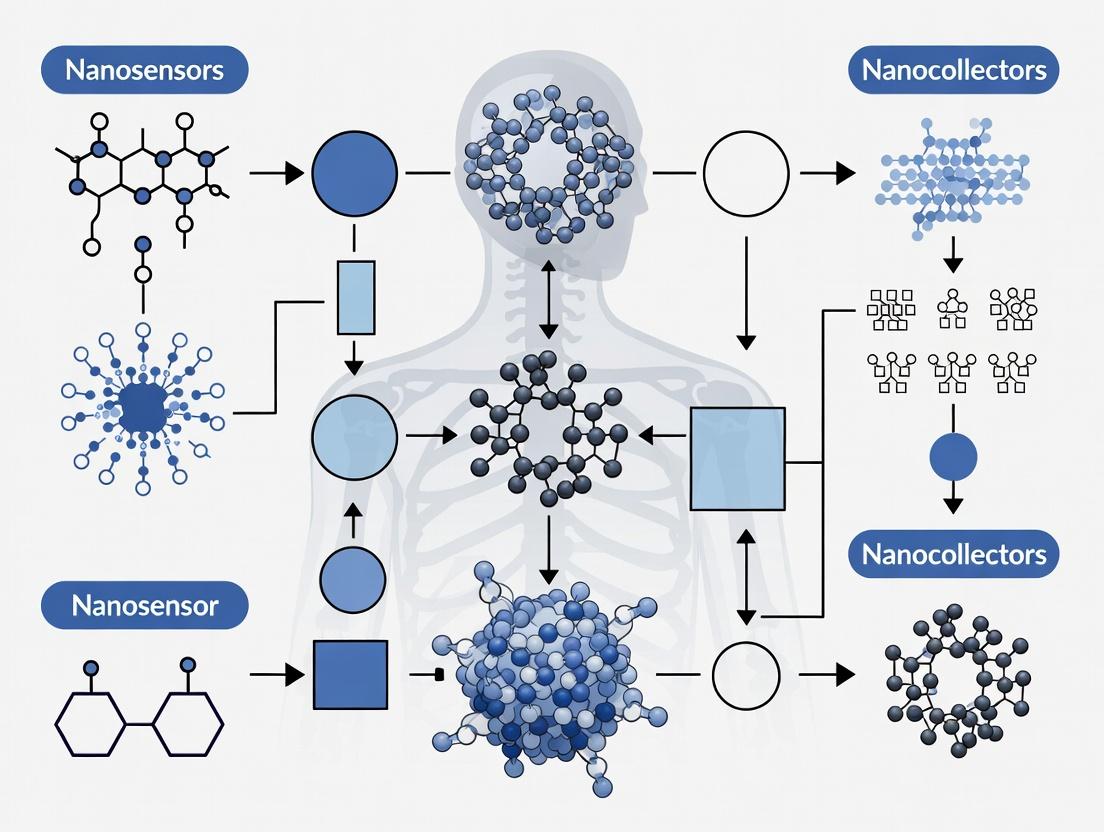
This comprehensive review examines the operational principles and biomedical applications of nanosensors and nanocollectors within the human body.
Nanoscale Biomedical Agents: How Nanosensors and Nanocollectors Revolutionize In Vivo Diagnostics and Therapeutics
Abstract
This comprehensive review examines the operational principles and biomedical applications of nanosensors and nanocollectors within the human body. Tailored for researchers, scientists, and drug development professionals, it explores the foundational science of nanoparticle-based detection and capture, details advanced synthesis and targeting methodologies, analyzes critical challenges in biocompatibility and efficiency, and evaluates current validation frameworks and comparative performance metrics. The article synthesizes the latest research to provide a roadmap for translating these nanoscale technologies from laboratory innovation to clinical impact, addressing both diagnostic precision and therapeutic delivery.
The Core Science: Unpacking the Principles of In Vivo Nanoscale Detection and Capture
This review serves as a technical foundation for advanced research into nanosensors and nanocollectors, critical tools for diagnostics and therapeutic monitoring within the human body. We examine the inherent physicochemical properties of four cornerstone nanomaterials—gold nanoparticles (AuNPs), quantum dots (QDs), liposomes, and polymeric nanoparticles—detailing how these properties dictate their function in vivo. The content is framed by the overarching thesis of understanding how nanosensors detect analytes and how nanocollectors isolate targets within the complex biological milieu, emphasizing design principles for stealth, targeting, signaling, and biocompatibility.
The efficacy of nanosensors and nanocollectors is intrinsically linked to the material from which they are constructed. These nanomaterials act as the platform for biorecognition elements (e.g., antibodies, aptamers), transduce biological events into detectable signals, and must navigate physiological barriers. This review deconstructs the material foundations, connecting core properties—such as surface plasmon resonance, fluorescence quantum yield, membrane fluidity, and degradation kinetics—to their intended function in bodily systems.
Gold Nanoparticles (AuNPs)
Inherent Properties
AuNPs are inert, metallic colloids whose optical properties are governed by localized surface plasmon resonance (LSPR). Upon interaction with light, coherent oscillation of conduction electrons occurs, resulting in strong absorption and scattering. The LSPR peak is highly sensitive to nanoparticle size, shape, aggregation state, and the local refractive index, making AuNPs exceptional colorimetric sensors.
Function in Nanosensors/Nanocollectors
- Sensing: Aggregation-based color shift from red to blue upon target-induced linking is a classic sensing modality. LSPR shift from biomarker adsorption on functionalized surfaces enables label-free detection.
- Collection: High surface-area-to-volume ratio allows dense conjugation of capture ligands (e.g., for isolating circulating tumor cells or exosomes).
- Therapeutic Role: Can serve as photothermal agents.
Key Experimental Protocol: LSPR-Based Serum Biomarker Detection
- Synthesis: Citrate reduction method. Heat 100 mL of 1 mM HAuCl4 to boiling. Rapidly add 2 mL of 38.8 mM sodium citrate solution under stirring. Continue heating until color stabilizes to deep red (~10 mins). Cool to room temperature.
- Functionalization: Incubate 1 mL of as-synthesized AuNPs (∼10 nM) with 1 µM thiolated aptamer specific to the target biomarker in PBS (pH 7.4) for 16 hours at room temperature. Salt-aging over 24 hours to achieve dense packing. Purify via centrifugation (14,000 rpm, 20 min).
- Detection: Mix 100 µL of functionalized AuNPs with 100 µL of serum sample or spiked control. Incubate 15 min at 37°C.
- Readout: Measure UV-Vis spectrum from 400-800 nm. Calculate LSPR peak shift (∆λ max). Confirm aggregation via dynamic light scattering (DLS) for size increase.
Quantum Dots (QDs)
Inherent Properties
QDs are semiconductor nanocrystals (e.g., CdSe/ZnS core-shell) with size-tunable photoluminescence due to quantum confinement. They possess broad absorption, narrow, symmetric emission bands, high quantum yield, and exceptional photostability compared to organic dyes.
Function in Nanosensors/Nanocollectors
- Sensing: Act as FRET (Förster Resonance Energy Transfer) donors or acceptors. Target binding modulates FRET efficiency, changing fluorescence intensity/ratio.
- Imaging: Serve as multiplexed, stable optical labels for long-term tracking of nanocollectors in vivo.
- Limitations: Potential heavy metal toxicity requires careful bioconjugation and shell engineering.
Key Experimental Protocol: QD-FRET Aptasensor for Intracellular mRNA
- QD Conjugation: Conjugate carboxylated CdSe/ZnS QDs (emission 605 nm) to amine-modified reporter DNA strand (complementary to aptamer stem) using EDC/sulfo-NHS chemistry. Purify with gel filtration.
- Aptamer-Quencher Conjugate: Label the 3' end of the target-specific aptamer sequence with a Black Hole Quencher (BHQ2).
- Assembly & Sensing: Hybridize QD-reporter DNA with the aptamer-quencher to form the intact nanosensor. In this state, QD fluorescence is quenched via proximity.
- Delivery & Readout: Deliver nanosensors into cells via lipofection. Intracellular target mRNA binds the aptamer, displacing the quencher strand, restoring QD fluorescence. Image via confocal microscopy using appropriate filters.
Liposomes
Inherent Properties
Liposomes are spherical vesicles comprising one or more phospholipid bilayers enclosing an aqueous core. Key properties include bilayer fluidity, surface charge (dependent on lipid headgroups), and permeability. They can be tuned from rigid (high cholesterol, saturated lipids) to stimuli-responsive (e.g., pH-sensitive, thermo-sensitive).
Function in Nanosensors/Nanocollectors
- Collection: The aqueous core can encapsulate "collection" agents (e.g., chelators for metal ions, affinity proteins) or reaction cocktails for sampled analytes.
- Sensing: Incorporation of ion-channel proteins or pore-forming peptides in the bilayer can create signal-generating pathways upon analyte binding.
- Delivery: Primary role is as nanocarriers for protective delivery of sensitive sensor components.
Key Experimental Protocol: pH-Sensitive Liposome for Endosomal Signal Activation
- Formulation: Prepare lipid film from DOPE (1,2-dioleoyl-sn-glycero-3-phosphoethanolamine): Cholesteryl Hemisuccinate (CHEMS) (6:4 molar ratio) by rotary evaporation. Hydrate film with pH 7.4 PBS containing a self-quenched, pH-insensitive fluorescent dye (e.g., high concentration Calcein).
- Size Control: Extrude the hydrated suspension through polycarbonate membranes (100 nm pore size) 21 times.
- Purification: Purify via size-exclusion chromatography to remove external dye.
- Functionalization: Post-insertion of PEG-lipids and targeting ligands (e.g., folate-PEG-DSPE) by incubation at 60°C for 30 min.
- Testing: Incubate liposomes with cells. Upon receptor-mediated endocytosis and endosomal acidification (pH ~5.5), the liposome membrane fuses/disrupts, releasing the concentrated dye, causing dequenching and a sharp fluorescent signal detectable by flow cytometry or microscopy.
Polymeric Nanoparticles
Inherent Properties
This class includes solid particles (PLGA, PLA) and micelles/nanogels (PEG-PLGA, chitosan). Properties are defined by the polymer's molecular weight, hydrophobicity, crystallinity, and degradation profile (hydrolytic or enzymatic). They offer exceptional versatility in cargo encapsulation and controlled release.
Function in Nanosensors/Nanocollectors
- Collection: Dense, porous networks (e.g., polyethylene glycol (PEG) hydrogels) can act as "nanosponges" to sequester inflammatory cytokines or toxins.
- Sensing: Degradation or swelling of the polymer matrix in response to a specific biochemical (e.g., enzyme, pH) can be coupled to a release event or change in magnetic/optical property.
- Platform: Often used as a structural scaffold co-loaded with other nanomaterials (e.g., QDs, AuNPs) to create multifunctional systems.
Key Experimental Protocol: Enzyme-Responsive PEG-PLGA Nanoparticle for Matrix Metalloproteinase (MMP) Detection
- Polymer Synthesis: Synthesize block copolymer PEG-PLGA with an MMP-cleavable peptide (e.g., GPLGVRG) linker between PEG and PLGA blocks.
- Nanoparticle Formation: Use nanoprecipitation. Dissolve copolymer and a hydrophobic near-infrared (NIR) dye in acetone. Rapidly inject into aqueous phase under stirring. Allow acetone to evaporate, forming dye-loaded nanoparticles where PEG forms the corona.
- Characterization: Determine size and zeta potential via DLS.
- Sensing Experiment: Incubate nanoparticles with recombinant MMP-9 or control buffer at 37°C. Over time, MMP cleavage sheds the PEG corona, causing nanoparticle aggregation. Monitor aggregation by increase in hydrodynamic diameter (DLS) and a redshift/quenching of NIR fluorescence due to dye-dye interaction.
Table 1: Comparative Properties of Key Nanomaterials
| Material | Typical Size Range | Key Optical/Physical Property | Common Surface Modifications | Primary In Vivo Advantage | Primary In Vivo Challenge |
|---|---|---|---|---|---|
| Gold NPs | 5-100 nm | LSPR (Absorption ~520 nm) | Thiolated PEG, aptamers | Tunable optics, facile conjugation | Non-biodegradable, potential long-term accumulation |
| Quantum Dots | 2-10 nm (core) | Photoluminescence (Tunable) | PEG, amphiphilic polymers | Photostability, multiplexing | Potential heavy metal toxicity |
| Liposomes | 50-200 nm | Bilayer fluidity, encapsulation | PEG, antibodies, peptides | Biocompatible, high payload | Stability in serum, off-target release |
| Polymeric NPs | 20-200 nm | Degradation kinetics, release | PEG, targeting ligands | Controlled release, versatile | Batch-to-batch variability |
Table 2: Representative Performance Metrics in Sensing/Collection
| Material System | Target | Limit of Detection (LoD) | Response Time | Key Mechanism |
|---|---|---|---|---|
| Aptamer-AuNP | ATP | 1 nM | < 5 min | Aggregation colorimetry |
| QD-FRET DNA Nanosensor | Specific mRNA | 100 pM | ~30 min | FRET restoration |
| pH-Sensitive Liposome | Endosomal pH | N/A (pH unit) | Minutes | Membrane fusion/dequenching |
| MMP-Responsive Polymer NP | MMP-9 | 10 ng/mL | 1-2 hours | Cleavage-induced aggregation |
Visualized Pathways and Workflows
Title: AuNP Aggregation-Based Colorimetric Sensing Workflow
Title: QD-FRET Aptasensor Switching Mechanism
The Scientist's Toolkit: Essential Research Reagent Solutions
Table 3: Key Reagents for Nanomaterial Fabrication and Testing
| Reagent/Solution | Function | Example (Supplier) |
|---|---|---|
| Chloroauric Acid (HAuCl4) | Gold precursor for AuNP synthesis. | Sigma-Aldrich, 520918 |
| Sodium Citrate Tribasic Dihydrate | Reducing and stabilizing agent for citrate-capped AuNPs. | Sigma-Aldrich, S4641 |
| CdSe/ZnS Core-Shell Quantum Dots (Carboxylated) | Ready-to-conjugate fluorescent nanocrystals. | Thermo Fisher, Q21321MP |
| 1,2-dioleoyl-sn-glycero-3-phosphocholine (DOPC) | Common phospholipid for forming fluid liposome bilayers. | Avanti Polar Lipids, 850375C |
| DSPE-PEG(2000)-Amine | PEG-lipid for stealth coating and providing conjugation handle. | Avanti Polar Lipids, 880120C |
| Poly(D,L-lactide-co-glycolide) (PLGA) | Biodegradable copolymer for polymeric nanoparticle matrix. | Sigma-Aldrich, 719900 |
| EDC (1-Ethyl-3-(3-dimethylaminopropyl)carbodiimide) | Carboxyl-to-amine crosslinker for bioconjugation. | Thermo Fisher, 22980 |
| sulfo-NHS (N-Hydroxysulfosuccinimide) | Stabilizes EDC intermediate, improving conjugation efficiency. | Thermo Fisher, 24510 |
| Phosphate Buffered Saline (PBS), 10X | Standard buffer for dilution, washing, and physiological simulations. | Gibco, 70011044 |
| Fetal Bovine Serum (FBS) | Used to test nanoparticle stability and protein corona formation in vitro. | Gibco, 26140079 |
This technical guide details the core transduction principles of nanosensors, serving as a foundational component for a broader thesis investigating How do nanosensors and nanocollectors function in the human body?. The effective deployment of these devices for in vivo diagnostics, real-time biomarker monitoring, and targeted therapeutic action hinges on the efficient conversion of a biological binding event into a quantifiable physical signal. Optical, electrochemical, and magnetic transduction represent the three primary, and most clinically relevant, modalities for this conversion.
Core Transduction Modalities
Optical Nanosensors
Optical transduction relies on changes in light-matter interactions upon target analyte binding.
- Principle: Measurement of changes in photoluminescence (fluorescence, phosphorescence), surface plasmon resonance (SPR/LSPR), or Raman scattering intensity, wavelength, or lifetime.
- Mechanism: For a fluorescence-based nanosensor (e.g., quantum dot, SWCNT), target binding may quench or enhance emission via Förster Resonance Energy Transfer (FRET), photoinduced electron transfer, or changes in the local dielectric environment.
- Key Advantage: High spatial resolution for imaging; multiplexing capability using different emission wavelengths.
- Key Challenge: Photobleaching; autofluorescence from tissue; limited penetration depth of visible light.
Table 1: Quantitative Performance of Representative Optical Nanosensors
| Nanosensor Type | Target Analyte | Limit of Detection (LoD) | Dynamic Range | Response Time | Reference |
|---|---|---|---|---|---|
| DNA-wrapped SWCNT | Dopamine | 0.5 nM | 1 nM - 10 µM | < 1 sec | Kruss et al., Nat. Nanotech., 2023 |
| LSPR Gold Nanorod | TNF-α (cytokine) | 50 pM | 0.1 - 100 nM | ~10 min | Mayer et al., ACS Nano, 2022 |
| FRET-based Quantum Dot | Caspase-3 (protease) | 0.2 U/mL | 0.5 - 100 U/mL | ~30 min | Kim et al., Anal. Chem., 2023 |
Electrochemical Nanosensors
Electrochemical transduction measures electrical signals (current, potential, impedance) resulting from biochemical reactions or binding events at a nanostructured electrode interface.
- Principle: Amperometry (current at fixed potential), potentiometry (potential at zero current), or electrochemical impedance spectroscopy (EIS; change in charge transfer resistance).
- Mechanism: A functionalized carbon nanotube or graphene electrode experiences a change in electron transfer kinetics upon target capture. For enzymatic sensors (e.g., glucose oxidase), the enzyme catalyzes a redox reaction, producing a measurable current proportional to analyte concentration.
- Key Advantage: High sensitivity and selectivity; low cost; miniaturization for implantable devices; works well in opaque media.
- Key Challenge: Biofouling; reference electrode stability in vivo; potential interference from electroactive species.
Table 2: Quantitative Performance of Representative Electrochemical Nanosensors
| Nanosensor Platform | Transduction Method | Target Analyte | LoD | Linear Range | Selectivity (Interference Test) | Reference |
|---|---|---|---|---|---|---|
| Graphene/ PtNP Hybrid | Amperometric | H₂O₂ (from oxidase) | 25 nM | 0.1 µM - 2 mM | <5% signal from AA, UA, DA | Chen et al., Biosens. Bioelectron., 2023 |
| Aptamer-functionalized Au | EIS | PSA | 0.4 pg/mL | 1 pg/mL - 10 ng/mL | Negligible from BSA, IgG | Park et al., Sci. Rep., 2022 |
| Molecularly Imprinted Polymer | Potentiometric | Cortisol | 0.1 nM | 1 nM - 10 µM | High (tested vs. corticosterone) | Gupta et al., ACS Sens., 2023 |
Magnetic Nanosensors
Magnetic transduction utilizes the unique properties of magnetic nanoparticles (MNPs) to detect biomolecular interactions, often via changes in magnetic relaxation or remanence.
- Principle: Measurement of changes in the spin-spin (T2) relaxation time of surrounding water protons (in MRI-based sensors) or in the magnetic remanence of MNPs (in magnetoresistive or SQUID-based sensors).
- Mechanism: In a clustered state (e.g., due to target-induced aggregation), MNPs alter the local magnetic field homogeneity, accelerating T2 relaxation of protons, leading to a darkened signal in T2-weighted MRI. For in vitro diagnostics, magnetoresistive sensors detect the fringe field of MNPs bound to a sensor surface.
- Key Advantage: Deep tissue penetration; no ionizing radiation; ability to manipulate sensors remotely with magnetic fields (for collection/therapy).
- Key Challenge: Relatively lower sensitivity compared to optical/electrochemical; complex instrumentation for some modalities.
Table 3: Quantitative Performance of Representative Magnetic Nanosensors
| Nanosensor Core | Assay Format | Target | LoD | Readout Method | Assay Time | Reference |
|---|---|---|---|---|---|---|
| Fe₃O₄ MNP w/ aptamer | Magnetic Relaxation Switch (MRS) | Thrombin | 0.5 nM | T2 change (1.5T NMR) | 25 min | Koh et al., Nanomedicine, 2022 |
| CoFe₂O₄@SiO₂ | Immunoassay, SQUID detection | Influenza Virus | 10² particles/mL | Remanence measurement | 90 min | Lee et al., J. Magn. Magn. Mater., 2023 |
Experimental Protocols
Protocol 1: Fabrication and Testing of a FRET-based Optical Nanosensor for Protease Activity.
Objective: To detect caspase-3 activity using a quantum dot (QD)-peptide-dye FRET pair. Materials: See "The Scientist's Toolkit" below. Method:
- QD-Peptide-Dye Conjugate Synthesis: Carboxyl-functionalized QD565 (donor) is activated with EDC/NHS. An amine-terminated peptide substrate (DEVD) labeled at the C-terminus with Cy5 (acceptor) is conjugated to the activated QD. Purify via gel filtration chromatography.
- Sensor Characterization: Confirm conjugation via UV-Vis/fluorescence spectroscopy. Measure the FRET efficiency from donor quenching/acceptor emission.
- Activity Assay: Incubate the nanosensor (10 nM) with recombinant caspase-3 (0-100 U/mL) in assay buffer (50 mM HEPES, 100 mM NaCl, 0.1% CHAPS, 10 mM DTT, pH 7.4) at 37°C.
- Signal Acquisition: Monitor fluorescence spectra over 60 minutes. Plot the ratio of acceptor emission (670 nm) to donor emission (565 nm) vs. time and enzyme concentration.
- Data Analysis: Calculate initial reaction rates. Determine LoD from the linear calibration curve of rate vs. log[enzyme].
Protocol 2: Fabrication and Calibration of an Implantable Electrochemical Glucose Nanosensor.
Objective: To create a continuous glucose monitoring sensor based on a PtNP-decorated carbon nanoarray. Materials: See "The Scientist's Toolkit" below. Method:
- Working Electrode Fabrication: Grow vertically aligned carbon nanotubes (VA-CNTs) on a flexible Ti substrate via CVD. Electrodeposit PtNPs from H₂PtCl₆ solution.
- Enzyme Immobilization: Drop-cast a solution containing Glucose Oxidase (GOx), chitosan, and glutaraldehyde (crosslinker) onto the PtNP/CNT electrode. Dry at 4°C.
- Sensor Assembly: Integrate the working electrode with an Ag/AgCl reference and Pt wire counter electrode in a biocompatible membrane (e.g., polyurethane/NAFION).
- In Vitro Calibration: Use an electrochemical workstation in amperometric mode (applied potential: +0.6V vs. Ag/AgCl). Record steady-state current in PBS with successive additions of glucose stock (0-30 mM). Plot current vs. concentration.
- Selectivity Test: Challenge the sensor with physiologically relevant levels of ascorbic acid, uric acid, and acetaminophen.
Visualizations
Diagram 1: Core Nanosensor Transduction Pathways
Diagram 2: Experimental Workflow for an Electrochemical Nanosensor
The Scientist's Toolkit
Key Research Reagent Solutions for Featured Experiments
| Item | Function/Description | Example Vendor/Catalog |
|---|---|---|
| Carboxylated Quantum Dots (e.g., QD565) | Fluorescent nanoparticle donor in FRET pair; surface allows biomolecule conjugation. | Thermo Fisher, Cytodiagnostics |
| Caspase-3 Substrate Peptide (DEVD-Cy5) | Target-specific peptide linker labeled with acceptor dye for FRET signal generation. | AnaSpec, Bachem |
| EDC (1-Ethyl-3-(3-dimethylaminopropyl)carbodiimide) | Zero-length crosslinker for activating carboxyl groups to conjugate with amines. | Sigma-Aldrich, Pierce |
| Vertically Aligned CNT Substrate | High-surface-area, conductive electrode backbone for nanostructuring. | NanoLab, ACS Material |
| Chloroplatinic Acid (H₂PtCl₆) | Precursor salt for the electrochemical deposition of platinum nanoparticles (PtNPs). | Sigma-Aldrich |
| Glucose Oxidase (GOx) from Aspergillus niger | Biological recognition element; catalyzes glucose oxidation, producing H₂O₂. | Sigma-Aldrich |
| Chitosan (low MW) | Biocompatible polymer matrix for enzyme entrapment and immobilization on sensor surface. | Sigma-Aldrich |
| NHS (N-Hydroxysuccinimide) | Often used with EDC to form a more stable amine-reactive intermediate. | Sigma-Aldrich, Pierce |
1. Introduction: Within the Context of Nanosensor and Nanocollector Research
This whitepaper details the core principles underlying the "Capture Principle," a foundational concept in nanomedicine for the targeted sequestration of biological targets. This principle is central to the function of both diagnostic nanosensors and therapeutic nanocollectors within the human body. Nanosensors rely on capture to concentrate and detect low-abundance biomarkers, while nanocollectors utilize it to physically remove pathogenic entities, such as toxins, cytokines, or circulating tumor cells, from biological fluids. The efficacy of both hinges on the precise functionalization of nanoparticle surfaces to achieve specific, high-affinity binding.
2. Core Mechanisms of Sequestration
The capture event is governed by a confluence of mechanisms, categorized by target type.
2.1 Molecular Sequestration (Proteins, Toxins, Nucleic Acids)
- Affinity Ligand Binding: The primary mechanism, utilizing biorecognition elements (e.g., antibodies, aptamers, peptides) covalently immobilized on the nanocollector surface. Binding kinetics (Kon/Koff) and thermodynamics (Kd) dictate efficiency.
- Molecular Imprinting: Creating synthetic polymer cavities with shape and functional group complementarity to the target.
- Electrostatic/Hydrophobic Interactions: Secondary, non-specific forces that can enhance retention following initial specific capture.
2.2 Cellular Sequestration (Circulating Cells, Pathogens)
- Multivalent Binding: Presentation of multiple ligands across the nanoparticle surface to engage with multiple cell surface receptors simultaneously, dramatically increasing binding avidity (functional affinity).
- Receptor Mimicry: Using engineered protein coronas or glycans that mimic host cell receptors to decoy pathogens (e.g., using CD4 mimics for HIV capture).
- Magnetic Actuation: Incorporation of a magnetic core (e.g., iron oxide) allows for external magnetic field-guided capture and subsequent physical retrieval of loaded nanocollectors.
3. Quantitative Data Summary
Table 1: Performance Metrics of Selected Functionalized Nanocollectors from Recent Studies
| Nanocollector Core | Targeting Ligand | Target | Reported Capture Efficiency (%) | Binding Affinity (Kd) | Reference Year |
|---|---|---|---|---|---|
| Mesoporous Silica | Anti-PSMA aptamer | Prostate Tumor Cells (LNCaP) | 92 ± 3 | 2.1 nM | 2023 |
| Poly(lactide-co-glycolide) | Anti-TNF-α mAb | TNF-α cytokine | 88 | 0.4 nM | 2024 |
| Magnetic Iron Oxide | Mannose polymer | E. coli (ORN 178) | >95 | N/A (multivalent) | 2023 |
| Gold Nanoshell | Thiolated DNA aptamer | VEGF165 | 85 ± 5 | 0.5 pM | 2024 |
| Graphene Oxide | Peptide (sequence: GGGGRGD) | αvβ3 Integrin on MCF-7 cells | 78 ± 7 | ~1 μM (peptide) | 2023 |
Table 2: Impact of Key Design Parameters on Capture Yield
| Design Parameter | Effect on Molecular Capture | Effect on Cellular Capture | Optimal Range (Typical) |
|---|---|---|---|
| Ligand Density | Critical; too low reduces binding, too high causes steric hindrance. | Crucial for multivalency; higher density increases avidity. | 0.1 - 1 ligands/nm² |
| Nanoparticle Diameter | Smaller size increases surface-area-to-volume for ligand display. | Larger size (>100 nm) improves cell surface contact area. | 20-200 nm (context dependent) |
| PEG Spacer Length | Reduces non-specific adsorption; optimizes ligand orientation. | Enhances circulation time; prevents opsonization. | 2-5 kDa PEG chains |
| Hydrodynamic Zeta Potential | Near-neutral (-10 to +10 mV) reduces non-specific serum protein binding. | Slightly negative enhances colloidal stability in vivo. | -20 to -5 mV |
4. Detailed Experimental Protocol: Capture Efficiency Assay for Cytokine-Sequestering Nanocollectors
Objective: To quantify the percentage of target cytokine removed from a simulated biological fluid by antibody-functionalized polymeric nanocollectors.
Materials: See "The Scientist's Toolkit" below.
Procedure:
- Nanocollector Preparation: Incubate 1.0 mg of PLGA nanoparticles (COOH-terminated) with 50 μg of EDC/sulfo-NHS in MES buffer (pH 6.0) for 15 min. Purify via centrifugation (14,000 rpm, 15 min) and resuspend in PBS.
- Functionalization: Incubate activated nanoparticles with 25 μg of anti-target cytokine monoclonal antibody (e.g., anti-IL-6) in PBS (pH 7.4) for 2 hours at room temperature under gentle agitation. Pass through a size-exclusion column (e.g., Sephadex G-25) to remove unbound antibody.
- Capture Experiment: Spike 1 mL of synthetic interstitial fluid (or 10% FBS in PBS) with 100 ng/mL of recombinant target cytokine. Add functionalized nanocollectors at a concentration of 0.5 mg/mL. Incubate at 37°C with shaking for 60 min.
- Separation: Apply a magnetic field (if magnetic) or perform high-speed centrifugation (21,000 x g, 20 min) to pellet nanocollectors.
- Quantification: Carefully collect the supernatant. Measure the remaining concentration of cytokine in the supernatant using a validated ELISA kit, following the manufacturer's protocol.
- Calculation: Capture Efficiency (%) = [1 - (Csupernatant / Cinitial)] * 100, where C is cytokine concentration. Perform in triplicate with controls (non-functionalized nanoparticles).
5. Key Diagrams
Diagram 1: Nanocollector Functionalization & Capture Workflow
Diagram 2: Capture Principle in Modulating Immune Signaling
6. The Scientist's Toolkit: Essential Research Reagents & Materials
Table 3: Key Reagents for Nanocollector Development & Testing
| Item | Function & Specification | Example Product/Catalog |
|---|---|---|
| Carboxylated Nanoparticles | Core substrate for ligand conjugation via amine coupling. | Poly(lactide-co-glycolide)-COOH, 100 nm, 1% w/v suspension. |
| EDC & Sulfo-NHS | Zero-length crosslinkers for activating carboxyl groups to form stable amide bonds. | N-(3-Dimethylaminopropyl)-N'-ethylcarbodiimide hydrochloride (EDC) and N-Hydroxysulfosuccinimide (Sulfo-NHS). |
| Heterobifunctional PEG Linkers | Provides spacer between nanoparticle and ligand, reduces steric hindrance, improves solubility. | Maleimide-PEG-NHS ester (MW: 3400 Da) for thiol-amine conjugation. |
| Target-Specific Affinity Ligand | Provides capture specificity. High purity recommended. | Recombinant monoclonal antibody (e.g., anti-IL-6, >95% purity) or DNA/RNA aptamer (HPLC-purified). |
| Size-Exclusion Chromatography Columns | For rapid purification of functionalized nanoparticles from unreacted small molecules. | Sephadex G-25 PD-10 Desalting Columns. |
| Simulated Biological Fluids | For testing capture efficiency in a physiologically relevant medium. | Synthetic interstitial fluid (SIF) or cell culture medium supplemented with 10% fetal bovine serum (FBS). |
| Quantification ELISA Kits | Gold-standard for measuring target analyte concentration pre- and post-capture. | DuoSet ELISA for human/ mouse/ rat target analyte. |
| Dynamic Light Scattering (DLS) / Zetasizer | Instrument for measuring hydrodynamic size, PDI, and zeta potential of nanocollectors at each functionalization step. | Malvern Panalytical Zetasizer Ultra. |
The efficacy of diagnostic nanosensors and therapeutic nanocollectors is fundamentally governed by their ability to navigate the complex human physiological environment and localize at a target site. This navigation is predicated on two distinct paradigms: passive targeting, reliant on the inherent pathophysiology and biophysical properties of the carrier, and active targeting, which utilizes specific molecular recognition. This guide provides a technical dissection of both mechanisms, essential for designing next-generation nanoscale agents for in vivo sensing and sample collection.
Passive Targeting: The Enhanced Permeability and Retention (EPR) Effect
Core Principle: Passive targeting exploits the anatomical and pathophysiological characteristics of diseased tissues, most notably the leaky, discontinuous vasculature and impaired lymphatic drainage found in many solid tumors and inflamed sites. This allows nanocarriers of a specific size range to extravasate and accumulate.
Key Determinants & Quantitative Parameters:
| Parameter | Optimal Range/Value | Physiological Rationale |
|---|---|---|
| Hydrodynamic Diameter | 10 – 200 nm | >10 nm avoids rapid renal clearance; <200 nm enables extravasation through fenestrations. |
| Surface Charge (Zeta Potential) | Near-neutral or slightly negative (-10 to +10 mV) | Minimizes non-specific adsorption to plasma proteins (opsonization) and uptake by the mononuclear phagocyte system (MPS). |
| Particle Rigidity | Tunable (e.g., PEGylation, lipid fluidity) | Affects margination, vascular transport, and deformation for extravasation. |
| Tumor Vasculature Pore Size | 100 – 780 nm (varies by tumor type/region) | Defines the upper size limit for nanoparticle extravasation via the EPR effect. |
Experimental Protocol for Quantifying EPR Effect:
- Objective: To evaluate the passive tumor accumulation of a fluorescently labeled polymeric nanoparticle (NP).
- Materials: Poly(lactic-co-glycolic acid) (PLGA) NPs (~100 nm) conjugated with Cy5.5 dye; murine xenograft model (e.g., 4T1 breast tumor in BALB/c mice).
- Method:
- NP Administration: Inject NPs intravenously via tail vein (dose: 5 mg/kg nanoparticle weight).
- In Vivo Imaging: At predetermined time points (1, 4, 24, 48 h), anesthetize mice and image using a fluorescence imager (ex/em: 675/694 nm for Cy5.5). Quantify mean fluorescence intensity in the tumor region of interest (ROI).
- Ex Vivo Validation: At terminal time points (e.g., 24 h), perfuse animals with saline, harvest organs (tumor, liver, spleen, kidneys, lungs, heart), and image ex vivo. Homogenize tissues and quantify fluorescence or NP content via HPLC/mass spectrometry.
- Data Analysis: Calculate % Injected Dose per Gram (%ID/g) for each organ. High tumor-to-background (e.g., muscle) ratios indicate successful passive targeting.
Active Targeting: Ligand-Mediated Specificity
Core Principle: Active targeting involves the surface conjugation of targeting moieties (ligands) that bind specifically to antigens or receptors overexpressed on target cells (e.g., cancer cells, endothelial cells). This aims to increase cellular internalization and specificity beyond the EPR effect.
Common Targeting Ligands & Their Receptors:
| Ligand | Target Receptor | Primary Application Context |
|---|---|---|
| Folic Acid | Folate Receptor (FR-α) | Overexpressed in ovarian, breast, lung cancers. |
| Anti-HER2 scFv/Affibody | Human Epidermal growth factor Receptor 2 (HER2) | HER2+ breast cancer. |
| RGD Peptide | αvβ3 Integrin | Tumor angiogenesis, glioblastoma. |
| Anti-CD64 mAb | FcγRI (CD64) | Activated macrophages in inflammation. |
| Aptamers (e.g., AS1411) | Nucleolin | Overexpressed on cancer cell membranes. |
Experimental Protocol for Evaluating Active Targeting In Vitro:
- Objective: To compare cellular uptake of actively targeted vs. non-targeted NPs.
- Materials: Target-positive cells (e.g., FR-α+ KB cells), target-negative cells (e.g., FR-α- A549 cells). Folic acid-conjugated NPs (FA-NPs) and non-conjugated NPs (Ctrl-NPs), both labeled with a fluorophore (e.g., FITC).
- Method:
- Cell Seeding: Seed cells in 24-well plates at 5 x 10^4 cells/well and culture overnight.
- NP Incubation: Treat cells with FA-NPs or Ctrl-NPs (equivalent particle number or fluorescent intensity) in serum-free medium for 2 hours at 37°C.
- Competition Assay (Specificity Control): Pre-incubate a group of KB cells with free folic acid (1 mM) for 30 min before adding FA-NPs.
- Washing & Analysis: Wash cells 3x with PBS. Analyze cellular fluorescence via flow cytometry. Express data as Mean Fluorescence Intensity (MFI) or fold-increase relative to Ctrl-NPs.
- Confocal Microscopy: For visual confirmation, perform the same assay on chamber slides, fix cells, stain nuclei (DAPI) and actin (Phalloidin), and image using a confocal microscope.
Visualization of Targeting Pathways & Workflows
Diagram 1: Passive vs Active Targeting Mechanisms
Diagram 2: In Vivo Targeting Evaluation Workflow
The Scientist's Toolkit: Key Research Reagent Solutions
| Item / Reagent | Function in Targeting Research |
|---|---|
| PEGylated Phospholipids (e.g., DSPE-PEG) | Provides a hydrophilic "stealth" corona to minimize protein adsorption and extend circulation half-life for both passive and active targeting. |
| Heterobifunctional PEG Linkers (e.g., MAL-PEG-NHS) | Enables controlled conjugation of targeting ligands (via thiol or amine groups) to nanoparticle surfaces. |
| Fluorescent Dyes (e.g., Cy5.5, DiR, FITC) | Labels nanoparticles for optical tracking in in vitro and in vivo imaging studies. |
| Chelators for Radiolabeling (e.g., DOTA, NOTA) | Allows conjugation of radioisotopes (⁶⁴Cu, ⁶⁸Ga) for highly sensitive quantitative biodistribution studies via PET imaging. |
| Size Exclusion Chromatography (SEC) Columns | Critical for purifying conjugated nanoparticles from unreacted ligands and aggregates post-modification. |
| Dynamic Light Scattering (DLS) & Zeta Potential Analyzer | Essential for characterizing nanoparticle hydrodynamic size, polydispersity index (PDI), and surface charge before and after functionalization. |
| Microscale Thermophoresis (MST) or Surface Plasmon Resonance (SPR) | Measures binding affinity (Kd) between the ligand-conjugated nanoparticle and its purified target receptor. |
Successful navigation in the body requires a synergistic combination of passive and active strategies. The foundational EPR effect must be optimized through precise nanocarrier engineering. Subsequently, active targeting can enhance specificity and uptake. For nanosensors and nanocollectors, this dual approach maximizes the signal-to-noise ratio at the target site while minimizing off-target binding. Future research is pivoting towards multivalent targeting, stimuli-responsive release, and dynamic targeting strategies that adapt to the changing physiological microenvironment, pushing the frontiers of precision diagnostics and therapy.
From Synthesis to Action: Methodologies and Cutting-Edge Applications in Biomedicine
Synthesis and Functionalization Strategies for Biocompatible, Target-Specific Agents
The development of biocompatible, target-specific agents is foundational to advancing the field of nanomedicine, particularly within the context of a broader thesis on how nanosensors and nanocollectors function in the human body. These agents are the fundamental units that confer functionality, specificity, and diagnostic or therapeutic capability to nanoscale systems. Their synthesis and precise functionalization dictate the efficiency of targeted delivery, biomarker detection, and controlled interaction with biological systems. This whitepaper details contemporary methodologies for creating these critical components, providing researchers with a technical guide for constructing next-generation nanodevices.
Core Synthesis Platforms for Biocompatible Nanocarriers
Synthesis methods define the core physicochemical properties of the nanocarrier, including size, shape, surface charge, and intrinsic biocompatibility.
2.1 Polymeric Nanoparticles via Nanoprecipitation This is a versatile method for encapsulating hydrophobic agents within biodegradable polymers like poly(lactic-co-glycolic acid) (PLGA).
- Detailed Protocol:
- Dissolve 50 mg of PLGA and 5 mg of the hydrophobic active compound in 5 mL of acetone (organic phase).
- Prepare 20 mL of an aqueous phase containing a stabilizer (e.g., 1% w/v polyvinyl alcohol, PVA).
- Using a syringe pump, inject the organic phase into the aqueous phase under constant magnetic stirring (500 rpm).
- Stir for 3 hours to allow for complete evaporation of the organic solvent.
- Centrifuge the formed nanoparticle suspension at 20,000 × g for 30 minutes.
- Wash the pellet with distilled water and re-suspend via sonication.
- Lyophilize using 5% w/v trehalose as a cryoprotectant.
2.2 Lipid-Based Nanoparticle (LNP) Synthesis via Microfluidic Mixing This method enables reproducible, scalable production of siRNA- or mRNA-loaded LNPs, crucial for gene-based therapies and sensors.
- Detailed Protocol:
- Prepare an ethanol phase: Dissolve ionizable lipid (e.g., DLin-MC3-DMA), phospholipid (DSPC), cholesterol, and PEG-lipid at a molar ratio of 50:10:38.5:1.5 in ethanol.
- Prepare an aqueous phase: The payload (e.g., mRNA) in a 10 mM citrate buffer at pH 4.0.
- Use a staggered herringbone micromixer chip. Set independent syringe pumps for both phases.
- Mix at a controlled total flow rate (TRF) of 10 mL/min and a flow rate ratio (FRR, aqueous:ethanol) of 3:1.
- Collect the effluent in a vessel containing a phosphate buffer (pH 7.4) for immediate buffer exchange and neutralization.
- Dialyze against PBS (pH 7.4) for 4 hours to remove residual ethanol.
- Filter sterilize through a 0.22 μm pore membrane.
2.3 Inorganic Nanoparticle Synthesis: Gold Nanorods (AuNRs) AuNRs are prized for their plasmonic properties, useful in photothermal therapy and surface-enhanced Raman scattering (SERS) detection.
- Detailed Protocol (Seed-Mediated Growth):
- Seed Solution: Mix 0.25 mL of 10 mM HAuCl4 with 7.5 mL of 100 mM cetyltrimethylammonium bromide (CTAB). Add 0.6 mL of ice-cold 10 mM NaBH4 under vigorous stirring. Stir for 2 minutes, then incubate at 28°C for 30 minutes.
- Growth Solution: Combine 95 mL of 100 mM CTAB, 4.5 mL of 10 mM HAuCl4, and 0.75 mL of 10 mM AgNO3. Add 0.64 mL of 100 mM ascorbic acid (which changes the solution from yellow to colorless).
- Growth: Add 0.12 mL of the seed solution to the growth solution. Gently stir for 30 seconds and let it sit undisturbed overnight at 28°C.
- Purification: Centrifuge at 12,000 × g for 20 minutes. Re-suspend the pellet in deionized water. Repeat twice to remove excess CTAB.
Table 1: Comparison of Core Nanocarrier Synthesis Platforms
| Synthesis Method | Typical Materials | Size Range (nm) | Key Advantages | Primary Applications in Nanosensors/Collectors |
|---|---|---|---|---|
| Polymer Nanoprecipitation | PLGA, PLA, PEG-PLGA | 80-250 | High drug loading, tunable degradation, biocompatible | Sustained release collector for biomarkers, encapsulated reporter dyes. |
| Lipid Nanoparticle Microfluidics | Ionizable lipids, cholesterol, PEG-lipids | 70-120 | High nucleic acid encapsulation, scalable, low polydispersity | Delivery of gene-editing tools (CRISPR) or mRNA sensors to cells. |
| Seed-Mediated Growth (AuNRs) | HAuCl4, CTAB, AgNO3 | 40 x 10 (Width x Length) | Tunable plasmon resonance, strong optical absorption | Photothermal actuator, SERS-based detection tag. |
| Sol-Gel Synthesis (Silica) | Tetraethyl orthosilicate (TEOS) | 20-200 | Highly porous, easily functionalized surface | High-capacity collector matrix, protects encapsulated sensors. |
Functionalization Strategies for Target-Specificity
Post-synthesis, nanocarriers must be functionalized to achieve active targeting and avoid immune clearance.
3.1 PEGylation for Stealth Properties Conjugation of poly(ethylene glycol) (PEG) chains creates a hydrophilic corona, reducing opsonization and increasing circulation half-life.
- Protocol (NHS Ester Coupling to Amine-Modified Surface):
- Activate 10 mg of mPEG-NHS (5 kDa) in 1 mL of PBS (pH 7.4).
- Add the activated PEG to a solution of 5 mg of amine-functionalized nanoparticles (in 5 mL of 10 mM HEPES buffer, pH 8.5).
- React for 2 hours at room temperature with gentle stirring.
- Purify via size-exclusion chromatography (e.g., Sephadex G-25 column) to remove unreacted PEG.
3.2 Bioconjugation of Targeting Ligands Antibodies, peptides, or aptamers are attached to direct the agent to specific cell surface receptors (e.g., EGFR, PSMA, CD44).
- Protocol (Maleimide-Thiol Coupling for Antibody Fragments):
- Introduce thiol groups onto the nanoparticle surface using a heterobifunctional linker (e.g., SPDP, Traut's reagent).
- Reduce a monoclonal antibody (1 mg/mL) with a 100-fold molar excess of TCEP for 1 hour at 4°C to generate free thiols on hinge regions. Purify via desalting.
- React the thiolated nanoparticles with the reduced antibody (at a 1:5 molar ratio, nanoparticle:antibody) in PBS (pH 7.0) for 12 hours at 4°C.
- Quench the reaction with a 10-fold excess of L-cysteine. Purify by centrifugation/washing.
3.3 Stimuli-Responsive Linker Incorporation These linkers release payloads in response to specific biological cues (pH, enzymes, redox).
- Protocol (pH-Sensitive Hydrazone Bond Formation):
- Synthesize nanoparticles with surface aldehydes (e.g., using periodate oxidation of surface sugars).
- Dissolve the drug containing a hydrazide functional group (e.g., doxorubicin-hydrazide) in anhydrous DMSO.
- Mix the drug solution with the aldehyde-bearing nanoparticles in a sodium acetate buffer (pH 5.0) for 24 hours.
- Purify to remove unbound drug. The hydrazone bond is stable at pH 7.4 but cleaves in the acidic tumor microenvironment (pH ~6.5) or endosomes (pH ~5.0).
The Scientist's Toolkit: Research Reagent Solutions
Table 2: Essential Materials for Synthesis and Functionalization
| Reagent/Category | Example Product/Name | Primary Function |
|---|---|---|
| Biodegradable Polymer | Poly(D,L-lactide-co-glycolide) (PLGA), Resomer RG 503H | Forms the nanoparticle core for encapsulation; degrades into biocompatible monomers. |
| Cationic/Ionizable Lipid | DLin-MC3-DMA, SM-102 | Essential component of LNPs for complexing and delivering nucleic acid payloads. |
| PEGylation Reagent | mPEG-NHS (Methoxy-PEG-N-hydroxysuccinimide ester) | Conjugates PEG to amine-bearing surfaces to impart "stealth" properties. |
| Heterobifunctional Linker | SM(PEG)n (Succinimidyl-[(N-maleimidopropionamido)-polyethyleneglycol] ester) | Spacer for bioconjugation; NHS ester reacts with amines, maleimide with thiols. |
| Targeting Ligand | Folic Acid, cRGDfK peptide, Anti-HER2 Fab' fragment | Provides molecular recognition for specific cell types or disease biomarkers. |
| Fluorescent Probe | Cyanine Dyes (Cy5, Cy7), Near-Infrared Quantum Dots (QD800) | Enables in vitro and in vivo tracking, imaging, and sensor readout. |
| Stabilizer/Surfactant | Polyvinyl Alcohol (PVA), Poloxamer 407 (Pluronic F127) | Prevents aggregation during synthesis and storage. |
| Purification System | Tangential Flow Filtration (TFF) cassettes, Size-Exclusion Columns | Removes unreacted reagents, solvents, and free ligands to ensure batch homogeneity. |
Experimental Workflow & Biological Pathway Context
The functional efficacy of a target-specific agent depends on a coordinated sequence of events, from systemic circulation to intracellular action.
Diagram 1: In Vivo Journey of a Target-Specific Nanosensor
A critical intracellular pathway for nanosensor activation involves sensing the tumor microenvironment and initiating a therapeutic or diagnostic response.
Diagram 2: Hypoxia-Responsive Nanosensor for Gene Editing
This technical guide examines the application of continuous biomarker monitoring as a critical case study within the broader thesis on How do nanosensors and nanocollectors function in the human body? The development of implantable and wearable nanoscale devices for tracking analytes like glucose, cytokines, and enzymes in real-time represents the functional realization of nanosensor/nanocollector concepts. These systems integrate molecular recognition elements with signal transduction mechanisms at the nanoscale to provide dynamic, clinically actionable data, fundamentally advancing personalized disease management.
Core Nanosensor Mechanisms & Target Biomarkers
Nanosensors for continuous monitoring typically employ one of three core transduction mechanisms: electrochemical, optical (e.g., fluorescence, surface plasmon resonance), or magnetic. Nanocollectors, often based on porous or functionalized nanostructures, concentrate target analytes to enhance sensor sensitivity and response time.
Table 1: Target Biomarkers and Corresponding Nanosensor Platforms
| Biomarker Class | Example Biomarkers | Primary Disease Relevance | Common Nanosensor Transduction Method | Typical Biological Sample |
|---|---|---|---|---|
| Metabolite | Glucose, Lactate | Diabetes Mellitus, Sepsis, Critical Care | Electrochemical (Enzymatic) | Interstitial Fluid, Blood |
| Proteins/Cytokines | TNF-α, IL-6, IFN-γ | Autoimmune Diseases, Sepsis, Cancer Immunotherapy | Optical (FRET, LSPR), Electrochemical (Aptamer-based) | Interstitial Fluid, Serum |
| Enzymes | Matrix Metalloproteinases (MMPs), Caspase-3 | Cancer, Neurodegeneration, Liver Disease | Optical (Quenched Fluorescence), Electrochemical (Peptide substrate) | Tumor Microenvironment, CSF |
Detailed Experimental Protocols
Protocol 3.1: Fabrication and In Vitro Validation of a Fluorescent Nanosensor for Protease Activity
- Objective: To develop a nanoparticle-based sensor for continuous monitoring of enzyme (e.g., MMP-9) activity.
- Materials: Poly(lactic-co-glycolic acid) (PLGA) nanoparticles, fluorescence-quenched MMP-9 peptide substrate (e.g., (5-FAM/QXL520)), carbodiimide crosslinker, spectrophotometer, fluorescence plate reader.
- Method:
- Conjugation: Activate carboxylated PLGA nanoparticles using EDC/NHS chemistry. Incubate with the N-terminal amine of the quenched peptide substrate (1:100 molar ratio) in MES buffer (pH 6.0) for 2 hours. Purify via centrifugal filtration.
- Calibration: Prepare a dilution series of active MMP-9 enzyme (0-500 nM) in assay buffer (Tris-HCl, CaCl₂, pH 7.4). Incubate with a fixed concentration of nanosensor (1 mg/mL) at 37°C for 60 minutes.
- Measurement: Terminate the reaction and measure fluorescence intensity (Ex/Em: 490nm/520nm). Plot fluorescence vs. enzyme concentration to generate a calibration curve.
- Specificity Test: Repeat incubation with other proteases (e.g., Caspase-3, Trypsin) at 500 nM to confirm substrate specificity.
Protocol 3.2: In Vivo Performance Assessment of a Subcutaneous Glucose Nanosensor
- Objective: To evaluate the continuous monitoring performance of an electrochemical nanosensor in a live animal model.
- Materials: Implantable glucose oxidase-based nanosensor (e.g., on carbon nanotube fiber), potentiostat, wireless transmitter, murine model (e.g., diabetic db/db mouse), reference blood glucometer.
- Method:
- Sensor Implantation: Anesthetize the animal. Insert the sterile nanosensor into the subcutaneous tissue of the dorsum. Secure the externalized connection.
- Signal Acquisition: Connect the sensor to a miniaturized potentiostat with telemetry. Apply a constant potential (+0.6V vs. Ag/AgCl) and record amperometric current continuously.
- Validation: At predetermined intervals (0, 15, 30, 60, 120 mins) post-implantation and following glucose challenges (IP injection of glucose or insulin), collect tail-vein blood. Measure blood glucose with a commercial glucometer.
- Data Analysis: Correlate the sensor current (nA) with reference blood glucose values (mg/dL) using a Clarke Error Grid or linear regression to determine accuracy and lag time.
Visualization of Key Concepts
Title: Continuous Monitoring Nanosensor Functional Workflow
Title: In Vivo Performance Evaluation Protocol Flow
The Scientist's Toolkit: Key Research Reagent Solutions
Table 2: Essential Materials for Nanosensor Development & Testing
| Item Name | Function / Relevance | Example Supplier / Catalog |
|---|---|---|
| Poly(lactic-co-glycolic acid) (PLGA) | Biodegradable polymer nanoparticle core for encapsulating recognition elements or dyes. | Sigma-Aldrich / 719900 |
| N-Hydroxysuccinimide (NHS) / EDC | Carbodiimide crosslinker for conjugating biomolecules (antibodies, peptides) to nanoparticle surfaces. | Thermo Fisher Scientific / PG82071 |
| Fluorescence-Quenched Peptide Substrates | Protease-sensitive probes; cleavage releases fluorescent signal. Used for enzyme activity sensors. | AnaSpec / AS-25136 |
| Glucose Oxidase (GOx) | Recognition enzyme for electrochemical glucose sensors. Catalyzes glucose oxidation, producing H₂O₂. | Sigma-Aldrich / G2133 |
| Single-Walled Carbon Nanotubes (SWCNTs) | High-surface-area nanomaterial for electrode modification; enhances electron transfer and sensor sensitivity. | NanoIntegris / IsoSol-S100 |
| Recombinant Cytokines & Antibodies | Targets (e.g., IL-6) and capture/detection pairs for developing protein-specific nanosensors. | R&D Systems / 206-IL |
| Phantom Blood / Interstitial Fluid | Synthetic matrices for in vitro sensor calibration under physiologically relevant conditions. | Larodan / 14-102-1000 |
| Miniaturized Potentiostat with Telemetry | For wireless, real-time electrochemical measurement in live animal studies. | PalmSens / EmStat4S Blue |
This whitepaper details the operational principles and applications of nanoscale capture technologies for liquid biopsies, situated within the broader research thesis on How do nanosensors and nanocollectors function in the human body. The thesis posits that engineered nanostructures can perform specific in vivo or ex vivo functions: detection (nanosensors) and isolation (nanocollectors). This document focuses on the nanocollector function, where designed surfaces and particles isolate rare analytes—Circulating Tumor Cells (CTCs) and tumor-derived exosomes—from complex biofluids. Their capture is foundational for early cancer detection, monitoring, and personalized therapy, validating the thesis that targeted nanoscale interfaces can precisely interact with biological entities for diagnostic utility.
Core Technologies and Quantitative Data
CTC Capture Technologies
CTCs are intact cells shed from tumors. Capture relies on exploiting biological (antigen-based) or physical (size, deformability) properties.
Table 1: Comparison of Major CTC Capture Technologies
| Technology | Principle | Target/Marker | Reported Capture Efficiency/Purity | Key Advantage |
|---|---|---|---|---|
| Immunoaffinity (Positive Selection) | Antibody-coated nanostructures (e.g., microposts, magnetic beads) bind cell-surface antigens. | EpCAM, HER2, EGFR | Efficiency: 70-90% (cell line spikes); Purity varies widely. | High specificity for epithelial tumors. |
| Immunoaffinity (Negative Selection) | Depletion of CD45+ leukocytes. | CD45 (Leukocyte marker) | Purity: Improved by reducing leukocyte background. | Captures EpCAM-negative/ mesenchymal CTCs. |
| Size-Based Microfiltration | Physical sieve using micro/nano-pores. | Size & Deformability (CTC > WBC) | Efficiency: ~80-85%; Viability: High. | Label-free, preserves cell viability. |
| Dielectrophoresis (DEP) | Inhomogeneous electric field polarizes cells based on dielectric properties. | Intracellular conductivity/ capacitance | Purity: Can exceed 90% in some systems. | Label-free, based on biophysical phenotype. |
| Acoustic Microfluidics | Standing surface acoustic waves separate cells by density & compressibility. | Size, Density, Compressibility | Throughput: High (≈ 10^6 cells/sec). | Gentle, maintains high cell viability. |
Exosome Capture Technologies
Exosomes are 30-150 nm extracellular vesicles carrying molecular cargo. Capture is more challenging due to nanoscale size and heterogeneous surface markers.
Table 2: Comparison of Major Tumor-Derived Exosome Capture Technologies
| Technology | Principle | Target/Marker | Reported Sensitivity/Specificity | Key Advantage |
|---|---|---|---|---|
| Ultracentrifugation | Gold standard; sequential spins based on size/density. | Size & Density | Yield: Variable, often low (5-25% recovery). | Widely accessible, no label required. |
| Immunoaffinity Capture | Antibodies on beads/chips target exosome surface proteins. | CD63, CD81, CD9, EpCAM, HER2, PSMA | Sensitivity: Can detect exosomes from ~10 µL serum. | High specificity for subpopulations. |
| Microfluidic Immunoaffinity | Antibody-functionalized microchannels/herringbone structures. | As above, plus integrins. | Capture Efficiency: Reported up to 90%+. | Integrates capture and analysis, high efficiency. |
| Size-Exclusion Chromatography (SEC) | Gel filtration columns separate by hydrodynamic radius. | Size | Purity: Higher than UC for proteins. | Preserves vesicle integrity, good purity. |
| Nanostructured Substrates (e.g., TiO2) | Charge or chemical affinity on nanopatterned surfaces. | Phospholipid membranes (generic) | Throughput: High for processing volume. | Label-free, potential for proteomic analysis. |
Experimental Protocols
Protocol: CTC Capture using EpCAM-Coated Magnetic Beads (Immunoaffinity)
Objective: Isolate CTCs from peripheral blood samples using positive immunomagnetic selection. Materials: Anti-EpCAM conjugated magnetic beads (e.g., Dynabeads), patient blood sample (7.5-10 mL in EDTA tube), magnetic separator, wash buffer (PBS + 0.1% BSA). Procedure:
- Sample Prep: Centrifuge blood at 500 x g for 10 min. Collect plasma (for exosome analysis). Dilute the cell pellet in 1X PBS.
- Incubation with Beads: Add anti-EpCAM magnetic beads (recommended volume per manufacturer) to the cell suspension. Incubate for 30 min at 4°C with gentle rotation.
- Magnetic Separation: Place tube in a magnetic separator for 2-5 min. Carefully aspirate and discard the supernatant.
- Washing: Remove tube from magnet. Resuspend bead-bound cells in 1-2 mL wash buffer. Repeat magnetic separation and washing 3 times.
- Elution/Detection: Resuspend final pellet in buffer for downstream analysis (e.g., immunofluorescence staining for CK+/CD45-/DAPI+, RNA extraction, or culture).
Protocol: Exosome Isolation via Ultracentrifugation with Prior SEC
Objective: Isolate high-purity exosomes from blood plasma for proteomic or nucleic acid analysis. Materials: Plasma sample, 0.22 µm filter, qEV original SEC columns (e.g., Izon Science), ultracentrifuge, fixed-angle rotor, PBS. Procedure:
- Plasma Prep: Centrifuge plasma at 2,000 x g for 10 min to remove cells. Centrifuge supernatant at 10,000 x g for 30 min to remove apoptotic bodies and large vesicles. Filter through 0.22 µm filter.
- Size-Exclusion Chromatography: Load 500 µL of pre-cleared plasma onto equilibrated SEC column. Elute with PBS, collecting 0.5 mL fractions. Exosomes typically elute in fractions 7-9 (confirmed by nanoparticle tracking analysis).
- Ultracentrifugation: Pool exosome-rich fractions. Ultracentrifuge at 110,000 x g for 70 min at 4°C.
- Resuspension: Carefully aspirate supernatant. Resuspend the exosome pellet in 50-100 µL of sterile PBS. Store at -80°C.
Visualizations
Title: Liquid Biopsy Workflow: CTC & Exosome Paths
Title: Immunomagnetic CTC Capture Steps
The Scientist's Toolkit: Key Research Reagent Solutions
Table 3: Essential Materials for CTC & Exosome Research
| Item | Function/Application | Example Vendor/Product |
|---|---|---|
| CD45 Depletion Kit | Negative selection to remove leukocytes, enriching CTCs. | Miltenyi Biotec, Human CD45 MicroBeads |
| EpCAM-Coated Magnetic Beads | Positive selection of epithelial-origin CTCs. | Thermo Fisher, Dynabeads Epithelial Enrich |
| CTC Staining Kit (CK/ CD45/ DAPI) | Immunofluorescence identification of CTCs (CK+CD45-DAPI+). | CellSearch CXC Kit |
| Size-Exclusion Chromatography Column | High-purity exosome isolation based on size. | Izon Science, qEV series columns |
| Exosome Isolation Kit (Polymer-based) | Precipitation-based exosome isolation from serum/plasma. | Invitrogen, Total Exosome Isolation kit |
| Anti-CD63/CD81 Magnetic Beads | Immunocapture of total exosome population. | SBI, Exo-Flow magnetic capture beads |
| Nanoparticle Tracking Analyzer | Quantification and size distribution of isolated exosomes. | Malvern Panalytical, NanoSight NS300 |
| Exosome RNA Isolation Kit | Small RNA extraction from low-input exosome samples. | Qiagen, exoRNeasy Serum/Plasma Kit |
| Microfluidic Chip (PDMS) | Customizable device for integrated capture & analysis. | Standard lithography fabrication |
| Tetraspanin Antibodies (CD9, CD63, CD81) | Western blot validation of exosome isolation. | Abcam, System Biosciences |
This whitepaper details the application of nanotechnology for the specific removal of pathological molecules from the bloodstream and tissues. It is framed within the broader research thesis: "How do nanosensors and nanocollectors function in the human body?" This investigation posits that nanoscale devices can be engineered to execute a sequence of intelligent functions: sensing a target's presence, transducing that signal into an actionable response, acting to capture or neutralize the target, and finally reporting or clearing the completed task. The convergence of nanosensors and nanocollectors creates a closed-loop "detect-and-treat" system for molecular decontamination.
Core Technological Principles
Nanoplatforms for toxin removal primarily function through surface-functionalized materials. Nanosensors incorporate recognition elements (e.g., antibodies, aptamers, molecularly imprinted polymers) and signal transducers (e.g., fluorescent reporters, electrochemical tags). Nanocollectors are designed with high-surface-area scaffolds (e.g., mesoporous silica, polymeric nanoparticles, graphene oxide sheets) and high-affinity capture ligands. Magnetic cores (e.g., iron oxide) are frequently integrated to enable extracorporeal magnetic separation post-capture.
Target-Specific Applications & Data
Table 1: Quantitative Performance of Selected Nanocollector Platforms
| Target / Condition | Nanoplatform Type | Key Performance Metric | Result | In Vivo Model | Ref. Year |
|---|---|---|---|---|---|
| Lipopolysaccharide (LPS) / Sepsis | Aptamer-functionalized Magnetic Nanoparticles | LPS Binding Capacity | 1.2 mg LPS / mg nanoparticle | Mouse Sepsis | 2023 |
| Fentanyl / Overdose | Albumin-based Nanosponge with Anti-Fentanyl mAb | Toxin Neutralization Efficacy (LD₅₀ increase) | > 15-fold increase in survived dose | Rat Overdose | 2024 |
| Amyloid-β (Aβ) / Alzheimer's | Peptide-Conjugated Polymer Nanoparticle | Aβ₁₋₄₂ Capture Efficiency in CSF | ~85% reduction in 2 hours | Ex vivo human CSF | 2023 |
| Cytokines (e.g., TNF-α) / Cytokine Storm | DNA Nanowafer with Aptamer | Adsorption Capacity per Device | 7.5 ng TNF-α / mm² | Mouse ARDS Model | 2022 |
Detailed Experimental Protocol: Aptamer-Magnetic Nanocollector for Endotoxin Removal
Objective: To synthesize and validate the efficacy of magnetic nanocollectors for the removal of bacterial endotoxin (LPS) from plasma.
Materials & Reagents:
- Amino-functionalized magnetic nanoparticles (Fe₃O₄@SiO₂-NH₂): Core substrate.
- Heterobifunctional linker: Sulfo-SMCC (sulfosuccinimidyl 4-(N-maleimidomethyl)cyclohexane-1-carboxylate).
- Thiol-modified DNA aptamer (Anti-LPS aptamer): Recognition element.
- Purified LPS (E. coli O111:B4): Target toxin.
- Limulus Amebocyte Lysate (LAL) assay kit: For LPS quantification.
- Dynamic Light Scattering (DLS) & Zeta Potential Analyzer: For characterization.
- Micro-scale magnetic separation rack.
Procedure:
- Conjugation: Resuspend 5 mg of Fe₃O₄@SiO₂-NH₂ in 2 mL of PBS (pH 7.4). Add 2 mg of Sulfo-SMCC and react for 1 hour at RT to introduce maleimide groups. Magnetically separate and wash 3x with PBS. Resuspend in degassed PBS. Add 200 nmol of thiolated aptamer and react overnight at 4°C with gentle mixing.
- Characterization: Post-conjugation, measure hydrodynamic diameter and zeta potential via DLS. A successful conjugation will show a size increase of 5-15 nm and a shift in zeta potential toward the nucleic acid's charge.
- In Vitro Capture Assay: Spike 1 mL of human plasma with 10,000 EU/mL of LPS. Add 1 mg of aptamer-nanocollectors. Incubate at 37°C with mixing for 30 min. Place the tube on a magnetic rack for 5 min. Carefully collect the supernatant.
- Efficacy Quantification: Use the LAL chromogenic assay on the pre- and post-treatment supernatants per manufacturer instructions to determine endotoxin units (EU) remaining. Calculate capture efficiency: % Capture = [1 - (EUpost / EUpre)] * 100.
- Control: Run parallel experiments with non-functionalized nanoparticles and scrambled-sequence aptamer nanoparticles.
The Scientist's Toolkit: Key Research Reagent Solutions
Table 2: Essential Materials for Nanocollector Development & Testing
| Item | Function in Research | Example Product / Specification |
|---|---|---|
| Functionalized Magnetic Beads | Core substrate for easy separation post-capture. | ThermoFisher Dynabeads MyOne carboxylic acid or Tosylactivated beads. |
| Heterobifunctional Crosslinkers | For covalent, oriented conjugation of ligands to nanomaterial surfaces. | Solulink's S-HyNic/4FB chemistry; Sulfo-SMCC (Thermo). |
| High-Affinity Capture Ligands | Provide target specificity (e.g., antibodies, aptamers, peptides). | Recombinant monoclonal antibodies (Absolute Antibody); DNA/RNA aptamers (AptaGen). |
| Animal Toxins/Protein Aggregates | For in vitro and in vivo validation studies. | Recombinant human Amyloid-β 1-42 (pre-formed fibrils, rPeptide); Purified bacterial LPS (InvivoGen). |
| Microscale Magnetic Separator | Enables rapid separation of magnetic nanocollectors from solution in small volumes. | Millipore Sigma MagneSphere or similar 1.5 mL tube racks. |
| LAL Endotoxin Assay | Gold-standard, sensitive quantification of endotoxin removal efficiency. | Lonza PyroGene or Charles River Endosafe Nexgen-MCS. |
Visualizing the Core Signaling & Workflow Pathways
Title: Nanodevice Workflow for Sepsis Toxin Removal
Title: Layered Architecture of a Multifunctional Nanocollector
This whitepaper explores the technical foundations of integrated theranostic nanosystems, a core pillar of research into how nanosensors and nanocollectors function in the human body. The central thesis posits that the convergence of diagnostic sensing, biomarker collection, and targeted drug delivery on a single nanoplatform represents a paradigm shift in precision medicine. This integration allows for real-time physiological monitoring, acquisition of molecular data for analysis, and subsequent context-specific therapeutic intervention, creating a closed-loop system within the complex biological environment.
Core Technical Components & Quantitative Data
Nanomaterial Platforms
The functionality of theranostic agents is built upon engineered nanomaterials. Key platforms and their quantified properties are summarized below.
Table 1: Common Nanoplatforms for Theranostic Integration
| Nanomaterial | Typical Size Range | Core Function (Sensing/Imaging) | Core Function (Therapy) | Key Advantage |
|---|---|---|---|---|
| Mesoporous Silica Nanoparticles | 50-200 nm | Load contrast agents (e.g., Gd³⁺); Surface plasmon resonance (SPR) sensing. | High pore volume for drug loading (~300 mg/g). | Tunable pore size, high surface area (>900 m²/g). |
| Gold Nanostructures | 10-150 nm | Surface-Enhanced Raman Scattering (SERS); Photoacoustic imaging. | Photothermal therapy (PTT) via NIR absorption. | Strong optical properties, facile surface chemistry. |
| Superparamagnetic Iron Oxide NPs | 10-50 nm core | T₂-weighted MRI contrast (r₂ relaxivity: 40-200 mM⁻¹s⁻¹). | Magnetic hyperthermia; Drug conjugation. | Biocompatibility, remote magnetic guidance. |
| Liposomes | 80-180 nm | Encapsulation of fluorescent or MRI probes. | Encapsulation of hydrophilic/hydrophobic drugs (loading efficiency ~5-15%). | Biocompatible, FDA-approved formulations. |
| Polymeric NPs (PLGA, etc.) | 50-250 nm | Encapsulate quantum dots or dyes. | Controlled drug release (kinetics: days to weeks). | Biodegradable, tunable release profiles. |
Targeting and Stimuli-Responsive Mechanisms
Quantitative performance metrics for targeting and release are critical.
Table 2: Targeting and Triggered Release Parameters
| Mechanism | Target/Ligand | Typical Affinity (Kd) | Stimulus | Release Efficiency |
|---|---|---|---|---|
| Active Targeting | Anti-HER2 antibody (Trastuzumab) | ~0.1-1 nM | N/A (Binding) | 3-5x increase in cellular uptake vs. non-targeted. |
| pH-Responsive | Acid-labile linkers (e.g., hydrazone) | N/A | pH 5.0-6.5 (Endo/Lysosome) | >70% drug release within 24-48h at pH 5.5. |
| Enzyme-Responsive | Matrix Metalloproteinase (MMP-2/9) substrate peptide | N/A | MMP-2/9 (Overexpressed in tumor) | Cleavage and release rate: ~80% in 2h with 10nM MMP-2. |
| Redox-Responsive | Disulfide bonds | N/A | 1-10 mM GSH (Intracellular) | >90% release in high GSH vs. <10% in low GSH. |
| Photo-Responsive | Au Nanorods / Photosensitizers | N/A | NIR Light (e.g., 808 nm, 1-2 W/cm²) | Local temp. increase ΔT > 20°C; ROS generation. |
Experimental Protocols
Protocol: Synthesis and Functionalization of a Model Theranostic Nanoparticle
This protocol outlines the creation of a pH-responsive, drug-loaded, and fluorescently tagged mesoporous silica nanoparticle (MSN) for sensing the tumor microenvironment and delivering doxorubicin (DOX).
Objective: To synthesize and characterize DOX-loaded, FITC-labeled, and folic acid-targeted MSNs (DOX@FITC-MSN-FA).
Materials:
- Tetraethyl orthosilicate (TEOS), Cetyltrimethylammonium bromide (CTAB), Ammonium hydroxide (NH₄OH, 28%).
- (3-Aminopropyl)triethoxysilane (APTES), Fluorescein isothiocyanate (FITC), Folic Acid (FA), N-Hydroxysuccinimide (NHS), 1-Ethyl-3-(3-dimethylaminopropyl)carbodiimide (EDC).
- Doxorubicin hydrochloride (DOX), Anhydrous dimethyl sulfoxide (DMSO).
- Phosphate Buffered Saline (PBS, pH 7.4 and 5.0).
Methodology:
- Synthesis of MSNs: Dissolve 0.5 g CTAB in 240 mL deionized water with 1.75 mL NH₄OH. Heat to 80°C with stirring. Add 2.5 mL TEOS dropwise. React for 2h. Centrifuge, wash with EtOH/water, and dry.
- CTAB Removal & Amination: Suspend MSNs in acidified EtOH (1% HCl) and reflux for 6h to remove CTAB. Wash, dry. Re-disperse in anhydrous toluene, add 1 mL APTES, reflux under N₂ for 24h. Collect amino-functionalized MSNs (MSN-NH₂).
- FITC Labeling: Dissolve 2 mg FITC in 10 mL DMSO. Add to MSN-NH₂ suspension in PBS (pH 8.5). React in the dark for 12h. Centrifuge to obtain FITC-MSN.
- Folic Acid Conjugation: Activate 5 mg FA with 10 mg EDC and 6 mg NHS in DMSO for 1h. Add to FITC-MSN suspension in PBS (pH 7.4). React for 24h. Wash to obtain FITC-MSN-FA.
- Drug Loading: Suspend 10 mg FITC-MSN-FA in 5 mL PBS (pH 7.4). Add 5 mg DOX. Stir in the dark for 24h. Centrifuge and wash gently to remove surface-bound DOX, obtaining DOX@FITC-MSN-FA.
- Characterization: Perform DLS for size/zeta potential, TEM for morphology, UV-Vis/fluorescence spectroscopy to confirm loading and labeling.
Protocol: In Vitro Evaluation of Sensing and Drug Delivery
Objective: To assess pH-dependent drug release and targeted cellular uptake/cytotoxicity.
Materials: DOX@FITC-MSN-FA, HeLa cells (FR-positive), MCF-10A cells (FR-negative), Cell culture media, MTT assay kit, Flow cytometer, Confocal microscope.
Methodology:
- Drug Release Kinetics: Place 2 mg of DOX@FITC-MSN-FA in dialysis bags immersed in 50 mL PBS at pH 7.4 and 5.0 at 37°C. At predetermined intervals, withdraw 1 mL of release medium and measure DOX fluorescence (Ex/Em: 480/590 nm). Replenish with fresh buffer.
- Cellular Uptake (Flow Cytometry): Seed HeLa and MCF-10A cells in 12-well plates. After 24h, treat with FITC-labeled NPs (equivalent FITC dose: 1 µg/mL) for 2-4h. Detach cells, wash, and analyze FITC fluorescence via flow cytometry. Compare FA-targeted vs. non-targeted NPs.
- Confocal Microscopy: Seed HeLa cells on coverslips. Treat with DOX@FITC-MSN-FA for 2h. Fix, stain nuclei with DAPI, mount, and image. Overlay DAPI (blue), FITC (green, NP), and DOX (red) channels to visualize co-localization.
- Cytotoxicity (MTT Assay): Seed HeLa cells in 96-well plates. Treat with free DOX, DOX@FITC-MSN-FA, and blank NPs at a series of DOX concentrations (0.1 - 20 µM) for 48h. Add MTT reagent, incubate, solubilize formazan crystals, and measure absorbance at 570 nm. Calculate IC₅₀ values.
Visualization of Pathways and Workflows
Title: Theranostic Nanoparticle Functional Logic
Title: Theranostic Nanoparticle Development Workflow
The Scientist's Toolkit: Key Research Reagent Solutions
Table 3: Essential Materials for Theranostic Nanoparticle Research
| Item / Reagent | Supplier Examples | Function in Research |
|---|---|---|
| Poly(lactic-co-glycolic acid) (PLGA) | Sigma-Aldrich, LACTEL Absorbable Polymers | Biodegradable polymer for nanoparticle core; enables controlled drug release. |
| DSPE-PEG(2000)-Maleimide | Avanti Polar Lipids, BroadPharm | PEG-lipid for stealth coating; maleimide group allows site-specific conjugation of targeting ligands (e.g., thiolated peptides). |
| Sulfo-Cy5 NHS Ester | Lumiprobe, Thermo Fisher | Near-infrared fluorescent dye for optical imaging and tracking of nanoparticles in vivo. |
| Bioorthogonal Click Chemistry Reagents (DBCO, TCO, Tetrazine) | Click Chemistry Tools, Sigma-Aldrich | Enables efficient, specific, and biocompatible conjugation of molecules to nanoparticles in complex environments. |
| Recombinant Human EGFR/Her2 Protein | ACROBiosystems, R&D Systems | Used for in vitro binding assays to validate the targeting efficacy of ligand-conjugated nanoparticles. |
| MMP-2/9 Protease Enzyme | Enzo Life Sciences, MilliporeSigma | Used to validate enzyme-responsive nanoparticle systems by triggering cleavage and cargo release. |
| Cyanine5.5 Tyramide (TSA) | Akoya Biosciences, PerkinElmer | Signal amplification reagent for highly sensitive immunohistochemical detection of nanoparticle biodistribution in tissue sections. |
| IVISense MMP-Sense 680 FAST | PerkinElmer (Revvity) | A commercially available activatable fluorescent probe for in vivo imaging of MMP enzyme activity, serving as a benchmark for sensor design. |
Overcoming In Vivo Hurdles: Critical Challenges and Optimization Strategies
The advancement of nanosensors and nanocollectors for in vivo diagnostics and therapeutic monitoring represents a frontier in biomedical research. A core thesis underlying their development posits that precise targeting, controlled biodistribution, and accurate signal generation are paramount for functionality. This whitepaper addresses the primary impediment to this thesis: the spontaneous formation of a dynamic protein layer, the "protein corona," upon nanoparticle (NP) entry into biological fluids. This corona fundamentally redefines the nanoparticle's biological identity, altering its intended function, compromising sensor sensitivity, disrupting collector specificity, and skewing pharmacokinetic profiles. Understanding and mitigating the corona effect is therefore not a peripheral concern but a central challenge in realizing the potential of nanomedical devices.
Composition, Dynamics, and Impact on Function
The protein corona is a complex, evolving structure comprising a "hard corona" of tightly associated proteins with slow exchange rates and a "soft corona" of loosely bound, rapidly exchanging proteins. Its composition is governed by Vroman's effect, where protein affinity and abundance dictate a time-dependent adsorption hierarchy.
Table 1: Key Protein Corona Components and Their Functional Impact on Nanosensors/Collectors
| Protein Class/Example | Typical Source/Abundance | Impact on Nanodevice Function |
|---|---|---|
| Opsonins (e.g., Immunoglobulins, Complement C3, Fibrinogen) | Plasma, High Abundance | Promote phagocytic clearance by the MPS (liver, spleen), reducing circulation half-life and delivery to target site. |
| Apolipoproteins (e.g., ApoE, ApoA-I) | Plasma, Lipoproteins | Can mediate unintended cellular uptake pathways (e.g., via LDL receptors) or facilitate blood-brain barrier crossing. |
| Albumin | Plasma, Very High Abundance | Often confers "stealth" properties, but can mask targeting ligands and reduce active cellular uptake. |
| Coagulation Factors | Plasma | May trigger thrombotic events or particle aggregation, causing embolization. |
| Dysopsonins (e.g., CD47) | Often engineered onto surface | Desired: Signal "self" to phagocytic cells, extending circulation time. Corona proteins can obscure this signal. |
The corona's impact is multifaceted:
- Targeting Failure: Corona proteins sterically block conjugated antibodies, peptides, or aptamers.
- Signal Interference: For optical sensors, corona proteins can cause quenching or non-specific scattering. For electrochemical sensors, they can create a diffusion barrier for analytes.
- Altered Biodistribution: The corona dictates cellular interactions, redirecting particles from the intended organ (e.g., tumor) to mononuclear phagocyte system (MPS) organs.
- Induced Toxicity: Corona components can activate immune responses (cytokine release, complement activation) or coagulation cascades.
Experimental Protocols for Corona Analysis
Protocol 1: Isolation and Characterization of the Hard Protein Corona
- Objective: To isolate and identify proteins strongly associated with nanoparticles after exposure to a biological fluid.
- Materials: Nanoparticle suspension, human plasma/serum (diluted 1:1 or 1:2 in PBS), ultracentrifuge, SDS-PAGE system, mass spectrometer (LC-MS/MS).
- Method:
- Incubation: Incubate NPs (e.g., 100 µg/mL) with diluted plasma at 37°C for 1 hour under gentle rotation to mimic in vivo conditions.
- Washing: Pellet the NPs via ultracentrifugation (e.g., 100,000 x g, 1 hour). Carefully remove the supernatant and resuspend the pellet in PBS. Repeat this wash step 3 times to remove loosely bound (soft corona) proteins.
- Elution: Resuspend the final NP-hard corona complex in 1X Laemmli buffer. Heat at 95°C for 10 minutes to denature and elute proteins.
- Analysis: Run the eluate on an SDS-PAGE gel for protein band visualization. Excise gel bands, digest with trypsin, and analyze peptides via LC-MS/MS for protein identification and semi-quantification (label-free quantitation).
Protocol 2: In Situ Analysis of Corona Formation Kinetics using DLS/SPR
- Objective: To monitor the real-time adsorption of proteins and the resulting changes in hydrodynamic size or refractive index.
- Materials: Nanoparticle suspension, purified protein or serum solution, Dynamic Light Scattering (DLS) instrument or Surface Plasmon Resonance (SPR) chip coated with NPs.
- Method (DLS):
- Measure the baseline hydrodynamic diameter (Z-average) of NPs in PBS.
- Directly inject a concentrated protein solution into the NP cuvette to achieve the desired final concentration.
- Immediately initiate time-resolved measurements of size and polydispersity index (PDI) every 30-60 seconds for up to 60 minutes at 37°C.
- Plot hydrodynamic diameter vs. time to observe the kinetics of corona formation and particle aggregation.
Mitigation Strategies
Strategies aim to either prevent corona formation or engineer a predictable, functional corona.
Table 2: Quantitative Comparison of Protein Corona Mitigation Strategies
| Strategy | Typical Materials/Approach | Reduction in Protein Adsorption (Reported Range) | Key Functional Outcome |
|---|---|---|---|
| PEGylation | Grafting poly(ethylene glycol) chains (2-10 kDa). | 50-90% reduction vs. bare NPs. | Extended circulation half-life (hours to days). Efficacy decreases with PEG density and length. |
| Biomimetic Coating | Coating with cell membranes (RBC, platelet, leukocyte). | Up to 90% reduction, but forms a specific, functional corona. | Excellent immune evasion; inherited source cell functions (e.g., targeting). |
| Zwitterionic Ligands | Coating with molecules like carboxybetaine or sulfobetaine. | >90% reduction, often superior to PEG. | Ultra-low fouling surfaces; high stability in complex media. |
| Hydrophilic Polymer Brushes | Dense grafts of polymers like poly(2-oxazoline)s, polyglycerol. | 70-95% reduction. | Tunable chemistry; potential for multifunctionality. |
| "Corona Shield" by Design | Pre-coating with chosen proteins (e.g., albumin, transferrin). | N/A (intentional pre-coating) | Creates a predictable, stable "synthetic" corona that directs biodistribution. |
The Scientist's Toolkit: Research Reagent Solutions
Table 3: Essential Reagents for Protein Corona Research
| Reagent/Material | Function & Application |
|---|---|
| Human Platelet-Poor Plasma (PPP) or Serum | The most physiologically relevant fluid for in vitro corona studies. Serum lacks clotting factors, which may reduce fibrinogen adsorption. |
| Fetal Bovine Serum (FBS) | Common, cost-effective surrogate for initial screening experiments, though composition differs significantly from human plasma. |
| Dulbecco's Phosphate Buffered Saline (DPBS) | Standard buffer for diluting biological fluids and washing NP-corona complexes. Contains Ca²⁺/Mg²⁺ important for some protein interactions. |
| Size Exclusion Chromatography (SEC) Columns (e.g., Sepharose CL-4B) | An alternative gentle method to separate NP-corona complexes from unbound proteins, avoiding ultracentrifugation-induced aggregation. |
| Trypsin, Sequencing Grade | Protease for digesting corona proteins isolated via gel electrophoresis or in-solution for mass spectrometric analysis. |
| Tandem Mass Tag (TMT) or iTRAQ Reagents | Isobaric labeling kits for multiplexed quantitative proteomics, enabling comparison of corona composition across multiple NP types in a single MS run. |
| Quartz Crystal Microbalance with Dissipation (QCM-D) Sensors | For label-free, real-time measurement of adsorbed protein mass and viscoelastic properties on flat surfaces or immobilized NPs. |
Visualizations
Diagram Title: How Protein Corona Compromises Nanodevice Function
Diagram Title: Two Core Strategies for Corona Mitigation
The protein corona presents a formidable yet surmountable challenge in the translational pathway of nanosensors and nanocollectors. Moving from viewing it as an unavoidable nuisance to a design parameter is critical. Success hinges on employing rigorous, standardized characterization protocols (as outlined) to understand corona composition and kinetics, followed by the rational application of mitigation strategies—from ultra-low fouling coatings to sophisticated biomimetic engineering. Integrating corona analysis early in the nanodevice development cycle is essential for ensuring that these sophisticated tools function as intended within the complex milieu of the human body, thereby validating the core thesis of targeted in vivo nanotechnology.
1. Introduction: The Challenge in Nanosensor Research
Within the thesis on "How do nanosensors and nanocollectors function in the human body research," a paramount technical challenge is the optimization of analytical performance in complex biological matrices (e.g., blood, interstitial fluid, tumor microenvironment). Nanosensors, which transduce biological events into detectable signals, and nanocollectors, which isolate and concentrate analytes, both operate amidst a milieu of confounding interferents. Achieving high sensitivity (minimizing false negatives) and high specificity (minimizing false positives) is a critical trade-off. This guide details advanced strategies to balance these parameters for robust in vivo and ex vivo diagnostics.
2. Core Principles & Data-Driven Trade-offs
The relationship between sensitivity (True Positive Rate) and specificity (True Negative Rate) is quantified by the Receiver Operating Characteristic (ROC) curve. Optimal balance depends on the clinical or research application.
Table 1: Application-Specific Sensitivity/Specificity Targets in Nanodiagnostics
| Application | Primary Risk | Target Sensitivity | Target Specificity | Rationale |
|---|---|---|---|---|
| Early Cancer Detection | False Negative | > 95% | > 90% | Missing a disease is unacceptable; follow-up confirms. |
| Therapeutic Drug Monitoring | Both | > 90% | > 95% | Accurate concentration critical for dose adjustment. |
| Detection of Low-Abundance Biomarkers | False Negative | > 99% | > 85% | Extreme sensitivity needed; specificity enhanced via orthogonal validation. |
| Point-of-Care Infectious Disease | False Positive | > 85% | > 99% | To avoid unnecessary treatments and anxiety. |
3. Strategies to Minimize False Positives (Increase Specificity)
3.1. Dual-Recognition & Orthogonal Lock-and-Key Mechanisms Using two independent biorecognition events (e.g., antibody sandwich plus a conformation-specific aptamer) drastically reduces non-specific binding. Protocol: Dual-Locked DNA Nanosensor for miRNA:
- Synthesize a gold nanoparticle (AuNP) functionalized with a thiolated "capture" DNA strand complementary to the 3' half of target miRNA.
- Design a "reporter" DNA strand with sequence complementary to the 5' half of the miRNA and labeled with a fluorophore (e.g., Cy5). In solution, it is quenched by a separate quencher molecule.
- Upon sample introduction, the target miRNA simultaneously hybridizes to both the AuNP-bound strand and the reporter strand, forming a stable ternary complex.
- Perform a stringent wash at an optimized temperature (e.g., 55°C) and salt concentration to remove singly-bound or mismatched strands.
- Measure fluorescence after elution. Only dual-hybridized targets produce signal.
3.2. In Situ Background Subtraction via Ratiometric Sensing Nanosensors encoding an internal reference signal compensate for matrix-induced optical fluctuations. Protocol: Ratiometric Quantum Dot (QD) Sensor for pH in Tumors:
- Synthesize a QD565 emitting at 565 nm as the reference signal (insensitive to analyte).
- Conjugate a pH-sensitive dye (e.g., SNARF) emitting at 640 nm to the QD surface via EDC-NHS chemistry, creating a Förster Resonance Energy Transfer (FRET) pair.
- Calibrate the sensor by measuring the emission ratio (I640/I565) across a pH gradient in buffer.
- Inject sensors into a tumor model in vivo and use fluorescence lifetime imaging microscopy (FLIM) or spectral imaging to collect dual emissions.
- The ratio (I640/I565) directly reports pH, independent of sensor concentration or tissue absorbance.
4. Strategies to Minimize False Negatives (Increase Sensitivity)
4.1. Signal Amplification via Nano-Enhanced Catalysis Nanozymes (nanomaterials with enzyme-like activity) can generate thousands of reporter molecules per binding event. Protocol: Nanozyme-Linked Immunosorbent Assay (NLISA) for Exosomes:
- Coat a microplate with an antibody against a universal exosome marker (CD63).
- Block with bovine serum albumin (BSA).
- Incubate with plasma sample (pre-cleared of large debris at 10,000 g for 30 min).
- Add a detection antibody against a specific exosome biomarker (e.g., HER2) conjugated to a Platinum Nanozyme (PtNP).
- After washing, add the chromogenic substrate 3,3',5,5'-Tetramethylbenzidine (TMB). The PtNP catalyzes the oxidation of TMB, producing a colored product.
- Measure absorbance at 652 nm. The catalytic turnover amplifies the signal vs. traditional ELISA.
4.2. Pre-concentration using Magnetic Nanocollectors Magnetic nanoparticles (MNPs) isolate and concentrate analytes from large sample volumes, improving the limit of detection. Protocol: MNP-Based Collection of Circulating Tumor DNA (ctDNA):
- Functionalize carboxylated MNPs (100 nm) with streptavidin using carbodiimide chemistry.
- Incubate MNPs with biotinylated probes designed against a panel of common tumor mutations.
- Mix the probe-coated MNPs with 1-5 mL of patient plasma under denaturing and hybridization conditions (95°C, then 60°C for 1 hr).
- Use a magnetic rack to separate the MNP-ctDNA complexes from the bulk plasma.
- Wash twice with a low-salt buffer to remove weakly bound contaminants.
- Elute ctDNA in a small volume (e.g., 20 µL) of low-salt buffer at 80°C for downstream qPCR or sequencing.
5. Integrated Experimental Workflow
(Diagram 1: Integrated workflow for FP/FN minimization.)
6. The Scientist's Toolkit: Research Reagent Solutions
Table 2: Essential Materials for High-Fidelity Nanosensing
| Item | Function & Rationale |
|---|---|
| Carboxylated Magnetic Nanoparticles (100nm) | Core nanocollector; surface -COOH allows covalent coupling of antibodies, DNA, or streptavidin for targeted analyte pull-down. |
| Streptavidin, High Purity | Universal linker for biotinylated probes; provides stable, high-affinity binding to isolate diverse targets. |
| Platinum Nanozymes (PtNPs) | Signal amplifiers; exhibit robust peroxidase-like activity to catalyze chromogenic reactions, boosting sensitivity. |
| Polyethylene Glycol (PEG) Spacers | "Anti-fouling" surface modifiers; reduce non-specific protein adsorption on nanosensors, lowering background noise (false positives). |
| Ratiometric Quantum Dots (QDs) | Core-shell nanocrystals with built-in reference emission; enable internal calibration for quantitative imaging in variable environments. |
| Stringent Wash Buffer (e.g., with formamide) | Critical for specificity; disrupts weak, non-covalent interactions (mismatched hybridization, hydrophobic binding) post-capture. |
| Microfluidic Homogenizer | For consistent sample matrix preparation; ensures uniform nanoparticle dispersion and reproducible analyte access. |
7. Key Signaling Pathways in Nanosensor Activation
(Diagram 2: Core signaling pathways in nanosensors.)
8. Conclusion
Balancing sensitivity and specificity for nanosensors in biological matrices requires a multi-faceted approach integrating pre-analytic concentration, multi-valent recognition, built-in calibration, and catalytic signal amplification. The protocols and toolkit outlined here provide a roadmap for researchers to design next-generation in vivo diagnostics with the high fidelity required for critical applications in drug development and personalized medicine.
Within the critical research domain of nanosensors and nanocollectors for in vivo diagnostics and therapeutic monitoring, a paramount challenge is evading the body's innate defenses. The mononuclear phagocyte system (MPS), also known as the reticuloendothelial system (RES), rapidly clears foreign particles from circulation. This whitepaper provides a technical guide to the core strategies—PEGylation, advanced stealth coatings, and controlled biodegradability—employed to maximize the circulation half-life and stability of nanoscale devices, thereby enabling their function as effective biosensors and data collectors within the human body.
PEGylation: The Gold Standard and Its Evolution
Polyethylene glycol (PEG) conjugation remains the most established method for imparting "stealth" properties to nanocarriers, including nanosensors.
Mechanism: PEG creates a hydrophilic, steric barrier around the nanoparticle surface. This barrier reduces protein opsonization (the adsorption of immunogenic proteins like immunoglobulins and complement factors) and physically impedes interactions with phagocytic cells.
Quantitative Impact of PEG Parameters: Table 1: Effect of PEG Characteristics on Pharmacokinetics
| PEG Parameter | Typical Range | Effect on Circulation Half-life | Key Consideration |
|---|---|---|---|
| Grafting Density | 0.1 - 2.0 chains/nm² | Increases with density up to an optimal "brush" regime | Low density ("mushroom" regime) offers minimal protection. |
| Chain Length (MW) | 2 kDa - 10 kDa | Generally increases with MW | Longer chains enhance steric hindrance but may complicate conjugation and reduce binding efficiency for targeted sensors. |
| Conjugation Chemistry | Amide, Ether, Ester | Stable linkers (amide, ether) > biodegradable linkers (ester) | Choice affects coating stability and potential for chemical degradation. |
| Architecture | Linear, Branched, Brush-like | Branched/Brush > Linear | More complex architectures offer superior shielding at lower densities. |
Advanced PEG Alternatives: "Anti-PEG" immune responses are a growing concern. Researchers are developing alternatives like polyglycerols, polyzwitterions, and polysarcosine, which mimic PEG's hydrophilicity and neutrality but with potentially lower immunogenicity.
Beyond PEG: Next-Generation Stealth Coatings
Innovative coatings are designed to mimic biological surfaces or exploit specific non-fouling mechanisms.
- Zwitterionic Polymers: Materials like poly(carboxybetaine) (pCB) and poly(sulfobetaine) (pSB) contain both positive and negative charges. They bind water molecules more tightly than PEG via electrostatically-induced hydration, creating an ultra-low fouling surface. Recent in vivo studies show circulation times exceeding those of PEGylated counterparts.
- Biomimetic Coatings: Directly camouflaging nanoparticles with natural cell membranes (e.g., from red blood cells, leukocytes, or platelets) is a powerful approach. For instance, RBC membrane-coated nanosensors inherently display "self" markers like CD47, which signal "do not eat me" to macrophages.
- Hydrogel-Based Shells: Cross-linked hydrophilic networks (e.g., based on hyaluronic acid) provide a highly hydrated physical barrier that is tunable and often biodegradable.
The Critical Role of Biodegradability
For clinical translation and safety, especially for diagnostic nanosensors not intended for permanent implantation, controlled biodegradability is non-negotiable. It prevents long-term accumulation and potential toxicity.
Design Strategies:
- Material Selection: Use biodegradable polymers (PLGA, PCL, certain polycarbonates), hydrolyzable silica matrices, or endogenous materials like lipids and polysaccharides.
- Stability-Clearence Trade-off: The coating must be stable enough to provide long circulation but must eventually degrade to allow renal or hepatic clearance of sub-10 nm components. This is often managed by incorporating pH-sensitive or enzyme-cleavable linkers within the stealth coating itself.
Experimental Protocol: In Vitro Serum Stability and Protein Corona Analysis
Objective: To evaluate the stealth properties of a newly formulated nanosensor by analyzing its stability and protein adsorption profile in biological media.
Materials:
- Synthesized nanosensor suspension (e.g., PEGylated quantum dot or polymeric nanoparticle).
- Fetal Bovine Serum (FBS) or human serum.
- Phosphate Buffered Saline (PBS), pH 7.4.
- Dynamic Light Scattering (DLS) / Nanoparticle Tracking Analysis (NTA) instrument.
- Centrifugal filters (100 kDa MWCO) or ultracentrifuge.
- SDS-PAGE gel electrophoresis system.
- Bicinchoninic Acid (BCA) Protein Assay kit.
Procedure:
- Incubation: Dilute the nanosensor suspension in 100% FBS to a final particle concentration of 0.1-1 mg/mL. Incubate at 37°C with gentle agitation.
- Time-Point Sampling: At predetermined intervals (e.g., 0, 1, 4, 24, 48 h), aliquot samples.
- Hydrodynamic Size & Zeta Potential: Measure the size distribution and surface charge (zeta potential) of aliquots via DLS after appropriate dilution in PBS. A stable, non-aggregating sample will show minimal size increase over time.
- Protein Corona Isolation: At a key time point (e.g., 1 h), isolate the hard protein corona. Centrifuge the sample through a 100 kDa filter or ultracentrifuge (e.g., 100,000 x g, 1 h) to pellet the nanosensors with bound proteins. Wash gently with PBS to remove loosely associated proteins.
- Corona Analysis:
- Elute bound proteins using 1% SDS or a low-pH buffer.
- Quantify total protein using the BCA assay.
- Analyze protein composition via SDS-PAGE (for fingerprinting) or mass spectrometry (for proteomic identification).
The Scientist's Toolkit: Key Research Reagent Solutions
| Item | Function in Stealth/Biodegradability Research |
|---|---|
| mPEG-NHS Ester (e.g., 5 kDa) | Common reagent for amine-reactive PEGylation of nanoparticle surfaces. |
| DSPE-PEG(2000)-Amine | Lipid-PEG conjugate for inserting stealth layers into liposomal or lipid-based nanosensors. |
| PLGA-PEG Diblock Copolymer | Forms biodegradable nanoparticles with an inherent PEG stealth corona. |
| Poly(sulfobetaine methacrylate) | Zwitterionic polymer for creating ultra-low fouling surface coatings. |
| Red Blood Cell Membrane Extract | For creating biomimetic "camouflage" coatings on synthetic nanoparticles. |
| Matrix for MALDI-TOF MS | For proteomic analysis of the hard protein corona composition. |
| Size Exclusion Chromatography (SEC) Columns | For purifying conjugated nanoparticles from unreacted PEG/polymers. |
| Fluorescently-labeled Fibrinogen | A key opsonin; used in assays to quantify protein adsorption onto nanoparticle surfaces. |
Integrated Design for Functional Nanosensors
The ultimate nanosensor design integrates stealth, biodegradability, and function. A common architecture involves:
- A biodegradable core (e.g., porous silica, PLGA) housing sensing elements (dyes, reporters).
- A stealth outer layer (PEG, zwitterions) to prolong circulation.
- Targeting ligands (antibodies, peptides) attached via cleavable PEG spacers that may be exposed or hidden ("cloaked") until activated by a disease-site-specific stimulus (e.g., enzyme, pH).
Diagram: Logical Workflow for Stealth Nanosensor Development & Evaluation
Diagram Title: Stealth Nanosensor R&D Workflow
Diagram: Key Signaling Pathways in MPS Clearance & Stealth Evasion
Diagram Title: MPS Clearance vs. Stealth Signaling
The effective function of nanosensors and nanocollectors in vivo is fundamentally dependent on their ability to remain undetected. A sophisticated, multi-parameter approach combining high-density stealth coatings (whether PEG-based or next-generation polymers) with inherently biodegradable frameworks is essential. The field is moving toward dynamic, "smart" coatings that provide stealth during systemic circulation but shed or transform at the target site to enable precise sensing and data collection. Continuous innovation in materials science and a deep understanding of the bio-nano interface are driving the development of these advanced tools for human body research.
Within the broader research thesis on How do nanosensors and nanocollectors function in the human body, precision targeting is the foundational challenge. These functional nanoparticles (NPs)—whether designed to sense pathological biomarkers or collect and remove deleterious entities—must reliably navigate the physiological milieu and bind specifically to target cells or molecules. Their efficacy is predominantly governed by surface functionalization with affinity ligands (e.g., antibodies, peptides, aptamers). This technical guide delves into two critical, interrelated optimization parameters: Ligand Density (number of ligands per unit NP surface area) and Multi-Valency (the presentation of multiple ligands to enable synergistic binding). Optimizing these factors enhances avidity, dictates cellular internalization pathways, and ultimately determines the success of in vivo diagnostic or therapeutic functions.
Core Principles and Quantitative Data
Affinity vs. Avidity: While affinity measures the strength of a single ligand-receptor bond, avidity is the cumulative binding strength of multiple simultaneous interactions. Multi-valency amplifies avidity, often non-linearly, compensating for moderate single-ligand affinity.
The Ligand Density Sweet Spot: Density is not "more is better." Excessively high density can cause steric hindrance, reduce binding efficiency, and induce non-specific uptake. Optimal density is target- and application-dependent.
Table 1: Impact of Ligand Density on Nanosensor/Collector Performance Parameters
| Ligand Density (molecules/μm²) | Avidity Effect | Cellular Uptake Rate | Non-Specific Binding | Optimal For |
|---|---|---|---|---|
| Low (< 500) | Weak, affinity-limited | Slow, inefficient | Low | Avoidance of RES, prolonged circulation |
| Moderate (500-2000) | Strong, cooperative | High, efficient | Moderate | Active targeting of overexpressed receptors (e.g., EGFR, HER2) |
| High (> 2000) | Potential steric hindrance | May plateau or decrease | High | Aggressive capture of sparse targets (requires careful engineering) |
Table 2: Comparison of Multi-Valency Strategies
| Strategy | Description | Typical Ligands | Key Advantage | Challenge |
|---|---|---|---|---|
| Homogeneous Multi-valency | Multiple copies of the same ligand. | Anti-PSMA mAbs, Folate, RGD peptides | Simple synthesis, strong avidity to a single target. | Limited to targets with high receptor density. |
| Heterogeneous Multi-valency | Multiple different ligands on a single NP. | Combination of targeting peptide + cell-penetrating peptide | Enables multiplex targeting and complex navigation. | Complex, non-standardized conjugation chemistry. |
| Adaptive/Responsive Valency | Ligand presentation modulated by environmental triggers (pH, enzyme). | Peptides shielded by pH-sensitive linkers | "Stealth" until target site, reducing off-target binding. | Requires sophisticated chemical functionalization. |
Experimental Protocols for Optimization
Protocol 1: Quantifying Ligand Density on Nanoparticles
- Objective: Precisely determine the number of ligands conjugated per nanoparticle.
- Materials: Functionalized NPs, Bradford assay kit, fluorophore-labeled ligand standards, SDS-PAGE system, spectrophotometer/fluorometer.
- Method A (Indirect, for protein ligands):
- Perform a micro-BCA or Bradford assay on the NP supernatant before and after conjugation. The difference in protein concentration quantifies bound ligand.
- Correlate with NP concentration (determined via ICP-MS for inorganic cores or nanoparticle tracking analysis).
- Method B (Direct, for fluorescent-tagged ligands):
- Prepare a standard curve of free fluorophore-labeled ligand.
- Dissolve a known concentration of NPs in 1% SDS to release ligands.
- Measure fluorescence intensity and interpolate from the standard curve.
Protocol 2: Evaluating Avidity via Flow Cytometry Cell Binding Assay
- Objective: Compare binding strength of NPs with varying ligand density/valency to target cells.
- Materials: Target cell line (e.g., MCF-7 for HER2), NP libraries (systematically varied density), flow cytometer with appropriate lasers.
- Method:
- Culture cells to ~80% confluence, harvest, and aliquot (1e5 cells/tube).
- Incubate cells with a fixed NP concentration (e.g., 50 pM) in binding buffer for 1 hour at 4°C (prevents internalization).
- Wash cells 3x with cold PBS to remove unbound NPs.
- If NPs are fluorescent, analyze immediately. If not, use a secondary detection antibody.
- Measure median fluorescence intensity (MFI) per cell via flow cytometry. Plot MFI vs. ligand density.
- (Optional) Perform a competitive binding assay with free ligand to confirm specificity.
Protocol 3: In Vivo Targeting Efficiency Assessment
- Objective: Quantify NP accumulation at target (tumor) vs. off-target (liver, spleen) sites.
- Materials: Xenograft mouse model, radiolabeled (e.g., Zr-89) or NIRF-labeled (e.g., Cy5.5) NPs, PET/CT or fluorescence imager.
- Method:
- Administer a standardized dose of NPs via tail vein injection.
- Image at multiple time points (e.g., 1, 4, 24, 48h).
- At terminal time point, euthanize, collect organs (tumor, liver, spleen, kidney, lung), and measure signal ex vivo via gamma counter or fluorescence imager.
- Calculate % Injected Dose per Gram (%ID/g) for each tissue. The optimal formulation maximizes tumor-to-background ratios (e.g., Tumor/Liver ratio).
Visualizing Key Concepts and Workflows
Diagram 1: Ligand Density Impact on Avidity (67 chars)
Diagram 2: Optimization Workflow for Targeting (86 chars)
The Scientist's Toolkit: Key Research Reagent Solutions
Table 3: Essential Reagents for Precision Targeting Studies
| Reagent / Material | Function & Purpose | Example Product/Type |
|---|---|---|
| Functionalizable NP Cores | Provides the scaffold for ligand conjugation. Material choice (Au, SiO₂, PLGA, Liposome) dictates size, in vivo fate, and conjugation chemistry. | Carboxylated or Amine-modified Polystyrene beads, PLGA-PEG-COOH, Maleimide-gold NPs. |
| Heterobifunctional Crosslinkers | Enables controlled, oriented conjugation of ligands to NP surfaces via specific reactive groups (e.g., -NH₂, -SH, -COOH). | SM(PEG)ₙ (for NHS ester-maleimide coupling), EDC/Sulfo-NHS chemistry. |
| Click Chemistry Kits | Provides bio-orthogonal, high-efficiency reactions (e.g., Azide-DBCO) for modular ligand attachment, crucial for heterogeneous multi-valency. | DBCO-PEG₄-NHS Ester, Azide-modified ligands. |
| Fluorescent Dyes for Tracking | Allows quantitative visualization and tracking of NPs in in vitro and in vivo experiments. | Cy5.5 NHS Ester, DIR (for NIRF), Dylight conjugates. |
| Ligand Quantification Kits | Accurately measures ligand density on NPs, a critical QC step. | Micro-BCA Protein Assay Kit, FluoroProfile Protein Quantification Kit. |
| Recombinant Target Proteins & Cell Lines | Essential for validating binding specificity and avidity in controlled assays. | EGFR/Fc Chimera, HER2 extracellular domain; SK-BR-3 (HER2+), PC3 (PSMA+) cell lines. |
| Pre-Fractionated/Pre-adsorbed Secondary Antibodies | Reduces non-specific background in detection assays for flow cytometry or microscopy. | Anti-Human IgG (Fc specific), F(ab')₂ fragment antibodies. |
Scalability and Reproducibility Challenges in Good Manufacturing Practice (GMP) Translation
The integration of nanosensors and nanocollectors into clinical research and therapeutic applications represents a frontier in personalized medicine. These nanoscale devices can monitor physiological parameters, detect biomarkers, and deliver therapeutics in vivo. However, translating these sophisticated research tools into commercially viable, GMP-compliant diagnostic or therapeutic products presents formidable scalability and reproducibility challenges. This whitepaper details the technical hurdles and proposes methodologies to ensure robust translation from lab-scale synthesis to cGMP manufacturing.
Core Technical Challenges in GMP Translation
Scalability of Nanomaterial Synthesis
Lab-scale synthesis of nanosensors (e.g., quantum dots, plasmonic nanoparticles, carbon nanotubes) often employs batch processes with manual controls. Scaling to GMP requires transitioning to reproducible, closed-system manufacturing with precise control over Critical Quality Attributes (CQAs).
Table 1: Comparison of Lab-Scale vs. GMP-Scale Synthesis Parameters
| Parameter | Lab-Scale (Research) | GMP-Scale (Production) | Primary Challenge |
|---|---|---|---|
| Batch Size | 1-100 mg | 1-100 g | Maintaining monodispersity (PDI <0.1) at scale. |
| Purification | Dialysis, Centrifugation | Tangential Flow Filtration (TFF), Chromatography | Yield loss, buffer compatibility, endotoxin control. |
| Surface Modification | Variable stoichiometry, manual conjugation | Defined molar ratios, in-process controls (IPC) | Reproducible ligand density and orientation. |
| Sterility | Terminal filtration (0.22 µm) | Aseptic processing or terminal sterilization | Nanomaterial aggregation post-sterilization. |
| Quality Control | TEM, DLS, UV-Vis | In-line PAT (Process Analytical Technology), validated QC assays. | Real-time monitoring of CQAs (size, zeta potential, functionality). |
Reproducibility of Functionalization
Nanosensor function depends on precise surface conjugation of targeting ligands (e.g., antibodies, peptides) and signaling molecules. Reproducibility in GMP requires standardized, validated coupling chemistries.
Experimental Protocol: GMP-Compliant Conjugation of Antibodies to Gold Nanosensors
- Objective: To reproducibly functionalize 20 nm colloidal gold with a monoclonal antibody (mAb) for targeted biomarker detection.
- Materials: GMP-grade colloidal gold (certified for endotoxin, bioburden), GMP-grade mAb (in defined buffer), conjugation buffer (e.g., 20 mM MES, pH 5.5), quenching buffer (e.g., 1% BSA in PBS), TFF system.
- Method:
- pH Adjustment: Transfer gold colloid to a sterile, single-use mixing vessel. Adjust pH to 5.5 ± 0.1 using 0.1M HCl/NaOH with continuous stirring.
- Deterministic Conjugation: Add mAb at a defined optimal ratio (µg mAb per mL of gold colloid) determined during process characterization. Stir for 60 min at 22°C ± 2°C.
- Quenching: Add quenching buffer to block unreacted surfaces. Stir for 30 min.
- Purification: Purify conjugate via TFF using a 100 kDa membrane against final formulation buffer (PBS, pH 7.4). Concentrate to target concentration.
- IPC: Sample for dynamic light scattering (DLS) to confirm hydrodynamic diameter increase (consistent with successful conjugation) and absence of aggregation.
- Critical Note: The entire process must be performed in a closed system within an ISO 7 cleanroom. The protocol must be validated for robustness (e.g., using DOE to define acceptable ranges for pH, mAb ratio, time).
The Scientist's Toolkit: Research Reagent Solutions
Table 2: Essential Materials for Nanosensor GMP Translation Research
| Item | Function in GMP Translation Research |
|---|---|
| GMP-Grade Chemical Precursors | High-purity, endotoxin-controlled metals (e.g., HAuCl4), polymers, and solvents for reproducible synthesis. |
| Functionalization Kits with QC | Kits providing defined stoichiometries of activated linkers (e.g., SMCC, maleimide) and standardized protocols. |
| Process Analytical Technology (PAT) | In-line sensors for UV-Vis, DLS, and pH to monitor CQAs in real-time during scale-up runs. |
| Single-Use Bioprocessing Assemblies | Closed-system, sterile tubing, mixers, and TFF membranes to prevent cross-contamination. |
| Stability Study Chambers | Controlled environment chambers (temperature, humidity, light) for ICH Q1A-compliant accelerated and real-time stability testing. |
| Reference Standard Materials | Fully characterized nanoparticle standards for calibrating analytical instruments (e.g., for NTA, SPR). |
Key Analytical Method Validation
Reproducible release testing is non-negotiable. Assays for size (DLS, NTA), charge (zeta potential), concentration (ICP-MS), and biological activity (ELISA, cell-based assays) must be validated per ICH Q2(R1).
Experimental Protocol: Validation of a DLS Method for Hydrodynamic Diameter
- Objective: To validate DLS as a quantitative procedure for determining the mean hydrodynamic diameter of a silica nanosensor lot.
- Method:
- Specificity: Demonstrate that the method distinguishes the product from aggregates and buffer components.
- Linearity & Range: Analyze serial dilutions of the sample within the instrument's optimal concentration range (e.g., 0.1-1 mg/mL). R² > 0.99.
- Precision:
- Repeatability: Six replicates of one sample by one analyst. %RSD < 5%.
- Intermediate Precision: Six replicates analyzed on different days, by different analysts, using different instruments. %RSD < 10%.
- Accuracy: Spike recovery using NIST-traceable polystyrene size standards. Recovery 90-110%.
Integration with the Broader Thesis on Nanosensor Function
The GMP translation pathway directly impacts the reliability of data on how nanosensors and nanocollectors function in vivo. Irreproducible size or surface chemistry can alter pharmacokinetics, biodistribution, and target engagement, leading to misleading research conclusions. A robust GMP framework ensures that observations from preclinical and clinical studies are attributable to the nanodevice's design, not batch-to-batch variability.
Diagram: Workflow from Research to GMP for Nanosensors
Title: GMP Translation Pathway for Nanosensors
Diagram: Critical Quality Attributes (CQAs) Impacting In Vivo Function
Title: CQAs Drive Nanosensor In Vivo Performance
Successfully translating nanosensors and nanocollectors from research tools into GMP products demands a fundamental shift from empirical, small-scale protocols to a rigorous Quality by Design (QbD) framework. By proactively defining CQAs, implementing deterministic processes with PAT, and validating analytical methods, researchers and developers can overcome scalability and reproducibility hurdles. This ensures that the revolutionary data generated on nanodevice function in the human body is reliable, paving the way for safe, effective, and commercially viable nanomedicines and diagnostics.
Benchmarking Performance: Validation Models and Comparative Analysis of Nanoplatforms
This technical guide examines the critical role of In Vitro to In Vivo Correlation (IVIVC) in validating the function of nanosensors and nanocollectors within advanced human-relevant models. As a core thesis component on "How do nanosensors and nanocollectors function in the human body," this document establishes a framework for using 3D bioprinted tissues and organ-on-a-chip (OoC) systems to predict pharmacokinetic/pharmacodynamic (PK/PD) relationships and biodistribution patterns of nanotechnology-based diagnostic and therapeutic agents prior to clinical trials. The convergence of nanotechnology with advanced in vitro models enables precise, mechanistic validation of nano-bio interactions, absorption, cellular uptake, and clearance kinetics.
The development of nanosensors (for real-time biomarker detection) and nanocollectors (for targeted sampling of analytes) presents unique IVIVC challenges. Their complex behavior—influenced by size, surface charge, coating, protein corona formation, and active targeting—necessitates sophisticated validation platforms beyond traditional 2D cell culture. Advanced 3D models and OoC systems replicate critical aspects of human physiology—including dynamic fluid flow, mechanical cues, multicellular architecture, and organ-level functionality—providing a more predictive bridge (in vitro to in vivo) for assessing nano-agent performance.
Core IVIVC Principles for Nanosensor/Collector Evaluation
A robust IVIVC for nanotechnologies requires correlating in vitro release or action profiles with in vivo absorption or response. The primary levels are:
- Level A: A point-to-point predictive relationship, most stringent and desired for controlled-release nanocarriers.
- Level B: Correlates statistical moment parameters (e.g., mean dissolution time in vitro to mean residence time in vivo).
- Level C: Single-point correlation (e.g., comparing % dissolved at a set time to an in vivo parameter like AUC or Cmax).
For sensing/collecting function, correlation extends beyond dissolution to include: binding kinetics in physiological flow, specificity in complex biofluids, cellular internalization rates, and signal generation in a tissue-like microenvironment.
Experimental Platforms for IVIVC Development
Advanced 3D Models
- Spheroids & Organoids: Provide gradient generation (oxygen, nutrients) mimicking tumor or tissue cores, ideal for testing penetration of nanosensors.
- Bioprinted Tissues: Enable precise spatial arrangement of multiple cell types and extracellular matrix, modeling barrier functions (e.g., blood-brain barrier) for nanocollector transport studies.
Organ-on-a-Chip Systems
Microfluidic devices lined with living human cells that simulate organ-level physiology. Critical for studying nanosensor/collector behavior under physiologically relevant shear stress and inter-organ communication.
Table 1: Quantitative Performance Metrics of Advanced Models for Nano-IVIVC
| Model Type | Typical Size / Scale | Key Physiological Parameters Replicated | IVIVC Correlation Strength (Reported R²) | Common Nanomaterial Tested |
|---|---|---|---|---|
| Liver Spheroid | 200-500 µm diameter | Metabolic activity (CYP450), albumin secretion | 0.85-0.92 (for nanoparticle clearance prediction) | Polymeric NPs, Lipid NPs |
| Gut-on-a-Chip | Microchannel (H: 1mm, W: 1mm) | Peristalsis-like motion, villi structure, mucus layer | 0.78-0.88 (for oral NP absorption) | Chitosan NPs, PLGA NPs |
| Blood-Brain-Barrier-on-a-Chip | Microchannel (H: 150µm) | Transendothelial Electrical Resistance (>1500 Ω·cm²), selective permeability | 0.80-0.90 (for NP translocation prediction) | PEGylated NPs, Targeting Ab-conjugated NPs |
| Tumor-on-a-Chip | Varies (often 1-2 cm² area) | Angiogenesis, EPR effect simulation, hypoxic core | 0.75-0.85 (for NP tumor accumulation) | Gold Nanoshells, Doxorubicin-loaded NPs |
Detailed Experimental Protocols
Protocol 4.1: Validating Nanosensor Function in a Gut-on-a-Chip Model
Objective: Correlate in vitro nanosensor activation (upon target analyte capture) with predicted in vivo luminal biomarker detection. Materials: Gut-on-a-chip device (commercial or fabricated), Caco-2 and HT29-MTX cells, nanosensors with fluorescent signal-on upon binding target (e.g., inflammatory cytokine), perfusion medium. Method:
- Cell Culture & Seeding: Coat chip membrane with collagen. Seed Caco-2 and HT29-MTX cells at a 9:1 ratio on the apical channel. Culture under static conditions for 3 days to form confluent monolayer.
- Differentiation & Maturation: Apply cyclic mechanical strain (10%, 0.15 Hz) and perfuse medium through both apical and basolateral channels (30 µL/h) for 10-14 days. Monitor TEER.
- Nanosensor Introduction & Sampling: Perfuse fluorescent nanosensors (50 µg/mL) in medium through the apical channel (simulating gut lumen) at physiological shear stress (0.02 dyn/cm²). Simultaneously, introduce a gradient of the target analyte into the apical stream.
- Real-Time Imaging & Analysis: Use confocal microscopy integrated on the chip platform to quantify time-dependent fluorescence increase in specific regions of interest (brush border, intracellular). Correlate signal intensity with analyte concentration.
- IVIVC Correlation: Compare the in vitro signal-concentration-time profile to historical in vivo PK data of the same analyte from animal studies, using a deconvolution method to establish a Level A correlation.
Protocol 4.2: Assessing Nanocollector Biodistribution in a Multi-Organ-Chip
Objective: Predict the organ-specific accumulation of functionalized nanocollectors designed to isolate circulating tumor cells (CTCs). Materials: Multi-organ-chip with interconnected liver, lung, and bone marrow compartments, human primary endothelial and parenchymal cells, antibody-conjugated magnetic nanocollectors. Method:
- System Establishment: Seed respective cells in each organ compartment. Establish common culture medium recirculation (e.g., 100 µL/h total flow) for 7 days to achieve stable tissue viability and allow endogenous protein secretion.
- Nanocollector Circulation: Introduce fluorescently labeled, magnetic nanocollectors into the circulating medium reservoir at a clinically relevant dose.
- Kinetic Sampling: At timed intervals (5, 30, 60, 120, 240 min), collect small aliquots from the medium reservoir for ICP-MS (for material quantification) and flow cytometry (for cell-bound collectors).
- Endpoint Analysis: At 24h, disassemble chip. Digest each tissue compartment separately and quantify nanocollector content via fluorescence or elemental analysis.
- Data Modeling: Calculate the % of administered dose per "organ" compartment in the chip. Use allometric scaling and physiological-based pharmacokinetic (PBPK) modeling principles to extrapolate the in vitro distribution to predicted in vivo biodistribution in a human, comparing against preclinical animal biodistribution data.
Visualization of Key Concepts
Diagram 1: IVIVC Workflow for Nanosensor Validation
Diagram 2: Multi-Organ-Chip for Nanocollector Biodistribution
The Scientist's Toolkit: Research Reagent Solutions
| Item | Function in IVIVC for Nanotech | Example Product/Type |
|---|---|---|
| Decellularized Extracellular Matrix (dECM) Bioinks | Provides tissue-specific biochemical and structural cues for bioprinting highly biomimetic 3D tissues that influence nano-agent behavior. | Liver dECM, Heart dECM |
| Physiological Flow Membranes | Porous membranes (often PET or PDMS) for OoC devices that allow cell growth and molecular transport, mimicking capillary walls for nanomaterial translocation studies. | 0.4 µm pore, collagen-coated membranes |
| Human Primary Cell Co-cultures | Essential for replicating authentic cellular crosstalk and receptor expression that dictates nanosensor/collector targeting and uptake. | Primary hepatocytes + Kupffer cells, Brain microvascular endothelial cells + pericytes |
| Protein Corona Standardized Serum | Serum or plasma formulations with defined protein compositions to study the reproducible formation of protein corona on nanomaterials, critical for predicting in vivo fate. | Human serum depleted of specific lipoproteins |
| Microfluidic Flow Control Systems | Pumps and controllers that generate precise, low shear stress flow rates (µL/h to mL/h) replicating blood and interstitial fluid dynamics in OoC models. | Syringe pumps, pneumatic pressure controllers |
| Real-time, Label-free Biosensors (integrated in OoC) | Electrochemical or impedance-based sensors embedded in chips for continuous monitoring of cell health and nano-agent-mediated effects (e.g., barrier integrity). | Transepithelial/transendothelial electrical resistance (TEER) electrodes |
| PBPK Modeling Software | Computational tools to integrate in vitro disposition data from advanced models with physiological parameters to predict human in vivo pharmacokinetics. | GastroPlus, Simcyp, PK-Sim |
The establishment of predictive IVIVCs for nanosensors and nanocollectors is paramount for accelerating their clinical translation. Advanced 3D and organ-on-a-chip models offer a paradigm shift, moving from descriptive cellular assays to quantitative, physiologically contextual validation of function. By employing the detailed protocols, metrics, and tools outlined in this guide, researchers can systematically de-risk development, refine nanomaterial design, and build robust mathematical correlations that reliably forecast performance in the human body. This approach directly addresses the core thesis by providing a validated experimental framework to definitively interrogate and understand nanomaterial function within a human-relevant context.
Within the broader thesis on How do nanosensors and nanocollectors function in the human body, preclinical animal models serve as the indispensable bridge between in vitro nanomaterial characterization and potential human clinical trials. These models provide a complex, integrated biological system to evaluate the dynamic interactions of nano-enabled diagnostics and therapeutics, assessing both their intended efficacy and their unforeseen toxicities. This guide details the core parameters and methodologies for rigorous assessment.
Efficacy Assessment Parameters
Efficacy in nanosensor/nanocollector research is defined by target engagement, signal generation, and diagnostic/therapeutic output.
1.1. Biodistribution and Pharmacokinetics (PK) Quantifying where and for how long nanomaterials accumulate is fundamental.
- Key Metrics: Plasma half-life (t1/2), Area Under the Curve (AUC), Maximum Concentration (Cmax), volume of distribution (Vd), clearance (CL), and tissue-specific accumulation (e.g., %ID/g – percentage of injected dose per gram of tissue).
- Primary Model: Rodents (mice, rats). Larger animals (e.g., rabbits) may be used for imaging compatibility.
Table 1: Standard PK/Tissue Distribution Parameters for a Hypothetical Polymeric Nanosensor
| Parameter | Definition | Typical Target (IV Admin) | Measurement Technique |
|---|---|---|---|
| t1/2 (α) | Distribution half-life | Minutes to hours | Serial blood sampling, bioimaging |
| t1/2 (β) | Elimination half-life | Hours to days | Serial blood sampling |
| AUC(0-∞) | Total systemic exposure | Maximized for sustained sensing | LC-MS/MS, fluorescence spectrometry |
| Cmax | Peak plasma concentration | Below acute toxicity threshold | LC-MS/MS, fluorescence spectrometry |
| Vd | Apparent volume of distribution | Variable based on targeting | Calculated from PK data |
| CL | Clearance from plasma | Slowed via stealth coating | Calculated from PK data |
| %ID/g (Liver) | Uptake in reticuloendothelial system | Minimized for non-hepatic targets | Gamma counting, ex vivo imaging |
| %ID/g (Target Tissue) | Accumulation at site of interest | Maximized relative to background | In vivo imaging, tissue digestion assay |
1.2. Target Engagement and Specificity For nanosensors designed to detect biomarkers (e.g., proteases, mRNA, pH), proof of specific activation at the disease site is critical.
- Key Metrics: Target-to-background ratio (TBR), signal modulation in response to pathological stimulus, colocalization with target via histology.
- Models: Disease-induced models (e.g., subcutaneous or orthotopic tumor xenografts, inflammation models, myocardial infarction).
Protocol: Ex Vivo Validation of Nanosensor Activation
- Animal Model: Nude mouse with subcutaneous human tumor xenograft.
- Nanosensor Administration: Inject fluorophore-quencher based protease-activated nanosensor via tail vein (e.g., 100 nmol/kg in 100 µL PBS).
- In Vivo Imaging: At 24h and 48h post-injection, image animal using a fluorescence molecular tomography (FMT) or IVIS system. Quantify average radiant efficiency ([p/s/cm²/sr] / [µW/cm²]) in tumor vs. contralateral muscle.
- Tissue Harvest: Euthanize animal. Excise tumor, liver, spleen, kidney, and muscle.
- Homogenization & Analysis: Homogenize tissues in lysis buffer. Measure fluorescence intensity (ex/em appropriate for activated sensor) via plate reader. Normalize to total protein content (Bradford assay). Calculate TBR as (Fluorescence/Protein)ₜᵤₘₒᵣ / (Fluorescence/Protein)ₘᵤₛcₗₑ.
1.3. Functional Output The ultimate efficacy readout is the accurate detection or modulation of a physiological parameter.
- For Diagnostic Nanosensors: Correlation of sensor signal with a gold-standard measurement (e.g., MRI, biopsy, blood assay).
- For Therapeutic Nanocollectors: Reduction in biomarker load (e.g., cholesterol, cytokines, toxins) or improvement in disease phenotype.
Safety Assessment Parameters
Safety profiling must address both material-driven toxicity and payload-related effects.
2.1. Acute and Repeat-Dose Toxicology
- Key Metrics: Mortality, clinical observations (scoring), body weight, food/water consumption, clinical pathology (hematology, clinical chemistry), gross pathology, and histopathology of major organs.
- Models: Healthy rodents for initial assessment. GLP-compliant studies in two species (rodent and non-rodent, e.g., dog or minipig) are required for regulatory submission.
Table 2: Core Safety Endpoints in a 14-Day Repeat-Dose Toxicity Study
| Category | Specific Endpoints | Frequency/Timepoint |
|---|---|---|
| In-Life Observations | Mortality, clinical signs, body weight, food consumption | Daily |
| Clinical Pathology | Hematology: RBC, WBC, platelet counts, HGB, HCT. Clinical Chemistry: ALT, AST, ALP, BUN, Creatinine, Total Protein. | Study Days 1, 7, 14 (terminal) |
| Gross Pathology | Organ weight (Liver, Spleen, Kidneys, Heart, Lungs, Brain) | Terminal (Day 14) |
| Histopathology | Microscopic examination of fixed tissues (all major organs) | Terminal (Day 14) |
2.2. Immunotoxicity and Hematocompatibility Nanomaterials frequently interact with immune systems and blood components.
- Key Metrics: Complement activation (C3a, C5a), cytokine storm profiling (IL-6, TNF-α, IFN-γ), complete blood count (CBC) with differential, coagulation parameters (PT, aPTT), hemolysis assay.
- Models: In vitro human whole blood assays followed by confirmation in immune-competent animal models.
2.3. Organ-Specific Toxicities
- Hepatotoxicity: Elevated ALT, AST, histology (necrosis, steatosis).
- Nephrotoxicity: Elevated BUN, Creatinine, histology (tubular degeneration).
- Cardiotoxicity: Echocardiography (ejection fraction), serum troponin.
- Neurotoxicity: Behavioral battery (open field, rotarod), histology.
Protocol: In Vivo Hemolysis and Coagulation Assessment
- Dosing: Administer nanocollector or vehicle control to rats (n=5/group) via a single IV bolus.
- Blood Collection: At 1h post-dose, anesthetize animal and collect blood via cardiac puncture into two tubes: a) EDTA tube for CBC, b) sodium citrate tube for coagulation.
- Analysis: Run CBC analyzer for RBC, HGB, HCT, and platelet counts. Perform plasma-based PT and aPTT tests on coagulation analyzer. Compare to vehicle control group using statistical tests (e.g., Student's t-test).
The Scientist's Toolkit: Research Reagent Solutions
| Item | Function in Preclinical Nano-Studies |
|---|---|
| PEGylated Lipids (e.g., DSPE-PEG2000) | Provides "stealth" properties to nanoparticles, prolonging circulation time by reducing opsonization and RES uptake. |
| Near-Infrared (NIR) Fluorescent Dyes (e.g., Cy7, IRDye800CW) | Enables deep-tissue in vivo optical imaging for tracking biodistribution and target engagement with minimal background autofluorescence. |
| Luciferase-Expressing Cell Lines | Used to generate bioluminescent tumor xenografts, allowing highly sensitive longitudinal monitoring of tumor burden and therapeutic response. |
| Cytokine Multiplex Assay Kits | Profile a panel of pro- and anti-inflammatory cytokines from small serum/plasma volumes to assess immunotoxicity or therapeutic immunomodulation. |
| Magnetic Resonance Contrast Agents (e.g., Gd-DOTA, SPIOs) | Incorporated into nanoconstructs to enable high-resolution anatomical and functional imaging via MRI. |
| Tissue Dissociation Kits (for Flow Cytometry) | Allow quantitative analysis of nanoparticle uptake by specific immune cell populations (e.g., Kupffer cells, dendritic cells) from harvested organs. |
| IVIS Spectrum or FMT Imaging System | Primary instrument for 2D/3D in vivo fluorescence and bioluminescence imaging, crucial for PK/PD studies. |
| LC-MS/MS System | Gold-standard for quantifying nanoparticle components or payloads in biological matrices for definitive PK and metabolism studies. |
Visualizing Workflows and Pathways
Diagram Title: Integrated Preclinical Assessment Workflow for Nano-Diagnostics/Therapeutics
Diagram Title: Key Biological Interactions Governing Nanoparticle Fate In Vivo
1. Introduction Within the thesis investigating How do nanosensors and nanocollectors function in the human body, the selection of the core nanoplatform is paramount. These platforms serve as the foundational scaffold, dictating biodistribution, signaling capabilities, clearance, and overall efficacy. This analysis provides a technical comparison of three dominant platforms: Silica (mesoporous silica nanoparticles, MSNs), Polymer (e.g., poly(lactic-co-glycolic acid), PLGA), and Metallic (e.g., gold nanoparticles, AuNPs).
2. Performance Parameter Comparison Key quantitative metrics for evaluation are summarized below.
Table 1: Core Physicochemical & Performance Properties
| Parameter | Silica (MSNs) | Polymer (PLGA) | Metallic (Gold) |
|---|---|---|---|
| Typical Size Range (nm) | 50-200 | 100-300 | 5-100 |
| Surface Area (m²/g) | 600-1000 | 10-60 | 10-50 |
| Drug Loading Capacity (% w/w) | 10-40 | 5-30 | 5-20 (conjugated) |
| Ease of Surface Functionalization | High (Si-OH) | Moderate (end-group) | Very High (Au-S thiol) |
| Biodegradability | Slow (silica dissolution) | Tunable (hydrolysis) | Non-biodegradable |
| In Vivo Circulation Half-life (approx.) | 4-12 hours | 6-24 hours (PEGylated) | 8-72 hours (size/shape dependent) |
| Primary Clearance Route | Renal/Hepatic | Renal/Hepatic | Reticuloendothelial System (RES) |
| Optical/Imaging Suitability | Load fluorescent dyes | Load dyes/drugs | Intrinsic plasmonic (SERS, photoacoustic) |
| Catalytic Activity | Low | Low | High (nanozyme) |
Table 2: Functional Performance in Sensing & Collection
| Function | Silica Platform | Polymer Platform | Metallic Platform |
|---|---|---|---|
| Nanosensor Signal Generation | Ratiometric sensing via pore-loaded dyes. | Environment-responsive swelling/FRET. | Plasmon shift (LSPR), SERS enhancement. |
| Target Affinity (Collector) | High-density antibody grafting on surface. | High-capacity encapsulation of molecular traps. | Strong covalent/bioconjugation for aptamers. |
| Stimuli-Responsive Release | pH, redox, enzyme-capped pores. | pH, temperature, enzymatic degradation. | Light (photothermal), magnetic (for iron oxide hybrids). |
| Cytotoxicity (General) | Low to moderate. | Low (depends on monomer). | Low (if stable; ion release risk). |
3. Experimental Protocols for Key Evaluations
3.1. Protocol: Assessing Serum Stability & Protein Corona Formation Objective: To compare the colloidal stability and protein adsorption profiles of different nanoplatforms in biological media. Materials: Silica NPs, PLGA NPs, AuNPs (all PEGylated, ~100nm hydrodynamic diameter), fetal bovine serum (FBS), PBS, DLS/Zetasizer, SDS-PAGE system. Methodology:
- Incubate each nanoparticle type (1 mg/mL) in 50% FBS/PBS at 37°C.
- At time points (0, 1, 4, 24h), measure hydrodynamic diameter (DLS) and zeta potential.
- For protein corona analysis, after 1h incubation, centrifuge nanoparticles (21,000 x g, 45 min).
- Wash pellet gently with PBS to remove loosely bound proteins.
- Elute hard corona proteins using 2% SDS solution.
- Analyze eluted proteins via SDS-PAGE or LC-MS/MS for identification.
3.2. Protocol: Quantifying Targeted Cellular Uptake Objective: To evaluate the efficiency of functionalized nanoplatforms in receptor-mediated endocytosis. Materials: Nanoparticles conjugated with anti-HER2 antibody, HER2+ breast cancer cell line (e.g., SK-BR-3), flow cytometer, fluorescently labeled nanoparticles (or use intrinsic AuNP scattering). Methodology:
- Culture SK-BR-3 cells in 12-well plates (2.5 x 10^5 cells/well).
- Incubate cells with functionalized nanoparticles (50 µg/mL) for 2h at 37°C.
- Include controls: non-functionalized NPs, and competition block (excess free anti-HER2).
- Wash cells extensively with cold PBS, trypsinize, and resuspend in PBS containing 1% BSA.
- Analyze cellular association via flow cytometry (fluorescence for silica/polymer; side-scatter for AuNPs).
- Express data as mean fluorescence intensity (MFI) or % positive cells.
3.3. Protocol: Evaluating Stimuli-Responsive Payload Release Objective: To characterize the triggered release kinetics from different platforms. Materials: Doxorubicin-loaded nanoparticles, dialysis cassettes (10 kDa MWCO), release media (PBS at pH 7.4 and 5.5, or with 10mM GSH, or NIR laser for AuNPs), fluorometer. Methodology:
- Place nanoparticle suspension (1 mL, 1 mg/mL drug-loaded) in a dialysis cassette.
- Immerse cassette in 30 mL of release medium under sink conditions, with stirring at 37°C.
- For light-triggered release (AuNPs), apply NIR laser (808 nm, 1.5 W/cm²) for 5 min intervals at set time points.
- At predetermined intervals, sample 1 mL of external medium and replace with fresh buffer.
- Quantify released doxorubicin via fluorescence (Ex/Em: 480/590 nm).
- Plot cumulative release (%) vs. time.
4. Visualization of Functional Pathways & Workflows
Diagram 1: Generalized Nanoplatform Function in Sensing/Collection
Diagram 2: Core Experimental Evaluation Workflow
5. The Scientist's Toolkit: Essential Research Reagents & Materials Table 3: Key Reagent Solutions for Nanoplatform Research
| Reagent/Material | Function/Application | Example Product/Chemical |
|---|---|---|
| Poly(ethylene glycol) (PEG) Derivatives | Stealth coating to reduce protein corona & prolong circulation. | mPEG-thiol (for Au), mPEG-silane (for silica), PEG-PLGA copolymers. |
| Heterobifunctional Crosslinkers | Covalent conjugation of targeting ligands (antibodies, peptides). | Sulfo-SMCC (amine-thiol), NHS-PEG-Maleimide. |
| Fluorescent Probes & Dyes | Labeling for tracking (in vitro/in vivo) and sensor construction. | Cyanine dyes (Cy5, Cy7), FITC, Rhodamine B, IR-780. |
| Stimuli-Responsive Linkers | Enable triggered payload release at target site. | pH-sensitive linkers (hydrazone), redox-sensitive (disulfide), enzyme-cleavable peptides (GFLG). |
| Cell-Specific Targeting Ligands | Confer active targeting to overexpressed receptors. | Folate, Transferrin, cRGD peptides, Monoclonal antibodies (e.g., anti-HER2). |
| Enhanced Permeability and Retention (EPR) Effect Model | In vivo evaluation of passive tumor targeting. | Murine xenograft models (e.g., 4T1, HT-29). |
Sensitivity and Limit of Detection (LOD) Benchmarks Against Traditional Assays (ELISA, PCR)
The broader thesis explores how nanosensors and nanocollectors function within the human body for diagnostics and therapeutic monitoring. These devices, operating at the biomolecular scale, promise real-time, in vivo detection of analytes—from proteins and nucleic acids to small molecules and ions. To validate their clinical and research utility, their analytical performance, primarily Sensitivity and Limit of Detection (LOD), must be rigorously benchmarked against the established gold standards: Enzyme-Linked Immunosorbent Assay (ELISA) for proteins and Polymerase Chain Reaction (PCR) for nucleic acids. This whitepaper provides a technical guide for conducting such benchmarks, detailing protocols, data interpretation, and the critical role of nanoscale systems in advancing in situ biomolecular detection.
Core Concepts: Sensitivity and LOD
- Limit of Detection (LOD): The lowest concentration of an analyte that can be consistently distinguished from a blank sample (no analyte). It is typically calculated as 3.3σ/S, where σ is the standard deviation of the blank response and S is the slope of the calibration curve.
- Analytical Sensitivity: The slope of the calibration curve (signal change per unit concentration change). A steeper slope indicates a more sensitive assay.
- Functional Sensitivity (for biological assays): The lowest concentration measurable with an inter-assay coefficient of variation (CV) ≤20%, often more relevant for clinical assays.
Nanosensors often leverage phenomena like plasmon resonance, electrochemical signaling, or quantum dot fluorescence to achieve LODs several orders of magnitude lower than traditional bulk-solution assays.
Quantitative Benchmark Data
Table 1: Benchmarking Nanosensors vs. ELISA for Protein Detection
| Analytic (Example) | Traditional ELISA LOD | Nanosensor Platform | Nanosensor LOD | Fold Improvement vs. ELISA | Key Nanomaterial |
|---|---|---|---|---|---|
| Cardiac Troponin I | 10-100 pg/mL | Electrochemical Immunosensor | 0.1 pg/mL | 100-1000x | Graphene Oxide / AuNPs |
| Cytokine IL-6 | 1-5 pg/mL | Surface Plasmon Resonance (SPR) | 0.01 pg/mL | 100-500x | Gold Nanoshells |
| PSA | ~100 fg/mL | Photoelectrochemical | 10 fg/mL | 10x | TiO2 Nanotubes / CdS QDs |
| Tau Protein (Alzheimer's) | ~10 pg/mL | Microfluidic SERS | 100 ag/mL | 100,000x | Silica-Encoded Au Nanorods |
Table 2: Benchmarking Nanosensors vs. PCR for Nucleic Acid Detection
| Target (Example) | qPCR/dPCR LOD | Nanosensor / Nanocollector Platform | Nanosensor LOD | Fold Improvement vs. PCR | Key Nanomaterial / Mechanism |
|---|---|---|---|---|---|
| SARS-CoV-2 RNA | ~100 copies/µL | CRISPR-Cas13a + Graphene FET | 1 copy/µL | 100x | Graphene Field-Effect Transistor |
| miRNA-21 | ~1 pM (~10^6 copies) | DNAzyme-AuNP Fluorescence | 10 fM | 100x | Spherical Nucleic Acid (AuNP core) |
| cfDNA Mutation | ~0.1% Allele Fraction | Nanofluidic Digital Assay | 0.001% Allele Fraction | 100x | Silica Nanocollectors / BEAMing |
| Bacterial 16S rRNA | 10^3 CFU/mL | Magnetic Nanocollector + SERS | 10 CFU/mL | 100x | Fe3O4@Ag Core-Shell |
Detailed Experimental Protocols for Benchmarking
Protocol 4.1: Benchmarking an Electrochemical Nanosensor against ELISA
Aim: To compare the LOD and dynamic range for a target protein (e.g., IL-6). Materials: See "Scientist's Toolkit" below. Method:
- Calibration Curve (Nanosensor):
- Functionalize screen-printed carbon electrodes (SPCEs) with capture antibodies.
- Incubate with IL-6 standards (0, 0.1, 1, 10, 100, 1000 pg/mL) in artificial interstitial fluid.
- Add detection antibodies conjugated to horseradish peroxidase (HRP)-labeled gold nanoparticles (AuNPs).
- Perform amperometric measurement in 0.1 M PBS + 3 mM H2O2 at -0.05V vs. Ag/AgCl.
- Plot current (µA) vs. log[IL-6]. Perform linear regression on the linear segment.
- Calculate LOD: LOD = 3.3 * (SD of zero standard) / (slope of curve).
- Parallel ELISA:
- Run a commercial high-sensitivity IL-6 ELISA kit on the same standard concentrations per manufacturer's protocol.
- Develop plate, read absorbance at 450 nm, and generate a 4- or 5-parameter logistic curve.
- Determine the kit's stated and experimentally verified LOD.
- Comparison: Plot both dose-response curves on a log-log axis. Statistically compare the LODs, EC50 values, and intra-assay CVs at critical low concentrations.
Protocol 4.2: Benchmarking a Plasmonic Nanocollector against qPCR
Aim: To compare the LOD for a specific miRNA sequence. Materials: See "Scientist's Toolkit". Method:
- Nanocollector Assay:
- Synthesize gold nanoprisms functionalized with thiolated DNA probes complementary to the target miRNA.
- Incubate nanoprisms with miRNA standards (0, 10 aM to 10 nM) in a relevant biofluid (e.g., spiked serum).
- Induce aggregation with a optimized salt solution. Target binding stabilizes against aggregation.
- Measure the shift in localized surface plasmon resonance (LSPR) peak wavelength via UV-Vis spectroscopy.
- Plot Δλ vs. log[miRNA]. Calculate LOD as in 4.1.
- Reverse Transcription qPCR (RT-qPCR):
- Perform RNA extraction on identical spiked samples using a silica-column method.
- Conduct reverse transcription with a stem-loop primer specific to the miRNA.
- Run qPCR using TaqMan chemistry on a real-time cycler.
- Generate a standard curve from Ct values, determine amplification efficiency, and calculate LOD based on the lowest concentration yielding a consistent Ct value <40.
- Comparison: Compare absolute detection limits (in copies/µL), required sample volume, and total assay time. The nanocollector assay avoids amplification, reducing time and amplification bias.
Visualization of Workflows and Signaling
Diagram 1: Nanosensor vs. ELISA Workflow Benchmark
Diagram 2: Nanosensor Signaling Pathways in Body
The Scientist's Toolkit: Key Research Reagent Solutions
Table 3: Essential Materials for Nanosensor Benchmarking Experiments
| Item / Reagent Solution | Function in Benchmarking | Example Product / Specification |
|---|---|---|
| High-Sensitivity ELISA Kit | Gold-standard comparator for protein detection. Provides validated antibodies, controls, and protocol. | R&D Systems DuoSet ELISA, Abcam ELISA kits. |
| Recombinant Protein Standards | Generation of precise calibration curves for both nanosensor and ELISA. | Carrier-free, >95% pure (e.g., PeproTech). |
| Functionalized Nanoparticles | Core sensing element for signal amplification or transduction. | AuNPs/CdSe QDs with carboxyl/amine surface, DNA-functionalized. |
| Screen-Printed Electrodes (SPE) | Disposable, reproducible electrochemical cell for sensor development. | DRP-110 from Metrohm (Carbon, Ag/AgCl reference). |
| Artificial Biofluids | Mimics matrix (serum, ISF, saliva) for testing assay robustness in complex media. | Synthetic interstitial fluid, artificial cerebrospinal fluid. |
| Nucleic Acid Standards (gBlocks, miRNAs) | Defined sequences for nucleic acid assay benchmarking. | IDT gBlocks, miRBase mimics. |
| RT-qPCR Master Mix | Gold-standard comparator for nucleic acid detection. | TaqMan Fast Advanced Master Mix, SYBR Green. |
| Surface Plasmon Resonance (SPR) Chip | For label-free kinetic analysis of nanosensor binding. | Carboxymethylated dextran gold chips (e.g., Cytiva Series S). |
| Microplate Spectrophotometer | Readout for ELISA and many optical nanosensors. | BioTek Synergy H1 (Absorbance/Fluorescence). |
| Potentiostat/Galvanostat | Drives and measures electrochemical nanosensor response. | PalmSens4, CH Instruments. |
Regulatory Pathways and Standardization Needs for Clinical Trial Readiness
1. Introduction: The Nanosensing Paradigm in Clinical Research The integration of nanosensors and nanocollectors into human clinical research represents a paradigm shift in biomarker detection and pharmacokinetic monitoring. These devices, operating at the scale of 1-100 nm, function by exploiting their high surface-area-to-volume ratio and tunable surface chemistry. Nanosensors typically employ biorecognition elements (e.g., antibodies, aptamers) conjugated to nanoparticles to detect target analytes, generating optical, magnetic, or electrochemical signals. Nanocollectors, such as functionalized mesoporous silica or polymer nanoparticles, actively sequester and concentrate specific molecules from biological matrices for later analysis. Their function in vivo is governed by complex interactions involving protein corona formation, biodistribution, cellular uptake, and clearance pathways. This transformative capability necessitates a parallel evolution in regulatory and standardization frameworks to ensure the reliability, safety, and interpretability of data destined for clinical trial applications.
2. Current Regulatory Landscape and Identified Gaps The regulatory pathway for nanosensor-based clinical trial tools is fragmented, often falling between medical devices, diagnostics, and drug development guidelines. Key agencies like the FDA (U.S.) and EMA (Europe) provide general guidance on nanotechnology but lack specific criteria for in vivo diagnostic or monitoring nanosystems.
Table 1: Key Regulatory Gaps for Nanosensor Clinical Trial Readiness
| Regulatory Aspect | Current Status/Guideline | Identified Gap |
|---|---|---|
| Characterization | ISO/TS 13830: Nanotechnologies – Endotoxin testing; FDA guidance on particle size. | Lack of standardized protocols for in vivo stability, protein corona characterization, and batch-to-batch reproducibility in complex biological fluids. |
| Bio-Nano Interface | General biocompatibility standards (ISO 10993). | No specific standards for dynamic interaction assessment (opsonization, immune activation) relevant to real-time sensing function. |
| Performance Metrics | Analogous to in vitro diagnostics (CLIA). | Undefined metrics for signal stability, in vivo calibration drift, specificity in disease-state microenvironments, and minimum signal-to-noise ratios. |
| Data Integrity | General clinical trial data standards (ICH E6 R3). | No standards for data transmission, encryption, and validation from implanted or circulating nanosensors to external receivers. |
| Toxicology & Clearance | EMA reflection paper on surface-coated nanoparticles. | Insufficient long-term fate studies for chronic or repeated dosing scenarios common in trial monitoring. |
3. Proposed Standardization Roadmap To bridge these gaps, a multi-layered standardization approach is critical.
3.1 Material and Physicochemical Characterization
- Protocol: Dynamic Protein Corona Profiling.
- Objective: To standardize the analysis of protein adsorption onto nanosensors in human serum.
- Methodology:
- Incubate the nanosensor (at proposed in vivo concentration) in fresh, pooled human serum (from healthy and disease-state donors) at 37°C for 1, 15, 60, and 240 minutes.
- Separate hard corona proteins via centrifugation (21,000 x g, 20 min) and wash 3x with PBS. Separate soft corona via size-exclusion chromatography.
- Digest proteins with trypsin and analyze via LC-MS/MS. Use label-free quantification to identify and quantify corona components.
- Correlate corona profiles with changes in nanosensor hydrodynamic diameter (DLS) and zeta potential.
- Protocol: In Vitro Sensing Function in Complex Media.
- Objective: To assess sensor performance against target analyte in biologically relevant media.
- Methodology:
- Spike target analyte at clinically relevant low, mid, and high concentrations into PBS, 100% serum, and simulated interstitial fluid.
- Add calibrated nanosensor suspension.
- Measure output signal (e.g., fluorescence intensity, MRI T2, electrochemical current) at multiple time points (0-48h).
- Calculate limit of detection (LoD), linear range, and signal recovery percentage for each medium.
3.2 Preclinical Functional and Safety Assessment Standardized in vivo protocols must be developed using relevant animal models.
Table 2: Essential Preclinical Experiments for Clinical Trial Readiness
| Experiment | Key Metrics | Standardized Endpoints |
|---|---|---|
| Pharmacokinetics/ Biodistribution | Circulation half-life, organ accumulation (%ID/g). | AUC, Cmax, Tmax, quantification in liver, spleen, kidneys, and target tissue at 24h, 7d, 30d. |
| Clearance Pathway | Excretion route and rate. | Cumulative % of administered dose in urine and feces over 14 days; particle integrity in excreta. |
| Acute/Chronic Toxicity | Clinical pathology, histopathology. | Serum biochemistry, hematology, cytokine levels; histopathology scores for major organs. |
| Immune Response | Immunogenicity, hypersensitivity. | Anti-nanosensor antibody titers, complement activation (C3a, SC5b-9), mast cell degranulation assays. |
4. The Scientist's Toolkit: Research Reagent Solutions Table 3: Essential Materials for Nanosensor Development & Validation
| Item/Category | Function | Example & Notes |
|---|---|---|
| Functionalized Nanoparticle Cores | Sensing or collection platform. | Carboxylated fluorescent polystyrene nanoparticles (100nm); amine-modified mesoporous silica nanoparticles. |
| Biorecognition Elements | Target specificity. | Recombinant monoclonal antibodies, DNA/RNA aptamers (with appropriate spacer arms). |
| Crosslinkers/Conjugation Kits | Stable bioconjugation. | Heterobifunctional linkers (e.g., SM(PEG)n for amine-thiol coupling); click chemistry kits (DBCO-PEG4-NHS ester). |
| Protein Corona Standards | Assay controls. | Pre-defined mixtures of human serum albumin, immunoglobulin G, apolipoproteins. |
| Simulated Biological Fluids | In vitro testing media. | Simulated Interstitial Fluid (SIF), Artificial Lysosomal Fluid (ALF) for fate studies. |
| Reference Nanomaterials | Method calibration. | NIST Gold Nanoparticle Reference Materials (e.g., RM 8011, 8012, 8013). |
| In Vivo Imaging Agents | Biodistribution tracking. | Near-infrared fluorophores (e.g., Cy7.5) for optical imaging; chelated Gd or radioisotopes for MRI/PET. |
| Validated Assay Kits | Biomarker correlation. | ELISA or Luminex kits for target analyte to validate nanosensor readings against gold-standard methods. |
5. Visualizing Pathways and Workflows
Diagram 1: Regulatory Readiness Pathway for Nanosensor Trials
Diagram 2: In Vivo Function & Fate of Nanosensors
6. Conclusion and Call to Action Achieving clinical trial readiness for nanosensors and nanocollectors demands a proactive, collaborative effort between academic researchers, industry developers, and regulatory scientists. The proposed standardization needs—centered on rigorous characterization, standardized preclinical protocols, and defined performance metrics—are not mere bureaucratic hurdles but essential steps to validate the revolutionary data these tools promise. Establishing these pathways will ensure that nanosensor-derived data is robust, reproducible, and ultimately acceptable as primary or secondary endpoints in pivotal clinical trials, unlocking their full potential to accelerate drug development and usher in an era of precision medicine.
Conclusion
The convergence of nanosensors and nanocollectors represents a paradigm shift in biomedicine, offering unprecedented capabilities for real-time, in vivo diagnostics and precision interventions. As outlined, foundational material science enables sophisticated detection and capture functions, while advanced methodologies are unlocking transformative applications in monitoring, biopsy, and detoxification. However, clinical translation hinges on systematically overcoming persistent challenges in biocompatibility, targeting fidelity, and signal-to-noise ratios, as highlighted in the troubleshooting phase. Rigorous validation and comparative benchmarking against existing standards are non-negotiable for establishing efficacy and securing regulatory approval. Future directions must focus on intelligent, adaptive nanosystems capable of multi-analyte logic operations, seamless integration with wearable or implantable devices, and robust large-scale manufacturing. For researchers and drug developers, the path forward lies in interdisciplinary collaboration to refine these nanoscale agents from powerful research tools into reliable, clinically validated solutions that redefine personalized medicine.