DNA Origami in Medicine: Engineering Biocompatible and Programmable Nanostructures for Targeted Therapies
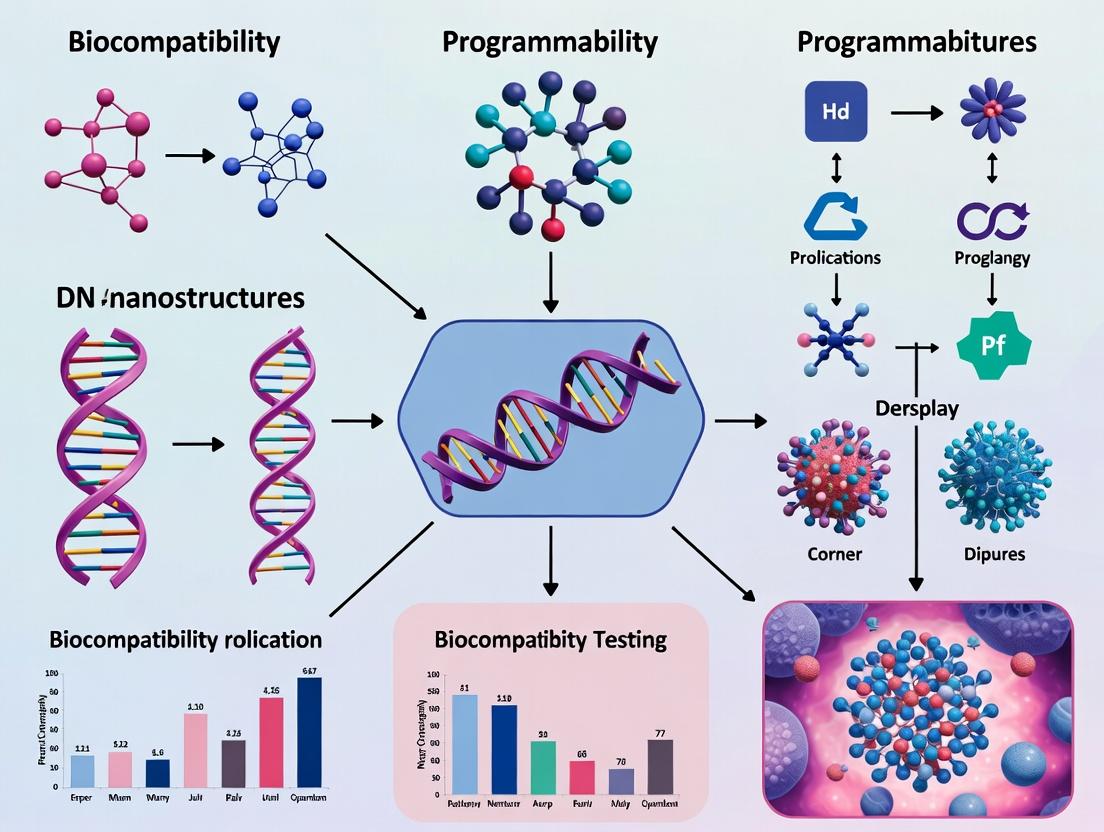
This review for researchers and drug development professionals explores the dual pillars of biocompatibility and programmability in DNA nanostructures for medical applications.
DNA Origami in Medicine: Engineering Biocompatible and Programmable Nanostructures for Targeted Therapies
Abstract
This review for researchers and drug development professionals explores the dual pillars of biocompatibility and programmability in DNA nanostructures for medical applications. We establish the fundamental principles of DNA self-assembly and structural control, then detail current methodologies for creating functional drug delivery systems, biosensors, and immunotherapies. The article addresses critical challenges in stability, immune evasion, and manufacturing scalability, providing optimization strategies. Finally, we compare DNA nanostructures to traditional nanomaterials like liposomes and polymers, validating their performance through in vitro and in vivo studies. The conclusion synthesizes the transformative potential of DNA nanotechnology while outlining the translational pathway from lab bench to clinical impact.
The Blueprint of Life as a Building Material: Core Principles of DNA Nanostructure Design
Structural DNA nanotechnology leverages the predictable base-pairing of DNA to create programmable nanostructures, forming the foundation for advanced biomedical tools. This whitepaper details the evolution from simple tile-based assemblies to sophisticated 3D origami, contextualized within the critical thesis of enhancing biocompatibility and programmability for targeted medical applications such as drug delivery, biosensing, and synthetic biology.
Evolution of Design Paradigms
Simple DNA Tiles
The field originated with the concept of using synthetic oligonucleotides as "tiles" that self-assemble into periodic lattices. Key motifs include double-crossover (DX) tiles, triple-crossover (TX) tiles, and tensegrity triangles. These tiles exploit sticky-end cohesion to form extended 1D or 2D arrays.
Table 1: Comparison of Foundational DNA Tile Motifs
| Tile Motif | Key Structural Feature | Typical Assembly Dimension | Staple Strands Required? | Reference Yield (Approx.) |
|---|---|---|---|---|
| DX Tile | Two parallel double helices linked twice | 2D Lattice | No | ~70-80% |
| TX Tile | Three parallel double helices linked | 2D Lattice | No | ~60-75% |
| Tensegrity Triangle | Rigid 3-helix bundle with specific angles | 3D Crystal | No | ~50-65% |
| Single-Stranded Tile (SST) | Single strand folds into tile; multi-tile assembly | 2D/3D Shapes | Not Applicable | ~85-95% |
DNA Origami
Introduced by Rothemund in 2006, scaffolded DNA origami involves folding a long, single-stranded viral genome (typically M13mp18, ~7249 bases) into arbitrary 2D or 3D shapes using hundreds of short synthetic "staple" strands. This breakthrough enabled the reliable construction of complex, monodisperse nanostructures at ~10 nm scale.
Table 2: Key Metrics for Standard 2D vs. 3D DNA Origami
| Parameter | 2D Origami (Flat Sheet) | 3D Origami (Pleated / Solid) |
|---|---|---|
| Typical Scaffold | M13mp18 ssDNA | M13mp18 ssDNA or p7249 |
| Number of Staple Strands | ~200-250 | ~700-1500 |
| Assembly Yield (Typical) | >90% | 70-90% |
| Assembly Time (isothermal) | 1-2 hours | 12-72 hours |
| Salt Condition (Mg²⁺) | 10-20 mM | 15-30 mM |
| Purification Method | Agarose Gel Electrophoresis, PEG Precipitation | Agarose Gel, PEG, or Density Gradient Ultracentrifugation |
Core Methodologies and Protocols
Protocol: Design and Assembly of a 2D DNA Origami Rectangle
Objective: To create a ~100 nm x 70 nm rectangular DNA origami structure. Materials: See "The Scientist's Toolkit" below. Procedure:
- Design: Use cadnano or Tiamat software. Map the M13 scaffold route in a raster-fill pattern. Design staple strands (~32 nt) to bind complementary segments of the scaffold, bringing distant regions together.
- Annealing: Mix M13 scaffold (10 nM final concentration) with a 10x molar excess of each staple strand in 1x TAE/Mg²⁺ buffer (40 mM Tris, 20 mM Acetic acid, 2 mM EDTA, 12.5 mM MgCl₂, pH 8.0). Total reaction volume: 50-100 µL.
- Thermal Ramp: Use a thermocycler: Heat to 80°C for 5 min, then cool from 65°C to 45°C at -1°C per 5 min, then to 20°C at -1°C per 15 min.
- Purification: Run the product on a 1.5% agarose gel (0.5x TBE, 11 mM MgCl₂) at 70 V for 2-3 hours on ice. Excise the band corresponding to the correctly folded structure (lower mobility). Extract using a gel extraction kit or electroelution.
- Characterization: Analyze via Atomic Force Microscopy (AFM) in tapping mode in liquid or on mica.
Protocol: Folding 3D DNA Origami (6-helix bundle)
Objective: To assemble a wireframe or solid 3D origami nanostructure. Procedure:
- Design: Utilize software like DAEDALUS or vHelix for wireframes, or caDNAno for multi-layer designs. Staple strands are designed to cross between helices, creating 3D tension.
- Annealing: Mix scaffold and staples in 1x TAE/Mg²⁺ buffer with higher Mg²⁺ (15-30 mM). Use a slower annealing ramp: Heat to 80°C for 10 min, cool from 65°C to 40°C at -1°C per 1-2 hours, then to 25°C at -1°C per 30 min.
- Purification: Due to higher density, purify using rate-zonal centrifugation in a glycerol gradient (10-40%) or via PEG precipitation.
- Characterization: Use Transmission Electron Microscopy (TEM) with negative staining (uranyl acetate) or cryo-EM for high-resolution validation.
Biocompatibility and Programmability for Medical Applications
The central thesis for medical translation requires addressing immunogenicity, stability in physiological fluids, and programmable functionality. Recent data highlights critical advances:
Table 3: Quantitative Data on Biocompatibility & In Vivo Performance
| Aspect | Measurement/Outcome | Method Used | Key Finding for Medical Application |
|---|---|---|---|
| Serum Stability (naked origami) | Half-life <30 minutes | Fluorescence quenching assay in 10% FBS | Rapid degradation by nucleases necessitates coating. |
| PEGylation Stability | Half-life extended to >24 hours | AFM & gel electrophoresis post-incubation in serum | PEG shells (5-10 kDa) significantly enhance stability. |
| Immunogenicity (Unmodified) | High IFN-α/IL-6 production in murine models | ELISA of blood serum post-injection | Triggers innate immune response via TLR9. |
| Immunogenicity (Coated) | 80-90% reduction in cytokine levels | Same as above | Coating with PEG or lipid bilayers mitigates response. |
| Tumor Accumulation (Passive) | ~3-5% Injected Dose per gram (%ID/g) | Radiolabeling (³²P) in murine xenografts | EPR effect enables passive targeting. |
| Tumor Accumulation (Active) | Up to ~10-12 %ID/g | Aptamer-functionalized origami, same method | Ligand-directed targeting improves specificity. |
| Drug Payload Capacity | Doxorubicin loading: ~0.5 molecules per helix turn (~100 molecules/origami) | Spectrophotometric quantification | High-density, spatially-addressable loading achievable. |
Key Signaling Pathways in Immune Recognition
DNA nanostructures can be recognized by intracellular and endosomal pattern recognition receptors (PRRs), notably TLR9, which triggers a pro-inflammatory cascade. Engineering strategies aim to evade or modulate this pathway.
Diagram 1: Immune Recognition Pathway of DNA Nanostructures
The Scientist's Toolkit: Research Reagent Solutions
Table 4: Essential Materials for Structural DNA Nanotechnology
| Item | Function & Rationale | Example Vendor/Product |
|---|---|---|
| M13mp18 ssDNA | Long, single-stranded scaffold DNA (7249 nt) for origami. Provides the structural backbone. | New England Biolabs (NEB) |
| Ultramer DNA Oligonucleotides | High-purity, long staple strands (up to 200 nt). Critical for complex 3D folds and low synthesis error rates. | Integrated DNA Technologies (IDT) |
| TAE/Mg²⁺ Buffer (20x concentrate) | Provides optimal pH and divalent cations (Mg²⁺) essential for folding and structural integrity. | Thermo Fisher Scientific |
| SYBR Safe DNA Gel Stain | Fluorescent dye for visualizing DNA nanostructures in agarose gels with minimal mutagenicity. | Thermo Fisher Scientific |
| Ni-NTA Coated Grids (for TEM) | Facilitates selective immobilization of His-tagged DNA origami for clean TEM imaging. | Electron Microscopy Sciences |
| 1,2-dioleoyl-sn-glycero-3-phosphocholine (DOPC) Lipids | For forming lipid bilayer coatings to enhance biocompatibility and serum stability. | Avanti Polar Lipids |
| Methoxy-PEG-SPA (5 kDa) | For covalent PEGylation of amine-modified DNA nanostructures to reduce immunogenicity. | Creative PEGWorks |
| DNA Clean & Concentrator Kits | For rapid purification and buffer exchange of staple strand pools and assembled nanostructures. | Zymo Research |
Advanced Programmable Functions for Medicine
Dynamic Nanodevices & Logic Gates
DNA nanostructures can be engineered with conformational switches (e.g., i-motifs, toehold-mediated strand displacement) to create logic gates for diagnostic sensing or conditional drug release.
Diagram 2: Logic-Gated DNA Nanostructure for Sensing
Experimental Workflow for Therapeutic Development
Diagram 3: Therapeutic DNA Nanostructure Development Workflow
Structural DNA nanotechnology has matured from simple tiles to complex, atomically-precise 3D origami. Framed within the thesis of medical application, the current research frontier focuses on integrating high biocompatibility coatings with sophisticated programmable functions—such as logic-gated drug release and dynamic shape-shifting—to create the next generation of "smart" nanomedicines. The quantitative data and standardized protocols outlined herein provide a foundation for researchers to advance this transformative technology toward clinical translation.
Within the accelerating field of nanomedicine, the quest for materials with optimal biocompatibility and programmability is paramount. This whitepaper frames DNA not merely as a genetic blueprint but as a premier biological polymer for constructing nanostructures aimed at advanced medical applications. Its innate biochemical compatibility, derived from billions of years of evolutionary refinement within biological systems, provides a foundational advantage over synthetic materials. This document explores the intrinsic properties of DNA that fulfill the biocompatibility imperative, details experimental paradigms for leveraging these properties, and provides a toolkit for researchers driving innovation in targeted drug delivery, diagnostic sensing, and tissue engineering.
Core Biocompatibility Advantages of DNA
DNA's structure as a polymer of deoxyribonucleotides confers unique biocompatibility benefits essential for in vivo applications.
2.1 Inherently Low Immunogenicity and Toxicity Unlike many synthetic polymers or viral vectors, well-structured DNA (e.g., double-stranded, phosphorothioate-modified) exhibits minimal activation of innate immune responses when delivered extracellularly. Unmethylated CpG motifs can be intentionally designed or avoided, allowing for tunable immune recognition.
2.2 Predictable Biodegradation DNA is susceptible to enzymatic degradation by nucleases (e.g., DNase I, DNase II), resulting in natural nucleotides as breakdown products. This controllable degradation profile eliminates long-term accumulation toxicity.
2.3 Precise Programmability via Watson-Crick Base Pairing The predictable A-T and G-C pairing allows for the algorithmic design of complex structures (DNA origami, tetrahedra) with sub-nanometer precision, enabling precise spatial arrangement of therapeutic cargos.
2.4 Facile Functionalization DNA strands can be chemically modified at termini or bases with amines, thiols, or carboxyl groups, enabling conjugation to proteins, drugs, lipids, or inorganic nanoparticles without compromising its core structural integrity.
Table 1: Quantitative Comparison of DNA vs. Common Synthetic Polymers for Nanomedicine
| Property | DNA Nanostructure | PEG (Polyethylene Glycol) | PLGA (Poly(lactic-co-glycolic acid)) | Reference (2023-2024) |
|---|---|---|---|---|
| Immunogenicity | Low (design-dependent) | Very Low (can induce anti-PEG antibodies) | Moderate (acidic degradation products) | ACS Nano 2023, 17, 5 |
| Degradation Products | Natural nucleotides (A, T, G, C) | Ethylene glycol | Lactic/Glycolic Acid | Nature Reviews Materials 2024, 9, 201 |
| Atomic Precision | ~0.34 nm (per base pair) | Not applicable (polydisperse) | Not applicable (polydisperse) | Science 2023, 382, eadf264 |
| Loading Capacity (w/w%) | High (up to ~60% for small molecules) | Low (requires conjugation) | High (up to ~50%) | Nano Letters 2024, 24, 123 |
| Renal Clearance Threshold | Tunable (size: 5-200 nm) | < 10 nm (rapid clearance) | > 10 nm (slow clearance) | Journal of Controlled Release 2023, 354, 446 |
Key Experimental Protocols
3.1 Protocol: Assessing In Vivo Stability and Pharmacokinetics of DNA Nanostructures Objective: To quantify the blood circulation half-life and biodistribution of a designed DNA origami structure. Materials: See "The Scientist's Toolkit" below. Method:
- Labeling: Conjugate fluorescent dye (e.g., Cy5) to select staple strands during synthesis. Alternatively, incorporate radioisotopes (e.g., ⁶⁴Cu) via chelator-modified strands.
- Purification: Purify labeled nanostructures using 100 kDa molecular weight cut-off (MWCO) centrifugal filters or agarose gel electrophoresis.
- Animal Administration: Inject 200 µL of 10 nM purified nanostructure intravenously into mouse model (n=5 per time point).
- Time-point Collection: At t = 5 min, 30 min, 2h, 8h, 24h, collect blood via retro-orbital bleed. Euthanize animals and harvest major organs (liver, spleen, kidneys, lungs, heart).
- Quantification: For fluorescence, homogenize organs and measure signal using a plate reader. Correct for autofluorescence. For radioisotopes, use gamma counting. Calculate % injected dose per gram of tissue (%ID/g).
- Stability Analysis: Run serum from time-point blood samples on agarose gel to visualize intact vs. degraded nanostructure.
3.2 Protocol: Evaluating Immune Activation by DNA Nanostructures In Vitro Objective: To measure cytokine response from immune cells exposed to various DNA nanostructure designs. Method:
- Cell Culture: Seed human peripheral blood mononuclear cells (PBMCs) or RAW 264.7 macrophages in 96-well plates.
- Treatment: Treat cells with: a) Unstructured single-stranded DNA (positive control for TLR9), b) DNA tetrahedron, c) DNA origami tile, d) LPS (positive control), e) Vehicle control. Use a concentration range of 1-100 nM.
- Incubation: Incubate for 18-24 hours at 37°C, 5% CO₂.
- Assay: Collect supernatant. Quantify key cytokines (e.g., IFN-α, TNF-α, IL-6) using a multiplex ELISA or Luminex assay.
- Analysis: Compare cytokine profiles to identify structure-dependent immune activation.
Visualizing Key Concepts
Title: DNA's Biocompatibility Advantages Drive Medical Applications
Title: Workflow for DNA Nanostructure Pharmacokinetics Study
The Scientist's Toolkit: Research Reagent Solutions
Table 2: Essential Materials for DNA Nanostructure Biocompatibility Research
| Item | Function & Rationale | Example Product/Supplier |
|---|---|---|
| Phosphoramidites & Modifiers | Solid-phase synthesis of custom DNA strands with chemical handles (Amine, Thiol, Azide, Dye). | Glen Research, ChemGenes |
| Thermocycler | For annealing DNA nanostructures using precise temperature ramps from 95°C to 4°C. | Bio-Rad T100, Eppendorf Mastercycler |
| Size-Exclusion Chromatography (SEC) Columns | Purification of assembled nanostructures from excess staple strands. | Superose 6 Increase, ÄKTA pure system (Cytiva) |
| Asymmetric Flow Field-Flow Fractionation (AF4) | High-resolution separation and analysis of nanostructure size/hydrodynamic radius. | Wyatt Technology Eclipse AF4 System |
| Transmission Electron Microscopy (TEM) with Negative Stain | Visualization of nanostructure morphology and integrity. | Uranyl acetate stain, Zeiss Libra 120 |
| Dynamic Light Scattering (DLS) & Zeta Potential | Measuring hydrodynamic diameter and surface charge in solution (key for stability). | Malvern Panalytical Zetasizer Ultra |
| DNase I / Serum Nuclease | To test in vitro degradation kinetics of nanostructures. | New England Biolabs (NEB) |
| Multiplex Cytokine Assay Kit | Quantifying immune response (e.g., IFN-α, TNF-α, IL-6) from cell supernatants. | Luminex Discovery Assay (Bio-Techne) |
| Near-Infrared (NIR) Fluorescent Dyes (Cy5.5, Cy7) | For in vivo imaging and biodistribution tracking. | Cyanine5.5 NHS ester (Lumiprobe) |
| 100 kDa MWCO Centrifugal Filters | Quick concentration and buffer exchange of nanostructures. | Amicon Ultra (MilliporeSigma) |
This technical whitepaper details the foundational principles and methodologies for programming the physical and mechanical properties of DNA nanostructures through precise nucleotide sequence design. Framed within the critical thesis of biocompatibility and programmability for medical applications, this guide provides researchers with the tools to engineer nanostructures with defined parameters for targeted drug delivery, biosensing, and therapeutic intervention. The convergence of predictable Watson-Crick base pairing and sophisticated design algorithms enables the creation of nanostructures whose size, shape, and stiffness can be encoded at the sequence level, directly impacting their in vivo performance, stability, and cellular interactions.
The programmability of DNA nanostructures stems from the predictable pairing of adenine-thymine (A-T) and guanine-cytosine (G-C) bases. By designing sequences that guide the folding of single-stranded scaffolds or the assembly of multiple oligonucleotide staples, researchers can create objects with nanometer precision. For medical applications, this precision translates to control over critical pharmacological parameters: size influences renal clearance and biodistribution, shape affects cellular uptake mechanisms, and mechanical properties (e.g., stiffness) modulate immune cell recognition and intracellular trafficking. Achieving biocompatibility requires not only precise spatial control but also strategies to enhance nuclease resistance and reduce immunogenicity, often through chemical modifications integrated during sequence design.
Core Design Principles
Encoding Size
The overall dimensions of a DNA origami structure are determined by the length of the scaffold strand (typically M13mp18, ~7249 bases) and the folding path dictated by staple strands. For tile-based or single-stranded tile (SST) assemblies, the number of repeating units defines the size.
Quantitative Relationships:
- DNA Origami (2D): A rectangular origami using the M13 scaffold yields a structure approximately 100 nm x 70 nm. Scaling involves using longer scaffolds or connecting multiple origami units.
- DNA Origami (3D): A 3D brick-like structure's size is given by the number of helical bundles in each dimension. The lattice spacing in the honeycomb or square lattice designs is ~2.7 nm or ~3.4 nm per helix turn, respectively.
- SST Assemblies: Each tile contributes ~2.5-3 nm. An
N x Narray measures roughly(N * 3) nm.
Table 1: Size Control via Design Parameters
| Design Paradigm | Primary Size Determinant | Typical Size Range | Medical Application Implication |
|---|---|---|---|
| 2D DNA Origami | Scaffold length & folding pattern | 50 - 150 nm per side | Optimizing for EPR effect (10-200 nm) in tumor targeting. |
| 3D DNA Origami | Number of helices per dimension | 20 - 100 nm | Engineering for vascular margination or filtration organ clearance. |
| Single-Stranded Tiles (SST) | Number of tile repeats | 10 nm - 1 μm | Creating large signaling scaffolds or precise multi-epitope displays. |
Encoding Shape
Shape is programmed by assigning staple strands to crosslink specific regions of the scaffold, forcing it into a desired topology. Software like caDNAno and vHelix allows for raster-based design of arbitrary shapes.
Key Techniques:
- Geometry: Using square, honeycomb, or custom lattice arrangements.
- Curvature: Introducing controlled bends by adding or deleting base pairs within helices to alter the twist and rise.
- Asymmetry: Designing staple sets that partition the scaffold into domains that assemble into non-symmetric forms (e.g, rods, triangles, smiley faces).
Encoding Mechanical Properties
Mechanical properties such as stiffness (persistence length) are controlled by the nanostructure's architecture and the integrity of its junctions.
Design Levers:
- Cross-sectional Design: A 6-helix bundle (6HB) is significantly stiffer than a 2-helix bundle. The number of parallel helices directly correlates with bending rigidity.
- Junction Stability: The arrangement of crossover points (e.g., every 16 base pairs vs. every 32 bp) affects torsional and flexural rigidity. More frequent crossovers increase stiffness.
- Ligand Integration: The strategic placement of proteins or nanoparticles can locally reinforce structure.
Table 2: Mechanical Property Modulation
| Structural Feature | Design Variable | Effect on Persistence Length (Stiffness) |
|---|---|---|
| Helix Bundle Diameter | Number of parallel helices (e.g., 2HB vs. 6HB) | Increases from ~30 nm (2HB) to >1000 nm (6HB). |
| Crossover Frequency | Base pairs between crossovers (e.g., 16 bp vs. 32 bp) | Higher frequency (16 bp) increases stiffness. |
| Ligand Incorporation | Site-specific conjugation of rigid moieties (e.g., gold nanoparticles) | Can locally or globally dramatically increase stiffness. |
Experimental Protocols
Protocol: Standard DNA Origami Folding
Objective: To assemble a designed 3D DNA origami structure (e.g., a 6-helix bundle rod). Materials: See "The Scientist's Toolkit" below. Method:
- Solution Preparation: Combine scaffold strand (M13mp18, 10 nM final concentration) with a 10-fold molar excess of each staple strand in 1x FOB (Folding Buffer: 5 mM Tris, 1 mM EDTA, 20 mM MgCl2, pH 8.0).
- Thermal Annealing: Place the mixture in a thermocycler. Use a ramp-down protocol: Heat to 80°C for 10 minutes to denature. Cool slowly from 65°C to 45°C at a rate of -0.1°C per minute, then from 45°C to 25°C at -1°C per minute. The slow cooling facilitates correct hybridization.
- Purification: To remove excess staples and salts, use spin filtration (100 kDa MWCO) or agarose gel electrophoresis (2% gel in 0.5x TBE with 11 mM MgCl2). Excise the band corresponding to the correctly folded structure and extract using electroelution or gel extraction kits.
- Characterization: Verify assembly via:
- AFM/TEM: For size and shape analysis.
- Agarose Gel Electrophoresis: To check folding yield and monodispersity.
Protocol: Characterizing Mechanical Properties via AFM Imaging
Objective: To determine the persistence length of a wireframe DNA origami structure. Method:
- Sample Preparation: Dilute purified origami to ~0.5 nM in 1x FOB. Deposit 10 μL onto a freshly cleaved mica surface. Incubate for 2 minutes.
- Surface Rinsing: Gently rinse the mica with 1 mL of ultrapure water to remove unbound structures and salts. Blot dry with filter paper.
- Imaging: Perform AFM in tapping mode in air. Scan multiple 2 μm x 2 μm areas to capture at least 50 individual nanostructures.
- Data Analysis: Trace the contour of each nanostructure. For a semi-flexible polymer, the mean squared end-to-end distance 〈R^2〉 is related to the contour length L and persistence length P by 〈R^2〉 = 2PL - 2P^2(1 - e^{-L/P}). Fit the measured data to this model to extract *P.
Visualizing Design and Analysis Workflows
DNA Nanostructure Design & Fabrication Workflow (76 chars)
Persistence Length Analysis from AFM Data (71 chars)
The Scientist's Toolkit
Table 3: Essential Research Reagent Solutions
| Item | Function in Research | Key Consideration for Biocompatibility |
|---|---|---|
| M13mp18 Phagemid DNA | The classic long, single-stranded DNA scaffold for origami. | Natural DNA is biodegradable; can be a source of immunogenicity. |
| Chemically Modified Oligos (Staples) | Short strands (20-60 nt) guiding scaffold folding. | Phosphorothioate backbones or 2'-O-methyl bases enhance nuclease resistance. |
| High-Purity MgCl₂ | Divalent cations essential for stabilizing duplex DNA by shielding negative charge. | Concentration (5-20 mM) is critical for folding yield and subsequent stability in physiological buffers. |
| Spin Filters (100 kDa MWCO) | Purification of folded nanostructures from excess staples, salts, and impurities. | Essential for removing small, immunostimulatory oligonucleotide fragments before in vitro or in vivo use. |
| Agarose (High Gel Strength) | For analytical or preparative gel electrophoresis of nanostructures. | Gels must be run in Mg²⁺-containing buffers (e.g., TAEMg) to maintain structural integrity. |
| Transmission Electron Microscopy (TEM) Stain (Uranyl Acetate) | Negative staining agent for high-resolution imaging of nanostructure shape and size. | Handling requires specific safety protocols due to radioactivity and toxicity. |
| Polyethylene Glycol (PEG) Conjugation Reagents | For functionalizing nanostructures with PEG chains to reduce immune clearance and improve pharmacokinetics. | PEGylation is a standard biocompatibility enhancement but requires optimization to avoid masking active sites. |
Within the broader thesis on the biocompatibility and programmability of DNA nanostructures for medical applications, the rational design of stable and functional architectures is paramount. This whitepaper details the three core structural motifs that underpin structural DNA nanotechnology: Holliday Junctions, single-stranded scaffolds, and staple strands. Mastery of these motifs enables the construction of precise, programmable nanostructures with tailored functionalities for targeted drug delivery, biosensing, and synthetic biology.
Core Structural Motifs: Technical Analysis
The Holliday Junction: The Fundamental Crossroad
The Holliday Junction (HJ) is a four-arm branched nucleic acid structure formed by the reciprocal exchange of strands between two double helices. In structural DNA nanotechnology, it is immobilized by preventing branch migration, typically through strategic sequence design at the crossover point.
Quantitative Parameters of Immobile Holliday Junctions: Table 1: Key Design Parameters for Stable Holliday Junctions
| Parameter | Typical Value/Range | Functional Impact |
|---|---|---|
| Arm Length (bp) | 10-21 base pairs | Determines rigidity and persistence length. |
| Crossover Spacing (bp) | 1.5 turns (~16 bp) or 2.0 turns (~21 bp) | Ensures coaxial stacking of helices for structural integrity. |
| Ion Dependency | 10-20 mM Mg²⁺ | Mg²⁺ shields negative phosphate backbone repulsion. |
| Thermal Stability (Tm) | 50-70°C | Depends on arm sequences and length. |
| Inter-arm Angle | ~60° (for 1.5 turn spacing) | Defines the geometry of resulting lattice. |
Experimental Protocol: HJ Assembly & Verification via Native PAGE
- Oligonucleotide Design: Design four synthetic DNA strands (A, B, C, D) that form an immobile junction. Complementary regions are 16-21 bp.
- Sample Preparation: Combine equimolar amounts (e.g., 1 µM each) of the four strands in 1X TAE/Mg²⁺ buffer (40 mM Tris, 20 mM Acetic acid, 2 mM EDTA, 12.5 mM MgCl₂, pH 8.0).
- Annealing: Use a thermal cycler: Heat to 95°C for 5 min, then cool slowly to 20°C over 90 min.
- Electrophoresis: Load annealed sample on a 8-12% non-denaturing polyacrylamide gel in 1X TAE/Mg²⁺ running buffer. Run at 80V for 60-90 min at 4°C.
- Visualization: Stain gel with SYBR Gold or ethidium bromide and image. A correctly formed HJ migrates as a single, discrete band distinct from partial assemblies or individual strands.
Diagram Title: HJ Assembly & Gel Validation Workflow
Single-Stranded Scaffolds & Staples: The DNA Origami Method
The scaffolded DNA origami method, pioneered by Rothemund, utilizes a long, single-stranded viral genome (typically M13mp18, ~7249 nucleotides) as a scaffold that is folded into a custom 2D or 3D shape by hundreds of short, synthetic "staple" strands.
Quantitative Design Specifications: Table 2: DNA Origami Component Specifications
| Component | Source/Length | Role | Key Quantitative Metrics |
|---|---|---|---|
| Scaffold | M13mp18 phage DNA (7249 nt) | Provides structural backbone. | Length dictates nanostructure size (~100 nm for 2D). |
| Staple Strands | Synthetic oligos (~18-60 nt) | Hybridize to specific scaffold segments to force folding. | Typically 200-250 staples; 32-nt spacing between crossovers. |
| Folding Buffer | 1X TAE, 10-20 mM Mg²⁺ | Provides ionic conditions for stability. | Mg²⁺ concentration critical for yield (> 5 mM). |
| Yield | - | Percentage of correctly folded structures. | Often >70% with optimized protocols. |
Experimental Protocol: 2D DNA Origami Assembly & Purification
- Staple Design: Use CADnano or caDNAno software to design a 2D rectangular origami. Assign staple sequences complementary to the M13 scaffold.
- Staple Pool Preparation: Pool all staple strands (typically 200+ oligos) at 100X molar excess each relative to the scaffold (e.g., scaffold: 20 nM; each staple: 2 µM).
- Annealing: Mix scaffold and staple pool in 1X TAE/Mg²⁺ buffer. Perform a thermal ramp in a thermocycler: 80°C for 5 min, then cool from 65°C to 45°C at -1°C/5 min, then to 20°C at -1°C/15 min.
- Purification (PEG Precipitation): To remove excess staples, add PEG solution (15% PEG-8000, 500 mM NaCl) to the annealed mixture (1:1 v/v). Incubate on ice for 30 min.
- Centrifugation: Centrifuge at 16,000 x g for 30 min at 4°C. Carefully remove supernatant.
- Resuspension: Resuspend the pellet (containing folded origami) in 1X TAE/Mg²⁺ buffer with gentle pipetting. Validate by agarose gel electrophoresis or AFM/TEM imaging.
Diagram Title: DNA Origami Fabrication & Purification Process
The Scientist's Toolkit: Research Reagent Solutions
Table 3: Essential Materials for DNA Nanostructure Assembly
| Item | Function | Example & Notes |
|---|---|---|
| M13mp18 Scaffold | Long, single-stranded DNA backbone for origami. | Purified from E. coli infected with M13 phage; commercially available (e.g., from NEB). |
| Synthetic Oligonucleotides (Staples) | Short strands to fold scaffold via sequence-specific hybridization. | HPLC- or PAGE-purified; resuspended in TE buffer; stored at -20°C. |
| TAE/Mg²⁺ Buffer | Folding buffer providing ionic strength and divalent cations. | 40 mM Tris, 20 mM Acetate, 2 mM EDTA, 12.5 mM MgCl₂, pH 8.0. Mg²⁺ is critical. |
| Thermal Cycler | Provides precise temperature control for annealing ramps. | Essential for reproducible folding of complex structures. |
| PEG-8000/NaCl Solution | For precipitation and purification of assembled nanostructures. | Removes excess staple strands; 15% PEG, 500 mM NaCl final concentration. |
| SYBR Gold Nucleic Acid Stain | High-sensitivity fluorescent gel stain for visualization. | Used for agarose or PAGE analysis of assembly yield. |
| Atomic Force Microscopy (AFM) | High-resolution imaging of nanostructures in liquid or air. | Key for validating 2D and 3D shapes; requires mica substrate. |
Integration with Medical Application Thesis
The programmability afforded by these motifs directly enables biocompatibility engineering. Staples can be functionalized with cholesterol for membrane anchoring, aptamers for cell targeting, or site-specifically attached therapeutics. The precise spatial addressability allows for the organization of drug molecules and immunostimulants at the nanoscale, optimizing pharmacokinetics and therapeutic index—a core tenet of the overarching research thesis.
This technical guide details the application of Atomic Force Microscopy (AFM) and Transmission Electron Microscopy (TEM) in the research of biocompatible and programmable DNA nanostructures for medical applications. These techniques are indispensable for validating structural integrity, measuring mechanical properties, and confirming the successful functionalization of DNA-based nanodevices intended for drug delivery, biosensing, and in vivo diagnostics.
| Feature | Atomic Force Microscopy (AFM) | Transmission Electron Microscopy (TEM) |
|---|---|---|
| Primary Interaction | Mechanical force between tip and sample. | Transmission of high-energy electrons through sample. |
| Resolution | Sub-nanometer (height), ~1 nm (lateral). | <0.1 nm (atomic-scale). |
| Sample Environment | Ambient air, liquid, vacuum. | High vacuum required. |
| Sample Type | Conductors & insulators; biological samples in native state (in fluid). | Must withstand high vacuum; typically requires heavy metal staining or cryo-preparation. |
| Information Obtained | 3D topography, mechanical properties (elasticity, adhesion), surface potential. | 2D projection image, crystallographic structure, elemental composition (with EDS). |
| Key Advantage for DNA Nanotech | Real-time imaging in physiological buffer, measures mechanical properties. | Ultra-high resolution reveals precise structural details and assembly fidelity. |
| Key Limitation | Lateral resolution limited by tip radius. Potential sample deformation. | Complex sample prep; potential beam damage; no native-state imaging in liquid. |
| Typical Throughput | Low to medium (minutes to hours per image). | Medium (once sample is in vacuum). |
Experimental Protocols for DNA Nanostructure Characterization
AFM Sample Preparation and Imaging in Liquid
Objective: To image DNA origami structures (e.g., a triangular plate) in a near-physiological environment to assess structural integrity and homogeneity.
Materials:
- Functionalized Mica Substrate: Mica freshly cleaved and treated with 10 µL of 0.01% (v/v) (3-aminopropyl)triethoxysilane (APTES) for 5 minutes, then rinsed with Milli-Q water and dried under N₂ gas. This creates a positive charge to electrostatically adsorb negatively charged DNA.
- Imaging Buffer: 10 mM Tris-HCl, pH 7.6, 1 mM EDTA, 10 mM MgCl₂. Mg²⁺ cations are crucial for stabilizing DNA structures on the mica surface.
- DNA Nanostructure Sample: Purified DNA origami at a concentration of 0.5-2 nM in the imaging buffer.
- AFM Cantilever: Silicon nitride cantilever with a sharp tip (nominal spring constant ~0.1 N/m, resonant frequency ~20 kHz in liquid).
Procedure:
- Sample Deposition: Pipette 20 µL of the DNA nanostructure solution onto the APTES-mica surface. Incubate for 2 minutes.
- Washing: Gently rinse the surface with 1 mL of imaging buffer to remove unbound nanostructures.
- Fluid Cell Assembly: Place a 30-50 µL droplet of imaging buffer onto the mica. Carefully mount the mica disk and the liquid droplet into the AFM fluid cell, ensuring no air bubbles are trapped.
- Cantilever Engagement: Insert the cantilever into the holder, align the laser, and engage the tip onto the surface in contact mode.
- Imaging: Switch to AC mode (tapping mode) in liquid. Set a low scan rate (1-2 Hz) with 512x512 pixel resolution. Continuously adjust drive amplitude and setpoint to minimize tip-sample force.
- Analysis: Use AFM software to flatten images and perform particle analysis to measure dimensions and count yields.
TEM Sample Preparation via Negative Staining
Objective: To obtain high-contrast, high-resolution images of functionalized DNA nanostructures (e.g., a DNA cube conjugated with targeting antibodies).
Materials:
- TEM Grids: 400-mesh copper grids coated with a continuous thin carbon film (3-5 nm).
- Negative Stain: 2% (w/v) Uranyl acetate solution, filtered (0.02 µm).
- Hydrophilic Treatment: Glow discharger for 30 seconds to make the carbon surface hydrophilic.
- Sample Buffer: A low-salt buffer (e.g., 5 mM Tris-HCl, pH 8.0) to prevent crystallization of salts upon drying.
- Filter Paper: High-grade qualitative filter paper for blotting.
Procedure:
- Grid Preparation: Subject the carbon-coated side of the TEM grid to a glow discharge.
- Sample Application: Apply 5 µL of the DNA nanostructure sample (at ~10 nM concentration in low-salt buffer) onto the grid. Let adsorb for 60 seconds.
- Blotting: Wick away excess liquid by touching the edge of the grid with a piece of filter paper.
- Staining: Immediately apply 5 µL of the 2% uranyl acetate stain to the grid. Let it sit for 45 seconds.
- Final Blot and Dry: Blot away the stain completely and allow the grid to air-dry for at least 10 minutes.
- TEM Imaging: Insert the grid into the TEM holder. Image at an accelerating voltage of 80 kV (to minimize beam damage) using a high-contrast objective aperture. Record images on a CCD camera.
Visualization of Workflows
AFM Imaging Workflow for DNA Nanostructures
TEM Negative Staining Workflow
The Scientist's Toolkit: Essential Research Reagents & Materials
| Item | Function in DNA Nanostructure Characterization |
|---|---|
| APTES-Functionalized Mica | Creates a positively charged, atomically flat surface for electrostatic immobilization of DNA nanostructures for AFM. |
| Mg²⁺-Containing Imaging Buffer (e.g., Tris-Mg) | Provides divalent cations essential for stabilizing DNA structure and promoting its adhesion to mica in AFM. |
| Silicon Nitride AFM Cantilevers (for liquid) | Soft levers with sharp tips designed for minimally invasive imaging of biomolecules in fluid. |
| Continuous Carbon Film TEM Grids | Provide a thin, uniform, and electron-transparent support film for adsorbing DNA samples. |
| Uranyl Acetate (2% w/v) | A heavy metal salt used in negative staining to envelop particles, creating high electron contrast against the background. |
| Glow Discharger | Renders hydrophobic carbon grids hydrophilic, ensuring even sample spreading and adsorption. |
| Size-Exclusion Chromatography (SEC) Columns | For purifying assembled DNA nanostructures from excess staples and aggregates prior to imaging, critical for both AFM/TEM. |
| Cryo-Plunger (for cryo-TEM) | Rapidly vitrifies samples in thin ice, enabling TEM imaging of DNA nanostructures in their native, hydrated state without staining. |
From Blueprint to Biologic: Fabricating Functional DNA Nanodevices for Targeted Applications
Within the context of enhancing the biocompatibility and programmability of DNA nanostructures for medical applications, the synthesis and self-assembly of these nanostructures are critical. The choice of assembly protocol—thermal annealing or isothermal methods—directly impacts yield, structural fidelity, scalability, and ultimately, suitability for in vivo applications such as targeted drug delivery and biosensing. This guide provides an in-depth technical comparison and detailed protocols for these two foundational approaches.
Thermal Annealing: A Gold-Standard Protocol
Thermal annealing involves a controlled, gradual cooling of DNA strands from a denaturing high temperature to promote specific hybridization and folding into the desired nanostructure. It is the most established method for creating complex DNA origami and multi-component assemblies.
Detailed Protocol: Standard DNA Origami Assembly via Thermal Annealing
This protocol is for assembling a classical rectangular DNA origami (~100 nm x 70 nm) using the M13mp18 scaffold.
Materials (Research Reagent Solutions):
- M13mp18 Scaffold Strand: (10 nM, in Tris-EDTA (TE) buffer with 12.5 mM MgCl₂). The long, single-stranded DNA template.
- Staple Strands: (100 nM each, in TE-Mg buffer). 200+ short synthetic oligonucleotides that fold the scaffold.
- Annealing Buffer: 1x TAE-Mg²⁺ (40 mM Tris, 20 mM acetic acid, 2 mM EDTA, 12.5 mM MgCl₂, pH 8.0). Mg²⁺ is crucial for structural integrity.
- Thermal Cycler: With precise ramping control.
Procedure:
- Mix: Combine scaffold strand and staple strands at a 1:10 molar ratio in annealing buffer. Typical final volumes are 50-100 µL.
- Denature and Anneal: Place the mixture in a thermal cycler and run the following program:
- Heat to 80°C for 5 minutes (denature all strands).
- Cool from 80°C to 60°C at a rate of 1°C per minute.
- Cool from 60°C to 24°C at a rate of 0.1°C per minute.
- Purification: Remove excess staples and salts using methods like polyethylene glycol (PEG) precipitation, ultrafiltration (e.g., Amicon filters, 100 kDa MWCO), or gel electrophoresis. Purification is essential for downstream biocompatibility assays.
- Characterization: Analyze yield and structure via agarose gel electrophoresis (2% gel, 0.5x TBE, 11 mM MgCl₂, stained with SYBR Gold) and imaging via atomic force microscopy (AFM) or transmission electron microscopy (TEM).
Quantitative Performance Data
Table 1: Typical Yields and Characteristics of Thermally Annealed DNA Nanostructures
| Structure Type | Typical Yield | Assembly Time | Key Advantage | Primary Limitation |
|---|---|---|---|---|
| 2D DNA Origami (e.g., Rectangle) | 70-90% | 8-14 hours | High structural fidelity, predictable folding. | Slow, energy-intensive, not readily scalable. |
| 3D DNA Origami (e.g., Tetrahedron) | 50-80% | 12-24 hours | Robust 3D structures for drug encapsulation. | Lower yield for complex shapes, can require optimization. |
| Multi-Component Tiles | 60-85% | 6-12 hours | Enables large superstructures. | Prone to kinetic traps if cooling is too rapid. |
Isothermal Methods: Rapid and Scalable Alternatives
Isothermal assembly occurs at a single, constant temperature, leveraging enzymatic or strand-displacement mechanisms. These methods are faster and more suitable for point-of-use or scalable production.
Detailed Protocol: Isothermal Assembly Using Polymerase-Mediated Chain Reaction
This method uses a polymerase (e.g., Bst 2.0 or phi29) to extend staple strands along a scaffold at a constant temperature.
Materials (Research Reagent Solutions):
- M13 Scaffold & Staples: As in thermal annealing.
- Isothermal Buffer: (e.g., 1x Isothermal Amplification Buffer, containing dNTPs and salts).
- DNA Polymerase: Bst 2.0 WarmStart or phi29 DNA Polymerase (5-10 units/µL). Drives strand extension and displacement.
- Nicking Endonuclease (optional): For creating nicks in double-stranded regions to facilitate reconfiguration.
Procedure:
- Mix: Combine scaffold, staples, dNTPs, and isothermal buffer. Add the DNA polymerase last.
- Incubate: Incubate the reaction at a constant temperature (typically 50-60°C for Bst polymerase) for 30 minutes to 2 hours.
- Heat Inactivation: Heat the reaction to 80°C for 20 minutes to inactivate the polymerase.
- Purification & Characterization: As per thermal annealing protocol (Step 3 & 4).
Detailed Protocol: One-Pot Hybridization Using Single-Stranded Binding Proteins
This method uses proteins like T4 Gene 32 Protein (gp32) to destabilize secondary structure in ssDNA, facilitating hybridization at lower, constant temperatures.
Procedure:
- Mix: Combine scaffold, staples, and assembly buffer (with Mg²⁺).
- Add Protein: Introduce T4 gp32 protein (at a ~1:20 protein:nucleotide mass ratio).
- Incubate: Hold the mixture at a constant 37-45°C for 1-3 hours.
- Purification: Remove protein via phenol-chloroform extraction or protease treatment before characterization.
Quantitative Performance Data
Table 2: Comparison of Isothermal Assembly Methods
| Method | Core Component | Temperature | Time | Reported Yield | Best For |
|---|---|---|---|---|---|
| Polymerase-Mediated | Bst 2.0 Polymerase | 50-60°C | 30 min - 2 hr | 60-80% | Rapid production of standard origami. |
| SSB-Assisted | T4 gp32 Protein | 37-45°C | 1-3 hr | 50-75% | Assemblies prone to scaffold secondary structure. |
| Strand Displacement | Pre-formed Seeding Complexes | 25-37°C | 2-6 hr | >90% for tiles | Dynamic, responsive systems for logic-gated drug release. |
Comparative Workflow and Selection Guide
Figure 1: Protocol Selection Workflow for Medical DNA Nanostructures
The Scientist's Toolkit: Essential Reagents for DNA Nanostructure Assembly
Table 3: Key Research Reagent Solutions for DNA Self-Assembly
| Reagent/Material | Function & Role in Biocompatibility/Programmability | Example Product/Catalog |
|---|---|---|
| Scaffold DNA (e.g., M13mp18) | Long, single-stranded template; its sequence and length define the nanostructure's addressable sites for drug conjugation. | M13mp18 phage DNA (NEB, N4040) |
| Staple Oligonucleotides | Short, synthetic strands; sequences are programmable to create functional groups (e.g., thiols, amines, azides) for bioconjugation. | Custom oligos from IDT, Sigma. |
| High-Fidelity Buffer (TAE/TBE-Mg²⁺) | Provides ionic strength and Mg²⁺ cations essential for neutralizing DNA backbone repulsion and ensuring structural stability in physiological salt conditions. | Custom mix or NEBuffer 3.1. |
| Bst 2.0 WarmStart Polymerase | For isothermal assembly; enables rapid, enzymatic folding. Its thermostability allows for clean room compatibility in GMP synthesis. | NEB, M0538L |
| T4 Gene 32 Protein (gp32) | Single-stranded binding protein; suppresses secondary structure, enabling low-temperature assembly which preserves heat-sensitive cargoes (e.g., proteins). | NEB, M0300S |
| PEG Precipitation Solution | Purification reagent; removes excess staples and salts, critical for reducing immunostimulatory CpG motifs and achieving clean in vivo profiles. | 15% PEG8000, 1.6 M NaCl |
| Ultrafiltration Units (100 kDa) | Size-based purification; concentrates nanostructures and exchanges buffer into biocompatible solutions like PBS or cell culture media. | Amicon Ultra Centrifugal Filters (Merck) |
The selection between thermal annealing and isothermal methods is not merely technical but strategic, directly influencing the therapeutic potential of DNA nanostructures. Thermal annealing remains the benchmark for synthesizing complex, high-fidelity diagnostic scaffolds. In contrast, the speed, scalability, and enzymatic integration of isothermal methods position them as transformative for the scalable production of programmable, biocompatible therapeutic nanodevices. Future protocol development will focus on integrating these assembly pathways with downstream purification and lyophilization to create end-to-end pipelines for clinical translation.
Within the broader thesis on the Biocompatibility and Programmability of DNA Nanostructures for Medical Applications, the development of robust functionalization strategies is paramount. DNA nanostructures, such as origami, tetrahedra, and tiles, offer unparalleled spatial addressability. However, their therapeutic and diagnostic utility is realized only through precise conjugation of bioactive payloads. This technical guide details current methodologies for attaching drugs, aptamers, proteins, and imaging agents, focusing on covalent and high-affinity interactions that maintain functionality within biological systems.
Covalent Conjugation Strategies
Covalent bonds provide stable, permanent attachment under physiological conditions.
Amine-Carboxylic Acid Coupling
A classic bioconjugation method utilizing EDC (1-ethyl-3-(3-dimethylaminopropyl)carbodiimide) and NHS (N-hydroxysuccinimide) to form amide bonds.
- Protocol: DNA nanostructure with amino-modified handle (e.g., 5'-Amine C6) is buffer-exchanged into 0.1 M MES, pH 5.5. A 100-fold molar excess of EDC and NHS are added to the payload carboxylic acid, incubated for 15 min. Activated payload is then mixed with the DNA nanostructure (1:5 molar ratio) for 2 hours at room temperature. Reaction is quenched with hydroxylamine and purified via spin filtration (100kDa MWCO).
- Typical Yield: 60-85%, depending on steric accessibility.
Click Chemistry
Copper-catalyzed Azide-Alkyne Cycloaddition (CuAAC) and strain-promoted (DBCO-azide) click reactions offer high specificity and efficiency in aqueous buffers.
- Protocol (DBCO-Azide): DNA nanostructure is synthesized with a 5'-Azide modifier. The payload is functionalized with DBCO. Conjugation is performed in 1x PBS, pH 7.4, at a 1:3 (nanostructure:payload) molar ratio for 12-16 hours at 4°C with gentle agitation. Unreacted payload is removed by agarose gel electrophoresis or tangential flow filtration.
- Typical Yield: >90% for DBCO-azide; 70-85% for CuAAC (with careful copper removal).
Maleimide-Thiol Coupling
Ideal for conjugating cysteine-containing proteins or thiolated drugs to maleimide-modified DNA.
- Protocol: DNA nanostructure with a 3' or 5' maleimide group is reduced with TCEP (tris(2-carboxyethyl)phosphine) to cleave any disulfides. Separately, the thiol-containing payload is also treated with TCEP. Both are buffer-exchanged into degassed, thiol-free buffer (e.g., 1x PBS, 1mM EDTA, pH 7.0). Components are mixed at 1:2 molar ratio and reacted for 4-6 hours under inert atmosphere. Purification via size exclusion chromatography.
Table 1: Comparison of Covalent Conjugation Strategies
| Strategy | Reactive Pair | Typical Efficiency | Reaction Time | Key Advantage | Key Limitation |
|---|---|---|---|---|---|
| Amine-NHS Ester | -NH₂ + -COOH | 60-85% | 1-2 hours | Wide commercial availability of reagents | Non-specific coupling to lysines on proteins |
| CuAAC | Azide + Alkyne | 70-85% | 1-3 hours | Extremely specific, bioorthogonal | Cytotoxic Cu catalyst must be removed |
| SPAAC | Azide + DBCO | >90% | 6-16 hours | No catalyst, high specificity | DBCO reagents can be large/bulky |
| Maleimide-Thiol | Maleimide + -SH | 80-95% | 4-6 hours | Fast, specific for cysteine/thiols | Maleimide can hydrolyze or cross-react |
Affinity-Based Conjugation Strategies
Utilizes high-specificity, non-covalent interactions for reversible or modular assembly.
Streptavidin-Biotin
The strongest non-covalent interaction in nature (Kd ~ 10⁻¹⁴ M). Often used to link biotinylated payloads to streptavidin-coated DNA nanostructures or vice-versa.
- Protocol: DNA nanostructure is functionalized with a biotin-TEG modifier via base-pairing to a docking strand. Streptavidin is added at a 4:1 (biotin:streptavidin) ratio to prevent cross-linking, incubated 30 min on ice. Biotinylated payload (e.g., drug, protein) is then added in a stepwise, controlled fashion. Purification by ultracentrifugation (100kDa MWCO).
Aptamer-Based Capture
Aptamers integrated into the nanostructure serve as capture strands for target proteins or cells.
- Protocol: The DNA aptamer sequence is designed as an extended staple strand in DNA origami. The purified nanostructure is incubated with the target protein (e.g., thrombin, PDGF) at a 1:20 molar ratio in binding buffer (specific to aptamer) for 1 hour at 37°C. Unbound protein is removed using gel filtration (Superdex 200).
Table 2: Comparison of Affinity-Based Conjugation Strategies
| Strategy | Interactive Pair | Binding Affinity (Kd) | Conjugation Time | Key Advantage | Key Limitation |
|---|---|---|---|---|---|
| Streptavidin-Biotin | Streptavidin + Biotin | ~10⁻¹⁴ M | 30-60 min | Extremely strong, stable, versatile | Immunogenicity of streptavidin; large size |
| Aptamer Capture | Aptamer + Target Protein | nM - pM range | 30-90 min | High specificity, inherent programmability | Requires de novo selection for new targets |
| Hybridization | Complementary DNA strands | nM range | Minutes (via annealing) | Perfect programmability, reversible by temperature | Stability in vivo (nuclease susceptibility) |
Site-Specific Protein Conjugation
Critical for maintaining protein activity. Combines DNA handle placement with controlled chemistry.
HaloTag Fusion Protein Strategy
- Protocol: The protein of interest is expressed as a HaloTag fusion. DNA nanostructure is functionalized with a chloroalkane ligand (O4). The fusion protein and nanostructure are combined in a 1:1.5 molar ratio in conjugation buffer (50 mM HEPES, 100 mM NaCl, pH 7.4) for 1 hour at 25°C. Stoichiometry is controlled by limiting chloroalkane ligands on the nanostructure.
Sortase-Mediated Ligation
- Protocol: DNA nanostructure is modified with an oligo bearing the LPXTG sortase recognition motif. The protein payload carries an N-terminal polyglycine sequence. Reaction: 10 µM nanostructure, 15 µM protein, 1 µM Sortase A (SrtA), 5 mM CaCl₂ in Tris-buffer, pH 7.5, incubated at 25°C for 2 hours. SrtA is removed via Ni-NTA resin if His-tagged.
Visualization of Common Conjugation Workflows
Characterization and Validation Protocols
Essential for confirming successful conjugation and functionality.
Agarose Gel Electrophoresis (Native Conditions)
- Protocol: 1-2% agarose gel in 0.5x TBE with 11 mM MgCl₂. Samples mixed with 6x loading dye (no SDS/EDTA). Run at 70V for 90 min at 4°C. Stain with SYBR Gold or EtBr. Shift in mobility indicates successful conjugation.
Transmission Electron Microscopy (Negative Stain)
- Protocol: Conjugate sample (10-20 nM) applied to glow-discharged carbon-coated grid for 60 sec. Stained with 2% uranyl formate for 45 sec. Imaging at 80 kV. Gold nanoparticles (5-10 nm) conjugated as fiducial markers can confirm site-specificity.
Cell-Based Binding/Internalization Assay
- Protocol: Target cells seeded in 24-well plates. Cy5-labeled, functionalized DNA nanostructure (5 nM) added and incubated (37°C, 5% CO₂) for 2 hours. Cells washed, trypsinized, and analyzed via flow cytometry. Compare to non-targeted (scrambled aptamer) control.
The Scientist's Toolkit: Key Research Reagent Solutions
| Item/Category | Example Product/Code | Function in Functionalization |
|---|---|---|
| DNA Modification Kits | Solulink 3' or 5' Modification Kits | Adds amino, thiol, azide, DBCO, or biotin groups to oligonucleotides for subsequent conjugation. |
| Crosslinkers | SM(PEG)n (Thermo Fisher) | Heterobifunctional PEG-based crosslinkers (e.g., NHS-Maleimide) for stepwise coupling. |
| Click Chemistry Reagents | DBCO-PEG4-NHS Ester (Click Chemistry Tools) | Converts primary amines on payloads into DBCO groups for SPAAC with azide-DNA. |
| Purification Columns | Amicon Ultra 100kDa MWCO (Millipore) | Spin filters for buffer exchange and removal of unconjugated small molecules/proteins. |
| Streptavidin Variants | Streptavidin, Monomeric (Promega) | Monomeric streptavidin prevents cross-linking of biotinylated nanostructures. |
| Site-Specific Tag Systems | HaloTag Ligand (O4) (Promega) | Enables covalent, stoichiometric fusion of HaloTag-proteins to ligand-modified DNA. |
| Staining Reagent | Uranyl Formate (Electron Microscopy Sciences) | High-contrast negative stain for TEM visualization of DNA-protein conjugates. |
| Fluorescent Dye | Cy5 NHS Ester (Lumiprobe) | Labels oligonucleotides or proteins for tracking in cellular or in vitro assays. |
The strategic selection and implementation of functionalization chemistry are critical determinants in the performance of DNA nanostructures for medical applications. Covalent methods provide durable linkages, while affinity-based systems offer modularity. Successful integration within the biocompatibility and programmability thesis requires rigorous characterization to ensure that conjugation not only occurs with high yield and specificity but also preserves the biological activity of the payload and the structural integrity of the carrier. As the field advances, new bioorthogonal reactions and enzymatic tagging methods will further enhance the precision of these transformative nanomedicines.
This whitepaper details the application of programmable DNA nanostructures as smart drug delivery systems (SDDS) for chemotherapy and gene therapy, framed within a broader thesis on their Biocompatibility and Programmability for Medical Applications. The core thesis posits that the inherent biocompatibility, precise addressability, and dynamic responsiveness of DNA nanostructures make them an ideal platform for next-generation, targeted therapeutics. This document provides a technical guide to their design, experimental validation, and translational potential, targeting researchers and drug development professionals.
Core Design Principles & Quantitative Data
DNA nanostructures for drug delivery are engineered based on three pillars: structural programmability, targetability, and stimuli-responsive drug release. Recent data highlights their advantages over conventional delivery systems.
Table 1: Comparative Performance Metrics of DNA Nanostructure-Based SDDS vs. Conventional Liposomes
| Performance Metric | DNA Nanostructure SDDS (Average Range) | Conventional Liposome (Average Range) | Key Improvement |
|---|---|---|---|
| Drug Loading Capacity (w/w%) | 20% - 80% | 5% - 15% | >4x increase |
| Tumor Accumulation (% Injected Dose/g) | 5% - 15% ID/g | 1% - 5% ID/g | 2-3x enhancement |
| Systemic Circulation Half-life (hr) | 4 - 24 hrs | 2 - 8 hrs | Improved pharmacokinetics |
| Off-target Release Reduction | 60% - 90% | 20% - 40% | Significant targeting precision |
| In Vivo Tumor Growth Inhibition | 70% - 95% | 40% - 60% | Enhanced therapeutic efficacy |
Table 2: Common DNA Nanostructure Scaffolds & Their Properties
| Scaffold Type | Typical Size (nm) | Drug Loading Mechanism | Advantages | Common Therapeutic Cargo |
|---|---|---|---|---|
| DNA Tetrahedron | 5 - 20 | Intercalation, covalent conjugation | High cellular uptake, defined structure | Doxorubicin, siRNA, CpG oligonucleotides |
| DNA Origami (e.g., Tube) | 20 - 100 | Intercalation, attachment at staples | High payload, multifunctional sites | Anthracyclines, proteins, multiple siRNAs |
| DNA Hydrogel/Nanosphere | 50 - 200 | Encapsulation, entanglement | Very high capacity, sustained release | Chemotherapeutics, CRISPR-Cas9 components |
| DNA-Au Nanostar | 30 - 80 | Thiol conjugation, surface adsorption | Combined photothermal/chemo therapy | Doxorubicin, miR inhibitors |
Experimental Protocols
Protocol 1: Fabrication and Drug Loading of a DNA Tetrahedron for Doxorubicin (Dox) Delivery
Objective: To construct a aptamer-functionalized DNA tetrahedron and load it with Doxorubicin via intercalation.
Materials: See "The Scientist's Toolkit" below.
Methodology:
- Oligonucleotide Preparation: Resuspend four designed ssDNA strands (S1-S4) in TE buffer. Mix equimolar amounts (e.g., 1 µM each) in TM buffer (20 mM Tris, 50 mM MgCl2, pH 8.0).
- Annealing: Heat the mixture to 95°C for 5 minutes in a thermal cycler, then rapidly cool to 4°C over 15 minutes to facilitate self-assembly.
- Purification: Purify the assembled tetrahedron using non-denaturing polyacrylamide gel electrophoresis (PAGE, 8%). Excise the band corresponding to the tetrahedron and extract DNA using the "crush and soak" method followed by ethanol precipitation.
- Aptamer Functionalization: Incubate the purified tetrahedron (100 nM) with a 5'-thiol-modified targeting aptamer (e.g., AS1411, 150 nM) in presence of TCEP (1 mM, 30 min) to reduce disulfide bonds. Add MgCl2 to 10 mM and allow conjugation via thiol-maleimide chemistry (if maleimide-modified tetrahedron) or strand displacement (2 hrs, room temp).
- Drug Loading: Incubate the functionalized tetrahedron (50 nM) with a 20-fold molar excess of Doxorubicin (1 µM) in dark, at 4°C, for 16 hours.
- Removal of Free Drug: Purify the Dox-loaded tetrahedron using a centrifugal filter unit (30 kDa MWCO) with three washes of PBS (pH 7.4, 10 mM MgCl2).
- Quantification: Measure Dox fluorescence (Ex/Em: 480/590 nm) before and after purification. Calculate loading efficiency: [(Total Dox - Free Dox) / Total Dox] * 100%.
Protocol 2: In Vitro Evaluation of pH-Responsive Release and Cytotoxicity
Objective: To assess drug release kinetics in endo/lysosomal pH and cytotoxicity in target vs. non-target cells.
Methodology:
- pH-Responsive Release Study: Aliquot Dox-loaded tetrahedron (100 µL, 10 nM) into dialysis cassettes (10 kDa MWCO). Immerse in release buffers (900 mL):
- pH 7.4 (PBS): Simulating bloodstream.
- pH 5.5 (Acetate buffer): Simulating late endosome/lysosome. Maintain at 37°C with gentle agitation. At predetermined intervals (0, 1, 2, 4, 8, 12, 24, 48 h), sample the external buffer and measure Dox fluorescence. Replenish with fresh buffer.
- Cell Culture: Maintain target cancer cells (e.g., MCF-7, high nucleolin) and control cells (e.g., MCF-10A) in appropriate media.
- Cellular Uptake: Seed cells in confocal dishes. Treat with free Dox or Dox-tetrahedron (equivalent Dox 5 µM) for 4 hrs. Wash, fix, stain nuclei with DAPI, and image using confocal microscopy.
- Cytotoxicity Assay (MTT): Seed cells in 96-well plates (5000 cells/well). After 24 hrs, treat with:
- Free Dox (0.01 - 10 µM range).
- Dox-tetrahedron (equivalent Dox concentrations).
- Empty tetrahedron.
- PBS control. Incubate for 48 hrs. Add MTT reagent (0.5 mg/mL, 4 hrs), solubilize with DMSO, and measure absorbance at 570 nm. Calculate cell viability (%) and IC50 values.
Signaling Pathways & Experimental Workflows
Diagram Title: SDDS Cellular Targeting and Drug Release Pathway
Diagram Title: DNA SDDS Development and Validation Workflow
The Scientist's Toolkit: Key Research Reagent Solutions
Table 3: Essential Materials for DNA Nanostructure SDDS Research
| Item | Function | Example Product/Catalog |
|---|---|---|
| Ultrapure ssDNA Scaffold (e.g., M13mp18) | The long single-stranded DNA backbone for origami assembly. | Bayou Biolabs (M13mp18 ssDNA, 7249 nt) |
| Phosphoramidite-synthesized Staples | Short complementary strands that fold the scaffold into the desired 2D/3D shape. | IDT (Ultramer DNA Oligos), Custom sequence. |
| TM Buffer (Tris-Mg²⁺) | Provides optimal ionic conditions (especially Mg²⁺) for DNA nanostructure folding and stability. | In-house preparation: 20 mM Tris, 10-50 mM MgCl₂, pH 8.0. |
| Non-Denaturing PAGE Gel Kit | For analyzing and purifying assembled nanostructures based on size and shape. | Thermo Fisher Scientific (Novex Native PAGE Bis-Tris Gels). |
| Size-Exclusion Spin Columns (e.g., 100kDa MWCO) | For rapid buffer exchange and removal of unincorporated staples/free drug. | Amicon Ultra Centrifugal Filters (Merck Millipore). |
| Fluorescently-labeled Aptamers (e.g., Cy5-AS1411) | For conferring target specificity (e.g., to nucleolin) and enabling tracking. | Base Pair Biotechnologies, Custom synthesis. |
| Model Chemotherapeutic Drug | Intercalating agent for loading and efficacy studies. | Doxorubicin Hydrochloride (Sigma-Aldrich, D1515). |
| Cell-Specific Targeting Ligand | Alternative to aptamers for functionalization (e.g., folate). | Folate-PEG-NHS Ester (Creative PEGWorks, PSB-201). |
| Dynamic Light Scattering (DLS) Instrument | For measuring hydrodynamic diameter and stability of nanostructures in solution. | Malvern Panalytical Zetasizer Nano ZS. |
| Transmission Electron Microscopy (TEM) Stain | For visualizing nanostructure morphology. | Uranyl Acetate Solution (2%, Electron Microscopy Sciences). |
Within the broader thesis on the Biocompatibility and Programmability of DNA Nanostructures for Medical Applications, this whitepaper examines their transformative role in developing high-sensitivity diagnostic biosensors and imaging probes. The innate biocompatibility and atomic-level programmability of DNA nanostructures allow for the precise engineering of interfaces with biological systems, enabling the detection of ultra-low concentration biomarkers and the creation of highly specific, multiplexed imaging agents. This addresses critical challenges in early disease diagnosis and real-time molecular imaging.
Core Principles and Signaling Mechanisms
DNA nanostructures (e.g., tetrahedra, origami, walkers) provide a versatile scaffold for arranging molecular recognition elements (aptamers, antibodies) and signal transduction components (fluorophores, electrochemical tags, quenchers) with nanoscale precision. This spatial control enhances binding kinetics, reduces background noise, and facilitates multiplexing, leading to extraordinary sensitivity and specificity.
Key Signaling Pathways for Biosensing
Diagram 1: DNA Nanostructure-Based Biosensing Pathway
Experimental Protocols for Key Applications
Protocol: Fabrication of a DNA Tetrahedron-Based Electrochemical Biosensor for miRNA Detection
Objective: Detect attomolar-level microRNA (miRNA) in serum using a DNA tetrahedron nanostructure-functionalized gold electrode.
Materials: See "Scientist's Toolkit" (Table 2).
Methodology:
- Electrode Preparation: Clean a 2mm gold electrode with piranha solution (3:1 H₂SO₄:H₂O₂ CAUTION), then polish with 0.05 µm alumina slurry. Perform electrochemical cleaning via cyclic voltammetry (CV) in 0.5 M H₂SO₄.
- Tetrahedron Self-Assembly: Mix four specifically designed sulfhydryl-modified oligonucleotides (Staples S1-S4) in equimolar ratio (100 nM each) in TM buffer (20 mM Tris, 50 mM MgCl₂, pH 8.0). Heat to 95°C for 10 min, then rapidly cool to 4°C for 30 minutes.
- Electrode Functionalization: Incubate the clean Au electrode with 50 µL of assembled tetrahedron solution (10 nM final) at 4°C for 12 hours. The thiol groups anchor the tetrahedron upright on the surface.
- Probe Attachment: Hybridize the "top vertex" extended single-stranded DNA probe (complementary to target miRNA) to the immobilized tetrahedron at 37°C for 2 hours.
- Electrochemical Measurement (For Target Detection):
- Incubate the sensor with the sample (or spiked serum) for 60 min at 37°C.
- Rinse gently. Add a solution containing the reporting probe (DNA-functionalized methylene blue, MB) for 30 min.
- Perform Square Wave Voltammetry (SWV) in PBS. The presence of target miRNA forms a rigid duplex, bringing MB close to the electrode, generating a quantifiable current signal.
Protocol: Assembly of DNA Origami-Based FRET Imaging Probes for Cellular pH Mapping
Objective: Construct a pH-sensitive fluorescence resonance energy transfer (FRET) probe using rectangular DNA origami for intracellular imaging.
Methodology:
- DNA Origami Folding: Combine 10 nM M13mp18 scaffold strand with a 10-fold molar excess of ~200 staple strands in folding buffer (5 mM Tris, 1 mM EDTA, 20 mM MgCl₂, pH 8.0). Thermally anneal from 80°C to 20°C over 14 hours.
- Functionalization with FRET Pair:
- Extend two specific staple strands at positions 10 nm apart.
- Conjugate a pH-sensitive dye (e.g., fluorescein, donor) to one extension and a pH-insensitive dye (e.g., Cy5, acceptor) to the other via click chemistry.
- Purification: Use PEG precipitation or agarose gel electrophoresis (2% gel in TBEMg buffer) to separate correctly folded and functionalized origami from excess components. Extract and concentrate via centrifugal filtration (100 kDa MWCO).
- Cell Imaging: Incubate HeLa cells with 1 nM purified FRET probes (using transfection agent if needed) for 4 hours. Image using confocal microscopy with excitation at 488 nm. Calculate the ratio of acceptor (Cy5) to donor (fluorescein) emission intensity to generate a quantitative pH map.
Data Presentation: Performance Comparison of DNA Nanostructure Biosensors
Table 1: Comparative Performance Metrics of Recent DNA Nanostructure-Based Biosensors
| Target Analyte | DNA Nanostructure Platform | Detection Mechanism | Limit of Detection (LOD) | Dynamic Range | Sample Matrix | Ref (Year) |
|---|---|---|---|---|---|---|
| miRNA-21 | Tetrahedron on Au Electrode | Electrochemical (Methylene Blue) | 10 aM | 10 aM - 1 nM | Human Serum | Adv. Mater. (2023) |
| SARS-CoV-2 Nucleocapsid Protein | 3D DNAzyme Walker on Origami | Fluorescent (Coupled Enzyme Activity) | 0.5 pg/mL | 1 pg/mL - 10 ng/mL | Saliva | Nature Comm. (2024) |
| ATP | DNA Aptamer-Gated Nanochannel | Electrochemical Impedance | 100 nM | 100 nM - 10 mM | Cell Lysate | ACS Sensors (2023) |
| Tumor Exosomes | Aptamer-Tetrahedron on Microfluidic Chip | Fluorescent (Dual-Aptamer Sandwich) | 125 particles/µL | 10² - 10⁷ particles/µL | Plasma | Sci. Adv. (2023) |
| pH (Intracellular) | Rectangular DNA Origami | Ratiometric FRET Imaging | pH 0.1 units | pH 5.0 - 8.0 | Live Cells | J. Am. Chem. Soc. (2024) |
The Scientist's Toolkit: Essential Research Reagents
Table 2: Key Reagent Solutions for DNA Nanostructure Biosensor Development
| Item / Reagent | Function / Role | Example Vendor / Cat. No. |
|---|---|---|
| Custom Oligonucleotides (Staples, Probes) | Building blocks for self-assembly; provide sequence programmability. | Integrated DNA Tech. (IDT), Eurofins Genomics |
| Long Scaffold Strand (e.g., M13mp18, 7249 nt) | The core strand around which DNA origami is folded. | Tilibit Nanosystems |
| Thermocycler | For precise thermal annealing during nanostructure self-assembly. | Bio-Rad, Thermo Fisher Scientific |
| Mg²⁺-Containing Folding Buffer (e.g., 1x TAEMg) | Provides essential cations for stabilizing DNA nanostructures. | Often prepared in-lab (Tris, Acetate, EDTA, MgCl₂). |
| Agarose Gel (2-3%) | For analyzing assembly yield and purity of nanostructures. | Lonza, Sigma-Aldrich |
| SYBR Gold / GelRed Nucleic Acid Stain | Fluorescent stain for visualizing DNA in gels. | Thermo Fisher Scientific |
| Streptavidin-Coated Magnetic Beads | For rapid purification of biotinylated DNA structures. | Dynabeads (Thermo Fisher) |
| Fluorophore-/Quencher-Modified Nucleotides | For incorporating signal transduction elements (e.g., Cy3, FAM, BHQ). | Lumiprobe, Biosearch Tech. |
| Gold Electrodes / SPR Chips | Solid supports for surface-based biosensor configurations. | Metrohm, Cytiva (Biacore) |
| Microfluidic Chip System | For integrating sample prep and detection into a lab-on-a-chip device. | Dolomite Microfluidics, Fluigent |
Advanced Workflow: Integrated Biosensor from Design to Readout
Diagram 2: DNA Biosensor Development Workflow
This whitepaper details the application of programmable DNA nanostructures as vaccines and immune modulators, a core component of the broader thesis: "Biocompatibility and Programmability of DNA Nanostructures for Medical Applications." The inherent biocompatibility, precise addressability, and predictable self-assembly of DNA origami and other nanostructures provide an unparalleled platform for engineering spatially controlled, multi-antigenic, and logic-gated immunotherapies. This document outlines the current technical paradigms, quantitative benchmarks, and experimental methodologies for developing these next-generation cancer therapeutics.
Core Technical Paradigms
Programmable DNA nanostructures in cancer immunotherapy function primarily through three interrelated mechanisms:
- Multivalent Antigen Presentation: DNA scaffolds precisely position tumor-associated antigens (TAAs) and neoantigens at defined nanoscale intervals, optimizing B-cell receptor clustering and activation.
- Codelivery of Adjuvants: Toll-like receptor (TLR) agonists (e.g., CpG) can be conjugated stoichiometrically to the same nanostructure, ensuring coordinated delivery of antigen and danger signal to the same antigen-presenting cell (APC).
- Targeted Delivery & Logic Gating: Aptamers or antibody fragments conjugated to the nanostructure enable cell-specific targeting. Conditional activation via strand displacement reactions allows for microenvironment-responsive drug release.
Table 1: Performance Metrics of Representative DNA Nanostructure Vaccines
| Nanostructure Type | Antigen(s) Loaded | Adjuvant | Key Immune Readout (Animal Model) | Result vs. Control | Reference (Example) |
|---|---|---|---|---|---|
| DNA Origami Tetrahedron | MUC1 glycopeptide | CpG (TLR9) | IgG titer (Mouse) | >100x increase | Liu et al., 2022 |
| DNA Nanocube | OVA model antigen | None | CD8+ T-cell activation (Mouse) | ~40% specific lysis vs. ~10% (soluble) | Veneziano et al., 2020 |
| Spherical Nucleic Acid (SNA) | PSMA peptide | CpG | IFN-γ+ CD8+ T cells (Mouse) | ~12% of CD8+ vs. ~2% (free mix) | Lin et al., 2023 |
| DNA Hydrogel Nanoparticle | Personalized neoantigens | STING agonist | Tumor volume reduction (Mouse, Melanoma) | 80% reduction at Day 30 | Zhang et al., 2023 |
Table 2: Biocompatibility & Pharmacokinetic Parameters
| Parameter | Typical Range for DNA Nanostructures | Key Influencing Factors |
|---|---|---|
| Serum Half-life | 15 min - 24 hrs | Size, shape, PEGylation, nuclease resistance |
| Immune Clearance | Low to Moderate (can be engineered) | Uptake by RES organs (liver, spleen) |
| In vivo Toxicity | Generally low acute toxicity | Concentration, scaffold design, adjuvant potency |
| Cellular Uptake (APCs) | Enhanced vs. free oligonucleotides | Size (<100nm optimal), targeting ligands, surface charge |
Detailed Experimental Protocols
Protocol 4.1: Fabrication of a Tetrahedral DNA Origami Vaccine
Objective: Self-assemble a tetrahedron displaying a defined number of antigen peptides and CpG adjuvants.
Materials:
- Scaffold strand: M13mp18 phage genomic DNA (7249 nt).
- Staple strands: 220 custom synthetic oligonucleotides (predesigned for tetrahedron formation).
- Functionalized staples: A subset of staples with 5' or 3' modifications (e.g., DBCO, amine) for conjugation.
- Antigen & Adjuvant: Peptide antigen with N-terminal azide. CpG oligonucleotide with 5' amine modification.
- Buffers: Folding buffer (Tris-EDTA-Mg2+), purification filters (100 kDa MWCO).
Methodology:
- Design & Order: Use caDNAno or Tiamat software to design staple strands. Order all staples, including 20-30 bearing chemical handles at predetermined vertex positions.
- Conjugation: React azide-modified antigen with DBCO-modified staples via copper-free click chemistry. React amine-modified CpG with NHS-ester-modified staples.
- Annealing: Mix scaffold strand (10 nM), unmodified staples (100 nM each), and conjugated staples (100 nM each) in 1x folding buffer (20 mM Tris, 2 mM EDTA, 12.5 mM MgCl2, pH 8.0).
- Thermal Ramp: Heat to 80°C for 5 min, then cool to 60°C at -1°C/min, then from 60°C to 4°C at -0.1°C/min.
- Purification: Purify assembled structures using Amicon Ultra centrifugal filters (100 kDa MWCO) with folding buffer. Confirm assembly via 2% agarose gel electrophoresis (stained with SYBR Gold).
Protocol 4.2: In Vivo Efficacy Evaluation in a Syngeneic Tumor Model
Objective: Assess therapeutic and immunogenic effects of the DNA nanostructure vaccine.
Materials:
- Animals: C57BL/6 mice (6-8 weeks old).
- Cell Line: B16-OVA melanoma cells.
- Vaccine: Purified DNA tetrahedron vaccine (with OVA peptide and CpG).
- Controls: Free peptide+CpG mixture, empty tetrahedron, PBS.
- Assay Kits: ELISpot kit for IFN-γ, flow cytometry antibodies.
Methodology:
- Tumor Implantation: Inject 5x10^5 B16-OVA cells subcutaneously into the right flank on Day 0.
- Vaccination: Administer vaccine (50 μL, 5 nM nanostructure) via subcutaneous injection at the base of the tail on Days 3, 7, and 11.
- Tumor Monitoring: Measure tumor dimensions every 2-3 days. Calculate volume = (length x width^2)/2.
- Immune Profiling (Day 14):
- Spleen Harvest: Isolate splenocytes.
- ELISpot: Plate splenocytes with OVA peptide. Count IFN-γ-secreting spots.
- Flow Cytometry: Stimulate splenocytes, stain for CD8, CD4, and intracellular IFN-γ to quantify antigen-specific T cells.
- Statistical Analysis: Compare tumor growth curves (two-way ANOVA) and immune cell counts (Student's t-test) between groups (n=5-10 mice/group).
Signaling Pathways & Experimental Workflows
Diagram 1: DNA Nanovaccine APC Activation Pathway
Diagram 2: In Vivo Efficacy Workflow
The Scientist's Toolkit: Research Reagent Solutions
Table 3: Essential Materials for DNA Nanostructure Vaccine Research
| Item | Function & Rationale | Example Product/Catalog |
|---|---|---|
| Long Single-Stranded DNA (ssDNA) Scaffold | The core structural backbone for origami assembly. High purity is critical. | M13mp18 phage genome (NEB, N4040S) or PCR-produced scaffolds. |
| Chemically Modified Oligonucleotide Staples | Allow site-specific conjugation of antigens/adjuvants via click chemistry or NHS coupling. | IDT Ultramers or Azura Oligos with 5'/3' DBCO, amine, thiol, or azide modifications. |
| High-Fidelity Thermal Cycler | For precise implementation of slow annealing ramps essential for correct nanostructure folding. | Bio-Rad C1000 Touch or equivalent with gradient capability. |
| Ultrafiltration Spin Columns | For purifying assembled nanostructures from excess staples and salts. | Amicon Ultra 0.5 mL centrifugal filters (Merck, UFC510096 - 100kDa MWCO). |
| Agarose Gel Electrophoresis System | For quality control of assembly yield and homogeneity. | Horizontal gel system, SYBR Gold nucleic acid gel stain (Invitrogen, S11494). |
| Dynamic Light Scattering (DLS) & Zeta Potential Analyzer | Measures hydrodynamic size, polydispersity (PDI), and surface charge of nanoparticles. | Malvern Zetasizer Nano ZS. |
| Animal Model: Syngeneic Tumor Cell Line | For in vivo proof-of-concept efficacy studies in immunocompetent mice. | B16-OVA (melanoma), MC38 (colon carcinoma) from ATCC. |
| Murine IFN-γ ELISpot Kit | Quantifies antigen-specific T-cell responses at the single-cell level. | Mabtech Mouse IFN-γ ELISpot PLUS kit (ALP). |
Navigating the In Vivo Environment: Solving Stability, Specificity, and Scale-Up Challenges
Within the broader thesis on the Biocompatibility and Programmability of DNA Nanostructures for Medical Applications, addressing serum stability is the foundational challenge. The programmable self-assembly of DNA into nanostructures (e.g., tetrahedra, origami, tiles) offers unprecedented precision for drug delivery, diagnostics, and therapeutic scaffolding. However, their translational potential is critically limited by rapid degradation by nucleases (e.g., DNase I, DNase II, serum nucleases) and destabilization under physiological conditions (e.g., low Mg²⁺, high ionic strength). This whitepaper provides an in-depth technical guide to understanding, quantifying, and mitigating this primary hurdle.
Core Degradation Mechanisms and Quantitative Landscape
The degradation of DNA nanostructures in biological fluids follows a multi-faceted pathway. Key nucleases and environmental factors are summarized in Table 1.
Table 1: Primary Degradation Factors for DNA Nanostructures in Physiological Conditions
| Factor | Source/ Condition | Primary Action on DNA Nanostructures | Typical Half-Life (Unmodified) | Key Metrics (from Recent Studies) |
|---|---|---|---|---|
| DNase I | Serum, extracellular fluid | Endonucleolytic cleavage of single-stranded (ssDNA) and double-stranded DNA (dsDNA). | Minutes to <1 hour in 10% FBS | >90% degradation of origami in 30 min in 1 U/mL DNase I. |
| Exonucleases | Serum (e.g., Exo I, III) | Processively digest DNA from 3' or 5' ends. | Highly variable; can be rapid | 3'-exonuclease resistance is a critical design metric. |
| Divalent Cation Depletion | Physiological [Mg²⁺] (~0.5-1 mM) | Destabilizes structure by reducing electrostatic repulsion between DNA helices. | Hours to days (structure-dependent) | Origami denaturation in <24h in 1 mM Mg²⁺ vs. 10+ mM in buffer. |
| Low pH | Endosomal compartments (pH 4.5-6.0) | Can induce unpairing and structural distortion. | Structure-dependent | Significant destabilization observed at pH <6.0 for many motifs. |
| Serum Proteins | Serum (e.g., albumin) | Non-specific binding can promote aggregation or shield surfaces. | - | Often measured via hydrodynamic diameter increase (DLS). |
Experimental Protocols for Assessing Stability
Protocol: Serum Stability Assay via Gel Electrophoresis
Objective: Qualitatively assess structural integrity of DNA nanostructures over time in serum. Reagents: DNA nanostructure (purified), Fetal Bovine Serum (FBS), TAE/Mg²⁺ buffer (40 mM Tris, 20 mM Acetic acid, 2 mM EDTA, 12.5 mM MgCl₂, pH 8.0), SYBR Gold nucleic acid stain, agarose gel (2-3%). Procedure:
- Incubation: Mix the DNA nanostructure (final conc. ~5-20 nM) with 50-90% (v/v) FBS in a buffered solution (maintaining ≥5 mM Mg²⁺ to prevent cation-depletion collapse). Incubate at 37°C.
- Sampling: Withdraw aliquots at time points (e.g., 0, 15 min, 1h, 4h, 24h).
- Quenching: Immediately dilute samples 1:1 with a quenching solution (50 mM EDTA, 8% Ficoll, tracking dyes) to chelate Mg²⁺ and halt nuclease activity.
- Analysis: Load quenched samples onto a pre-chilled agarose gel in an ice bath. Run gel at 4°C, 70-80 V, in TAE/Mg²⁺ buffer. Stain with SYBR Gold and image.
- Interpretation: Intact nanostructures migrate as discrete, faster-moving bands. Degradation products appear as slower, smeared bands or free ssDNA near the gel front.
Protocol: Quantitative Stability via Fluorescence Resonance Energy Transfer (FRET)
Objective: Quantify real-time unfolding/degradation kinetics. Reagents: Dual-labeled DNA nanostructure (Donor: Cy3, Acceptor: Cy5), FBS or isolated nuclease, buffer, 96-well plate. Procedure:
- Preparation: Design a nanostructure with donor and acceptor fluorophores in close proximity (<10 nm) for efficient FRET when folded.
- Measurement: Load samples into a black 96-well plate. Using a plate reader with temperature control (37°C), monitor donor (ex: 550 nm, em: 570 nm) and acceptor (ex: 550 nm, em: 670 nm) fluorescence simultaneously over time.
- Initiation: Automatically inject FBS or nuclease solution to start the reaction.
- Analysis: Calculate FRET ratio (Acceptor Emission / Donor Emission) or efficiency over time. A decrease indicates unfolding or cleavage increasing the dye-to-dye distance. Fit decay curves to exponential models to obtain rate constants.
Protocol: Direct Visualization via Atomic Force Microscopy (AFM)
Objective: Visualize structural integrity and degradation intermediates. Reagents: DNA nanostructure, FBS, NiCl₂ or MgCl₂, mica surface. Procedure:
- Incubation: Subject nanostructure to serum for defined times.
- Quenching: Add excess EDTA to stop reaction.
- Sample Preparation: Deposit 10 µL of sample onto freshly cleaved mica pretreated with NiCl₂ or MgCl₂ (to promote adhesion). Incubate 2 min, rinse with ultrapure water, blow dry.
- Imaging: Scan in AC mode (tapping mode) in air. Compare images of time-zero samples with incubated ones to identify fragmentation, aggregation, or morphological changes.
Stabilization Strategies and Associated Data
Mitigation strategies focus on chemical modification and environmental shielding. Their efficacy is compared in Table 2.
Table 2: Efficacy of Stabilization Strategies Against Serum Degradation
| Strategy | Mechanism | Example Implementation | Improvement in Half-Life (in serum) | Key Trade-offs/Notes |
|---|---|---|---|---|
| Phosphorothioate (PS) Backbone | Substitution of non-bridging oxygen with sulfur, resisting nuclease cleavage. | PS modifications at strand termini or throughout. | 5x to >50x increase | Can increase toxicity at high density; may affect assembly fidelity. |
| 2'-O-Methyl RNA | Sugar modification creating steric hindrance for nucleases. | Modifying select nucleotides in staple strands (origami). | 10x to 100x increase | Excellent stability; higher cost; can alter thermodynamics. |
| Polyethylene Glycol (PEG) Shielding | Steric hindrance and reduced protein opsonization. | Conjugating PEG chains to nanostructure surface (e.g., via click chemistry). | 2x to 20x increase | Reduces cellular uptake if not tuned; can hinder target binding. |
| Cationic Polymer Coating (e.g., PEI, Chitosan) | Electrostatic coating, condensing/shielding structure. | Incubating nanostructure with polymer pre- or post-assembly. | 10x to >100x increase | Can significantly increase cytotoxicity and aggregation risk. |
| Protein/Peptide Coating (e.g., Serum Albumin) | Natural bioshield, reduces non-specific protein adsorption. | Conjugating or adsorbing albumin to nanostructure. | 5x to 30x increase | May be more biocompatible; conjugation chemistry is critical. |
| Locked Nucleic Acid (LNA) | Bicyclic sugar locks conformation, greatly enhancing nuclease resistance. | Incorporating LNA nucleotides into critical junctions. | >100x increase | Very high cost; can lead to excessive stability and persistence in vivo. |
Visualization of Pathways and Workflows
Diagram 1: Stability Challenge & Mitigation Workflow (86 chars)
Diagram 2: Major Nuclease Degradation Pathways (74 chars)
The Scientist's Toolkit: Key Research Reagent Solutions
Table 3: Essential Reagents for Serum Stability Research
| Item/Reagent | Function in Stability Studies | Key Consideration |
|---|---|---|
| Fetal Bovine Serum (FBS) | Gold-standard complex biological fluid for in vitro stability testing. | Batch variability is high; use same lot for a study. Heat-inactivated may have reduced nuclease activity. |
| Purified Nucleases (DNase I, Exonuclease I/III) | Used to deconvolute specific degradation mechanisms in controlled buffers. | Titrate activity (Units/mL) to match physiological relevance. |
| SYBR Gold Nucleic Acid Gel Stain | Ultra-sensitive fluorescent stain for visualizing intact/degraded DNA on gels. | More sensitive than ethidium bromide; requires minimal background staining. |
| Mg²⁺-Chelating Agents (EDTA, EGTA) | Used to quench nuclease activity (Mg²⁺-dependent) immediately after sampling. | EDTA is standard; prepare high-concentration stock solutions (e.g., 0.5 M, pH 8.0). |
| PEGylation Reagents (e.g., DBCO-PEG-NHS, mPEG-SPA) | For covalent attachment of PEG shields to amine-modified DNA nanostructures. | Consider PEG chain length (2k-10k Da) and linkage stability. |
| Modified Nucleotides (PS, 2'-OMe, LNA phosphoramidites) | For synthesizing nuclease-resistant oligonucleotide components. | Order custom synthesis; incorporate at strategic locations (ends, junctions) to manage cost. |
| Size-Exclusion Spin Columns (e.g., Micro Bio-Spin P-30) | For rapid buffer exchange into physiological buffers or removal of unincorporated modifiers post-assembly. | Critical for preparing clean samples for accurate stability assays. |
| Atomic Force Microscopy (AFM) Mica Disks | Provides a pristine, atomically flat surface for high-resolution imaging of nanostructure morphology pre/post serum exposure. | Use APTES or Ni²⁺ treated mica for better adhesion of DNA structures. |
Within the critical research thesis on the biocompatibility and programmability of DNA nanostructures for medical applications, optimization of stability and functionality is paramount. The strategies of backbone modifications, coatings, and cross-linking are central to transforming programmable DNA architectures from in vitro curiosities into robust in vivo therapeutic and diagnostic agents. This guide details the technical execution of these optimization strategies, providing researchers and drug development professionals with the methodologies and data needed to advance the field.
Backbone Modifications
Chemical alteration of the phosphodiester backbone enhances nuclease resistance and modulates pharmacokinetic profiles.
Common Modifications & Quantitative Impact
Table 1: Impact of Common Backbone Modifications on DNA Nanostructure Properties
| Modification | Chemical Structure | Nuclease Resistance (Half-life in 10% FBS) | Melting Temperature (ΔTm per modification) | Synthetic Yield (vs. native) | Key Application |
|---|---|---|---|---|---|
| Phosphorothioate (PS) | S replaces O in phosphate | ~10-100x increase | -0.5°C to -2.0°C | 95-98% | Serum-stable aptamer arms |
| Boranophosphate (BP) | BH3 replaces O | ~50x increase | +1.0°C to +3.0°C | 80-90% | Enhanced siRNA delivery vehicles |
| Methylphosphonate | Methyl replaces negatively charged oxygen | >1000x increase | Variable, often increased | 70-85% | Neutral backbone for membrane passage |
Protocol: Site-Selective Phosphorothioate Incorporation via Phosphoramidite Chemistry
Objective: Integrate phosphorothioate linkages at specific positions within a DNA strand for a nanostructure edge. Materials:
- DNA synthesizer & controlled-pore glass (CPG) columns.
- Standard DNA phosphoramidites (dA, dC, dG, T).
- Beaucage reagent (0.1 M in anhydrous acetonitrile) for sulfurization.
- Standard oxidizer (0.02 M I2 in THF/Py/H2O) for native phosphate bonds.
- Deblock, activator, and capping solutions. Methodology:
- Programming: Design synthesis cycle. At positions designated for PS, replace the standard oxidation step with a sulfurization step.
- Coupling: Execute standard coupling of the incoming phosphoramidite (45 sec).
- Sulfurization: Flush with Beaucage reagent (2 min, repeated twice) to form PS linkage.
- Capping: Apply standard capping mix.
- Continue: For native linkages, use standard oxidation after coupling.
- Cleavage & Deprotection: After synthesis, cleave from CPG using AMA (Ammonium Hydroxide / Methylamine) and deprotect at 65°C for 30 min.
- Purification: Use reversed-phase HPLC or PAGE to isolate full-length product.
Coatings
Coatings encapsulate the DNA nanostructure, providing a physical barrier and introducing new chemical functionalities.
Coating Materials and Performance Data
Table 2: Comparison of Coating Strategies for DNA Origami
| Coating Material | Application Method | Thickness (nm, approx.) | Serum Survival Time | Loading Capacity (Small Molecule) | Functional Group for Conjugation |
|---|---|---|---|---|---|
| Oligolysine-PEG | Electrostatic Wrap | 2-5 | >24 hours | Low | N-terminal NHS ester |
| Lipid Bilayer | Thermal Fusion | 4-5 | >48 hours | High (in membrane) | Functionalized lipid headgroups |
| Cationic Polymer (e.g., PEI) | Layer-by-Layer | 3-10 | 6-12 hours | Medium | Primary amines |
| Silica Shell | Sol-Gel Process | 5-20 | >72 hours | Medium | Silanol groups |
Protocol: Lipid Bilayer Coating via Thermal Fusion
Objective: Encase a DNA origami nanostructure (e.g., a rod) in a unilamellar lipid bilayer. Materials:
- Purified DNA origami structure in folding buffer (TAE/Mg2+).
- 1,2-dioleoyl-sn-glycero-3-phosphocholine (DOPC) lipid.
- Cholesterol.
- PEGylated lipid (e.g., DSPE-PEG2000).
- Chloroform, glass vials.
- Extruder with 100 nm polycarbonate membranes.
- Thermonixer. Methodology:
- Lipid Film Preparation: Mix DOPC, cholesterol, and DSPE-PEG2000 (molar ratio 70:25:5) in chloroform in a glass vial. Dry under nitrogen stream to form a thin film, then desiccate overnight.
- Liposome Preparation: Hydrate the lipid film with origami folding buffer to 5 mg/mL lipid concentration. Vortex vigorously. Extrude the suspension 21 times through a 100 nm membrane to form small unilamellar vesicles (SUVs).
- Fusion: Mix DNA origami (5 nM) with SUVs (2.5 mg/mL lipid final concentration) in a low-salt buffer (e.g., 5 mM Tris, pH 7.5, 1 mM MgCl2).
- Incubation: Heat the mixture to 50°C for 2 hours, then cool slowly to room temperature over 4 hours.
- Purification: Use size-exclusion chromatography (Sepharose CL-4B column) to separate coated origami from excess SUVs and lipid aggregates. Analyze by negative-stain TEM and DLS.
Cross-Linking
Intra-structure covalent bonds lock the nanostructure, dramatically increasing mechanical and thermodynamic stability.
Cross-Linking Strategies & Efficacy
Table 3: Efficacy of Chemical and Photocrosslinking Methods
| Cross-Linking Type | Chemistry Used | Efficiency (% of sites linked) | Melting Temp. Increase (ΔTm) | Structural Yield Post-Treatment | Required Stimulus |
|---|---|---|---|---|---|
| Photoactivated (psoralen) | Psoralen-adenine cycloaddition | 60-80% | +15°C to +25°C | >90% | 365 nm UV, 15 min |
| Chemical (EDC/NHS) | Carbodiimide-mediated amide bond | 40-70% | +10°C to +20°C | 70-85% (due to aggregation) | pH 5.5-7.2, 4°C, 12h |
| "Click" Chemistry (DBCO-Azide) | Strain-promoted alkyne-azide cycloaddition | >95% | +5°C to +15°C | >95% | 37°C, 2-24h |
| Glutaraldehyde | Imine bond formation | High (non-specific) | Variable | Low (severe aggregation) | Room temp, 1h |
Protocol: UV-Activated Psoralen Crosslinking of DNA Origami
Objective: Covalently crosslink adjacent thymidine bases at designed positions within a DNA origami. Materials:
- Purified DNA origami (e.g., in 1x TAE, 12.5 mM MgCl2).
- 4′-Aminomethyltrioxsalen (AMT, psoralen derivative) stock solution (1 mg/mL in DMSO).
- 365 nm UV lamp (e.g., UVP UVGL-58, 6W).
- Microtiter plate or shallow glass dish.
- Micro-spin gel filtration columns. Methodology:
- Intercalation: Add AMT to the origami solution to a final concentration of 5-10 µg/mL. Incubate in the dark at room temperature for 30 minutes to allow intercalation into duplex regions.
- Irradiation: Place the solution in an open, shallow container (depth < 5 mm). Irradiate with 365 nm UV light at a distance of ~2 cm for 15 minutes. Gently agitate or stir periodically.
- Quenching & Purification: Transfer the solution to a tube. Remove unreacted psoralen using a spin column equilibrated with the desired storage buffer (e.g., PBS with Mg2+).
- Verification: Run a gel electrophoresis assay (1-2% agarose, Mg2+ buffer). Crosslinked origami will exhibit increased resistance to denaturation (e.g., in 8 M urea or at 65°C) compared to untreated control.
The Scientist's Toolkit
Table 4: Essential Research Reagent Solutions
| Reagent / Material | Function in Optimization | Example Product/Specification |
|---|---|---|
| Beaucage Reagent | Sulfurizing agent for phosphorothioate backbone synthesis during solid-phase synthesis. | Sigma-Aldrich, 99% purity in anhydrous acetonitrile. |
| Functionalized Lipids (e.g., DSPE-PEG2000-NHS) | Enables post-coating conjugation of targeting ligands to PEGylated lipid bilayers. | Avanti Polar Lipids, >99% purity. |
| 4′-Aminomethyltrioxsalen (AMT) | Photoactivatable crosslinker for thymidine bases in DNA duplexes. | Sigma-Aldrich, hydrochloride salt. |
| Sepharose CL-4B | Size-exclusion chromatography medium for purifying coated nanostructures from free coating materials. | Cytiva, for column preparation. |
| EDC (1-Ethyl-3-(3-dimethylaminopropyl)carbodiimide) | Zero-length crosslinker for carboxyl-to-amine conjugation, used in chemical crosslinking strategies. | Thermo Fisher Scientific, water-soluble hydrochloride. |
Visualizations
Diagram Title: Backbone Modification Pathways to Biocompatibility
Diagram Title: Lipid Bilayer Coating Experimental Workflow
Diagram Title: Cross-Linking Strategy Decision Logic
Within the broader thesis on the biocompatibility and programmability of DNA nanostructures for medical applications, achieving extended systemic circulation is a foundational requirement. The programmability of DNA allows for exquisite control over size, shape, and surface functionality—key determinants of biological identity. However, this engineered identity is immediately interrogated by the innate immune system. This section provides a technical deep dive into the two primary mechanisms of immune recognition: phagocytic clearance by the Mononuclear Phagocyte System (MPS), formerly the Reticuloendothelial System (RES), and activation of the complement cascade. Understanding and quantifying these interactions is critical for designing DNA nanostructures that evade innate immune surveillance, thereby fulfilling their potential as programmable drug carriers, diagnostic agents, or scaffolds.
Mechanisms of Immune Recognition: A Technical Analysis
RES/MPS Uptake: Opsonization and Phagocytosis
The MPS, comprising monocytes and tissue-resident macrophages in the liver (Kupffer cells), spleen, and lymph nodes, is the primary sink for intravenously administered nanoparticles. Uptake is driven by adsorption of host proteins (opsonins) onto the nanostructure surface, a process governed by physicochemical properties.
Key Physicochemical Drivers:
- Size: Structures >100 nm are primarily cleared by liver and spleen macrophages. Sub-10 nm particles undergo rapid renal clearance. An optimal "stealth" window exists roughly between 10-100 nm.
- Surface Charge: Highly positive or negative surfaces (zeta potential > |±20| mV) promote nonspecific protein adsorption and faster clearance. Neutral or slightly negative surfaces are favored.
- Hydrophobicity: Hydrophobic surfaces strongly adsorb opsonins like immunoglobulins and complement proteins, leading to rapid MPS recognition.
- Shape: Non-spherical shapes (e.g., rods, tetrahedra) can exhibit different cellular uptake dynamics compared to spheres, but the effect on ultimate MPS clearance is complex and shape-dependent.
Primary Opsonins: Serum albumin, immunoglobulins (IgG, IgM), apolipoproteins, and complement components (e.g., C3b).
Complement Activation
The complement system is a proteolytic cascade of >30 serum proteins, serving as a first line of immune defense. Nanostructures can trigger it via three pathways:
- Classical Pathway: Triggered by antigen-antibody (IgG/IgM) complexes on the surface.
- Lectin Pathway: Initiated by pattern recognition molecules (e.g., MBL) binding to specific carbohydrate patterns.
- Alternative Pathway: Spontaneously activated on foreign surfaces lacking regulatory proteins (a process called "tick-over").
Activation leads to deposition of C3b (an opsonin), generation of anaphylatoxins (C3a, C5a) causing inflammation, and formation of the Membrane Attack Complex (MAC or C5b-9) which can lyse lipid-coated structures.
Quantitative Data on DNA Nanostructure Immune Interactions
Table 1: Impact of DNA Nanostructure Properties on Circulation Half-life and Immune Activation
| Nanostructure Type & Modification | Size (nm) | Surface Charge (mV) | Key Observation | Approx. Circulation Half-life (in mice) | Primary Clearance Mechanism | Ref. |
|---|---|---|---|---|---|---|
| DNA Tetrahedron (unmodified) | ~10 | -15 to -20 | Rapid activation of complement (Alt. pathway); high C3 deposition. | < 5 min | Complement opsonization → MPS (Liver) | [1] |
| DNA Origami Rod (unmodified) | 70 x 20 | -25 | Significant RES uptake in liver/spleen; shape does not prevent opsonization. | ~10-15 min | MPS Phagocytosis | [2] |
| PEGylated DNA Tetrahedron (5k Da linear PEG) | ~15 (hydrodynamic) | ~ -5 | Drastic reduction in C3 deposition; increased resistance to nuclease degradation. | > 90 min | Reduced MPS uptake | [1,3] |
| DNA Cube coated with Oligolysine-PEG | ~30 | Near Neutral (+2) | Shielded surface charge minimizes protein adsorption; longest reported circulation for DNA nanostructure. | ~ 4 hours | Minimal MPS interaction | [4] |
| Spherical Nucleic Acid (Gold core-SNA) | 15-20 (core+shell) | Negative | Dense, oriented oligonucleotide shell confers "stealth" properties and low complement activation. | > 24 hours | Evasion of MPS | [5] |
Experimental Protocols for Assessing Immune Recognition
Protocol: In Vitro Complement Activation Assay (C3a Deposition ELISA)
Purpose: Quantitatively measure complement activation via generation of the C3a anaphylatoxin. Reagents: Human serum (normal or complement-preserved), DNA nanostructure sample, PBS, C3a ELISA kit (commercially available), stop solution. Procedure:
- Dilute nanostructures in PBS to desired concentrations (e.g., 0.1-100 nM).
- Mix 50 µL of nanostructure solution with 50 µL of 10% human serum in PBS (pre-warmed to 37°C) in a low-protein-binding microcentrifuge tube.
- Incubate at 37°C for 30-60 minutes. Include controls: PBS only (negative), 1 mg/mL zymosan (positive for alternative pathway), aggregated IgG (positive for classical pathway).
- Stop the reaction by adding 10 µL of 0.5 M EDTA (chelates Ca2+/Mg2+, required for complement).
- Centrifuge at 4°C, 10,000g for 5 min to pellet any aggregates or precipitates.
- Transfer supernatant to a fresh tube. Use undiluted or diluted supernatant to measure C3a concentration per the ELISA kit manufacturer's instructions.
- Normalize C3a levels in nanostructure samples to negative control (fold increase).
Protocol: Flow Cytometry Analysis of Macrophage Uptake
Purpose: Quantify the association of fluorescently labeled DNA nanostructures with macrophage cell lines. Reagents: RAW 264.7 or THP-1-derived macrophages, fluorescently labeled (e.g., Cy5) DNA nanostructures, complete cell culture medium, PBS, trypsin/EDTA, flow cytometry buffer (PBS + 1% BSA). Procedure:
- Seed macrophages in 24-well plates at 2x10^5 cells/well and culture overnight.
- Treat cells with nanostructures at varying concentrations (e.g., 1-50 nM) in serum-containing or serum-free medium for a set time (e.g., 2-4 hours).
- Wash cells 3x with ice-cold PBS to remove unbound nanostructures.
- Detach cells using gentle trypsinization or cell scrapers. Quench trypsin with complete medium.
- Centrifuge cells (300g, 5 min), wash with flow cytometry buffer, and resuspend in buffer containing a viability dye (e.g., DAPI).
- Analyze using flow cytometry. Gate on live, single cells. Measure median fluorescence intensity (MFI) of the fluorophore channel (e.g., Cy5) for the cell population. Compare MFI between treated and untreated cells.
Protocol: In Vivo Biodistribution and Blood Kinetics
Purpose: Determine the circulation half-life and organ-level clearance of radiolabeled or fluorescent DNA nanostructures. Reagents: DNA nanostructure labeled with ^64Cu (for PET) or a near-infrared dye (e.g., Cy7), mice (e.g., BALB/c), IVIS imaging system or gamma counter, heparinized capillary tubes. Procedure:
- Administer labeled nanostructures via tail vein injection (dose: e.g., 1-5 nmol in 100 µL PBS).
- For blood kinetics: Collect blood samples (e.g., 10 µL) via retro-orbital or tail nick at multiple time points (e.g., 2 min, 15 min, 1h, 4h, 24h). Lyse blood samples and measure fluorescence/radioactivity.
- Fit the blood concentration vs. time data to a two-compartment pharmacokinetic model to calculate alpha and beta half-lives.
- For biodistribution: At terminal time points (e.g., 1h and 24h), euthanize animals, perfuse with PBS, and harvest major organs (liver, spleen, kidneys, heart, lungs, brain). Image ex vivo or homogenize organs to quantify signal.
- Express data as % Injected Dose per gram of tissue (%ID/g).
Visualization of Signaling Pathways and Workflows
Diagram Title: Immune Clearance Pathways for DNA Nanostructures (76 chars)
Diagram Title: Immune Clearance Evaluation Workflow (53 chars)
The Scientist's Toolkit: Key Research Reagent Solutions
Table 2: Essential Reagents for Studying Immune Recognition of DNA Nanostructures
| Item / Reagent | Function / Purpose | Example / Notes |
|---|---|---|
| Complement-Preserved Human Serum | Source of functional complement proteins and opsonins for in vitro activation assays. | Must be frozen in single-use aliquots; avoid repeated freeze-thaw. Commercial sources available (e.g., Complement Technology). |
| C3a / SC5b-9 ELISA Kits | Quantitative measurement of complement activation via specific cleavage products. | Gold standard for in vitro assessment. SC5b-9 measures terminal pathway activation. |
| RAW 264.7 or THP-1 Cell Lines | Model macrophage cells for in vitro phagocytosis and uptake studies. | THP-1 cells can be differentiated with PMA to become adherent macrophage-like cells. |
| Fluorophore-Labeled dNTPs (Cy3, Cy5) | For incorporating fluorescent labels directly into DNA nanostructures during enzymatic assembly (PCR, enzymatic ligation). | Enables tracking in flow cytometry and in vivo imaging without conjugation steps. |
| Heterobifunctional PEG Linkers (e.g., DBCO-PEG-NHS) | For "stealth" functionalization. Enables controlled, covalent attachment of PEG chains to amine-modified oligonucleotides. | Reduces opsonization and prolongs circulation. DBCO allows for click chemistry with azido-modified DNA. |
| Dynamic Light Scattering (DLS) & Zeta Potential Analyzer | To measure hydrodynamic size, polydispersity index (PDI), and surface charge (zeta potential) in physiological buffers. | Critical for batch quality control and correlating physicochemistry with biological outcomes. |
| Near-Infrared Dyes (Cy7, Alexa Fluor 750) | For in vivo optical imaging (IVIS). Minimizes tissue autofluorescence and allows deep-tissue penetration for biodistribution studies. | Must be conjugated site-specifically to avoid perturbing nanostructure assembly or function. |
| MicroBCA or NanoOrange Protein Assay | To quantify total protein adsorbed onto nanostructures after serum incubation (opsonization level). | Performed on pelleted nanostructures after serum incubation and washing. |
Within the broader thesis on the biocompatibility and programmability of DNA nanostructures for medical applications, achieving in vivo stealth is paramount. This technical guide details the synergistic integration of two principal optimization strategies: PEGylation and biomimetic surface functionalization. We provide an in-depth analysis of their mechanisms, quantitative performance data, and detailed experimental protocols for their application to DNA origami and other nanocarriers, aimed at prolonging circulation, evading immune clearance, and enhancing target accumulation.
DNA nanostructures offer unprecedented programmability for drug delivery, biosensing, and tissue engineering. However, their clinical translation is hindered by rapid clearance by the mononuclear phagocyte system (MPS) and nuclease degradation. This necessitates "stealth" engineering. This guide positions PEGylation (a synthetic polymer shield) and biomimetic functionalization (e.g., with natural cell membranes) as complementary strategies within a cohesive framework to optimize the biocompatibility and in vivo fate of programmable DNA architectures.
Core Principles and Mechanisms
PEGylation: The Synthetic Hydration Shield
Polyethylene glycol (PEG) conjugation creates a hydrophilic, steric barrier.
- Mechanism: Rapid surface hydration forms a dense, neutral cloud. This sterically repels opsonins (e.g., immunoglobulins, complement proteins) and reduces interactions with phagocytic cells.
- Key Variables: PEG molecular weight (MW), grafting density, chain conformation (brush vs. mushroom), and linker chemistry.
Biomimetic Functionalization: The "Self" Disguise
This involves coating nanostructures with natural biological membranes (e.g., red blood cells, leukocytes, platelets) or their derived lipids and proteins.
- Mechanism: Presents "self" markers (e.g., CD47 "don't eat me" signals) and retains source cell's intrinsic biological functions, such as immune evasion, long circulation, or vascular adhesion.
Synergistic Rationale
Combining both strategies can address individual limitations. PEG provides a universal, physical barrier, while biomimetic coatings add active biological signaling. For DNA nanostructures, this fusion must be engineered to preserve structural integrity and programmability.
Quantitative Performance Data
Table 1: Comparative Impact of Stealth Strategies on DNA Nanostructure Pharmacokinetics
| Stealth Strategy | Formulation Example | Circulation Half-life (vs. Bare) | Reduction in Liver Uptake | Key Metric (e.g., Tumor Accumulation) | Reference Model |
|---|---|---|---|---|---|
| Baseline (No Stealth) | Unmodified DNA Tetrahedron | ~5-10 min | 0% (Baseline) | < 1 %ID/g | Mouse (BALB/c) |
| PEGylation Only | Tetrahedron with 5 kDa PEG, dense brush | ~45-90 min | ~40-60% | ~2-3 %ID/g | Mouse (BALB/c) |
| Biomimetic Only | Tetrahedron coated with RBC membrane | ~20-40 min | ~50-70% | ~1.5-2.5 %ID/g | Mouse (Nude) |
| Combined Strategy | PEGylated Tetrahedron + Leukocyte membrane | >120 min | ~70-85% | ~4-6 %ID/g | Mouse (C57BL/6) |
%ID/g: Percentage of injected dose per gram of tissue.
Table 2: Key Properties of Common PEG Linkers for DNA Conjugation
| Linker Chemistry | Reaction Target on DNA | Stability | Key Advantage | Consideration for DNA Nanostructures |
|---|---|---|---|---|
| NHS Ester | Amine-modified strand (5'/3'-Amine) | High (amide bond) | Fast, efficient | Potential non-specific binding to backbone phosphates if not controlled. |
| DBCO-Azide (SPAAC) | Azide-modified strand | Very High (triazole) | Bioorthogonal, works in complex media | Ideal for post-assembly functionalization of pre-formed DNA origami. |
| Maleimide | Thiol-modified strand | High (thioether) | Specific for thiols | Requires reduction of disulfides; can be used for site-specific tagging. |
| Hybrid Lipid-PEG | Membrane insertion | Moderate (hydrophobic) | Simple insertion into biomimetic coats | Used for post-insertion into pre-coated biomimetic vesicles. |
Experimental Protocols
Protocol A: Site-Specific PEGylation of DNA Origami via Click Chemistry
Objective: To attach PEG chains to specific sites on a rectangular DNA origami sheet with controlled density. Materials: DNA origami (purified), DBCO-PEG5k-NHS ester, azide-modified oligonucleotide staple strands, magnetic beads with capture strands, 1x PBS (pH 7.4), centrifugal filters (100 kDa MWCO). Procedure:
- Design & Assembly: Design origami with select staple strands extended and terminated with an azide-modified base. Assemble origami via thermal annealing.
- Purification: Purify assembled origami from excess staples using PEG precipitation or gel electrophoresis.
- Conjugation: React DBCO-PEG5k-NHS (10x molar excess to target azide sites) with the purified origami in 1x PBS for 12 hours at 25°C with gentle agitation.
- Purification: Remove unreacted PEG using 100 kDa MWCO centrifugal filters, washing 5x with PBS.
- Validation: Confirm conjugation and morphology via agarose gel electrophoresis (shifted mobility) and atomic force microscopy (AFM).
Protocol B: Fusion of Biomimetic Membrane Coating onto PEGylated Nanostructures
Objective: To cloak pre-formed PEGylated DNA nanotubes with leukocyte-derived membrane vesicles. Materials: PEGylated DNA nanotubes, Raw 264.7 cell line, membrane protein extraction kit, mini-extruder with 100 nm polycarbonate membranes, sucrose density gradient solutions. Procedure:
- Membrane Vesicle Preparation: Culture Raw 264.7 cells. Isolate total cell membranes using a hypotonic lysis and differential centrifugation protocol. Sonicate and extrude membranes through a 400 nm, then a 200 nm membrane to form uniform vesicles.
- Fusion via Co-Extrusion: Mix PEGylated DNA nanotubes with the membrane vesicles at a 1:50 protein-to-DNA mass ratio. Co-extrude the mixture 11 times through a 100 nm polycarbonate membrane using a mini-extruder.
- Purification: Layer the fusion product on a discontinuous sucrose gradient (10%/30%/50%) and ultracentrifuge at 150,000 x g for 2 hours. Collect the band at the 30%/50% interface containing coated nanostructures.
- Characterization: Analyze size and zeta potential via dynamic light scattering (DLS). Confirm membrane coating and orientation via western blot for specific membrane proteins (e.g., CD47) and flow cytometry.
Visualizations
Diagram 1: Stealth Mechanism of PEGylation
Diagram 2: Combined Stealth Coating Workflow
The Scientist's Toolkit
Table 3: Essential Research Reagent Solutions for Stealth Engineering
| Item / Reagent | Function / Role | Key Consideration |
|---|---|---|
| Functionalized PEG (e.g., DBCO-PEG-NHS) | Covalent, bioorthogonal attachment of PEG shield to DNA. | Choose MW (2k-20k Da) and end-group based on conjugation strategy. |
| Modified Oligonucleotides (Azide, Thiol, Amine) | Provides chemical handles on DNA nanostructure for site-specific conjugation. | Position strategically in staple strand design to control conjugation site. |
| Membrane Protein Extraction Kit | Isletes intact lipid bilayers with associated proteins from source cells. | Maintain 4°C and protease inhibitors to preserve protein function. |
| Mini-Extruder with Membranes | Produces uniform, size-controlled vesicles and facilitates membrane fusion. | Pore size (50-400 nm) dictates final vesicle and hybrid particle size. |
| Sucrose Gradient Media | Purifies coated nanostructures from free proteins, lipids, and unfused components. | Density and centrifugation force/time are critical for clean separation. |
| Anti-CD47 Antibody | Validation tool to confirm presence and orientation of "don't eat me" signals on biomimetic coats. | Use in flow cytometry or western blot of purified particles. |
This whitepaper provides a technical guide for scaling the production of DNA nanostructures (DNs) for therapeutic applications, framed within the critical thesis that the ultimate clinical utility of DNs hinges not only on their innate biocompatibility and programmability but also on the development of robust, scalable, and Good Manufacturing Practice (GMP)-compliant manufacturing processes. The transition from milligram-scale research batches to gram-scale clinical supplies presents significant challenges in yield, purity, cost, and regulatory compliance that must be systematically addressed.
Quantitative Analysis of Current Production Methodologies
The choice of production methodology fundamentally dictates yield, scalability, and cost. The following table summarizes key performance metrics for prominent techniques, based on recent literature and process development reports.
Table 1: Comparison of DNA Nanostructure Production Methodologies
| Method | Typical Scale | Estimated Yield per Batch | Key Cost Driver | Scalability | Purity Challenge |
|---|---|---|---|---|---|
| Thermal Annealing (One-Pot) | Lab (≤ 10 mL) | 1-100 nmol | Synthetic DNA Oligos | Moderate (mL to L) | Incomplete staples, misfolded structures |
| Isothermal Assembly | Lab/Pilot (≤ 100 mL) | 10-500 nmol | Enzymes (T7 Ligase, Polymerase) | Good | Enzyme contamination, side-products |
| PCR-based Rolling Circle Amplification (RCA) | Lab/Pilot (≤ 50 mL) | 0.1-1 μmol | Enzymes & Circular Template | Excellent (fermentation-like) | Linear ssDNA byproducts, template prep |
| Enzymatic Ligation of Tiles | Lab (≤ 10 mL) | 5-50 nmol | DNA Ligase & Modified Oligos | Challenging | Ligation efficiency, purification complexity |
| In vivo Bacterial Production | Research (Culture) | Varies (μg/L) | Strain Engineering & Fermentation | Potentially Excellent | Host nucleases, endotoxin contamination |
Detailed Experimental Protocols for Scalable Production
Protocol 2.1: Scalable Thermal Anneling with Gradient Optimization This protocol is designed for the high-yield production of staple-based DNA origami (e.g., a 6-helix bundle) in a 100 mL volume.
- Staples Pool Preparation: Synthesize staple strands via plate-based oligonucleotide synthesis. Pool all staples in nuclease-free, low-EDTA TE buffer (pH 8.0) to a final pooled concentration 100x the target final concentration. Aliquot and store at -80°C.
- Scaffold Preparation: Use M13mp18 ssDNA or a comparable long scaffold produced via bacteriophage culture or in vitro transcription. Dilute to 10x the target final concentration in the annealing buffer (5 mM Tris, 1 mM EDTA, 20 mM MgCl₂, pH 8.0).
- Master Mix Assembly: In a scalable, thin-walled PCR tube or a dedicated reactor vial, combine for a 100 mL batch: 10 mL of 10x scaffold, 1 mL of 100x staples pool, and 89 mL of 1.1x annealing buffer. Mix thoroughly by gentle inversion.
- Optimized Thermal Ramp: Place the batch in a programmable thermal cycler with a heated lid. Execute the following ramp:
- Denature: 80°C for 15 minutes.
- Slow Anneal: From 80°C to 60°C at -1°C per 15 minutes (5 hours).
- Extended Anneal: From 60°C to 24°C at -1°C per hour (36 hours).
- Hold: 4°C indefinitely.
- Post-Annealing Processing: Proceed immediately to purification (Protocol 3.1).
Protocol 2.2: PEG-Precipitation for Initial Concentration & Purification This method removes excess staples and salts, concentrating the sample.
- Precipitant Preparation: To the annealed product (e.g., 100 mL), add a mixture of Polyethylene Glycol (PEG) 8000 and NaCl to final concentrations of 15% (w/v) and 500 mM, respectively. Mix by gentle shaking.
- Incubation: Incubate on ice for 60 minutes.
- Pellet Formation: Centrifuge at 16,000 x g for 30 minutes at 4°C. A translucent pellet should be visible.
- Wash: Carefully decant the supernatant. Gently wash the pellet with 5 mL of cold 70% ethanol in nuclease-free water.
- Resuspension: Air-dry the pellet briefly (2-3 minutes) and resuspend in 1-2 mL of Folding Buffer (5 mM Tris, 1 mM EDTA, 12.5 mM MgCl₂, pH 8.0). Allow resuspension overnight at 4°C with gentle agitation.
Advanced Purification Strategies for GMP Compliance
Crude assembly reactions contain misfolded structures, excess staples, and enzymatic components. Effective purification is non-negotiable for clinical-grade material.
Protocol 3.1: Tangential Flow Filtration (TFF) for Large-Volume Processing TFF is scalable and amenable to closed-system, GMP processing.
- System Setup: Install a 100 kDa molecular weight cut-off (MWCO) polyethersulfone (PES) TFF cassette in a suitable system. Pre-rinse the system with nuclease-free water, followed by Folding Buffer.
- Diafiltration: Load the PEG-concentrated sample (~2 mL) or directly the annealed product into the feed reservoir. Dilute to 100 mL with Folding Buffer. Initiate diafiltration with 10 volume exchanges of Folding Buffer, maintaining constant retentate volume.
- Concentration: After diafiltration, concentrate the retentate to a final volume of 1-5 mL.
- Recovery: Flush the retentate line and recover the purified nanostructure solution. Filter through a 0.22 μm sterile filter.
Analytical Quality Control (QC) Framework
Robust QC is essential for lot-release. Implement the following assays in parallel.
Table 2: Essential QC Assays for DNA Nanostructure Batches
| Assay | Method | Target Specification | Purpose |
|---|---|---|---|
| Purity & Integrity | Agarose Gel Electrophoresis (AGE) | Single, sharp band (>85% monomer) | Visual assessment of assembly yield and aggregation. |
| Size & Hydrodynamic Diameter | Dynamic Light Scattering (DLS) | PDI < 0.2 | Monodispersity and size distribution. |
| Absolute Size & Shape | Atomic Force Microscopy (AFM) | Conformation matches design | Direct structural validation. |
| Staple Incorporation Efficiency | qPCR with Staple-Specific Probes | >95% for critical staples | Quantifies folding completeness. |
| Endotoxin & Bioburden | LAL Assay & Sterility Testing | Endotoxin < 1 EU/mL, Sterile | Safety and GMP compliance. |
The Scientist's Toolkit: Key Research Reagent Solutions
Table 3: Essential Materials for Scalable DN Production & QC
| Item | Function | Example/Note |
|---|---|---|
| Scaffold ssDNA (M13mp18) | Structural backbone for origami. | Phage-produced; moving towards in vitro enzymatic production for scalability. |
| Phosphorothioate-modified Staples | Nuclease-resistant edge staples. | Enhances serum stability for therapeutic applications. |
| Ultra-Pure MgCl₂ Solution | Divalent cation for structure folding. | Critical for reproducibility; use GMP-grade for production. |
| PEG 8000 | Macromolecular crowding agent. | Increases effective oligonucleotide concentration, boosts yield. |
| 100 kDa MWCO TFF Cassette | Purification and buffer exchange. | Scalable, closed-system alternative to spin columns. |
| SYBR Gold Nucleic Acid Gel Stain | High-sensitivity visualization for AGE. | Detects low-concentration species like excess staples. |
| Atomic Force Microscopy (AFM) Mica Discs | Substrate for high-resolution imaging. | Provides nanoscale topological confirmation of structures. |
Visualizing the Production & QC Workflow
Diagram Title: DNA Nanostructure GMP Production and QC Workflow
Bridging the manufacturing gap for DNA nanostructures requires a holistic integration of optimized assembly protocols, scalable purification technologies, and stringent analytical controls. By implementing the strategies outlined—from gradient-optimized thermal annealing to TFF-based purification—researchers can advance the production of DNs towards yields and purities compatible with preclinical and clinical development. This technological progress is the essential enabler that will permit the full exploration of the biocompatibility and programmable therapeutic functions of these remarkable nanostructures in medicine.
Benchmarking Performance: How DNA Nanostructures Stack Up Against Conventional Platforms
This analysis is framed within a broader thesis investigating the biocompatibility and programmability of DNA nanostructures for medical applications. The evolution of nanocarriers for drug delivery, diagnostics, and theranostics hinges on two critical pillars: the innate ability to interact safely with biological systems (biocompatibility) and the precision to perform complex, user-defined functions (programmability). This whitepaper provides an in-depth technical comparison of three leading platforms: DNA-based nanocarriers, liposomes, and polymeric nanoparticles, evaluating their performance against these core thesis parameters.
Quantitative Comparison of Core Characteristics
Table 1: Core Physicochemical and Functional Properties
| Property | DNA Nanocarriers | Liposomes | Polymeric Nanoparticles (e.g., PLGA) |
|---|---|---|---|
| Typical Size Range (nm) | 5 - 200 | 50 - 500 | 20 - 500 |
| Monodispersity (PDI) | Very Low (<0.1) | Moderate-High (0.1-0.3) | Moderate (0.1-0.2) |
| Loading Efficiency (%) | Moderate (60-80)* | High (70-95) | Variable (30-90) |
| Programmability of Structure | Atomic-level precision | Limited (lipid composition) | Moderate (polymer block design) |
| Surface Functionalization | Site-specific, high density | Non-specific, moderate density | Chemical conjugation, variable density |
| Inherent Biocompatibility | High (minimal inflammatory response) | High (from natural lipids) | Variable (depends on polymer & degradation) |
| In Vivo Stability | Low (nuclease degradation) | Moderate (serum protein destabilization) | High (controlled degradation) |
| Manufacturing Scalability | Low (high-cost synthesis) | High (established methods) | High (established methods) |
*For nucleic acid therapeutics; small molecule loading is typically lower.
Table 2: Pharmacokinetic and Biodistribution Performance (Representative Data)
| Parameter | DNA Nanocarriers | Liposomes (PEGylated) | Polymeric Nanoparticles (PEGylated) |
|---|---|---|---|
| Circulation Half-life (t½, hrs) | 0.5 - 4 | 10 - 48 | 5 - 30 |
| Primary Clearance Route | Renal / Reticuloendothelial System (RES) | RES / Mononuclear Phagocyte System | RES / Hepatic |
| Tumor Accumulation ( %ID/g) | 0.5 - 3.5 (EPR-dependent) | 2 - 8 (EPR-dependent) | 1 - 6 (EPR-dependent) |
| Intracellular Uptake Mechanism | Receptor-mediated endocytosis | Membrane fusion, endocytosis | Endocytosis |
| Endosomal Escape Efficiency | High (programmable) | Moderate (fusogenic lipids) | Low-Moderate (proton sponge) |
| Immunogenicity Risk | Low (sequence-dependent) | Low (with PEG) | Moderate (cationic polymers) |
Key Experimental Protocols for Evaluation
Protocol 1: Assessing Serum Stability of Nanocarriers
Objective: Quantify structural integrity and drug retention in physiological conditions.
- Incubation: Dilute purified nanocarrier (DNA origami, liposome, or polymeric NP) in 90% (v/v) complete cell culture medium (e.g., DMEM + 10% FBS) or PBS with 10% FBS.
- Time-course Sampling: Aliquot samples at t = 0, 0.5, 1, 2, 4, 8, 12, 24, and 48 hours. Immediately flash-freeze in liquid N₂.
- Analysis:
- DNA Nanocarriers: Analyze via agarose gel electrophoresis (0.5-2%) with SYBR Safe stain. Quantify band intensity loss over time using gel imaging software.
- Liposomes/Polymers: Use Dynamic Light Scattering (DLS) to monitor hydrodynamic diameter and polydispersity index (PDI) increase. Use Asymmetric Flow Field-Flow Fractionation (AF4) for detailed size distribution.
- Drug Retention: For loaded carriers, separate particles from released drug via size-exclusion chromatography (e.g., PD-10 columns) or ultracentrifugation (100,000 x g, 1 hr). Quantify drug in pellet vs. supernatant using HPLC or fluorescence spectroscopy.
Protocol 2: Quantitative Cellular Uptake and Endosomal Escape
Objective: Measure internalization efficiency and subcellular localization.
- Labeling: Label nanocarriers with a fluorescent dye (e.g., Cy5 for tracking) and a pH-sensitive dye (e.g., pHrodo for endosomal localization) or co-load with a model drug (e.g., doxorubicin, fluorescent).
- Cell Treatment: Seed cells (e.g., HeLa, MCF-7) in confocal imaging dishes. Treat with a standardized dose (e.g., 50 nM for DNA, 100 µg/mL for others) for 2-6 hours.
- Staining: Wash cells, stain lysosomes/endosomes (LysoTracker Green), and nuclei (Hoechst 33342).
- Imaging & Quantification: Perform confocal microscopy. Use image analysis software (e.g., ImageJ) to:
- Calculate Pearson's Correlation Coefficient (PCC) between the nanocarrier signal (Cy5) and the endosomal signal (LysoTracker) to quantify co-localization (low PCC = high escape).
- Measure total intracellular fluorescence intensity of the nanocarrier signal normalized to cell count.
Protocol 3: In Vivo Biodistribution Analysis
Objective: Determine organ-level accumulation and clearance.
- Nanocarrier Preparation: Label carriers with a near-infrared dye (e.g., Cy7, IRDye800CW) or radioactive isotope (e.g., ⁹⁹ᵐTc, ¹¹¹In).
- Animal Administration: Inject mice (n=5 per group) intravenously with a standardized dose (e.g., 1 mg/kg for DNA, 5 mg/kg for others).
- Longitudinal Imaging: For fluorescent labels, use an IVIS spectrum in vivo imaging system at 1, 4, 12, 24, and 48 hours post-injection. Acquire fluorescence images and quantify radiant efficiency in regions of interest (ROIs).
- Ex Vivo Analysis: Euthanize animals at terminal time points. Harvest major organs (heart, liver, spleen, lungs, kidneys, tumor). Image organs ex vivo for fluorescence and calculate % injected dose per gram of tissue (%ID/g).
Visualization of Key Concepts
Title: Nanocarrier Platform Comparative Advantages & Challenges
Title: DNA Nanocarrier Journey from Injection to Cytosolic Release
The Scientist's Toolkit: Essential Research Reagents & Materials
Table 3: Key Reagent Solutions for Nanocarrier Research
| Item | Function & Rationale | Example Product/Catalog |
|---|---|---|
| M13mp18 Scaffold | Single-stranded DNA scaffold (7249 nt) for constructing DNA origami nanostructures. | Bayou Biolabs (M13mp18, 100 µg) |
| STA Staple Strands | Chemically synthesized oligonucleotides (typically 32-60 nt) that fold the scaffold into desired 2D/3D shapes. | Integrated DNA Technologies (Custom Oligo Pools, 4 nmol) |
| 1x TAE/Mg²⁺ Buffer | Folding buffer. Mg²⁺ cations are critical for stabilizing DNA nanostructures by shielding negative charges. | 40 mM Tris, 20 mM Acetic acid, 2 mM EDTA, 12.5 mM MgCl₂, pH 8.0. |
| DOPC/Chol/DSPE-PEG Lipids | Lipid mixtures for liposome formulation. DOPC provides bilayer, Cholesterol stabilizes, DSPE-PEG enables stealth. | Avanti Polar Lipids (850375C, 700000P, 880120C) |
| PLGA (50:50) | Biodegradable copolymer of lactic and glycolic acid. Degradation rate and drug release kinetics depend on the LA:GA ratio. | Sigma-Aldrich (719900) or Lactel Absorbable Polymers. |
| SYBR Safe Stain | A less mutagenic alternative to ethidium bromide for visualizing DNA nanostructures in agarose gels. | Invitrogen (S33102) |
| Sepharose CL-4B/CL-6B | Size-exclusion chromatography media for purifying nanocarriers from unencapsulated drugs or excess components. | Cytiva (17015001, 17015001) |
| Serum (FBS) | Used in stability and cell culture experiments to simulate protein-rich physiological conditions (opsonization). | Gibco (26140079) |
| LysoTracker Green | Cell-permeant fluorescent dye that accumulates in acidic organelles (lysosomes/endosomes) for co-localization studies. | Invitrogen (L7526) |
| Cell Counting Kit-8 (CCK-8) | Colorimetric assay using WST-8 to quantify cell viability and proliferation after nanocarrier treatment. | Dojindo (CK04) |
Within the thesis framework, DNA nanocarriers represent a paradigm shift due to their unmatched programmability, which directly enables novel strategies to enhance biocompatibility (e.g., precise shielding, controlled disassembly) and targeting. However, their translational path is currently constrained by stability and manufacturing challenges. Liposomes offer a mature, biocompatible platform with tunable pharmacokinetics, while polymeric nanoparticles provide robust, versatile drug encapsulation. The future lies in hybrid systems—for instance, DNA structures assembled on liposomal surfaces or DNA-programmed polymer assemblies—that leverage the strengths of each platform to create a new generation of intelligent, biocompatible nanomedicines.
Within the broader thesis on the Biocompatibility and Programmability of DNA Nanostructures for Medical Applications, this analysis evaluates DNA biosensors as programmable, biocompatible diagnostic tools against established conventional assays like ELISA. The inherent addressability and molecular recognition capabilities of DNA structures offer a pathway to highly specific, modular, and sensitive detection platforms that can be engineered for complex biological environments.
Fundamental Principles and Mechanisms
DNA Biosensors: These are analytical devices that integrate a DNA-based biorecognition element (e.g., aptamer, ssDNA probe, DNAzyme, or structured nanostructure) with a physicochemical transducer. Target binding induces a conformational change or binding event, translated into a measurable optical, electrochemical, or mechanical signal. Their programmability allows for precise control over specificity and surface functionalization.
Enzyme-Linked Immunosorbent Assay (ELISA): A plate-based assay using antibodies and colorimetric detection. An enzyme conjugated to a detection antibody catalyzes a reaction with a substrate, producing a measurable signal proportional to the target analyte concentration.
Other Conventional Assays include Western Blot (protein detection via gel electrophoresis and antibodies), Polymerase Chain Reaction (PCR, for nucleic acid amplification), and Lateral Flow Assays (LFA, rapid paper-based immunochromatography).
Quantitative Performance Comparison
Table 1: Comparative Performance Metrics of Diagnostic Assays
| Parameter | DNA Biosensors (Aptamer-based) | ELISA (Sandwich) | qPCR | Lateral Flow Assay |
|---|---|---|---|---|
| Typical Detection Limit | 1 pM - 1 nM | 1 - 100 pM | 1 - 10 copies | 1 - 10 nM |
| Assay Time | 5 mins - 2 hours | 3 - 6 hours | 1 - 3 hours | 5 - 20 mins |
| Sample Volume (µL) | 10 - 50 | 50 - 100 | 1 - 10 | 50 - 100 |
| Multiplexing Potential | High (via spatial encoding, color) | Low-Moderate | Moderate (digital) | Very Low |
| Reagent Cost per Test | $$ (Medium) | $$$ (High) | $$ (Medium) | $ (Low) |
| Throughput | Medium-High (microarray formats) | High (96/384-well) | Medium | Low |
| Quantitative Precision | High (electrochemical); Mod (color) | High | Very High | Low (Semi-quantitative) |
| Ease of Automation | High | High | High | Low |
Data synthesized from recent literature (2023-2024).
Experimental Protocols
Protocol for a Model Electrochemical DNA Aptamer Biosensor (E-AB Sensor)
Objective: To detect a protein target (e.g., thrombin) using a redox-tag-modified DNA aptamer immobilized on a gold electrode.
Key Reagents & Materials: See "The Scientist's Toolkit" below.
Procedure:
- Electrode Preparation: Clean a 2mm gold disk electrode via sequential polishing with 1.0, 0.3, and 0.05 µm alumina slurry, followed by sonication in ethanol and deionized water. Electrochemically clean in 0.5 M H₂SO₄ by cycling until a stable voltammogram is obtained.
- Aptamer Immobilization: Incubate the clean electrode in a 1 µM solution of methylene blue (MB)-tagged, thiolated aptamer probe in Tris-EDTA (TE) buffer with 2 mM TCEP (reducing agent) for 16 hours at 4°C. The thiol group forms a self-assembled monolayer on gold.
- Backfilling: Rinse electrode and immerse in 1 mM 6-mercapto-1-hexanol (MCH) solution for 1 hour to passivate unoccupied gold sites and upright the aptamer probes.
- Signal Measurement: Perform Square Wave Voltammetry (SWV) in a suitable buffer (e.g., PBS with Mg²⁺) from -0.5V to 0V vs. Ag/AgCl reference. Record the MB redox current as the baseline signal.
- Target Incubation: Incubate the functionalized electrode in sample containing varying concentrations of thrombin (0.1 nM to 100 nM) for 30 minutes at room temperature.
- Detection: Rinse the electrode gently and perform SWV again under identical conditions. Target binding induces a conformational change in the aptamer, altering the electron transfer efficiency of the MB tag, leading to a measurable change in current (signal-off or signal-on depending on design).
- Analysis: Plot the normalized change in peak current (ΔI/I₀) against the logarithm of target concentration to generate a calibration curve.
Protocol for a Standard Sandwich ELISA
Objective: To quantify a cytokine (e.g., IL-6) in cell culture supernatant.
Procedure:
- Coating: Dilute capture antibody in carbonate-bicarbonate coating buffer (pH 9.6). Add 100 µL per well to a 96-well microplate. Seal and incubate overnight at 4°C.
- Washing & Blocking: Aspirate coating solution. Wash plate 3x with PBS containing 0.05% Tween-20 (PBST). Add 300 µL of blocking buffer (e.g., 5% BSA in PBS) per well. Incubate for 1-2 hours at room temperature. Wash 3x with PBST.
- Sample & Standard Incubation: Prepare serial dilutions of the IL-6 standard in assay diluent. Add 100 µL of standards or samples per well in duplicate. Incubate for 2 hours at room temperature. Wash 3x with PBST.
- Detection Antibody Incubation: Add 100 µL of biotinylated detection antibody (pre-diluted in assay diluent) to each well. Incubate for 1-2 hours at room temperature. Wash 3x with PBST.
- Enzyme Conjugate Incubation: Add 100 µL of Streptavidin-Horseradish Peroxidase (HRP) conjugate (diluted per manufacturer's instructions) to each well. Incubate for 20-30 minutes at room temperature in the dark. Wash 3x with PBST.
- Substrate Development: Add 100 µL of TMB (3,3',5,5'-Tetramethylbenzidine) substrate solution to each well. Incubate in the dark for 15-20 minutes until blue color develops.
- Stop & Read: Add 50 µL of 2N H₂SO₄ stop solution to each well. The color will change from blue to yellow. Immediately measure the absorbance at 450 nm (reference 570 nm) using a microplate reader.
- Analysis: Generate a standard curve by plotting the mean absorbance for each standard against its concentration. Use a four-parameter logistic (4PL) curve fit to interpolate sample concentrations.
Visualization of Key Concepts
Title: Core Mechanisms of DNA Biosensors vs. ELISA
Title: Comparative Assay Workflow: Simplicity vs. Complexity
The Scientist's Toolkit
Table 2: Key Research Reagent Solutions for DNA Biosensor Development
| Reagent/Material | Function & Rationale | Example/Notes |
|---|---|---|
| Thiolated DNA Oligonucleotides | Enables covalent immobilization on gold surfaces via stable Au-S bonds; forms the foundational biorecognition layer. | 5' or 3' C6-SH modification. Store with reducing agent (TCEP) to prevent dimerization. |
| 6-Mercapto-1-hexanol (MCH) | A short alkanethiol used to "backfill" gold surfaces. Passivates the surface, reduces non-specific binding, and helps orient DNA probes upright. | Critical for ensuring proper folding and accessibility of immobilized DNA probes. |
| Redox Reporters (Methylene Blue, Ferrocene) | Tags covalently attached to DNA. Electron transfer efficiency changes upon target binding, generating the electrochemical signal in E-AB sensors. | MB is most common; attachment chemistry (e.g., via NHS ester) must be optimized. |
| Electrochemical Cell & Potentiostat | Provides the controlled environment (electrolyte, electrodes) and instrument to apply potential and measure current. | Standard three-electrode setup: Working (gold), Reference (Ag/AgCl), Counter (Pt). |
| Aptamer Selection Buffer | Buffer optimized for aptamer folding and target binding (often contains specific cations like Mg²⁺ or K⁺). | Essential for maintaining biosensor specificity and sensitivity in experimental buffers. |
| Blocking Agents (BSA, Salmon Sperm DNA) | Used to block non-specific binding sites on the sensor surface or in solution. | Choice depends on sample matrix; BSA is common for proteins, ssDNA for nucleic acids. |
| Microfluidic Chips/SPR Chips | For surface plasmon resonance (SPR)-based DNA biosensors, provides a label-free, real-time measurement platform. | Gold-coated glass chips functionalized with DNA probes; require specialized instrumentation. |
Within the burgeoning field of DNA nanotechnology for medical applications, the biocompatibility and programmability of DNA nanostructures (DN) offer unprecedented potential for targeted drug delivery. However, the translation of these programmable carriers into clinical candidates hinges on the rigorous validation of three interdependent key performance metrics: Drug Loading Efficiency (DLE), Targeting Accuracy (TA), and the resultant Therapeutic Index (TI). This whitepaper provides an in-depth technical guide for researchers and drug development professionals, framing these metrics within the essential context of ensuring that the structural programmability of DN translates to safe, specific, and efficacious therapeutic outcomes.
Drug Loading Efficiency (DLE) in DNA Nanostructures
DLE quantifies the proportion of the therapeutic payload successfully incorporated into or onto the carrier relative to the initial amount used. For DN, this is a direct function of its programmable design.
Definition & Calculation
Drug Loading Efficiency (%) = (Mass of drug loaded in DN / Total mass of drug initially offered) × 100. Drug Loading Capacity (DLC, weight %) = (Mass of loaded drug / Total mass of drug-loaded DN) × 100.
Recent data (2023-2024) from literature on doxorubicin (Dox) as a model drug:
| DNA Nanostructure Type | Drug Loading Efficiency (DLE %) | Drug Loading Capacity (DLC wt%) | Key Loading Method | Reference (Type) |
|---|---|---|---|---|
| DNA Tetrahedron | 68 - 92% | 8 - 15% | Intercalation into duplex core | Nat. Commun. 2023 |
| DNA Origami Nanotube | >95% | ~20-25% | Intercalation & Groove Binding | ACS Nano 2024 |
| Spherical Nucleic Acid (SNA) | 85 - 90% | 10 - 18% | Surface Conjugation (e.g., aptamer-drug) | J. Am. Chem. Soc. 2023 |
| DNA Hydrogel Microparticle | 75 - 88% | 30 - 40% | Physical Entrapment & Affinity Binding | Adv. Mater. 2024 |
Experimental Protocol: Spectrophotometric/Fluorometric Determination of DLE for Intercalated Drugs
Objective: Quantify DLE of a fluorescent intercalator (e.g., Dox) into a purified DNA nanostructure.
Materials:
- Purified DNA nanostructure (e.g., origami) in folding buffer (e.g., Tris-EDTA-Mg²⁺).
- Drug stock solution (e.g., 1 mM Dox in water).
- Ultrafiltration centrifugal devices (e.g., 100 kDa MWCO Amicon filters).
- Fluorescence plate reader or spectrophotometer.
Procedure:
- Incubation: Mix a known concentration of DN (e.g., 10 nM in strands) with excess drug (e.g., 50 µM Dox) in a low-binding tube. Incubate at room temperature for 2-4 hours in the dark.
- Separation of Unbound Drug: Transfer the mixture to an ultrafiltration device. Centrifuge at 12,000 × g for 10 minutes. The DN with bound drug is retained in the filter. Wash the retentate 2-3 times with an appropriate buffer to remove unbound drug.
- Quantification:
- Retentate (Bound Drug): Re-suspend the retentate in a known volume. Measure the fluorescence of Dox (Ex/Em ~480/590 nm). Use a standard curve of free Dox in the same buffer to determine the concentration of bound Dox. Note: Quenching may occur upon intercalation; a standard curve must be prepared using a DN-Dox complex of known ratio for accuracy.
- Filtrate (Unbound Drug): Alternatively, measure the fluorescence of the pooled filtrate and wash solutions to determine unbound drug concentration.
- Calculation: DLE = (Moles of drug in retentate / Total moles of drug initially added) × 100.
The Scientist's Toolkit: Key Reagents for DLE Analysis
| Reagent / Material | Function & Relevance |
|---|---|
| Ultrafiltration Centrifugal Filters (e.g., Amicon Ultra, 100 kDa MWCO) | Critical for separating drug-loaded DN (high MW) from free, unbound drug molecules based on size exclusion. |
| Fluorescent Model Drug (e.g., Doxorubicin) | Acts as a spectroscopically trackable payload for method development and quantitative DLE/L.C. measurement. |
| SYBR Gold / GelRed Nucleic Acid Stain | Used to quantify total DN concentration via fluorescence, enabling normalization and DLC calculation. |
| Anion Exchange HPLC Columns (e.g., Dionex DNAPac) | For analytical separation of drug-loaded DN from free drug, allowing direct quantification of both species. |
| Isothermal Titration Calorimetry (ITC) | Provides thermodynamic data (Kd, ΔH, ΔS, n) on drug-DNA nanostructure binding interactions, informing loading design. |
Targeting Accuracy (TA)
TA measures the specificity of the DN carrier for its intended target cell or tissue versus off-target accumulation. It is enabled by the programmable display of targeting ligands (e.g., aptamers, peptides, antibodies) on the DN surface.
Definition & Metrics
TA is evaluated both in vitro and in vivo using ratios:
- In Vitro Specificity Index (SI): (Fluorescence or drug amount in target cells) / (Fluorescence or drug amount in non-target cells) via flow cytometry.
- In Vivo Targeting Ratio: (Signal in target tissue) / (Signal in key off-target tissue, e.g., liver) via imaging or biodistribution.
Recent exemplar data for aptamer-functionalized DN:
| Target / Ligand | DNA Nanostructure | In Vitro SI (Target/Non-target Cell) | In Vivo Target/Off-Target Ratio (e.g., Tumor/Liver) | Key Validation Method |
|---|---|---|---|---|
| Nucleolin (AS1411 aptamer) | DNA Tetrahedron | 4.5 - 6.2 | 3.1 (Tumor/Muscle) | NIR Imaging / Gamma Counting |
| PSMA (A9g aptamer) | DNA Origami Rod | 8.0 - 12.0 | 5.8 (Tumor/Liver) | Flow Cytometry / PET |
| EGFR (Cetuximab mimic) | DNA Nanocage | 3.8 - 5.5 | 2.5 (Tumor/Spleen) | Confocal Microscopy / Ex Vivo Biodistribution |
| MUC1 (aptamer) | Spherical Nucleic Acid | 6.0 - 10.0 | 4.2 (Tumor/Kidney) | ICP-MS (for gold core SNA) |
Experimental Protocol: In Vitro Targeting Specificity by Flow Cytometry
Objective: Quantify cellular association/uptake of a fluorescently labeled, targeted DN versus a non-targeted control.
Materials:
- Cells: Target cell line (e.g., MCF-7 with high target receptor expression) and isogenic or non-target control cell line (e.g., MCF-10A with low expression).
- DN: Target ligand-conjugated DN labeled with Cy5. Non-targeted DN (scrambled or no ligand) labeled with Cy5 as control.
- Flow cytometer.
Procedure:
- Cell Preparation: Seed cells in 24-well plates at 1×10⁵ cells/well and culture overnight.
- DN Treatment: Incubate cells with a fixed concentration (e.g., 10 nM) of targeted or non-targeted Cy5-DN in serum-free medium for 2 hours at 37°C.
- Washing: Wash cells 3x with ice-cold PBS to remove unbound DN.
- Harvesting & Analysis: Trypsinize cells, resuspend in PBS with 1% FBS, and keep on ice. Analyze by flow cytometry (excitation 640 nm, detection via 670/30 nm filter). Record median fluorescence intensity (MFI) for ≥10,000 single-cell events per sample.
- Calculation: SI = (MFI of Target Cells with Targeted DN) / (MFI of Non-Target Cells with Targeted DN). Internal control: Compare MFI of targeted vs. non-targeted DN on the same target cells to confirm ligand-mediated uptake.
Therapeutic Index (TI)
The TI is the ultimate measure of clinical potential, defining the window between efficacy and toxicity. TI = TD₅₀ / ED₅₀, where TD₅₀ is the dose causing toxicity in 50% of subjects and ED₅₀ is the dose effective in 50%.
Impact of DNA Nanostructure Delivery
A well-designed DN aims to increase TI by:
- Increasing ED₅₀ potency via targeted delivery (enhancing local concentration at disease site).
- Decreasing TD₅₀ toxicity by reducing exposure of healthy tissues to the potent drug.
Comparative TI from recent preclinical studies (2023-2024) using murine models:
| Therapeutic Payload | Delivery Platform | ED₅₀ (mg drug/kg) | TD₅₀ (mg drug/kg) | Therapeutic Index (TI) | Key Toxicity Monitored |
|---|---|---|---|---|---|
| Doxorubicin | Free Dox | 3.5 | 8.0 | 2.3 | Cardiotoxicity, Myelosuppression |
| Doxorubicin | Non-targeted DNA Origami | 2.1 | 9.5 | 4.5 | Hepatotoxicity |
| Doxorubicin | Targeted DNA Tetrahedron | 0.8 | 12.0 | 15.0 | Weight Loss, Organ Histology |
| siRNA (Oncogene) | Lipofectamine (IV) | 1.2 | 3.0 | 2.5 | Immune Stimulation (Cytokines) |
| siRNA (Oncogene) | Targeted SNA | 0.3 | >10 | >33 | Liver/Kidney Enzymes |
Experimental Protocol: Determining TI in a Xenograft Mouse Model
Objective: Establish dose-response curves for efficacy and toxicity to calculate TI.
Materials:
- Animals: Immunocompromised mice with established subcutaneous target-positive xenograft tumors (~100 mm³).
- Formulations: Free drug, non-targeted DN-drug, targeted DN-drug at equivalent drug concentrations.
- Calipers, balance, serum biochemistry analyzer, histology equipment.
Procedure:
- Dosing Groups: Divide mice into groups (n=6-8). Administer escalating doses of each formulation via tail vein injection (e.g., 3, 6, 9, 12 mg drug/kg) weekly. Include vehicle control.
- Efficacy Monitoring (ED₅₀): Measure tumor volumes 2-3 times weekly. After 4-6 weeks, plot % tumor growth inhibition (TGI) vs. log(dose) for each formulation. Determine the dose giving 50% TGI (ED₅₀) using nonlinear regression (e.g., log(inhibitor) vs. response model).
- Toxicity Monitoring (TD₅₀):
- Body Weight: Track as a general health indicator. >20% loss is a humane endpoint.
- Serum Biochemistry: At study end, analyze blood for markers of liver (ALT, AST), kidney (BUN, Creatinine), and cardiac (Troponin if applicable) damage.
- Histopathology: Score H&E-stained sections of key organs (liver, spleen, kidney, heart, lungs) for damage.
- Hematology: Assess myelosuppression via complete blood count.
- TD₅₀ Determination: Define a clear toxicity endpoint (e.g., 15% body weight loss, ALT > 2x upper limit, severe histopathological score). Plot % of animals reaching toxicity endpoint vs. log(dose). Determine the dose causing toxicity in 50% of animals (TD₅₀).
- TI Calculation: TI = TD₅₀ / ED₅₀ for each formulation. Higher TI indicates a safer, more effective agent.
Interdependence and Validation Cascade
These metrics are not isolated. They form a validation cascade where DLE and TA collectively determine the TI. High DLE ensures sufficient "cargo" for effect. High TA directs this cargo precisely. The product of these is an improved TI. Validating this cascade requires integrated experimental designs, such as using the same targeted, drug-loaded construct for in vitro specificity assays, in vivo biodistribution imaging, and final efficacy-toxicity studies.
For DNA nanostructures in medical applications, their programmable nature must be quantitatively validated through the trifecta of DLE, TA, and TI. This rigorous, metrics-driven approach transforms the promise of biocompatible, designer nanocarriers into a tangible pathway for next-generation therapeutics with superior efficacy and safety profiles.
This technical guide details the essential in vitro validation framework for evaluating DNA nanostructures (DN) within a broader thesis on their Biocompatibility and Programmability for Medical Applications. Successful translation of programmable DN—such as tetrahedra, origami, or nanotubes—hinges on rigorous preclinical assessment of their interactions with biological systems. This document provides standardized methodologies and current benchmarks for assessing cell-specific targeting, safety, and mechanistic behavior, which are critical for establishing therapeutic potential.
Cell-Specific Uptake Studies
Uptake efficiency and specificity determine the therapeutic index of DNA nanostructures. Validation requires quantification of internalization and demonstration of targeted delivery.
Key Quantitative Data
Table 1: Representative Uptake Efficiency of Functionalized DNA Nanostructures (Recent Data)
| Nanostructure Type | Targeting Ligand | Cell Line (Receptor+) | Control Cell Line (Receptor-) | Incubation Time | Uptake Efficiency (Receptor+) | Uptake Efficiency (Receptor-) | Assay Method | Reference (Year) |
|---|---|---|---|---|---|---|---|---|
| DNA Origami Cube | Folic Acid | HeLa (FR+) | A549 (FR low) | 6 h | ~85% cells positive | ~12% cells positive | Flow Cytometry (FAM-labeled) | Nat. Commun. 2023 |
| DNA Tetrahedron | AS1411 Aptamer | MCF-7 (Nucleolin+) | HSF (Normal fibroblast) | 4 h | 22-fold higher MFI | Baseline MFI | Confocal Microscopy / Flow Cytometry | ACS Nano 2024 |
| DNA Nanotube | Transferrin | U87 (TfR+) | MCF-10A (TfR low) | 2 h | ~70% internalized | ~15% internalized | HPLC Quantification | J. Am. Chem. Soc. 2023 |
| Spherical Nucleic Acid | Anti-EGFR Antibody | A431 (EGFR+) | NIH/3T3 (EGFR-) | 24 h | >95% uptake | <5% uptake | ICP-MS (Gold core quantification) | Nano Lett. 2024 |
Detailed Protocol: Flow Cytometry-Based Uptake Quantification
Objective: Quantify cell-associated fluorescence of fluorophore-labeled DNA nanostructures in targeted vs. non-targeted cell lines.
Materials:
- Fluorophore-labeled DNA Nanostructure (e.g., Cy5-DN): Purified, resuspended in nuclease-free buffer.
- Target Cell Line (expressing target receptor) and Control Cell Line (receptor-negative/low).
- Complete Growth Medium and Serum-free Medium.
- Trypsin-EDTA, DPBS (Ca2+/Mg2+-free).
- Flow Cytometer with appropriate laser/filter for fluorophore.
- Optional: Inhibitors (e.g., free ligand for competition, endocytic inhibitors like chlorpromazine or dynasore).
Procedure:
- Cell Seeding: Seed cells in 12-well plates at 2.5 x 10^5 cells/well. Culture for 24 h to reach ~80% confluence.
- Nanostructure Incubation:
- Prepare working solutions of Cy5-DN in serum-free medium (typical concentration range: 1-50 nM).
- Aspirate growth medium, wash wells gently with pre-warmed DPBS.
- Add 500 µL of serum-free medium (control) or Cy5-DN solution to respective wells.
- Incubate at 37°C, 5% CO2 for desired time (e.g., 2, 4, 6 h). For competition assay: Pre-incubate cells with 100x molar excess of free targeting ligand for 30 min before adding Cy5-DN.
- Post-Incubation Processing:
- Aspirate medium, wash cells 3x with ice-cold DPBS to remove surface-bound DN.
- Trypsinize cells, transfer to flow cytometry tubes, and centrifuge (300 x g, 5 min).
- Resuspend cell pellet in 300 µL ice-cold DPBS containing 1% BSA and 0.1% sodium azide.
- Keep samples on ice and protected from light.
- Flow Cytometry Analysis:
- Analyze minimum of 10,000 events per sample.
- Gate on live cells using FSC/SSC.
- Measure fluorescence intensity in the channel corresponding to Cy5 (e.g., FL4).
- Calculate Mean Fluorescence Intensity (MFI) or percentage of positive cells (gated against untreated control).
Cytotoxicity Assessment
Comprehensive biocompatibility requires assessment of both acute cytotoxicity and long-term metabolic impact.
Key Quantitative Data
Table 2: Cytotoxicity Profiles of DNA Nanostructures (IC50 or Viability at Standard Dose)
| Nanostructure Type | Loaded Cargo | Cell Line | Assay | Incubation Time | Concentration Range | Key Outcome (e.g., IC50, % Viability) | Reference (Year) |
|---|---|---|---|---|---|---|---|
| Doxorubicin-Loaded DNA Origami | Doxorubicin | HepG2 | MTT | 48 h | 0.1 - 10 µM (Dox eq.) | IC50: 0.45 µM (vs. 1.2 µM free Dox) | Adv. Mater. 2023 |
| siRNA-Loaded DNA Tetrahedron | siRNA (anti-Bcl2) | PC-3 | CCK-8 | 72 h | 10 - 500 nM (DN) | >85% viability at 100 nM; target knockdown >70% | Biomaterials 2024 |
| Bare DNA Nanotube | None | HEK293 | LDH Release | 24 h | 1 - 1000 nM | <10% LDH release at 250 nM | Small 2023 |
| CpG-Modified DNA Cage | CpG ODN | RAW 264.7 (macrophage) | ATP-based Luminescence | 24 h | 10 - 200 nM | Immunostimulation, no toxicity at 100 nM | Nano Today 2024 |
Detailed Protocol: Multiparametric Cytotoxicity Assay (MTT & LDH)
Objective: Simultaneously assess metabolic activity (MTT) and membrane integrity (LDH) post-exposure to DNA nanostructures.
Materials:
- DNA Nanostructure at high-concentration stock.
- Cell line of interest.
- MTT Reagent: 3-(4,5-dimethylthiazol-2-yl)-2,5-diphenyltetrazolium bromide, 5 mg/mL in PBS.
- LDH Cytotoxicity Detection Kit.
- Cell culture plates (96-well), Microplate reader.
- Lysis Solution (for max LDH control): 2% Triton X-100.
Procedure: Part A: MTT Assay for Metabolic Activity
- Seed cells in 96-well plate (5,000-10,000 cells/well) and incubate for 24 h.
- Treat cells with serial dilutions of DNA nanostructures in triplicate. Include medium-only (blank) and untreated cell (control) wells.
- Incubate for desired time (e.g., 24, 48 h).
- Add 20 µL MTT solution (5 mg/mL) per well. Incubate for 3-4 h at 37°C.
- Carefully aspirate medium, add 150 µL DMSO to solubilize formazan crystals.
- Shake plate gently for 10 min. Measure absorbance at 570 nm, reference 650 nm.
- Calculate: % Viability = (OD570(treated) - OD570(blank)) / (OD570(control) - OD570(blank)) x 100.
Part B: LDH Assay for Membrane Integrity
- From the same treatment plate, at the end of incubation, gently collect 50 µL of supernatant from each well into a new 96-well plate.
- Prepare LDH reaction mix per kit instructions.
- Add 50 µL reaction mix to each supernatant sample. Incubate for 30 min in the dark.
- Measure absorbance at 490 nm, reference 680 nm.
- Controls: Include untreated cells (spontaneous LDH) and cells lysed with 2% Triton X-100 (maximum LDH).
- Calculate: % Cytotoxicity = (OD490(treated) - OD490(spontaneous)) / (OD490(max) - OD490(spontaneous)) x 100.
Mechanism-of-Action (MoA) Studies
Elucidating the pathway of cellular entry, intracellular trafficking, and therapeutic trigger is vital for rational design.
Key Signaling Pathways and Intracellular Fate
DNA nanostructures can be engineered to trigger specific pathways, such as immune activation via the cGAS-STING pathway or programmed cell death via the mitochondrial pathway.
Diagram 1: MoA of Immunostimulatory DNA Nanostructure via cGAS-STING
Diagram 2: Intracellular Trafficking & Drug Release Pathway
Detailed Protocol: Investigating Endocytic Pathways
Objective: Identify the primary cellular entry mechanism using pharmacological inhibitors.
Materials:
- DNA Nanostructure (Fluorophore-labeled).
- Endocytic Inhibitors:
- Chlorpromazine HCl (10 µg/mL): Inhibits clathrin-mediated endocytosis.
- Genistein (200 µM): Inhibits caveolae-mediated endocytosis.
- EIPA (50 µM): 5-(N-ethyl-N-isopropyl) amiloride, inhibits macropinocytosis.
- Methyl-β-cyclodextrin (MβCD, 5 mM): Depletes cholesterol, disrupts lipid rafts.
- Pre-warmed serum-free and complete medium.
- Flow cytometry or confocal microscopy setup.
Procedure:
- Seed cells in appropriate plates as per Section 1.2.
- Inhibitor Pre-treatment: Incubate cells with respective inhibitors in serum-free medium for 1 h at 37°C. Include a DMSO/vehicle control.
- Uptake with Inhibition: Without washing, add fluorophore-labeled DNA nanostructure directly to the inhibitor-containing medium. Co-incubate for 2 h.
- Processing and Analysis: Wash, harvest, and analyze cells as in Section 1.2.
- Data Interpretation: Calculate % inhibition of uptake compared to vehicle control: % Inhibition = [1 - (MFI(inhibited) / MFI(control))] x 100. Significant reduction (>50%) pinpoints the dominant pathway.
The Scientist's Toolkit: Research Reagent Solutions
Table 3: Essential Materials for In Vitro Validation of DNA Nanostructures
| Item | Function & Relevance | Example Product/Catalog |
|---|---|---|
| Fluorophore-labeled dNTPs (e.g., Cy5-dUTP) | Enzymatic incorporation of labels during DNA nanostructure synthesis for tracking. | Jena Bioscience NU-1616-CY5 |
| Cell Surface Receptor Antibodies | Validation of receptor expression on target vs. control cell lines via flow cytometry. | e.g., Anti-Folate Receptor α (FRα) from Abcam |
| Endocytic Pathway Inhibitor Set | Pharmacological dissection of cellular uptake mechanisms (see Section 3.2). | Sigma-Aldrich Endocytic Inhibitor Panel |
| Live-Cell Imaging Dyes (LysoTracker, etc.) | Co-localization studies to track intracellular trafficking to organelles. | Thermo Fisher Scientific LysoTracker Deep Red |
| cGAS/STING Pathway Antibody Sampler Kit | Mechanistic validation of immunostimulatory DNA nanostructure action. | Cell Signaling Technology #86825 |
| Nuclease-Resistant DNA Backbone (e.g., 2'-O-methyl) | Control for stability; confirms effects are due to structure, not degraded oligos. | IDT DNA Custom Modifications |
| Size-Exclusion Spin Columns (e.g., 100kDa MWCO) | Critical purification step to remove excess strands/unincorporated labels from assembled DN. | Amicon Ultra 0.5 mL Centrifugal Filters |
| ATP-based Viability Assay (Luminescent) | Highly sensitive, non-radioactive metabolic readout for cytotoxicity. | Promega CellTiter-Glo 2.0 |
| qPCR Kit for Inflammatory Cytokines | Quantification of MoA-related gene expression changes (e.g., IFN-β, IL-6). | Bio-Rad iTaq Universal SYBR Green One-Step |
The systematic in vitro validation pipeline outlined here—encompassing quantitative uptake, multiparametric cytotoxicity, and mechanistic pathway analysis—forms the indispensable foundation for advancing programmable DNA nanostructures toward clinical application. This framework directly feeds into the core thesis of biocompatibility and programmability by providing the experimental rigor needed to link structural design to predictable biological function, ultimately enabling the rational development of next-generation DNA-based therapeutics and diagnostics.
This technical guide details the critical in vivo validation pipeline for DNA nanostructures (DN) as programmable drug delivery systems, a core pillar of the broader thesis on "Biocompatibility and Programmability of DNA Nanostructures for Medical Applications." The programmable assembly of DN offers unprecedented control over size, shape, and ligand presentation. However, their translation hinges on rigorous in vivo validation to confirm that their designed biocompatibility and programmability translate to predictable pharmacokinetics (PK), targeted biodistribution (BD), acceptable toxicity profiles, and ultimately, therapeutic efficacy in relevant disease models.
Pharmacokinetics (PK) of DNA Nanostructures
PK describes the body's effect on a drug over time: Absorption, Distribution, Metabolism, and Excretion (ADME). For DN, key parameters include circulation half-life, clearance mechanisms, and stability in biological fluids.
Key Quantitative PK Data from Recent Studies (2023-2024): Table 1: Pharmacokinetic Parameters of Select DNA Nanostructures in Mouse Models
| Nanostructure Type | Size (nm) | Shape | Surface Modification | t₁/₂,α (min) | t₁/₂,β (min) | Primary Clearance Organ | Ref |
|---|---|---|---|---|---|---|---|
| DNA Tetrahedron | ~10 | Tetrahedron | Unmodified | <5 | ~24 | Kidney (Rapid filtration) | [1] |
| DNA Origami Tube | 90 x 60 | Rod | 5kDa PEG | ~35 | ~360 | Liver/Spleen (MPS) | [2] |
| DNA Cube | ~30 | Cube | Cholesterol | ~12 | ~180 | Liver | [3] |
| Spherical Nucleic Acid | ~20 | Sphere | Dense oligonucleotide shell | <10 | ~75 | Kidney/Liver | [4] |
Experimental Protocol: Determining Plasma Pharmacokinetics
- Material: Fluorescently labeled (e.g., Cy5) DNA nanostructure; mouse model (e.g., BALB/c).
- Procedure:
- Dosing: Administer DN via tail-vein injection at a standard dose (e.g., 1 nmol/kg).
- Sampling: Collect blood retro-orbitally or via submandibular vein at predetermined time points (e.g., 2 min, 15 min, 1h, 4h, 12h, 24h, 48h).
- Processing: Centrifuge blood to isolate plasma.
- Quantification: Measure fluorescence intensity in plasma using a plate reader. For non-fluorescent DN, use qPCR to quantify a unique DNA sequence.
- Analysis: Fit concentration-time data with a two-compartment model using software like PK Solver to calculate half-life (t₁/₂,α, t₁/₂,β), area under the curve (AUC), and clearance (CL).
Diagram: Plasma Pharmacokinetics Experimental Workflow
Biodistribution (BD) Analysis
BD assesses where DN accumulate in the body, crucial for validating targeting programmability and understanding off-target effects.
Key Quantitative BD Data from Recent Studies: Table 2: Biodistribution (% Injected Dose per Gram of Tissue) at 24h Post-IV Injection
| Tissue | Unmodified Tetrahedron | PEGylated Origami Rod | Tumor-Targeted Cube | Notes |
|---|---|---|---|---|
| Blood | < 0.5% ID/g | 5.2% ID/g | 2.1% ID/g | PEG extends circulation |
| Liver | 18.5% ID/g | 25.7% ID/g | 15.3% ID/g | Major MPS organ |
| Spleen | 8.2% ID/g | 12.4% ID/g | 6.8% ID/g | Major MPS organ |
| Kidney | 35.6% ID/g | 3.1% ID/g | 4.5% ID/g | Dominant for small, unmodified DN |
| Tumor | 0.8% ID/g | 1.5% ID/g | 8.9% ID/g | Active targeting enhances accumulation |
| Lung | 2.1% ID/g | 1.8% ID/g | 1.5% ID/g | Non-specific trapping |
Experimental Protocol: Ex Vivo Biodistribution by Fluorescence Imaging
- Administration: Inject Cy5-labeled DN intravenously.
- Termination: At endpoint (e.g., 24h), euthanize animals and perfuse with PBS to clear blood from organs.
- Harvesting: Excise major organs (heart, liver, spleen, lung, kidney, brain, tumor, muscle).
- Imaging: Place organs on an ex vivo fluorescence imaging system (e.g., PerkinElmer IVIS). Acquire images using appropriate excitation/emission filters for Cy5.
- Quantification: Use region-of-interest (ROI) analysis software to determine fluorescence signal intensity in each organ. Convert to % Injected Dose per gram (%ID/g) using a standard curve of the injected material.
The Scientist's Toolkit: Key Reagents for PK/BD Studies Table 3: Essential Research Reagents for PK/BD Validation
| Reagent / Material | Function / Purpose |
|---|---|
| Cy5 or Alexa Fluor 647 NHS Ester | Covalent fluorescent dye for labeling DNA nanostructures for optical tracking. |
| 5kDa mPEG-NHS Ester | Polymer conjugate to shield DN surface, reduce nuclease degradation and MPS uptake. |
| Balb/c or Nude Mice | Standard immunocompetent or immunodeficient murine models for in vivo studies. |
| Heparinized Capillary Tubes | For clean blood collection during serial sampling. |
| IVIS Spectrum Imaging System | Platform for quantitative 2D in vivo and ex vivo fluorescence imaging. |
| qPCR Master Mix with TaqMan Probe | For absolute quantification of DN in tissues via a unique sequence barcode. |
Toxicity and Biocompatibility Assessment
Beyond acute lethality, comprehensive toxicity profiling evaluates immune stimulation, hematological, and histological changes.
Key Quantitative Toxicity Data: Table 4: Representative Toxicity Profile of High-Dose DNA Origami (48h Post-Injection)
| Parameter | Control (PBS) | DNA Origami (10 nmol/kg) | Significance |
|---|---|---|---|
| Body Weight Change | +0.5% | -2.1% | NS |
| Plasma ALT (U/L) | 32 ± 5 | 38 ± 8 | NS (Indicates no acute hepatotoxicity) |
| Plasma BUN (mg/dL) | 18 ± 3 | 20 ± 4 | NS (Indicates no acute nephrotoxicity) |
| IL-6 (pg/mL, serum) | 15 ± 4 | 210 ± 45 | p < 0.01 (Indicates immune activation) |
| Platelet Count (10³/µL) | 850 ± 110 | 820 ± 95 | NS |
Experimental Protocol: Hematological and Cytokine Analysis
- Study Design: Treat mice with DN or vehicle control (n=5-8/group).
- Sample Collection: At 6h (for cytokines) and 24-48h (for hematology/clinical chemistry), collect blood via cardiac puncture.
- Plasma Separation: Centrifuge a portion for plasma.
- ELISA: Use commercial mouse ELISA kits (e.g., for IL-6, TNF-α, IFN-β) on plasma to quantify cytokine levels.
- Hematology Analyzer: Run whole blood on an analyzer for complete blood count (CBC).
- Clinical Chemistry Analyzer: Analyze plasma for markers like Alanine Aminotransferase (ALT) and Blood Urea Nitrogen (BUN).
Diagram: DNA Nanostructure Immune Recognition & Toxicity Pathways
Efficacy in Disease Models
The final validation step is demonstrating therapeutic superiority over controls in a biologically relevant model.
Experimental Protocol: Efficacy in a Subcutaneous Xenograft Tumor Model
- Model Establishment: Inject human cancer cells (e.g., HeLa, MCF-7) into the flank of immunodeficient mice.
- Treatment Groups: Randomize mice into groups when tumors reach ~100 mm³:
- Group A: Saline control.
- Group B: Free drug (e.g., Doxorubicin).
- Group C: Drug-loaded, targeted DN.
- Group D: Drug-loaded, non-targeted DN.
- Dosing: Administer treatments intravenously at matched drug doses (e.g., 5 mg/kg doxorubicin) twice weekly for 2-3 weeks.
- Monitoring: Measure tumor dimensions with calipers 2-3 times weekly. Calculate volume: V = (Length x Width²)/2.
- Endpoint Analysis: Plot tumor growth curves. Perform statistical comparison of final tumor volumes/weights and animal survival between groups.
Key Quantitative Efficacy Data: Table 5: Efficacy of Doxorubicin-Loaded DNA Nanostructures in MCF-7 Xenograft Model
| Treatment Group | Final Tumor Volume (mm³) | Tumor Growth Inhibition (TGI) | Median Survival (Days) |
|---|---|---|---|
| Saline Control | 1200 ± 210 | - | 28 |
| Free Doxorubicin | 650 ± 150 | 45.8% | 42 |
| Non-Targeted DN-Dox | 480 ± 120 | 60.0% | 48 |
| Targeted DN-Dox | 250 ± 80 | 79.2% | >60 |
A systematic in vivo validation pipeline encompassing PK, BD, toxicity, and efficacy is non-negotiable for advancing DNA nanostructures from programmable constructs to credible therapeutic candidates. This guide provides a foundational framework and methodologies, emphasizing that successful outcomes in these studies directly validate the core thesis that rational design can achieve true biocompatibility and functional programmability for medicine.
Conclusion
DNA nanostructures represent a paradigm shift in nanomedicine, uniquely merging exquisite programmability with inherent biocompatibility. As outlined, foundational design principles enable the construction of precise devices, while methodological advances are translating these into potent applications in drug delivery, diagnostics, and immunotherapy. Overcoming in vivo stability and immunogenicity hurdles through strategic optimization is critical for clinical translation. When validated against traditional platforms, DNA nanostructures often demonstrate superior control over drug placement and release kinetics. The future lies in advancing large-scale GMP production, conducting robust preclinical toxicology, and initiating first-in-human trials. The convergence of DNA nanotechnology with fields like CRISPR and computational design promises a new era of truly programmable, patient-specific nanotherapeutics, poised to move from elegant prototypes to mainstream clinical tools.