DNA Nanotechnology in Precision Medicine: Next-Gen Tools for Early Detection and Personalized Treatment
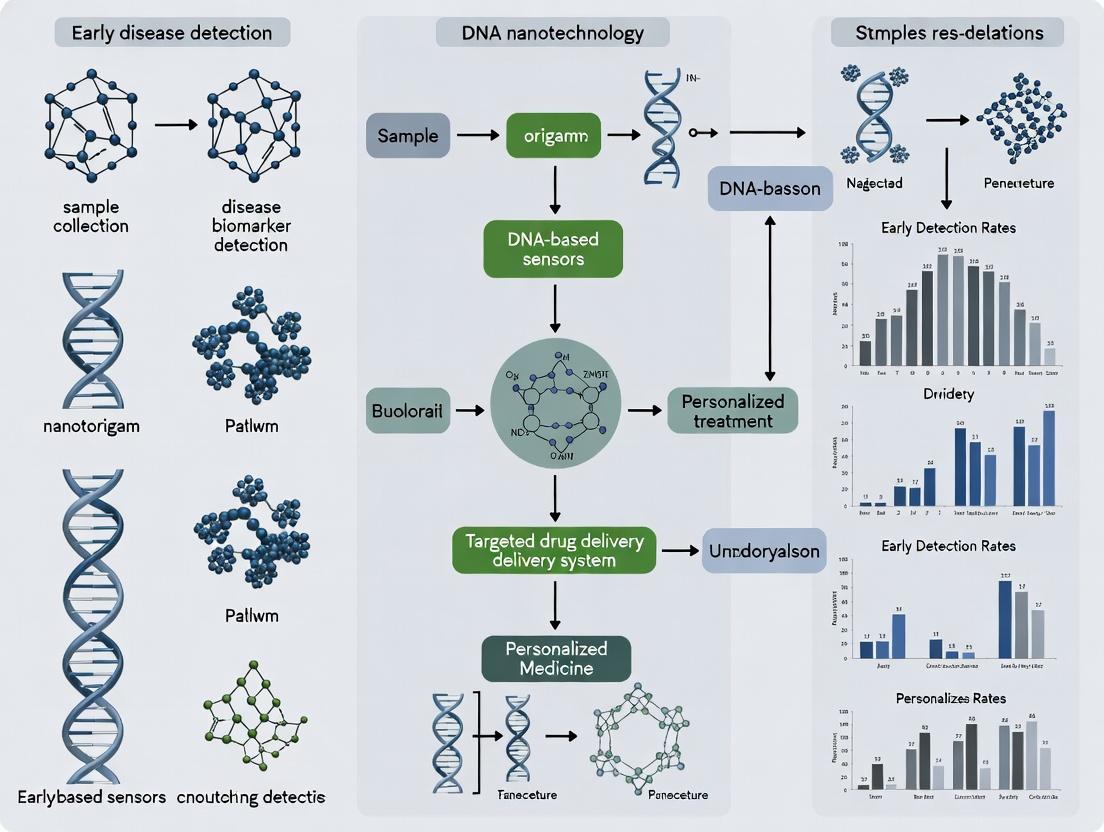
This article examines the transformative role of DNA nanotechnology in revolutionizing early disease detection and personalized medicine.
DNA Nanotechnology in Precision Medicine: Next-Gen Tools for Early Detection and Personalized Treatment
Abstract
This article examines the transformative role of DNA nanotechnology in revolutionizing early disease detection and personalized medicine. Aimed at researchers and drug development professionals, it explores the fundamental principles of programmable nanostructures, details cutting-edge methodologies for biomarker sensing and drug delivery, addresses critical challenges in stability and specificity, and validates performance against conventional diagnostic and therapeutic platforms. The synthesis provides a comprehensive roadmap for integrating these precise molecular tools into next-generation biomedical research and clinical translation.
Building Blocks of the Future: Understanding DNA Nanostructures for Biomedical Sensing
The programmability and addressability of DNA self-assembly represent foundational pillars of DNA nanotechnology. Within the broader thesis on the Role of DNA nanotechnology in early disease detection and personalized medicine research, these principles enable the construction of precise, nanoscale devices capable of molecular sensing, computation, and drug delivery. This technical guide details the core mechanisms, experimental protocols, and quantitative data underpinning this transformative technology.
Foundational Principles
Programmability refers to the predictable and design-driven nature of DNA base pairing (A-T, G-C). By specifying nucleotide sequences, researchers can pre-determine the final structure formed via self-assembly. Addressability denotes the capacity to uniquely position molecular components (e.g., proteins, nanoparticles, drugs) at specific locations on a DNA nanostructure.
Key Quantitative Data on DNA Nanostructure Properties
Table 1: Comparative Properties of Common DNA Self-Assembly Systems
| System Type | Typical Size Range (nm) | Assembly Temperature | Typical Yield (%) | Addressable Sites per Structure | Key Reference (Recent) |
|---|---|---|---|---|---|
| DNA Origami (2D) | 50 x 100 | ~45-60°C ramp | 70-95 | 200+ | (Rothemund, 2006; updated protocols) |
| DNA Origami (3D) | 20 x 20 x 40 | ~45-60°C ramp | 60-90 | 150+ | (Douglas et al., 2009) |
| DNA Tiles (2D Lattice) | 100 x 100 (unlimited) | 37-95°C (isothermal) | 50-80 | 10-50 per tile | (Yan et al., 2003) |
| Single-Stranded Tiles (SST) | 50 x 50 (unlimited) | 37-50°C (isothermal) | >90 | 1 per tile | (Ke et al., 2012) |
| DNA Bricks | 10 x 10 x 10 to 100³ | 37-50°C (isothermal) | >95 | 1 per voxel | (Ke et al., 2012) |
Table 2: Quantitative Performance in Diagnostic Applications
| Application | Nanostructure Used | Limit of Detection (LOD) | Assay Time | Specificity (%) | Reference Year |
|---|---|---|---|---|---|
| miRNA Detection | DNA Origami Nanoflare | 1 pM | < 2 hours | 99.5 | 2023 |
| Protein Biomarker (PSA) | DNA Tile Array | 10 fg/mL | 90 min | 98.7 | 2022 |
| Viral RNA Detection | DNA Origami Rail | 100 copies/µL | 75 min | 99.9 | 2023 |
| Point-of-Care CRISPR | DNA Tetrahedron | 50 aM | 60 min | 99.0 | 2024 |
Experimental Protocols
Protocol 4.1: Standard Scaffolded DNA Origami Assembly (2D Rectangle)
This protocol is adapted from recent optimized methods for high yield.
Materials: See Scientist's Toolkit. Procedure:
- Design: Use CAD software (caDNAno, Tiamat) to design a 2D rectangular origami (~100 x 70 nm) using an M13mp18 scaffold (7249 nt). Select staple strands (~200) with sequences complementary to defined scaffold segments.
- Staple Oligo Pool: Combine staple strands in equimolar ratio in nuclease-free water to a final pooled concentration of 100 µM.
- Annealing Reaction:
- In a PCR tube, mix:
- 10 nM M13mp18 scaffold
- 100 nM of each staple strand (10x excess per staple relative to scaffold)
- 1x TAEMg Buffer (40 mM Tris, 20 mM Acetic acid, 2 mM EDTA, 12.5 mM MgCl₂, pH 8.0)
- Nuclease-free water to 50 µL.
- Perform thermal ramping in a thermocycler:
- 95°C for 5 min (denaturation)
- Ramp from 95°C to 20°C over 16 hours (linear ramp, ~0.008°C/sec)
- Hold at 20°C.
- In a PCR tube, mix:
- Purification: Purify the assembled structure using spin filtration (100 kDa MWCO) or PEG precipitation to remove excess staples. Resuspend in 1x TAEMg Buffer.
- Characterization: Analyze yield and structure via 2% agarose gel electrophoresis (0.5x TBE, 11 mM MgCl₂) and imaging by Atomic Force Microscopy (AFM).
Protocol 4.2: Functionalization for Addressable Drug Loading
Protocol for attaching doxorubicin (Dox) to specific sites on a DNA origami.
- Staple Modification: Synthesize specific staple strands with a 5' amine modifier.
- Conjugation: React the amine-modified staples with NHS-ester-modified Dox (1:10 molar ratio, staples:Dox) in 0.1 M sodium bicarbonate buffer (pH 8.5) for 12 hours at 4°C in the dark.
- Purification: Remove unreacted Dox using a desalting column.
- Assembly: Use the Dox-conjugated staples in the standard origami assembly (Protocol 4.1). The Dox molecules are now positioned at pre-determined addresses.
- Quantification: Measure loading efficiency via UV-Vis spectroscopy (absorbance at 480 nm for Dox).
Visualizations
Diagram Title: DNA Origami Assembly Workflow
Diagram Title: Programmability to Addressability Pathway
The Scientist's Toolkit
Table 3: Essential Research Reagent Solutions for DNA Self-Assembly
| Item | Function & Role | Example Product/Kit (Vendor) |
|---|---|---|
| Long Single-Stranded DNA Scaffold | Provides the structural backbone for scaffolded origami. High purity is critical. | M13mp18 phage DNA (Bayou Biolabs) / p7560 Scaffold (Tilibit Nanosystems) |
| Chemically Synthesized Oligonucleotides (Staples) | Short strands (20-60 nt) that fold the scaffold via complementary base pairing. | Custom DNA Oligos, PAGE Purified (IDT, Sigma) |
| High-Fidelity Thermal Cycler | Provides precise, slow thermal ramping for controlled annealing. | Proflex PCR System (Thermo Fisher) / Mastercycler (Eppendorf) |
| TAE/Mg²⁺ Buffer | Provides optimal ionic conditions (especially Mg²⁺) for structural integrity and folding. | Custom Mix: 40 mM Tris, 20 mM Acetate, 2 mM EDTA, 12.5 mM MgCl₂, pH 8.0 |
| Size-Exclusion Purification Columns | Removes excess staple strands and salts from assembled structures. | Amicon Ultra 100k MWCO Filters (Merck) / Illustra MicroSpin Columns (Cytiva) |
| Agarose Gel Electrophoresis System | Analyzes assembly yield and purity. Requires Mg²⁺ in gel and buffer. | Submarine Gel System, SYBR Safe/Gold stain (Thermo Fisher) |
| Atomic Force Microscopy (AFM) | High-resolution imaging to verify nanostructure shape and addressability. | Dimension Icon/FastScan Bio (Bruker) / Cypher ES (Asylum Research) |
| Fluorophore/Quencher-Modified Nucleotides | Enable functionalization for sensing (e.g., molecular beacons). | Cy3, Cy5, FAM, Black Hole Quencher (BHQ) dyes (LGC Biosearch) |
| NHS-Ester Conjugation Kits | For covalent attachment of proteins/drugs to amine-modified DNA strands. | SM(PEG)₂₄ Crosslinker (Thermo Fisher) |
| DNA CAD Software | For designing nanostructures and generating staple sequences. | caDNAno, Tiamat, vHelix, Adenita (Open Source/Commercial) |
Within the strategic framework of advancing DNA nanotechnology for early disease detection and personalized medicine, three nanostructure archetypes serve as foundational engineering platforms. DNA origami, multi-tile assemblies, and dynamic nanodevices enable the precise arrangement of molecular components at the nanometer scale. This technical guide details the core principles, quantitative performance, experimental methodologies, and reagent toolkits for these archetypes, focusing on their application in creating sensitive diagnostic sensors and targeted therapeutic delivery systems.
DNA Origami: Static Scaffolds for Precision Engineering
DNA origami involves the folding of a long, single-stranded DNA scaffold (typically the 7249-nucleotide M13mp18 phage genome) into a predetermined shape using hundreds of short staple strands. This creates a rigid, addressable canvas for positioning functional elements like antibodies, aptamers, or fluorophores with sub-nanometer accuracy.
Key Quantitative Performance Data
Table 1: Performance Metrics of Representative DNA Origami Structures
| Structure Type | Approx. Dimensions (nm) | Positioning Accuracy (nm) | Typical Yield | Key Diagnostic Application |
|---|---|---|---|---|
| 2D Rectangle | 100 x 70 | < 2 | 70-90% | Multiplexed antigen detection |
| 3D Tetrahedron | Edge: ~20 | < 3 | 80-95% | In-vivo biomarker sensing |
| Nanotube | Diameter: ~20, Length: var. | < 5 | 60-85% | Cellular delivery vehicle |
| Smiley Face (2D) | 100 x 100 | < 2.5 | 65-80% | Proof-of-principle imaging |
Core Experimental Protocol: Fabrication of a Rectangular DNA Origami for Aptamer Display
Objective: To construct a 2D rectangular origami functionalized with thrombin-binding aptamers at specific locations for protein detection.
Materials (See Toolkit Section for details):
- M13mp18 scaffold (10 nM)
- Custom staple strand library (100 nM each)
- Thiol-modified anchor staples (for aptamer conjugation)
- Thrombin-binding DNA aptamer (with complementary handle)
- 1x TAE/Mg²⁺ Buffer (40 mM Tris, 20 mM Acetic acid, 2 mM EDTA, 12.5 mM MgCl₂, pH 8.0)
Methodology:
- Staple Pool Preparation: Mix all unmodified staple strands at 10x molar excess relative to scaffold. Include thiol-modified anchor staples at specific positions at 5x molar excess.
- Annealing: Combine scaffold and staple pool in 1x TAE/Mg²⁺ buffer. Use a thermocycler program: Heat to 80°C for 5 min, then cool from 65°C to 25°C over 14 hours (ramp rate: -0.1°C per 30 seconds).
- Purification: Remove excess staples via agarose gel electrophoresis (2% gel, 0.5x TBE, 11 mM MgCl₂) or using 100 kDa molecular weight cut-off (MWCO) centrifugal filters. Confirm structure via atomic force microscopy (AFM).
- Aptamer Conjugation: Reduce thiol groups on origami with 10 mM DTT (30 min, RT), purify. Incubate with aptamer strands (complementary to anchor handles) at 5x excess for 2 hours at 25°C. Purify again using centrifugal filters.
- Validation: Use AFM to verify structural integrity. Perform fluorescence anisotropy assay to confirm thrombin binding.
Diagram 1: DNA Origami Fabrication and Functionalization Workflow.
Multi-Tile Assemblies: Programmable Lattices and Finite Structures
Tile-based assembly uses short, synthetic DNA strands that form stable junction motifs (e.g., double-crossover tiles). These tiles contain sticky ends that programmably hybridize to form 1D, 2D, or 3D crystalline lattices or finite assemblies, useful for creating repetitive sensor arrays.
Key Quantitative Performance Data
Table 2: Characteristics of DNA Tile Assemblies
| Tile Type | Core Motif | Assembly Size (Theoretical) | Periodicity (nm) | Application in Sensing |
|---|---|---|---|---|
| Double-Crossover (DX) | Two parallel helices | Micrometer-scale 2D sheets | ~4-32 (design-dep.) | Periodic display of capture probes |
| Triple-Crossover (TX) | Three parallel helices | Large 2D crystals | ~4-48 | High-density molecular sorting array |
| Single-Stranded Tile (SST) | 42-nt strand with 4 domains | Finite shapes (e.g., 100-tile cube) | ~2.5 per base pair | Custom 3D container for drug payload |
Core Experimental Protocol: Assembling a 2D DX Tile Array for Multiplexed Detection
Objective: To create a periodic 2D array from DX tiles displaying distinct capture strands for simultaneous detection of multiple miRNA biomarkers.
Materials:
- DX-A, DX-B tile strands (core and sticky-end segments)
- Fluorescent reporter strands (complementary to miRNA-capture complex)
- 1x TAE/Mg²⁺ Buffer (as above)
Methodology:
- Tile Monomer Formation: Separately anneal DX-A and DX-B tile strands (each set at 1 µM in 1x TAE/Mg²⁺) from 95°C to 25°C over 2 hours.
- Lattice Assembly: Mix equal volumes of pre-formed DX-A and DX-B monomers (final conc. 100 nM each). Incubate at 45°C for 16-24 hours to facilitate sticky-end hybridization and 2D crystal growth.
- Characterization: Analyze assembly using transmission electron microscopy (TEM) with negative staining (uranyl acetate). Confirm periodic structure.
- Functionalization: Incorporated capture strands are part of the tile core. Incubate the array with a sample containing target miRNAs (e.g., miR-21, miR-155). Add fluorescent reporter strands after washing. Image using super-resolution microscopy to map miRNA binding events across the array.
Diagram 2: Workflow for Tile-Based Array Assembly and Biomarker Detection.
Dynamic Nanodevices: Mechanistic Systems for Sensing and Actuation
Dynamic DNA devices undergo programmable conformational changes in response to specific molecular triggers (e.g., pH, specific oligonucleotides, proteins). These include DNA tweezers, walkers, and logic-gate-based circuits, ideal for in situ sensing and controlled release.
Key Quantitative Performance Data
Table 3: Performance of Dynamic DNA Nanodevices
| Device Type | Actuation Trigger | Response Time | Cycling Capability | Therapeutic/Diagnostic Role |
|---|---|---|---|---|
| DNA Tweezers | Fuel/anti-fuel strands | Seconds to minutes | >10 cycles | Signal amplification in sensing |
| DNA Walker | Strand displacement | Minutes per step | 10-50 steps | Amplified detection on a particle |
| pH-Gated Latch | H⁺ concentration | < 1 minute | Single-use or reversible | Targeted drug release in acidic tumor microenvironment |
| Logic Gate Circuit | Multiple miRNA inputs | 5-30 minutes | Single-use | Complex biomarker profiling |
Core Experimental Protocol: Implementing a DNA Walker for Amplified miRNA Detection
Objective: To construct a spherical nucleic acid (SNA) based DNA walker that moves along a track, cleaving quenched substrates to generate amplified fluorescent signal upon detecting a specific miRNA.
Materials:
- Gold nanoparticle (AuNP, 13 nm) core
- Thiolated anchor strand (for AuNP attachment)
- Walking strand (partially complementary to anchor and miRNA)
- Track strands on AuNP surface (with ribonuclease H (RNase H) cleavable sites)
- Quenched fluorescent substrate strands (FAM/Dabcyl) attached to track.
- RNase H enzyme
Methodology:
- SNA Assembly: Functionalize AuNPs with a dense monolayer of thiolated anchor and track strands via salt-aging protocol over 24 hours. Purify by repeated centrifugation.
- Walker Loading: Hybridize the walking strand to its partial complement on the anchor strand. This holds the walker in an initial position.
- Detection Reaction: Incubate the SNA-walker construct with sample. Target miRNA binds to the walking strand's toehold, displacing it and activating the walker via strand displacement.
- Walking & Signal Amplification: In the presence of RNase H, the activated walker hybridizes to track strands. RNase H cleaves the RNA base in the track, releasing a fluorescent substrate and freeing the walker to take another step. Repeat cycles generate amplified fluorescence.
- Readout: Measure fluorescence intensity over 60 minutes using a plate reader. The rate of increase correlates with miRNA concentration.
Diagram 3: Mechanism of miRNA-Activated DNA Walker for Signal Amplification.
The Scientist's Toolkit: Essential Research Reagents and Materials
Table 4: Key Reagent Solutions for DNA Nanostructure Research
| Reagent/Material | Supplier Examples | Function in Experiments |
|---|---|---|
| M13mp18 phage DNA (scaffold) | New England Biolabs | Long scaffold strand for DNA origami folding. |
| Custom DNA Oligonucleotides | IDT, Eurofins | Staple strands, tile components, functional strands (modified: thiol, biotin, Cy3/5). |
| TAE/Mg²⁺ Buffer (10x Stock) | Sigma-Aldrich | Provides optimal ionic conditions and Mg²⁺ for structural integrity of DNA nanostructures. |
| Agarose (Molecular Biology Grade) | Thermo Fisher | For gel electrophoresis purification of assembled nanostructures. |
| 100 kDa MWCO Centrifugal Filters | Amicon, Millipore | For rapid buffer exchange and removal of excess staples/unbound strands. |
| Gold Nanoparticles (13 nm) | Cytodiagnostics | Core nanoparticle for spherical nucleic acid (SNA) and dynamic device assembly. |
| RNase H Enzyme | Roche, NEB | Enzyme for RNA-DNA hybrid cleavage; used in dynamic walker systems for signal amplification. |
| Uranyl Acetate (2%) | Electron Microscopy Sciences | Negative stain for Transmission Electron Microscopy (TEM) visualization of nanostructures. |
| DTT (Dithiothreitol) | GoldBio | Reducing agent for cleaving disulfide bonds on thiol-modified DNA prior to conjugation. |
Within the broader thesis on the role of DNA nanotechnology in early disease detection and personalized medicine, this whitepaper examines the specific biomarker landscape addressable by these tools. DNA nanotechnology leverages the predictable base-pairing of nucleic acids to engineer structures and devices at the nanoscale. This capability is uniquely suited for the precise recognition, quantification, and profiling of early disease signatures—including nucleic acids, proteins, and extracellular vesicles—at ultra-low concentrations in complex biological fluids. This guide details the technical principles, experimental protocols, and current applications forming this frontier.
Core DNA Nanostructure Platforms for Biomarker Sensing
Key Architectures and Functions
DNA nanotechnology offers a toolkit of programmable structures. The following table summarizes the primary platforms used in biomarker detection.
Table 1: Core DNA Nanostructure Platforms for Biomarker Sensing
| Platform | Key Features | Typical Size Range | Primary Biomarker Target(s) |
|---|---|---|---|
| DNA Origami | Scaffolded, high-precision 2D/3D structures | 50 nm – 500 nm | Proteins, Nucleic acids, Viral particles |
| DNA Tetrahedra | Rigid, well-defined 3D framework; high cellular permeability | 5 nm – 20 nm | Cell-surface proteins, Intracellular mRNA |
| Aptamer-based Nanoswitches | Conformation-changing upon target binding | 5 nm – 15 nm | Proteins, Small molecules, Cells |
| Catalytic Hairpin Assembly (CHA) Circuits | Signal amplification via hybridization cascades | N/A (solution-phase) | miRNA, mRNA |
| DNA-Functionalized Nanoparticles | Often gold or magnetic; colorimetric or capture-based detection | 10 nm – 100 nm (core) | Proteins, DNA, Exosomes |
Quantitative Performance Metrics
Recent literature (2023-2024) demonstrates significant advances in sensitivity and specificity. The following table compiles key performance data from recent seminal studies.
Table 2: Recent Performance Metrics of DNA Nanotech Assays for Early Disease Signatures
| Assay Design | Target Biomarker | Disease Context | Limit of Detection (LOD) | Sample Matrix | Reference (Example) |
|---|---|---|---|---|---|
| Origami-based CRISPR sensor | EGFR L858R mutation DNA | Non-Small Cell Lung Cancer | 0.1 fM | Serum | Zhang et al., 2023 |
| Tetrahedron with FRET aptasensor | PD-L1 protein | Immunotherapy Monitoring | 50 pg/mL | Cell lysate | Chen et al., 2023 |
| CHA-powered electrochemical chip | miRNA-21 | Early-Stage Breast Cancer | 10 aM | Plasma | Wang et al., 2024 |
| Aptamer-gated DNA nanocage | TGF-β1 (cytokine) | Fibrosis & Cancer | 5 pM | Buffer/Supernatant | Li et al., 2023 |
| DNA walker on origami tile | Tumor exosomal surface protein | Pancreatic Cancer | ~10 exosomes/μL | Purified exosomes | Zhao et al., 2024 |
Detailed Experimental Protocols
Protocol: Fabrication of DNA Origami Capture Platform for Exosome Profiling
Objective: To create a rectangular DNA origami tile functionalized with aptamers for specific capture and multiplexed analysis of tumor-derived exosomes.
Materials:
- M13mp18 scaffold strand (7249 nt).
- ~200 staple strands (custom synthesized, 40-60 nt each).
- Aptamer-modified staple strands: Select 5-10 staple strands for extension; replace with versions 5'-conjugated with aptamers (e.g., CD63, EGFR, EpCAM).
- Folding Buffer: 1x TAE (Tris-Acetate-EDTA), 12.5 mM MgCl2, pH 8.0.
- Thermal cycler.
- Purification filters (100 kDa MWCO).
- Atomic Force Microscopy (AFM) reagents.
Procedure:
- Staple and Scaffold Mix: Combine M13 scaffold (10 nM) with a 10x molar excess of each staple strand (including aptamer-modified staples) in folding buffer.
- Thermal Annealing: Perform a slow cooling ramp in a thermal cycler: Heat to 80°C for 5 min, then cool from 65°C to 25°C over 14 hours (3°C/hour decrements).
- Purification: Remove excess staples via filtration (100 kDa MWCO) with three washes using folding buffer supplemented with 5 mM MgCl2.
- Characterization: Verify structure integrity via 2% agarose gel electrophoresis (stained with SYBR Gold) and AFM imaging in tapping mode.
- Exosome Capture: Incubate purified origami tiles (1 nM) with pre-isolated plasma exosomes for 60 min at 37°C in a shaking incubator. Wash gently to remove unbound vesicles.
Protocol: Catalytic Hairpin Assembly (CHA) Circuit for Ultrasensitive miRNA Detection
Objective: To implement an enzyme-free, amplification-based detection of a specific miRNA (e.g., miR-21) in total RNA extracts.
Materials:
- Two DNA hairpins (H1, H2): Designed with complementary toehold regions, high-performance liquid chromatography (HPLC) purified.
- Target miRNA sequence (synthetic).
- Buffer: 1x PBS, 5 mM MgCl2.
- Fluorescent reporter: H2 labeled with a fluorophore (FAM) and a quencher (BHQ1) at its termini.
- Real-time PCR machine or fluorometer.
Procedure:
- Hairpin Preparation: Heat H1 and H2 (1 µM each) to 95°C for 2 min, then snap-cool on ice to ensure proper secondary structure.
- Reaction Assembly: In a 20 µL reaction volume, mix H1 (100 nM), H2 (100 nM) in reaction buffer.
- Target Introduction: Add the target miRNA sample (e.g., 5 µL of extracted RNA) to the reaction mix.
- Signal Amplification & Detection: Incubate at 37°C for 90-120 min. Monitor fluorescence (FAM channel) in real-time every 2 minutes.
- Data Analysis: Plot fluorescence vs. time. The rate of fluorescence increase is proportional to the initial target concentration. Generate a standard curve using synthetic miRNA standards.
Visualizations
Title: DNA Nanotech Workflow for Early Disease Biomarker Detection
Title: Catalytic Hairpin Assembly (CHA) Amplification Mechanism
The Scientist's Toolkit: Key Research Reagent Solutions
Table 3: Essential Materials for DNA Nanotech Biomarker Assay Development
| Item / Reagent | Function / Role | Key Considerations for Selection |
|---|---|---|
| Chemically Modified Oligonucleotides | Scaffolds, staples, aptamers, probes. Backbone modifications (e.g., phosphorothioates) enhance stability. | Purity (HPLC vs. PAGE), scale (nmol to µmol), type of modification (biotin, thiol, fluorophore). |
| Magnesium-Containing Folding Buffers | Critical for screening negative charges and promoting proper folding of DNA nanostructures. | MgCl2 concentration optimization (5-20 mM) is essential for specific structure integrity. |
| Solid-Phase Extraction Kits for cfDNA/miRNA | Isolate high-quality, protein-free nucleic acid targets from plasma/serum. | Yield, size selectivity, removal of PCR inhibitors, compatibility with low-input volumes. |
| Exosome Isolation Kits (e.g., Polymer-based, Size-Exclusion) | Enrich extracellular vesicles from biofluids for surface biomarker analysis. | Purity vs. recovery trade-off. SEC columns offer high purity; polymers offer higher yield. |
| Fluorescent Dyes & Quenchers (e.g., FAM/Cy5, BHQ1/2) | Enable optical signal transduction via FRET or de-quenching upon target binding. | Spectral overlap (for FRET), compatibility with detection instrument, photostability. |
| Functionalized Surfaces (e.g., Gold Chips, Streptavidin Beads) | Provide a substrate for immobilizing DNA nanostructures in biosensors. | Surface density control, non-specific binding blocking (requires passivation, e.g., with MCH). |
| Microfluidic Device Fabrication Resins (e.g., PDMS) | Create integrated lab-on-a-chip systems for automated sample-to-answer analysis. | Biocompatibility, optical clarity, gas permeability for cell culture if needed. |
Within the paradigm of early disease detection and personalized medicine, the limitations of traditional materials (e.g., metals, polymers, silica) in biodiagnostics and therapeutic delivery are becoming increasingly apparent. DNA nanotechnology, which employs synthetic DNA as a structural and functional material, presents a transformative alternative. This whitepaper details the core advantages of DNA-based materials—biocompatibility, precision, and modularity—contextualized within their role in advancing sensitive detection platforms and tailored therapeutic research.
Core Advantages: A Technical Analysis
Biocompatibility
Traditional contrast agents and drug carriers often trigger immune responses or exhibit off-target toxicity. DNA nanostructures offer inherent biocompatibility and biodegradability.
- Quantitative Data on Biocompatibility:
| Material Type | Immune Activation (IL-6 level in vitro) | Clearance Time (in vivo, murine model) | Observed Toxicity |
|---|---|---|---|
| Gold Nanoparticles | High (~450 pg/mL) | Weeks to months | Hepatotoxicity reported |
| Cationic Polymers | Very High (~1200 pg/mL) | Variable, often slow | Nephrotoxicity, cytotoxicity |
| Liposomes | Moderate (~250 pg/mL) | Days to weeks | Complement activation |
| DNA Origami (unmodified) | Low (~80 pg/mL) | Hours to days (renal clearance) | No acute toxicity observed |
- Experimental Protocol for Biocompatibility Assessment:
- Nanostructure Synthesis: Prepare DNA origami structures (e.g., a 60-helix bundle) via thermal annealing of M13mp18 scaffold and staple strands in Mg²⁺-containing buffer.
- Purification: Remove excess staples and salts using spin filtration (100 kDa MWCO) or agarose gel electrophoresis extraction.
- Cell Culture: Seed THP-1-derived macrophages or primary human peripheral blood mononuclear cells (PBMCs) in 96-well plates.
- Exposure: Incubate cells with serially diluted nanomaterials (0-100 nM DNA nanostructures) for 24 hours.
- Analysis: Collect supernatant and quantify pro-inflammatory cytokines (IL-6, TNF-α) via ELISA. Assess cell viability using an MTT or AlamarBlue assay.
Precision
Atomic-scale programmability allows for the exact positioning of functional components (e.g., aptamers, drugs, dyes), overcoming the stochastic conjugation of traditional materials.
- Quantitative Data on Functionalization Precision:
| Functionalization Method | Conjugation Efficiency | Spatial Control | Stoichiometric Accuracy |
|---|---|---|---|
| Chemical Crosslinking (e.g., NHS-EDA) | 60-85% | Low (random) | Poor (± >5 molecules/particle) |
| Avidin-Biotin Linking | >90% | Medium (site-directed, if engineered) | Moderate (± 2-3 molecules/particle) |
| DNA Hybridization (to nanostructure) | >98% | Atomic-scale (via staple extension) | Excellent (exact number per structure) |
- Experimental Protocol for Precision Assembly:
- Staple Strand Design: Extend selected staple strands with a unique 20-nucleotide single-stranded "handle" at their 5' or 3' end during oligonucleotide synthesis.
- Functional Molecule Preparation: Synthesize oligonucleotides complementary to the handle, conjugated to the functional payload (e.g., a drug molecule via a cleavable linker, or an Alexa Fluor dye).
- Nanostructure Assembly: Anneal the scaffold with the extended staple set to form the base structure.
- Site-Specific Conjugation: Incubate the purified nanostructure with a stoichiometric amount of the functionalized oligonucleotide. Precise hybridization occurs at the programmed site.
- Validation: Analyze using gel shift assays (for large changes) or single-molecule FRET (for verification of placement and function).
Modularity
DNA nanotechnology operates on a universal "plug-and-play" principle, where standardized Watson-Crick base pairing enables the integration of diverse functionalities into a single platform.
- Experimental Protocol for Modular Sensor Assembly:
- Platform Design: Design a DNA origami tile as a sensing platform with spatially addressable sites.
- Probe Module Design: Create separate DNA sequences functionalized as: (a) Capture probes (immobilized on the tile), (b) Detection probes (labeled with a fluorophore), and (c) Target-binding aptamers.
- Hierarchical Assembly: First, attach capture probes to the origami tile via staple extensions. Second, hybridize the target-binding aptamer module to the capture probe. The detection probe is designed to bind only upon target-induced conformational change in the aptamer.
- Readout: Signal (fluorescence recovery) is generated only when the target molecule binds, bringing the fluorophore into proximity with a quencher or altering FRET efficiency between two dyes positioned on the modules.
Visualizing DNA Nanodevice Assembly and Function
Diagram Title: Modular Assembly of a DNA Origami Biosensor
Diagram Title: DNA Nanocarrier Drug Release Pathway
The Scientist's Toolkit: Research Reagent Solutions
| Reagent / Material | Function in DNA Nanotechnology | Example Vendor/Product |
|---|---|---|
| M13mp18 Phage DNA | Single-stranded scaffold DNA for origami assembly. | Bayou Biolabs (M13mp18 ssDNA) |
| Phosphoramidite Oligos | Custom staple strands and functionalized oligonucleotides. | IDT (Ultramer DNA Oligos), Eurofins Genomics |
| T4 DNA Ligase & Buffer | For sealing nicks in assembled structures to enhance stability. | Thermo Fisher Scientific |
| Mg²⁺-containing Folding Buffer | Critical cation for neutralizing DNA backbone repulsion during folding. | Typically prepared in-lab (e.g., Tris-EDTA with 12.5 mM MgCl₂) |
| Agarose Gel (2-3%) | For purification and analysis of assembled nanostructures. | Lonza (SeaKem LE Agarose) |
| Spin Filters (100 kDa MWCO) | Rapid purification of nanostructures from excess staples. | Amicon Ultra (Merck Millipore) |
| Fluorophore/Quencher Labels | For labeling oligonucleotides to create optical probes or reporters. | Biosearch Technologies (Cy3, Cy5, BHQ quenchers) |
| Transmission Electron Microscope (TEM) Grids | For structural validation of nanostructures via negative staining. | Ted Pella (Carbon Film Grids) |
From Blueprint to Biomarker: Applied Methodologies for Detection and Therapy
Within the broader thesis on the Role of DNA Nanotechnology in Early Disease Detection and Personalized Medicine Research, high-sensitivity detection platforms represent the critical translational interface. DNA nanotechnology provides the foundational architecture and programmability, which is exploited by two powerful classes of functional nucleic acids: DNAzymes and aptamers. These molecules enable the construction of sensors that translate molecular recognition (e.g., of a disease biomarker) into a quantifiable signal with exceptional sensitivity and specificity. This guide details the technical principles, experimental protocols, and reagent toolkits central to deploying these platforms for advancing personalized diagnostics and therapeutic monitoring.
Technical Foundations and Mechanisms
DNAzymes are catalytic DNA strands, often selected in vitro, that catalyze specific biochemical reactions, such as RNA cleavage or metal-ion-dependent ligation. In sensing, the catalytic activity is typically dependent on the presence of a target cofactor (e.g., Pb²⁺, Cu²⁺, or a specific protein), enabling target-triggered signal amplification.
Aptamers are single-stranded DNA or RNA oligonucleotides that fold into specific 3D structures to bind targets (ions, small molecules, proteins, cells) with high affinity. They function as synthetic antibodies but offer superior stability, easier modification, and reversible denaturation.
Integrated Aptamer-DNAzyme Hybrids combine the recognition prowess of aptamers with the catalytic amplification of DNAzymes for enhanced performance.
Core Signaling Pathways and Workflows
Title: Target-Induced DNAzyme Activation and Signal Amplification Pathway
Experimental Protocols for Key Assay Formats
Protocol 4.1: Fluorescent DNAzyme Sensor for Metal Ion Detection (e.g., Pb²⁺)
- Principle: A DNAzyme strand with RNA base cleavage site hybridizes to a fluorescently quenched substrate strand. Pb²⁺ binding activates DNAzyme, cleaving the substrate, separating fluorophore from quencher.
- Detailed Methodology:
- Probe Preparation: Resuspend FAM-labeled substrate strand and DABCYL-quenched enzyme strand to 10 µM in Tris-HCl buffer (20 mM, pH 7.5). Anneal by heating to 95°C for 2 min, then slowly cool to 25°C over 45 min.
- Sample Preparation: Dilute test sample (e.g., serum, environmental water) in reaction buffer (50 mM HEPES, pH 7.0, 100 mM NaCl, 20 mM KCl). Include a Pb²⁺-free control.
- Reaction: Mix 10 µL of annealed probe (final 100 nM) with 90 µL of sample/buffer in a 96-well plate. Run in triplicate.
- Incubation & Measurement: Incubate at 25°C for 30 min. Measure fluorescence intensity (λex = 485 nm, λem = 520 nm) using a plate reader.
- Data Analysis: Calculate ΔF = Fsample - Fblank. Generate a calibration curve using Pb²⁺ standards (0-500 nM).
Protocol 4.2: Electrochemical Aptasensor for Protein Detection (e.g., Thrombin)
- Principle: A thiolated aptamer is immobilized on a gold electrode. Target protein binding alters electron transfer efficiency of a redox reporter (e.g., Methylene Blue) tagged on the aptamer, measurable via electrochemical impedance spectroscopy (EIS) or differential pulse voltammetry (DPV).
- Detailed Methodology:
- Electrode Pretreatment: Polish gold disk electrode (2 mm diameter) with 0.05 µm alumina slurry, sonicate in ethanol and DI water, then electrochemically clean in 0.5 M H₂SO₄ via cyclic voltammetry (CV).
- Aptamer Immobilization: Incubate electrode in 1 µM thiolated, MB-tagged thrombin aptamer solution (in 10 mM Tris, 1 mM EDTA, 10 mM TCEP, pH 8.0) for 16h at 4°C.
- Backfilling: Rinse and immerse electrode in 1 mM 6-mercapto-1-hexanol solution for 1h to passivate uncovered gold surfaces.
- Target Binding: Incubate functionalized electrode in 50 µL of sample containing varying thrombin concentrations (0-100 nM in PBS with 5 mM MgCl₂) for 40 min at 37°C.
- Electrochemical Measurement: Perform DPV in 5 mM [Fe(CN)₆]³⁻/⁴⁻ solution. Parameters: pulse amplitude 50 mV, pulse width 50 ms, step potential 4 mV.
- Analysis: Plot peak current decrease vs. log[thrombin] for quantification.
Performance Data and Comparison
Table 1: Performance Metrics of Representative DNAzyme and Aptamer Sensors
| Target Analyte | Platform Type | Limit of Detection (LOD) | Dynamic Range | Assay Time | Key Advantage |
|---|---|---|---|---|---|
| Pb²⁺ (Lead Ion) | RNA-Cleaving DNAzyme (Fluor.) | 0.2 nM | 0.5 nM - 200 nM | 30 min | High specificity over other divalent ions |
| ATP | Structure-Switching Aptamer (Colorimetric) | 10 µM | 10 µM - 5 mM | 20 min | Visual readout, no instrumentation |
| Thrombin | Dual Aptamer Sandwich (ECL)* | 10 fM | 100 fM - 10 nM | 90 min | Ultra-high sensitivity, multiplex potential |
| MUC1 Protein | Aptamer-DNAzyme Hybrid (Fluor.) | 50 pM | 0.1 nM - 100 nM | 50 min | Signal amplification, good serum stability |
| SARS-CoV-2 Nucleocapsid | Aptamer-gated Nanopore | 0.5 pg/mL | 1 pg/mL - 1 µg/mL | 40 min | Direct detection in complex matrices |
*ECL: Electrochemiluminescence
The Scientist's Toolkit: Key Research Reagent Solutions
Table 2: Essential Materials for DNAzyme/Aptamer Sensor Development
| Reagent/Material | Function & Role in Experiment | Example Vendor/Product |
|---|---|---|
| Modified Oligonucleotides | Basis for sensor construction. Fluorophore/quencher, thiol, biotin, or amine modifications enable signaling and immobilization. | Integrated DNA Tech. (IDT), Metabion |
| HPLC Purification Services | Critical for obtaining >95% pure functional oligonucleotides, removing failure sequences that cause high background. | Eurofins Genomics, GenScript |
| Magnetic Beads (Streptavidin) | Solid support for immobilizing biotinylated aptamers in separation-based assays and target capture. | Dynabeads (Thermo Fisher) |
| Electrode Systems (Gold, SPEs) | Transduction platform for electrochemical sensors. Screen-printed electrodes (SPEs) allow disposable use. | Metrohm DropSens, CH Instruments |
| Redox Reporters (Methylene Blue, Ferrocene) | Provide electrochemical signal change upon target-induced aptamer conformation switch. | Sigma-Aldrich |
| RNase-Free Buffers & Enzymes | Essential for working with RNA-cleaving DNAzymes to prevent nonspecific degradation. | New England Biolabs (NEB) |
| Microplate Readers (Fluor., Color.) | Standardized, high-throughput signal quantification for fluorescence and absorbance-based assays. | BioTek Synergy, Tecan Spark |
| SPR/BLI Chips (Gold, NTA) | For real-time, label-free kinetic analysis of aptamer-target binding (Kon, Koff, KD). | Cytiva (Biacore), Sartorius (Octet) |
Advanced Workflow: Integrating Nanostructures for Enhanced Sensing
Title: Workflow for Nanostructure-Enhanced DNAzyme-Aptamer Sensor
DNAzyme sensors and aptamer-based assays, underpinned by DNA nanotechnology, offer a versatile and powerful toolkit for detecting disease biomarkers at ultralow concentrations. Their programmability allows for rational design toward multiplexed panels, point-of-care formats, and real-time in vivo monitoring. As this field advances, integration with microfluidics, portable electronics, and machine learning for data analysis will further solidify their role in enabling early, precise, and personalized diagnostic strategies, a core tenet of modern biomedical research.
The advent of DNA nanotechnology has catalyzed a paradigm shift in molecular diagnostics and therapeutic research, positioning itself as a cornerstone for early disease detection and personalized medicine. This whitepaper details the synergistic integration of nanoscale imaging probes—specifically, advanced in situ hybridization (ISH) assays and super-resolution microscopy enhancers—within this broader thesis. By leveraging the programmable self-assembly and precise molecular recognition of DNA nanostructures, researchers can now develop probes with unprecedented specificity and multiplexing capability. These tools enable the visualization of genetic and epigenetic markers at the single-molecule level in their native cellular context, providing critical insights into disease onset, progression, and heterogeneity that are essential for tailoring patient-specific therapeutic strategies.
Core Technologies and Quantitative Data
DNA Nanotechnology-EnhancedIn SituHybridization Probes
Modern ISH has evolved beyond simple fluorescently labeled oligonucleotides. DNA nanotechnology enables the construction of complex probe architectures.
Key Probe Architectures and Performance Metrics:
| Probe Type (Architecture) | Typical Size (nm) | Multiplexing Capacity (Colors) | Signal Amplification Method | Reported SNR Improvement | Primary Application |
|---|---|---|---|---|---|
| Single-Oligo FISH | 2-3 | 3-5 (sequential) | N/A | Baseline | mRNA localization |
| DNA Origami NanoRuler | 50-100 | 1 (calibration) | Pre-assembled scaffold | N/A (calibration std) | Microscope calibration |
| HCR (Hairpin Chain Reaction) | 50-500 | 4-8 (simultaneous) | Linear polymerization | 10-30x over FISH | Low-copy mRNA detection |
| Branched DNA (bDNA) | 100-300 | 4-6 (simultaneous) | Sequential antibody/oligo binding | 50-100x over FISH | Viral DNA/RNA detection |
| Polymerase-based Rolling Circle (RCA) | 100-1000 | 4+ (simultaneous) | Circular template amplification | 100-1000x over FISH | microRNA, point mutations |
Super-Resolution Enhancers
These are probes designed to facilitate or improve performance in super-resolution microscopy techniques like STORM, PALM, and STED.
Super-Resolution Probe Characteristics:
| Enhancer Type | Compatible Modality | Switchable/Conditional? | Photon Yield (vs. std dye) | Bleaching Resistance | Localization Precision (nm) |
|---|---|---|---|---|---|
| Standard Organic Dyes (Alexa647) | STORM, PALM | Yes (with buffer) | Baseline | Low-Medium | 10-20 |
| DNA-PAINT Docking Sites | DNA-PAINT | Yes (transient binding) | Very High | Extreme (replenishable) | 5-10 |
| Photoswitchable Proteins (mEos) | PALM | Yes (genetically encoded) | Medium | Low | 15-25 |
| Gold Nanoparticles | Various (as fiducial) | No | N/A | Extreme | 1-5 (fiducial only) |
| STED Nanodiamonds (NV centers) | STED, Confocal | No | High | Extreme | > 50 (but stable) |
Experimental Protocols
Protocol: Multiplexed DNA-PAINT Imaging Using DNA Origami Docking Stations
Objective: To image multiple target mRNAs in fixed cells with sub-10 nm resolution. Principle: DNA-origami-based "docking" probes are hybridized to targets via ISH. Short, fluorescently labeled "imager" strands transiently bind, producing a blinking signal for localization.
Materials:
- Fixed and permeabilized cell sample.
- DNA origami docking probes (custom-designed, with target-specific sequence and orthogonal docking sites).
- Transient imager strands (Cy3B-labeled, complementary to docking sites).
- Imaging buffer: PBS with 500 mM NaCl, 1x ROXS oxygen scavenger system, 1% (w/v) glucose, 1 µg/mL glucose oxidase, 0.4 µg/mL catalase.
Procedure:
- Hybridization: Apply 10 nM DNA origami docking probes in a standard FISH hybridization buffer to the sample. Incubate at 37°C for 12-16 hours in a humidified chamber.
- Washing: Perform stringent washes with SSC buffers to remove non-specifically bound probes.
- DNA-PAINT Imaging: Mount the sample in imaging buffer. For each target channel (e.g., mRNA A, mRNA B), introduce the corresponding imager strand at 0.5-1 nM concentration.
- Data Acquisition: Acquire 10,000-50,000 frames at 100 ms exposure using a TIRF or HILO microscope setup. The transient binding of imagers creates blinking.
- Analysis: Localize blinking events using software (e.g., ThunderSTORM, Picasso). Reconstruct a super-resolution image. Repeat steps 3-5 with the next imager strand for multiplexing.
Protocol: Signal Amplification via Hybridization Chain Reaction (HCR) for Low-Abundance Targets
Objective: To visualize low-copy-number mRNAs without enzymatic amplification. Principle: A target-specific "initiator" probe triggers the self-assembly of fluorescently labeled hairpin oligomers into a long polymer.
Materials:
- HCR initiator probes (complementary to target mRNA).
- Fluorophore-labeled hairpin H1 and H2 stocks (100 µM in water). Hairpins are kinetically trapped and meta-stable until initiator exposure.
- Amplification buffer: 5x SSC, 0.1% Tween-20, 10% dextran sulfate.
Procedure:
- Initiator Hybridization: Hybridize initiator probes to the target mRNA using standard FISH conditions (overnight, 37°C). Wash.
- Hairpin Amplification: Prepare amplification solution with 10-20 nM of each hairpin (H1, H2) in amplification buffer. Apply to the sample and incubate in the dark at room temperature for 4-6 hours. The initiator opens H1, which then opens H2, leading to a chain reaction forming a fluorescent polymer.
- Washing: Wash sample thoroughly with 5x SSC buffer to remove unassembled hairpins.
- Imaging: Image using confocal or widefield microscopy. The large polymer yields a much brighter signal than a single probe.
Visualization Diagrams
Title: Hybridization Chain Reaction (HCR) Amplification Workflow
Title: DNA-PAINT Multiplexed Super-Resolution Imaging
The Scientist's Toolkit: Key Research Reagent Solutions
| Item / Reagent | Function / Role | Example Product / Vendor |
|---|---|---|
| Locked Nucleic Acid (LNA) / DNA Mixmers | Increases probe hybridization affinity and specificity, allowing shorter probes for better penetration. | Qiagen Exiqon FISH probes; IDT LNA Oligos |
| DNA Origami Scaffold (M13mp18) | The classic 7-kb single-stranded DNA scaffold for assembling custom 2D/3D nanostructured probes. | NEB M13mp18 Phage DNA |
| Fluorophore with High Photon Yield | Essential for localization precision in super-resolution. Cy3B and Alexa647 are common standards. | Cytiva Cy3B NHS ester; Thermo Fisher Alexa Fluor 647 |
| Oxygen Scavenging System (ROXS/GLoxy) | Reduces photobleaching and blinking artifacts in single-molecule imaging buffers. | Sigma-Aldroid Catalase; Glucose Oxidase |
| Click Chemistry Reagents (SCO/SPAAC) | For bioorthogonal conjugation of probes to dyes or other molecules post-hybridization. | Click Chemistry Tools DBCO-PEG5-NHS ester |
| Deionized Formamide (Molecular Grade) | Critical for FISH hybridization buffers; purity affects signal-to-noise ratio. | Thermo Fisher Deionized Formamide |
| Dextran Sulfate | A crowding agent used in FISH/HCR buffers to accelerate hybridization kinetics. | Sigma-Aldrich Dextran Sulfate |
| Ribonuclease Inhibitors | Protects target RNA from degradation during sample preparation and hybridization. | NEB RNase Inhibitor (Murine) |
This whitepaper explores the integration of DNA nanotechnology into smart drug delivery systems, specifically focusing on logic-gated nanocarriers. Within the broader thesis on the role of DNA nanotechnology in early disease detection and personalized medicine, these systems represent a critical translational step—leveraging precise molecular recognition for spatially and temporally controlled therapeutic action.
Core Principles & Design Logic
Logic-gated nanocarriers are engineered to release their payload only when a specific combination of disease-associated stimuli (inputs) is present. This Boolean logic (AND, OR, NOR) minimizes off-target effects. DNA nanostructures, such as tetrahedra, cubes, and origami-based carriers, are ideal scaffolds due to their predictable self-assembly, addressability, and biocompatibility.
Key Design Inputs:
- Overexpressed Surface Proteins: e.g., EGFR, HER2, PSMA.
- Intracellular Biomarkers: e.g., mRNA, transcription factors (NF-κB), miRNAs.
- Pathological Microenvironments: e.g., lowered pH (6.5-5.0), elevated redox potential (GSH), or specific enzymes (MMP-9).
Table 1: Common Logic Gates & Their Triggering Inputs in DNA Nanocarriers
| Logic Gate | Required Inputs (Example) | Payload Release Condition | Application Context |
|---|---|---|---|
| AND | miRNA-21 AND miRNA-122 | Only if both miRNAs are co-overexpressed | Hepatocellular carcinoma targeting |
| OR | pH ≤ 6.5 OR [MMP-9] > 100 nM | If either acidic tumor microenvironment OR high MMP-9 is present | Broad solid tumor targeting |
| NOT | Target Cell Receptor AND NOT Healthy Cell Marker | Only if target is present AND "off-target" marker is absent | Enhanced specificity for metastatic cells |
Experimental Protocols
Protocol: Construction of a DNA Origami Nanocontainer for Doxorubicin Intercalation
Objective: To fabricate a hexagonal DNA origami barrel as a drug carrier. Materials: M13mp18 phage scaffold DNA, staple strands (designated sequences), doxorubicin hydrochloride (Dox), MgCl₂, TAE-Mg buffer (40 mM Tris, 20 mM Acetic acid, 2 mM EDTA, 12.5 mM MgCl₂, pH 8.0). Procedure:
- Annealing: Mix M13mp18 DNA (10 nM) with a 10x molar excess of staple strands in 1x TAE-Mg buffer.
- Folding: Perform a thermal ramp in a thermocycler: Heat to 80°C for 5 min, then cool from 65°C to 25°C at a rate of -0.1°C per minute.
- Purification: Remove excess staples using centrifugal filters (100 kDa MWCO) or agarose gel electrophoresis (2% gel in 1x TAE-Mg buffer, run at 70 V for 2 hours). Extract the band corresponding to the correctly folded structure.
- Drug Loading: Incubate purified origami (20 nM) with Dox (1 mM) in folding buffer for 24 hours at 4°C in the dark. Remove free Dox via centrifugal filtration.
- Validation: Confirm structure via Atomic Force Microscopy (AFM) in tapping mode. Quantify Dox loading via fluorescence quenching measurements (λex 480 nm, λem 590 nm).
Protocol: Functionalization with AND-Gate Aptamer-Locks
Objective: To equip the nanocontainer with two aptamer-based locks that require concurrent target protein binding to open. Materials: Synthesized aptamer strands complementary to lock regions, T4 DNA Ligase, EDC/NHS chemistry reagents for antibody conjugation (if needed). Procedure:
- Lock Design: Program two distinct "lock" sequences into staple strands at the nanocontainer's seam. Synthesize complementary "key" strands conjugated to targeting aptamers (e.g., one for EGFR, one for HER2).
- Hybridization & Sealing: Hybridize lock strands to the origami, sealing the container. Confirm sealing via FRET pair labeling on adjacent locks.
- Key Synthesis: Chemically conjugate aptamer sequences to the complementary key strands via a PEG linker.
- Logic Validation: Incubate the sealed carrier with key strands under four conditions: (i) Buffer only, (ii) Key A only, (iii) Key B only, (iv) Keys A & B. Measure premature Dox release fluorometrically over 24 hours. Significant release should occur only in condition (iv).
Key Signaling Pathways & Workflows
Diagram 1: AND-gate miRNA-triggered release pathway.
Diagram 2: Logic-gated nanocarrier R&D workflow.
The Scientist's Toolkit: Research Reagent Solutions
Table 2: Essential Materials for Logic-Gated Nanocarrier Research
| Item | Function & Rationale | Example Vendor/Product |
|---|---|---|
| Long ssDNA Scaffold | Provides the structural backbone for origami assembly. | M13mp18 phage DNA (New England Biolabs, N4040) |
| Chemically Modified Staples | Staple strands with amine, thiol, or dye modifications for conjugation and tracking. | Integrated DNA Technologies (Ultramer DNA Oligos) |
| Orthogonal Conjugation Kits | For coupling aptamers, peptides, or PEG to DNA without cross-reactivity. | Click Chemistry Tools (DBCO-PEG5-NHS Ester, AZDye 647 Alkyne) |
| Controlled-Pore Columns | For precise size-exclusion purification of nanostructures from excess components. | Cytiva (Sephacryl S-400 HR) |
| Fluorogenic Substrate Probes | To visually confirm stimulus-responsive release in real-time (e.g., FRET-based reporters). | Biosearch Technologies (Black Hole Quencher dyes) |
| Recombinant Target Proteins | For in vitro validation of aptamer-lock binding kinetics and specificity. | Sino Biological (Human EGFR Protein, 10001-H08H) |
| Simulated Disease Milieu | Buffers mimicking tumor microenvironment (low pH, high GSH) for bench testing. | Prepared in-house per precise recipes (e.g., 10 mM GSH, pH 5.0 buffer) |
The convergence of diagnostics and therapeutics into a unified theragnostic platform represents a paradigm shift in personalized medicine. Within the broader thesis on the Role of DNA Nanotechnology in Early Disease Detection and Personalized Medicine Research, theragnostic integration emerges as the logical end point. DNA nanotechnology, with its unparalleled programmability, biocompatibility, and addressability, provides the ideal architectural framework for constructing "smart" nanoscale devices capable of simultaneous molecular detection, diagnostic reporting, and targeted therapeutic intervention. This whitepaper details the technical core of such platforms, emphasizing DNA-based nanostructures as the foundational technology.
Core Principles and Quantitative Data
Theragnostic platforms operate on feedback-controlled mechanisms, typically involving target recognition, signal transduction, and triggered response. Key performance metrics for DNA nanotechnology-based platforms are summarized below.
Table 1: Performance Metrics of DNA Nanotechnology-Based Theragnostic Platforms
| Platform Type | Detection Limit (Target Concentration) | Payload Capacity (Drug Molecules per Nanoparticle) | In Vivo Circulation Half-life (Hours) | Tumor Accumulation (% Injected Dose per Gram) | Trigger Specificity (Signal-to-Noise Ratio) |
|---|---|---|---|---|---|
| DNA Origami Nanocapsule | 10 pM - 1 nM | 50 - 200 | 8 - 15 | 3 - 8 %ID/g | 25:1 |
| Spherical Nucleic Acid (SNA) | 100 fM - 10 pM | 10 - 50 | 12 - 24 | 5 - 10 %ID/g | 15:1 |
| DNA Logic-Gated Nanoflare | 1 pM - 100 pM | 1 - 10 (Therapeutic Oligos) | 4 - 8 | 1 - 4 %ID/g | 50:1 |
| DNAzyme-Based Nanomachine | 500 fM - 5 nM | N/A (Catalytic) | 6 - 10 | 2 - 6 %ID/g | 30:1 |
Table 2: Comparative Analysis of Triggering Mechanisms for Drug Release
| Trigger Mechanism | Stimulus Source | Response Time | Spatial Resolution | Key DNA Nanostructure Used |
|---|---|---|---|---|
| Intracellular mRNA | Disease Microenvironment (e.g., Oncogene) | 30 min - 2 hrs | Cellular | Toehold-Mediated Strand Displacement |
| Tumor Microenvironment pH | Low Extracellular pH (6.5-6.8) | 1 - 4 hrs | Tissue | pH-Labile Linkers (i-motif, Azo) |
| Overexpressed Enzyme | Proteases (e.g., MMP-2/9) | 2 - 6 hrs | Tissue | Enzyme-Cleavable Peptide Linkers |
| External Light | NIR Laser (e.g., 808 nm) | Seconds - Minutes | Sub-millimeter | Photolabile Groups (e.g., o-nitrobenzyl) |
Detailed Experimental Protocols
Protocol 1: Assembly and Characterization of a pH-Responsive DNA Origami Theragnostic Nanocapsule
Objective: To construct a hexagonal DNA origami barrel that encapsulates doxorubicin and remains closed at physiological pH (7.4) but opens to release its payload in the acidic tumor microenvironment (pH 6.5).
Materials: See "The Scientist's Toolkit" below.
Methodology:
- Scaffold and Staple Preparation: Mix M13mp18 ssDNA scaffold (10 nM) with a 10-fold molar excess of unmodified staple strands in folding buffer (5 mM Tris, 1 mM EDTA, 20 mM MgCl₂, pH 8.0). Include specially designed "lock" staples modified with i-motif-forming C-rich sequences at strategic positions.
- Thermal Annealing: Use a thermocycler: Heat to 80°C for 5 min, then cool from 65°C to 25°C over 16 hours.
- Purification: Remove excess staples via spin filtration (100 kDa MWCO) or PEG precipitation. Verify assembly using 2% agarose gel electrophoresis in 0.5x TBE with 11 mM MgCl₂ (stain with SYBR Gold).
- Drug Loading: Incubate purified origami structures (5 nM) with doxorubicin (50 µM) in loading buffer (10 mM Tris, 5 mM MgCl₂, pH 7.4) for 4 hours at room temperature in the dark. Remove free drug via dialysis (Slide-A-Lyzer MINI, 10k MWCO).
- pH-Responsive Functionalization: Characterize release kinetics by dialyzing loaded nanostructures against buffers at pH 7.4 and 6.5. Monitor doxorubicin fluorescence (Ex/Em: 480/590 nm) in the dialysate over 24 hours using a plate reader.
Protocol 2: In Vitro Validation of an mRNA-Activatable "Nanoflare" for Simultaneous Detection and Gene Silencing
Objective: To validate a spherical nucleic acid (SNA) gold nanoparticle conjugate that, upon entering a cell and encountering a target mRNA, fluoresces (diagnostic) and releases an antisense oligonucleotide (therapeutic).
Materials: Gold nanoparticles (13 nm), thiolated oligonucleotides (detector strand with quenched fluorophore, antisense therapeutic strand), cell culture reagents.
Methodology:
- SNA Synthesis: Co-immobilize thiolated detector and therapeutic strands (total concentration 5 µM) onto 13 nm AuNPs (1 nM) via salt-aging method (gradually increase NaCl to 0.1 M over 24 hours). Purify via centrifugation (14,000 rpm, 20 min).
- Cell Culture and Transfection: Culture target cells (e.g., HeLa) in 24-well plates. Transfert with 5 nM SNA constructs using a standard lipofection reagent. Include mismatch control SNAs.
- Flow Cytometry Analysis: At 6, 12, and 24 hours post-transfection, trypsinize cells and analyze using a flow cytometer. Measure fluorescence in the channel corresponding to the fluorophore (e.g., FAM, 488/530 nm) to quantify mRNA detection (diagnostic signal).
- Therapeutic Efficacy (qPCR): In parallel wells, extract total RNA at 48 hours. Perform reverse transcription and qPCR for the target gene (e.g., survivin) using GAPDH as a housekeeping control. Calculate percent knockdown relative to mismatch SNA control.
Visualizations: Pathways and Workflows
The Scientist's Toolkit: Research Reagent Solutions
Table 3: Essential Materials for DNA Theragnostic Platform Development
| Item | Function | Example Product/Catalog Number |
|---|---|---|
| M13mp18 Phagemid ssDNA | The long, single-stranded DNA scaffold for folding complex origami structures. | NEB N4040S (M13mp18) |
| Phosphoramidite-modified Oligonucleotides | Staple strands with chemical modifications (e.g., amine, thiol, azide) for conjugation. | IDT (Custom, with 5'/3' Modifications) |
| Magnetic Beads (Streptavidin) | For rapid purification of biotinylated DNA nanostructures. | Dynabeads MyOne Streptavidin C1 |
| Size-Exclusion Spin Columns | For fast buffer exchange and removal of small-molecule impurities. | Zeba Spin Desalting Columns, 40k MWCO |
| Gold Nanoparticles (13-20 nm) | Core nanoparticle for constructing Spherical Nucleic Acids (SNAs). | Cytodiagnostics (Colloidal Gold, 13 nm) |
| Near-Infrared Fluorophores | For in vivo imaging and tracking of theragnostic platforms (e.g., Cy5.5, Alexa 750). | Lumiprobe (Sulfo-Cy5.5 NHS ester) |
| Controlled-Pore Glass (CPG) for Drug-Linker Synthesis | Solid support for synthesizing drug-oligonucleotide conjugates. | Sigma-Aldridge (NHS-activated CPG) |
| Lipofection Reagent for SNAs | For efficient transfection of nucleic acid-based theragnostics into cells. | RNAiMAX (Invitrogen) |
Navigating the Nano-Challenges: Optimization for Clinical Viability
Within the broader research thesis on the role of DNA nanotechnology in early disease detection and personalized medicine, a primary translational challenge is ensuring the in vivo stability of nucleic acid-based nanostructures (NANs). For sensitive detection of low-abundance biomarkers or targeted therapeutic delivery, NANs must maintain structural and functional integrity in complex biological fluids. This technical guide addresses the two most formidable stability hurdles: nuclease-mediated degradation and serum protein incompatibility, providing a detailed analysis of current mitigation strategies and standardized protocols for evaluation.
The Challenge: Nuclease Degradation
Nucleases (DNases and RNases) are ubiquitous in biological systems, rapidly cleaving the phosphodiester backbones of unprotected DNA/RNA. For DNA nanostructures like tetrahedra, origami, or logic-gate sensors, this leads to catastrophic structural collapse and loss of function.
Key Nucleases and Their Impact
Table 1 summarizes the primary nucleases encountered and their characteristics.
Table 1: Major Serum and Cellular Nucleases Affecting DNA Nanostructures
| Nuclease | Type | Primary Source | Cleavage Preference | Half-life Impact on Unmodified DNA Nanostructures |
|---|---|---|---|---|
| DNase I | Endonuclease | Serum, cytoplasm | Single/double-stranded, structure-sensitive | Minutes to <1 hour in 10% serum |
| Exonuclease I/III | Exonuclease | Serum | 3' or 5' ends, processive | Rapid disintegration of wireframe structures |
| Serum Nucleases | Complex | Human/Animal Serum | Various | Varies by species; FBS often less aggressive than human |
| RecJf (E. coli) | Exonuclease | Bacterial contamination | 5'→3' single-strand specific | Significant in non-sterile preparations |
Experimental Protocol: Assessing Nuclease Resistance
Title: Quantification of Nuclease Degradation Kinetics via Gel Electrophoresis
Objective: To determine the degradation half-life of a DNA nanostructure in nuclease-containing media.
Materials:
- Purified DNA nanostructure (e.g., 20 nM DNA origami tile).
- Reaction Buffer: 1X TM buffer (20 mM Tris, 10 mM MgCl₂, pH 7.6) + 1 mM CaCl₂ (cofactor for some nucleases).
- Nuclease Source: Fetal Bovine Serum (FBS) or purified DNase I.
- Stop Solution: 50 mM EDTA, 0.5% SDS.
- Agarose gel (1.5-2%), SYBR Gold nucleic acid stain, gel imaging system.
Procedure:
- Incubation: Mix the DNA nanostructure with reaction buffer and nuclease source (e.g., 10% FBS v/v) in a total volume of 50 µL. Maintain at 37°C.
- Time-Point Sampling: At predetermined intervals (e.g., 0, 15 min, 1h, 2h, 4h, 24h), withdraw 8 µL aliquots and immediately mix with 2 µL of Stop Solution to chelate Mg²⁺/Ca²⁺ and halt enzymatic activity.
- Analysis: Load the stopped samples onto a native agarose gel (1.5% in 0.5X TBE with 11 mM MgCl₂). Run at 70 V for 90 minutes at 4°C to preserve complex integrity.
- Quantification: Stain with SYBR Gold, image, and quantify the band intensity corresponding to the intact nanostructure. Plot relative intensity vs. time to derive degradation kinetics.
The Challenge: Serum Protein Interaction
Beyond nucleases, serum contains a high concentration of proteins (e.g., albumin, immunoglobulins, complement factors) that can adsorb onto NANs, causing aggregation, opsonization, and clearance by the mononuclear phagocyte system (MPS).
Key Interactions and Consequences
Table 2: Common Serum Protein Interactions with DNA Nanostructures
| Serum Component | Interaction Type | Consequence |
|---|---|---|
| Albumin | Non-specific adsorption | Can provide stealth or, at high density, induce aggregation. |
| Immunoglobulin G (IgG) | Non-specific binding | May trigger complement activation or Fc-receptor uptake. |
| Complement Factors | Binding via classical/alternative pathways | Opsonization, inflammation, rapid clearance. |
| Apolipoproteins | Specific binding to certain geometries | Can influence tropism (e.g., liver targeting). |
Experimental Protocol: Evaluating Serum Compatibility and Aggregation
Title: Dynamic Light Scattering (DLS) and Zeta Potential Analysis in Serum
Objective: To monitor changes in hydrodynamic diameter (Dh) and surface charge (zeta potential) of NANs in serum, indicating protein corona formation and aggregation.
Materials:
- Purified DNA nanostructure.
- Filtered (0.22 µm) 1X PBS or cell culture medium.
- Filtered (0.22 µm) 10%, 50%, and 100% FBS or human serum.
- Dynamic Light Scattering instrument with zeta potential capability.
Procedure:
- Baseline Measurement: Dilute the NANs in PBS to a final concentration of 5-10 nM. Measure the Dh and zeta potential in triplicate.
- Serum Incubation: Incubate the NANs with varying concentrations of serum (10%, 50%, 100%) at 37°C for 1-2 hours.
- Post-Incubation Measurement: Dilute the serum mixture 5-10 fold in PBS (to avoid scattering artifacts from serum proteins) and immediately measure Dh and zeta potential.
- Data Interpretation: A significant increase in Dh (e.g., >20 nm) suggests protein adsorption and/or aggregation. A shift in zeta potential towards the charge of serum proteins (typically negative but less negative than DNA) indicates corona formation.
The Scientist's Toolkit: Research Reagent Solutions
Table 3: Essential Reagents for Stability Studies
| Reagent/Material | Function/Application |
|---|---|
| Fetal Bovine Serum (FBS) | A standard, complex biological fluid for initial stability screening; contains nucleases and proteins. |
| Human Serum (from whole blood) | More clinically relevant for translational studies; activity can vary by donor. |
| Purified DNase I / Exonuclease III | For controlled, mechanistic studies of specific degradation pathways. |
| SYBR Gold Nucleic Acid Stain | High-sensitivity, low-background fluorescent stain for visualizing intact/degraded nanostructures on gels. |
| Mg²⁺-containing Agarose | Essential for native gel electrophoresis of DNA nanostructures; Mg²⁺ stabilizes structures during electrophoresis. |
| Phosphorothioate (PS) Linkages | Chemical modification where a non-bridging oxygen in the phosphate backbone is replaced with sulfur, conferring high nuclease resistance. |
| 2'-O-Methyl (2'-OMe) RNA | Ribose modification for RNA-containing structures; increases nuclease resistance and reduces immunostimulation. |
| Polyethylene Glycol (PEG) Chains | Conjugated to NAN surface to create a hydrophilic, steric barrier, reducing protein adsorption and opsonization. |
| Protein Corona Analysis Kits | (e.g., Mass Spectrometry prep kits) For isolating and identifying proteins that bind to NANs from serum. |
Strategic Solutions and Engineering Approaches
Chemical and Structural Modifications
- Backbone Modification: Site-specific incorporation of phosphorothioate (PS) linkages at vulnerable terminal or junction sites.
- Surface Polymer Coating: Conjugation of PEG or other hydrophilic polymers (e.g., oligo-ethylene glycol) creates a steric shield.
- Compact Design: Dense, tightly packed structures (e.g., 3D origami) are inherently more resistant than flexible, wireframe designs.
- Lipid Bilayer Encapsulation: Encasing NANs in a supported lipid bilayer mimics a cell membrane, providing complete isolation.
Protocol: Phosphorothioate Modification and Stability Assay
Title: Stability Comparison of PS-Modified vs. Unmodified DNA Nanostructures
- Synthesis: Order staple strands for a DNA origami with PS modifications on the 5' ends of all perimeter staples.
- Annealing & Purification: Assemble both modified and unmodified structures using standard thermal annealing. Purify via PEG precipitation or spin filters to remove excess staples.
- Challenge Assay: Subject both samples to the Nuclease Degradation Kinetics Protocol (Sec 2.2) using a fixed concentration of DNase I (e.g., 0.1 U/µL).
- Analysis: Compare gel band disappearance rates. PS-modified structures should show significantly prolonged half-lives.
Visualizing Pathways and Workflows
Diagram Title: Dual Pathways of DNA Nanostructure Instability in Serum
Diagram Title: Stability Testing and Engineering Iteration Workflow
Overcoming nuclease degradation and serum compatibility is non-negotiable for translating DNA nanotechnology from the bench to the clinic for early disease detection and personalized medicine. A combined strategy of intelligent nanostructure design, strategic chemical modification, and rigorous, standardized in vitro testing—as outlined in this guide—provides a robust framework for developing stable, effective diagnostic and therapeutic NANs. Continuous iteration between engineering and empirical stability assessment is the key to unlocking the full potential of this transformative technology.
1. Introduction
Within the accelerating field of DNA nanotechnology for early disease detection and personalized medicine, the dual imperatives of specificity and affinity are paramount. The exquisite programmability of DNA allows for the construction of nanoscale devices—such as biosensors, drug carriers, and logic gates—designed to interact with precise molecular targets. However, the translation of these technologies to complex biological environments is gated by the challenge of off-target effects. Non-specific binding or unintended interactions can lead to false-positive signals in diagnostics, reduced efficacy in therapeutics, and potential toxicity. This technical guide explores the molecular principles and experimental strategies for enhancing the binding affinity and selectivity of DNA-based probes and devices, directly supporting the broader thesis that reliable early detection and personalized intervention depend on ultra-specific molecular recognition.
2. Fundamental Principles: The Thermodynamic and Kinetic Balance
Specificity is governed by the difference in binding free energy (ΔΔG) between the intended (on-target) and unintended (off-target) interactions. This differential arises from:
- Molecular Complementarity: Maximizing hydrogen bonding, shape, and electrostatic complementarity with the target.
- Effective Local Concentration: DNA nanostructures can spatially organize ligands for multivalent binding, dramatically enhancing functional affinity (avidity).
- Kinetic Selectivity: A stable, specific complex (slow off-rate, koff) can be distinguished from transient, non-specific interactions even when initial association (kon) is similar.
3. Strategies for Enhanced Affinity and Selectivity
3.1. Chemical Modification of Nucleic Acid Probes Modifications to the sugar-phosphate backbone or nucleobases can dramatically alter binding properties.
Table 1: Common Chemical Modifications for Enhanced Performance
| Modification | Example (e.g., Reagent Name) | Primary Function | Impact on Affinity & Selectivity |
|---|---|---|---|
| Locked Nucleic Acid (LNA) | LNA phosphoramidites | Ribose conformation locked | ↑ Tm by 2–10 °C per monomer; enhances mismatch discrimination. |
| 2'-O-Methyl RNA (2'-OMe) | 2'-OMe RNA monomers | Increased nuclease resistance & RNA affinity | Improves duplex stability with RNA targets; reduces immune activation. |
| Bridged Nucleic Acid (BNA) | BNA-CE phosphoramidites | Structurally constrained sugar | Very high affinity (↑ Tm); improved base-pairing specificity. |
| Phosphorothioate (PS) Linkage | PS-modification reagents | Sulfur substitutes non-bridging oxygen | ↑ Nuclease resistance; can increase non-specific protein binding (off-target risk). |
3.2. High-Affinity Binders and Aptamer Optimization (SELEX) Aptamers are single-stranded DNA/RNA molecules that bind targets with antibody-like specificity. Their development via Systematic Evolution of Ligands by EXponential enrichment (SELEX) is critical.
Protocol 1: In vitro Selection (SELEX) for High-Affinity Aptamers
- Library Synthesis: Generate a random-sequence oligonucleotide library (~10^15 unique sequences, 20-60 nt variable region).
- Incubation: Incubate library with immobilized target (e.g., purified protein on beads) in binding buffer. Include counter-selection steps against related off-targets or the immobilization matrix.
- Partitioning: Wash away unbound sequences. Elute specifically bound sequences.
- Amplification: PCR (for DNA) or RT-PCR (for RNA) the eluted pool.
- Iteration: Repeat steps 2-4 for 8-15 rounds, increasing stringency (e.g., reduced incubation time, increased wash rigor, added competitor).
- Cloning & Sequencing: Clone final pool, sequence individual candidates, and characterize binding kinetics (via SPR or BLI).
3.3. Multivalent Presentation on DNA Nanostructures Precise spatial patterning of multiple ligands on a DNA origami scaffold enables synergistic binding.
Table 2: Quantitative Impact of Multivalency on Avidity
| Ligand Presentation | Apparent K_D (Theoretical) | Experimental Model (e.g., Biotin-Streptavidin) | Selectivity Gain (vs. Monovalent) |
|---|---|---|---|
| Monovalent | Reference K_D (e.g., 1 nM) | 1 nM | 1x |
| Divalent (5 nm spacing) | ~K_D^2 / effective conc. (~0.01 nM) | 0.05 nM | 20x |
| Hexavalent (10 nm pattern) | Extremely low (fM-pM range) | <0.01 nM | >100x |
4. Experimental Protocols for Quantifying Specificity
Protocol 2: Surface Plasmon Resonance (SPR) for Kinetic Profiling
- Chip Preparation: Immobilize the target molecule on a CMS sensor chip via amine coupling.
- Ligand Injection: Inject serial dilutions of the DNA-based probe over the target surface and a reference surface.
- Data Acquisition: Record association and dissociation phases in real-time.
- Analysis: Fit sensorgrams to a 1:1 Langmuir binding model to extract kon, koff, and KD. Run identical experiments on closely related off-target proteins to calculate selectivity index (KD(off-target) / K_D(on-target)).
Protocol 3: In-cell Specificity Assay using Flow Cytometry
- Cell Line Preparation: Use target-positive and target-negative (isogenic control) cell lines.
- Staining: Incubate cells with fluorescently labeled DNA probe (e.g., Cy5-aptamer) at varying concentrations (e.g., 10-500 nM) in binding buffer on ice for 30 min. Include excess unlabeled probe for competition control.
- Analysis: Wash cells, analyze via flow cytometry. Calculate Mean Fluorescence Intensity (MFI) ratio (Target+ / Target-) as a function of concentration to generate a selectivity dose-response curve.
5. The Scientist's Toolkit: Key Research Reagent Solutions
Table 3: Essential Materials for Affinity/Selectivity Research
| Item | Function/Description | Example Supplier/Product |
|---|---|---|
| Modified Nucleotide Phosphoramidites | Solid-phase synthesis of chemically modified oligonucleotides for enhanced stability/affinity. | Glen Research (LNA, 2'-OMe), GeneDesign (BNA) |
| Biotinylation Kit | Label probes for immobilization on streptavidin-coated SPR chips or beads for SELEX. | Thermo Fisher Pierce, EZ-Link Sulfo-NHS-Biotin |
| Streptavidin-Coated Magnetic Beads | For target immobilization during SELEX and pull-down assays. | Dynabeads M-280 Streptavidin |
| SPR Instrument & Chips | Real-time, label-free kinetic analysis of biomolecular interactions. | Cytiva Biacore, CMS Sensor Chip |
| BLI (Bio-Layer Interferometry) System | Alternative kinetic analysis using dip-and-read fiber optic biosensors. | Sartorius Octet, Streptavidin (SA) Biosensors |
| DNA Origami Scaffold (M13mp18) | Single-stranded DNA genome for folding into precise nanostructures for multivalent display. | New England Biolabs (M13mp18 ssDNA) |
| Fluorescent Dye Conjugates | Labeling probes for visualization and quantification in cellular assays (e.g., Cy3, Cy5, FAM). | Lumiprobe dye-modified nucleotides |
6. Visualizing Concepts and Workflows
Diagram 1: In vitro Selection (SELEX) Workflow for Specific Binders
Diagram 2: Multivalent Display Enhances Specific Target Engagement
7. Conclusion
Mastering the interplay between affinity and selectivity is non-negotiable for deploying DNA nanotechnology in the demanding realm of clinical diagnostics and personalized medicine. By strategically employing chemical modifications, rigorous in vitro selection, and the rational design of multivalent architectures, researchers can engineer DNA-based devices with the requisite molecular precision. The experimental frameworks and quantitative tools outlined here provide a pathway to mitigate off-target effects, thereby enhancing the signal-to-noise ratio in early disease detection and the therapeutic index in targeted interventions. This progress directly underpins the reliability and eventual clinical success of personalized nanomedicine platforms.
Within the broader thesis on the role of DNA nanotechnology in early disease detection and personalized medicine, the transition from proof-of-concept assays to scalable manufacturing is the critical translational step. DNA nanostructures—such as origami, tetrahedra, and nanoswitches—offer unparalleled programmability for biosensing, targeted drug delivery, and high-resolution imaging. However, their clinical and commercial impact hinges on overcoming formidable scalability and reproducibility challenges inherent in moving from microliter bench reactions to liter- or kilogram-scale production. This guide details the technical hurdles and solutions for reproducible manufacturing of DNA nanotechnology-based diagnostic devices.
Key Scalability Challenges: From Benchtop to Production
The synthesis and purification of DNA nanostructures involve multi-step processes sensitive to environmental and compositional variables. Key challenges include:
- Cost of Oligonucleotides: The staple strands for DNA origami constitute >90% of raw material cost at benchtop scale.
- Fidelity and Yield: Misfolding, aggregation, and incomplete hybridization increase with reaction scale.
- Purification Bottlenecks: Laboratory techniques like agarose gel electrophoresis or ultracentrifugation are low-throughput and not feasible for large volumes.
- Batch-to-Batch Variability: Inconsistent raw DNA quality, buffer composition, and thermal annealing profiles lead to irreproducible performance.
- Functionalization Reproducibility: Precise attachment of dyes, proteins, or drug molecules to nanostructures must be maintained at scale.
Recent data (2023-2024) on scalable production methods highlight promising directions:
Table 1: Comparison of Scalable DNA Nanostructure Production Methods
| Method | Principle | Typical Scale (2024) | Approx. Yield | Key Advantage | Major Scalability Limitation |
|---|---|---|---|---|---|
| Microfluidic Ann. | Laminar flow, precise thermal control in channels | 10-100 mL/hr | 70-85% | Excellent reproducibility, continuous flow | Channel fouling, cost of chip fabrication |
| Enzymatic Ligation | T4 DNA Ligase joins staples to scaffold | 50 mL batch | >90% | Higher structural stability, reduced staples | Cost and purity of enzymes, longer process time |
| Ion-Exchange Chromatography (AEX) | Separation by charge (neg. phosphate backbone) | 1-10 L batch | 80-95% | High-resolution purification, direct buffer exchange | Optimization for each nanostructure, resin cost |
| Tangential Flow Filtration (TFF) | Size-based separation via membranes | 1-100 L batch | 60-80% | High volumetric throughput, concentration | Broader size distribution, membrane adsorption |
| Rolling Circle Amplification (RCA) | Isothermal amplification of scaffold strand | 20 mL batch | ~75% | Inexpensive scaffold production | Length heterogeneity, requires specialized polymerase |
Detailed Protocol for Scalable Production via Microfluidic Annealing and TFF
This integrated protocol is designed for the reproducible production of DNA origami-based biosensors.
Protocol 3.1: Scalable Synthesis and Purification of Functionalized DNA Origami Objective: To produce 100 mg of purified, dye-functionalized DNA origami nanoswitch for biomarker detection.
Part A: Large-Scale Thermal Annealing via Microfluidics
- Reagent Preparation: Prepare a 500 mL master mix in nuclease-free, low-adsorption tubes:
- 10 nM circular M13mp18 scaffold strand (produced via RCA or purchased).
- 100 nM of each staple strand (5' phosphorylated) in 100-fold excess over scaffold.
- 50 nM of 10% Cy5-modified reporter staples (for detection).
- 1X TAE Buffer (40 mM Tris, 20 mM Acetic acid, 2 mM EDTA, pH 8.0).
- 12.5 mM MgCl₂ (critical for structural integrity).
- Microfluidic System Setup: Prime a commercially available high-temperature rated PTFE microfluidic chip (e.g., Dolomite Microfluidic) with 1X TAE/Mg²⁺ buffer. Connect to syringe pumps and a precisely programmable thermal cycler with a heated/cooled plate.
- Annealing Program: Load the master mix into the syringe. Run the following profile at a flow rate of 5 mL/hour:
- Denature: 65°C for 15 minutes (residence time in heated zone).
- Ramp: Linear decrease from 65°C to 40°C over 8 hours.
- Hold: 40°C for 2 hours.
- Collect: Output is collected in a single vessel at 4°C.
- Initial Filtration: Pass the crude product through a 0.2 µm PVDF filter to remove large aggregates.
Part B: Tangential Flow Filtration (TFF) Purification
- System Setup: Assemble a benchtop TFF system with a 100 kDa molecular weight cut-off (MWCO) regenerated cellulose membrane cassette.
- Diafiltration: Load the filtered annealed product (≈500 mL) into the TFF reservoir. Perform diafiltration with 10 volumes (5 L) of Folding Buffer (1X TAE, 12.5 mM MgCl₂, 0.05% Tween-20) at a constant transmembrane pressure of 15 psi. This removes excess staple strands and small fragments.
- Concentration: Continue circulation until the retentate volume is reduced to 50 mL.
- Recovery: Recover the concentrated origami solution. Analyze a 2 µL aliquot via 2% agarose gel electrophoresis (stained with SYBR Gold) to confirm purity and monodispersity.
Part C: Quality Control (QC) Analytics
- UV-Vis Spectroscopy: Quantify yield using absorbance at 260 nm (DNA) and 650 nm (Cy5). Calculate labeling ratio.
- Dynamic Light Scattering (DLS): Measure hydrodynamic diameter and polydispersity index (PDI). PDI <0.2 indicates a monodisperse preparation.
- Transmission Electron Microscopy (TEM): Negative-stain TEM imaging of random fields to verify structural integrity and folding yield (>85% correctly folded structures).
Diagram Title: Scalable DNA Origami Production Workflow
Diagram Title: Quality Control Decision Logic
The Scientist's Toolkit: Key Research Reagent Solutions
Table 2: Essential Materials for Scalable DNA Nanostructure Manufacturing
| Item & Example Source | Function in Scale-Up | Critical Specification |
|---|---|---|
| Ultrapure Staple Strands (IDT, Eurofins) | Core structural component. Cost dominates BoM. | Scale: 1-10 µmole synthesis. Modification: 5'-Phosphorylation for ligation. Purity: HPLC or PAGE purified. |
| Scaffold DNA via RCA Kit (Thermo Fisher) | Low-cost production of long, single-stranded DNA scaffold. | Phi29 polymerase, high-fidelity. Yield: >500 µg per 50 µL reaction. Homogeneity analysis required. |
| Mg²⁺-Containing Folding Buffer | Divalent cations essential for structural integrity. | Consistency: Use pharmaceutical-grade MgCl₂. Concentration: Typically 10-20 mM, optimized per structure. |
| Low-Protein-Bind Tubes/Reservoirs (Corning, Eppendorf) | Prevent surface adhesion and loss of product. | Material: Polypropylene or PET. Treatment: Nuclease-free, non-pyrogenic. |
| TFF Cassette (Cytiva, Repligen) | High-throughput purification and buffer exchange. | MWCO: 100 kDa for most origami. Material: Regenerated cellulose for low DNA binding. |
| Microfluidic Chip & Controller (Dolomite, Elveflow) | Enables precise, scalable thermal annealing. | Material: Chemically inert PTFE or glass. Temperature Range: 4°C to 95°C with ±0.1°C stability. |
| Functionalization Reagents (Click Chemistry, SMCC) | Site-specific attachment of detection moieties. | Conjugation Efficiency: >90%. Orthogonality: Must not disrupt DNA folding. |
| QC Standards & Controls | For assay calibration and batch consistency. | Traceability: Certified reference materials (CRMs) if available. Stability: Long-term aliquots stored at -80°C. |
The reproducible production of DNA nanotechnology for diagnostics requires a paradigm shift from artisanal laboratory methods to standardized, quality-controlled bioprocess engineering. Integrating continuous-flow microfluidic synthesis with scalable purification like TFF, underpinned by rigorous QC analytics, provides a viable path forward. Successfully navigating this bench-to-production transition is essential for fulfilling the promise of DNA nanotechnology in delivering sensitive, specific, and affordable platforms for early disease detection and personalized medicine. Future work must focus on further driving down oligonucleotide costs, automating entire workflows, and establishing universal regulatory standards for nanostructure characterization.
The integration of DNA nanotechnology into early disease detection and personalized medicine represents a paradigm shift, offering unprecedented precision at the molecular scale. Devices such as DNA origami biosensors, nucleic acid circuits, and targeted drug delivery vehicles can detect biomarkers at ultra-low concentrations and respond to specific cellular environments. However, the path from elegant proof-of-concept in a research lab to a robust, clinically validated tool is fraught with challenges. This guide performs a cost-benefit analysis, weighing the technical sophistication of these platforms against the practical requirements for clinical adoption. The ultimate thesis is that for DNA nanotechnology to fulfill its promise in medicine, design must be driven by a balanced equation where analytical performance is matched by scalability, reproducibility, and ease of integration into existing clinical workflows.
Quantitative Comparison of DNA Nanotechnology Platforms
A live search of recent literature (2023-2024) reveals the current performance metrics and associated complexities of major DNA nanotechnology platforms for diagnostic and therapeutic applications.
Table 1: Comparative Analysis of DNA Nanotechnology Platforms for Clinical Application
| Platform | Typical Detection Limit (Biomarker) | Assay Time | Estimated Cost per Test (Materials) | Key Technical Complexity | Clinical Readiness (TRL*) |
|---|---|---|---|---|---|
| DNA Origami Biosensor | 1-10 fM (miRNA, proteins) | 2-4 hours | $50-$150 | Precise thermal annealing, AFM/SEM validation, surface functionalization | 3-4 (Lab Validation) |
| Catalytic Hairpin Assembly (CHA) Circuit | 10 pM - 100 fM | 1-2 hours | $5-$20 | Hairpin design to minimize leakage, requires fluorescence reader | 4-5 (Pre-Clinical) |
| DNAzyme-Based Sensor | 50 pM - 1 nM (metal ions, mRNA) | 30-90 min | $10-$30 | Ion-dependent activity, chemical modification for stability | 4 (Pre-Clinical) |
| Toehold Switch Sensor | 1-100 nM (mRNA) | 1-3 hours | $15-$40 | Coupled in vitro transcription/translation, RNA extraction needed | 3-4 (Lab Validation) |
| Spherical Nucleic Acid (SNA) Probe | 100 fM - 10 pM (protein) | < 1 hour | $30-$80 | High-density nucleic acid synthesis, complex purification | 5-6 (Clinical Trial Stage) |
*Technology Readiness Level (TRL): 1-3 (Basic Research), 4-5 (Pre-Clinical), 6-7 (Clinical Validation), 8-9 (Approved/Deployed).
Experimental Protocols for Key Validations
For any DNA nanotechnology platform, bridging the gap from a functioning system to a clinically viable one requires rigorous validation. Below are detailed protocols for two critical assays.
Protocol: Validation of Specificity and Cross-Reactivity in a DNA Circuit (e.g., CHA)
Objective: To quantify the signal generated by the target biomarker versus off-target analogs to calculate a specificity ratio. Materials: Synthesized DNA hairpins (H1, H2), target DNA, single/multi-base mismatch DNA, buffer (1X PBS with 10 mM MgCl₂), fluorescence plate reader. Procedure:
- Prepare Reaction Mixtures: In separate 0.2 mL tubes, combine:
- 10 µL of H1 (1 µM final)
- 10 µL of H2 (1 µM final)
- 68 µL of assay buffer
- Add Target/Analog: To respective tubes, add 2 µL of:
- Tube A: Target DNA (100 nM final)
- Tube B: Single-base mismatch DNA (100 nM final)
- Tube C: Multi-base mismatch DNA (100 nM final)
- Tube D: Nuclease-free water (No-Target Control)
- Incubate and Measure: Transfer 90 µL of each mix to a black 96-well plate. Place in a fluorescence plate reader pre-heated to 37°C. Monitor fluorescence (FAM channel, Ex/Em: 492/518 nm) every 2 minutes for 120 minutes.
- Data Analysis: Plot fluorescence vs. time. Calculate the initial reaction rate (V₀) for each condition from the linear phase (typically first 30 min). Specificity Ratio = V₀(Target) / V₀(Mismatch Analog). A ratio >10 is generally required for clinical utility.
Protocol: Stability Testing of DNA Origami Structures in Simulated Physiological Conditions
Objective: To assess the structural integrity of a DNA origami biosensor over time in a solution mimicking blood serum. Materials: Purified DNA origami structure (e.g., rectangular tile), filtered Fetal Bovine Serum (FBS) or synthetic serum matrix, 10 mM MgCl₂ in 1X TAE buffer, 2% uranyl acetate stain, Transmission Electron Microscope (TEM). Procedure:
- Prepare Stability Samples: Dilute the DNA origami stock to 5 nM in three different solutions:
- Control: 1X TAE with 10 mM MgCl₂.
- Test 1: 50% (v/v) FBS in 1X TAE/10 mM MgCl₂.
- Test 2: 90% (v/v) FBS in 1X TAE/10 mM MgCl₂.
- Incubate: Hold all samples at 37°C in a thermal cycler.
- Sample Time Points: At t = 0, 1, 4, 24, and 48 hours, withdraw 10 µL aliquots from each condition.
- TEM Grid Preparation: For each aliquot, apply 5 µL to a glow-discharged carbon-coated TEM grid for 2 minutes. Wick away liquid, wash with deionized water, and stain with 5 µL of 2% uranyl acetate for 1 minute. Wick dry and air dry.
- Imaging and Analysis: Acquire TEM images (at least 20 fields per grid). Count the number of intact, fully-assembled origami structures versus misfolded or aggregated structures. Report the percentage of intact structures over time.
Visualization of Pathways and Workflows
DNA Nanodevice Diagnostic Pathway
From Lab Complexity to Clinical Utility
The Scientist's Toolkit: Essential Research Reagents & Materials
Table 2: Key Research Reagent Solutions for DNA Nanotechnology Development
| Item | Function & Rationale |
|---|---|
| Ultra-Pure, HPLC-Grade Synthetic Oligonucleotides | Foundation of all structures; high purity minimizes assembly errors and spurious signals in catalytic circuits. |
| T4 DNA Ligase & T4 Polynucleotide Kinase | For sealing nicks in origami or adding 5' phosphate groups, crucial for structural integrity and downstream functionalization. |
| M13mp18 Phagemid DNA (7249 nt) | The common scaffold strand for staple-based DNA origami; provides a long, single-stranded template. |
| Magnetic Beads (Streptavidin-coated) | For rapid purification of biotinylated DNA assemblies from excess staples and reactants, improving yield and purity. |
| Fluorophore-Quencher Pairs (e.g., FAM/BHQ-1, Cy5/Iowa Black RQ) | For real-time, signal-on or signal-off detection in solution-based catalytic circuits (CHA, HCR). |
| Transmission Electron Microscope (TEM) with Negative Stain (Uranyl Acetate) | The gold-standard for visualizing and validating the 2D/3D structure of assembled DNA nanostructures. |
| Thermocycler with a Flat-Block | Provides precise, programmable thermal annealing ramps critical for the error-free folding of DNA origami. |
| Simulated Body Fluids (e.g., FBS, synthetic serum) | Essential for testing nuclease resistance and structural stability of DNA devices under physiologically relevant conditions. |
Benchmarking Performance: Validation Against Current Gold Standards
Thesis Context: DNA nanotechnology—through the precise programming of DNA sequences into nanostructures like origami, tetrahedra, and walkers—offers a transformative platform for biosensing. By enabling ultra-sensitive, multiplexed detection of biomarkers at the single-molecule level, it directly addresses the core limitations of conventional techniques like ELISA and PCR. This advancement is pivotal for realizing early disease detection and the dynamic monitoring required for personalized medicine.
Foundational Metrics: Sensitivity and Limit of Detection (LOD)
Sensitivity refers to the ability to distinguish minute differences in analyte concentration. Limit of Detection (LOD) is the lowest concentration reliably distinguished from a blank. For early detection, a lower LOD is critical.
Quantitative Comparison of Core Techniques:
| Parameter | Standard ELISA | Digital ELISA (e.g., Simoa) | Standard qPCR | Digital PCR (dPCR) | DNA Nanotechnology Biosensors |
|---|---|---|---|---|---|
| Typical LOD (Proteins) | 1-10 pg/mL | 0.01-0.1 pg/mL | N/A | N/A | 0.001-0.1 pg/mL (theoretical) |
| Typical LOD (Nucleic Acids) | N/A | N/A | 10-100 copies/µL | 1-10 copies/µL | Single copy (in development) |
| Dynamic Range | ~2-3 logs | ~3-4 logs | 6-7 logs | 4-5 logs | 3-5 logs (potentially wider) |
| Multiplexing Capacity | Low (1-10 plex with effort) | Moderate | Moderate (4-6 plex standard) | High (theoretically unlimited) | Very High (via spatial encoding) |
| Sample Volume Required | 50-100 µL | < 50 µL | 1-10 µL | 1-20 µL | < 10 µL |
| Assay Time | 4-8 hours | 3-6 hours | 1-3 hours | 2-4 hours | 30 mins - 2 hours (target) |
| Key Principle | Antibody-antigen binding | Single-molecule enzyme detection | Amplification of DNA | Partitioning & Poisson statistics | Proximity, assembly, or mechanical signaling |
Experimental Protocols for Key Comparisons
Protocol A: Digital ELISA for Protein Detection (Reference Method)
Objective: Quantify IL-6 in human serum with sub-pg/mL sensitivity.
- Sample Incubation: Mix 25 µL of serum sample with antibody-coated magnetic beads and biotinylated detection antibody in a 96-well plate. Incubate with shaking for 1 hour.
- Washing: Use a magnetic washer to separate beads, removing unbound proteins.
- Enzyme Labeling: Incubate beads with β-galactosidase (β-Gal) conjugated streptavidin for 30 mins. Wash.
- Single-Molecule Array: Resuspend beads in fluorogenic substrate (resorufin β-D-galactopyranoside) and load into an array of 50-fL wells. Seal.
- Imaging & Quantification: Image each well via fluorescence microscopy. A positive signal (bright well) indicates a bead carrying at least one enzyme-labeled immunocomplex. Concentration is calculated using Poisson statistics.
Protocol B: DNA Origami-Based Proximity Ligation Assay (DNA-Nanotech)
Objective: Detect a specific protein (e.g., PSA) at ultra-low concentration via self-assembly.
- Probe Design: Synthesize two DNA origami tiles, each functionalized with a unique antibody (Ab1, Ab2) specific to different epitopes of the target protein. Each tile also contains a protruding, complementary "docking" DNA strand that is partially hybridized to an inhibitor strand.
- Sample Incubation: Incubate 10 µL of sample with the two DNA-Ab probes for 30 minutes. If the target protein is present, it brings the two origami tiles into close proximity.
- Strand Displacement & Assembly: The proximity enables a toehold-mediated strand displacement reaction. The target binding displaces the inhibitor strands, allowing the complementary docking strands on the two tiles to fully hybridize.
- Signal Readout: The stable assembly of the two tiles brings together fluorophore and quencher pairs (pre-attached to each tile), generating a FRET signal. Alternatively, assembled complexes can be quantified via atomic force microscopy (AFM) or gel electrophoresis shift. The concentration is derived from the fraction of assembled structures.
Visualizations of Workflows and Mechanisms
Diagram Title: ELISA vs DNA Nanotech Assay Workflows
Diagram Title: DNA Origami Proximity Sensing Mechanism
The Scientist's Toolkit: Research Reagent Solutions
| Reagent / Material | Function in DNA Nanotech Biosensing |
|---|---|
| M13mp18 Scaffold DNA | Long, single-stranded DNA backbone for folding complex 2D/3D origami nanostructures. |
| Staple Oligonucleotides | Short, synthetic DNA strands designed to hybridize with scaffold, defining the final nanostructure shape. |
| Functionalized Staples | Staples modified with amines, thiols, or dibenzocyclooctyne (DBCO) for covalent attachment of antibodies, aptamers, or fluorophores. |
| Polyethylene Glycol (PEG) | Used in surface passivation to minimize non-specific binding of probes and sample matrix to sensor substrates. |
| T4 DNA Ligase | Ensures covalent sealing of nicks in assembled DNA structures, enhancing mechanical stability. |
| Magnetic Beads (Streptavidin) | For sample preparation (pull-down) and separation of target-bound DNA complexes from solution. |
| Toehold-Mediated Displacement Probes | Single-stranded DNA probes designed to initiate a cascaded reaction only upon specific target binding, amplifying signal. |
| AFM Mica Substrate (Ni²⁺ coated) | Atomically flat surface for immobilizing and visualizing DNA nanostructures via atomic force microscopy. |
| qPCR/dPCR Master Mix | For quantifying biomarker-associated nucleic acids or for quantifying assay components (e.g., after RCA). |
| Microfluidic Chip | Device for precise manipulation of small sample volumes, enabling single-molecule confinement and analysis. |
Within the broader thesis on the Role of DNA Nanotechnology in Early Disease Detection and Personalized Medicine Research, the multiplexing capability of a detection platform is a paramount metric. High-level multiplexing—the simultaneous, quantitative analysis of numerous biomolecular targets from a minimal sample—is foundational for comprehensive biomarker profiling, understanding complex signaling pathways, and enabling true personalized diagnostics. This analysis compares the multiplexing capabilities of three pivotal technologies: established protein arrays, next-generation sequencing (NGS), and emerging DNA nanotechnology-driven assays. The superior multiplexing, sensitivity, and programmability of DNA nanostructures position them as transformative tools for constructing next-generation molecular detection systems.
Protein Arrays: Solid-phase ligand binding assays where capture molecules (e.g., antibodies, aptamers) are immobilized in discrete spots. Detection relies on target binding and subsequent signal generation, typically via fluorescence. Multiplexing is limited by spatial resolution, antibody cross-reactivity, and dynamic range.
Next-Generation Sequencing (NGS): A digital technology that determines the nucleotide sequence of millions of DNA fragments in parallel. For multiplexed biomarker detection (e.g., in liquid biopsy), targets are converted into unique DNA barcodes via PCR or ligation, which are then sequenced and counted. Multiplexing is fundamentally limited only by the diversity of the barcode library and sequencing depth.
DNA Nanotechnology-Assisted Assays: Employ engineered DNA structures (e.g., origami, tetrahedra, barcoded nanoassemblies) to precisely organize and present detection probes. They often convert protein or other non-nucleic acid target recognition events into amplifiable, sequence-reportable DNA signals, marrying the specificity of protein detection with the high multiplexability of NGS readouts.
Quantitative Comparative Analysis
Table 1: Core Multiplexing Performance Metrics
| Parameter | Protein Arrays (Planar) | Protein Arrays (Bead-based) | NGS-based Assays | DNA Nanotechnology Platforms |
|---|---|---|---|---|
| Theoretical Multiplexing Upper Limit | ~1,000 targets/array | ~500 targets/well (Luminex) | >10,000 targets/sample | >1,000 targets (practical), theoretically NGS-limited |
| Practical Routine Multiplexing | 100 - 500 targets | 50 - 100 targets | 50 - 1,000+ targets | 100 - 500+ targets (demonstrated) |
| Sample Consumption | Moderate to High (µg-mg protein) | Low (µL of serum) | Very Low (ng-pg of nucleic acid) | Ultra-Low (fL-nL volumes, single-cell compatible) |
| Dynamic Range | 3-4 logs | 3-5 logs | >5 logs | 4-6 logs (amplification coupled) |
| Sensitivity (Typical LOD) | pg/mL range | pg/mL range | aM-fM for nucleic acids; protein via conversion ~ fM-pg/mL | fM-aM for nucleic acids; protein via conversion ~ fM |
| Quantitation Nature | Analog (fluorescence intensity) | Analog (fluorescence intensity) | Digital (sequence count) | Digital or analog (often count-based via NGS) |
| Assay Development Time/Cost | High (antibody validation) | Moderate-High | High (library prep, bioinformatics) | High initially, then scalable via modular design |
| Primary Limiting Factor | Antibody quality/cross-reactivity, spatial density | Spectral overlap of bead fluorophores | Sequencing capacity, cost, data analysis | Probe design fidelity, non-specific background |
Table 2: Suitability for Application in Personalized Medicine
| Application | Protein Arrays | NGS | DNA Nanotechnology Platforms |
|---|---|---|---|
| Serum Biomarker Panel Profiling | Good for known, validated panels | Indirect (requires DNA conversion) | Excellent (high-plex, sensitive, direct serum compatibility) |
| Single-Cell Proteomics | Poor (low sensitivity) | Limited to transcriptome/genome | Excellent (proximity assays, DNA barcoding e.g., PLA/PEA on nanostructures) |
| Spatial Omics | Good (tissue arrays) | Good (sequencing-based spatial transcriptomics) | Emerging Leader (precise positional encoding on origami) |
| Point-of-Care Potential | Low | Very Low | High (integratable with portable sequencers/isothermal amplification) |
| Cost per Multiplexed Assay | $$$ | $$ | $$ (reagent cost low, readout cost depends on method) |
Detailed Experimental Protocols
Protocol 1: DNA Origami-Powered Proximity Ligation Assay (DO-PLA) for High-Plex Protein Detection This protocol converts protein co-localization into sequenceable DNA barcodes using DNA origami as a scaffold.
- Origami Scaffold Preparation: Synthesize a rectangular DNA origami (e.g., 70nm x 100nm) via thermal annealing of a long single-stranded M13 scaffold with ~200 staple strands. Purify via PEG precipitation.
- Probe Functionalization: Conjugate two target-specific antibodies (or aptamers) to unique DNA oligonucleotides (Anchor Strands A and B). These strands contain a region complementary to specific "docking" staple extensions pre-designed on the origami surface.
- Assay Assembly: Incubate the functionalized origami scaffolds with the sample (e.g., serum, cell lysate) for 60 min at 37°C. If two target proteins are in close proximity (<10 nm), their attached Anchor Strands A and B will be co-localized on the same origami.
- Ligation & Barcode Formation: Add a "Bridge Oligo" complementary to the ends of Anchor A and B. Upon co-localization, T4 DNA ligase joins Anchor A-Bridge-Anchor B into a continuous, target-specific DNA barcode. Wash away unligated probes.
- Elution & Amplification: Release the ligated barcode strands via a restriction site or displacement strand. Amplify via PCR with universal primers.
- Readout: Quantify via NGS. The count of each unique barcode sequence is proportional to the original protein pair abundance.
Protocol 2: NGS-based Multimodal Assay for Cell-Free Nucleic Acids (cfNA) and Proteins A method to profile multiple analyte classes from one liquid biopsy sample.
- Sample Processing: Isolate cell-free total nucleic acid and protein from 1-2 mL of plasma using a combined column/magnetic bead method.
- Multimodal Conversion:
- cfDNA/cfRNA: Adaptor ligation and reverse transcription (for RNA).
- Proteins: Incubate with a library of DNA-barcoded antibodies (e.g., Olink, SomaScan principle). Each antibody is conjugated to a unique DNA tag. Upon binding, the tag is extended or released to form an amplifiable reporter.
- Library Pooling & Amplification: Pool all converted products (cfDNA, cfRNA, and protein-derived tags) into a single tube. Perform a limited-cycle PCR to add Illumina-compatible sequencing adaptors and sample indices.
- Sequencing: Run on a mid-output NGS flow cell (2x150 bp). Aim for 5-10 million reads per sample.
- Bioinformatic Deconvolution: Demultiplex reads. Map cfDNA/cfRNA to reference genomes for variant/expression analysis. Count unique DNA barcode sequences corresponding to each protein target for quantitative analysis.
Visualizations
Diagram 1: Generic Cell Signaling Pathway
Diagram 2: NGS vs Protein Array Workflow
Diagram 3: DNA Origami Proximity Assay Steps
The Scientist's Toolkit: Key Research Reagent Solutions
Table 3: Essential Materials for DNA Nanotechnology Multiplexing Research
| Item | Function | Example/Supplier |
|---|---|---|
| M13mp18 ssDNA Scaffold | The foundational strand for folding 2D/3D DNA origami structures. | Bayou Biolabs (M13mp18 Phage DNA) |
| Synthetic DNA Staple Strands | Short oligonucleotides that fold the scaffold via sequence-specific hybridization. | IDT (Ultramers), Twist Bioscience |
| Phosphorothioate-Modified Oligos | Nuclease-resistant DNA for probe functionalization in biological fluids. | Eurofins Genomics |
| Heterobifunctional Crosslinkers (e.g., SMCC, DBCO) | For covalent conjugation of antibodies or proteins to DNA oligonucleotides. | Thermo Fisher (Sulfo-SMCC), Click Chemistry Tools |
| T4 DNA Ligase | Enzymatically joins adjacent DNA strands on a nanostructure for barcode formation. | NEB (T4 DNA Ligase) |
| Magnetic Beads (Streptavidin) | For rapid purification of biotinylated DNA nanostructures or probes. | Dynabeads (MyOne Streptavidin C1) |
| Barcoded Antibody Library | Pre-conjugated antibodies for highly multiplexed protein detection. | BioLegend (TotalSeq), Olink |
| Portable Sequencer / qPCR System | For decentralized digital readout of multiplexed assays. | Oxford Nanopore (MinION), Illumina (iSeq 100) |
| Atomic Force Microscopy (AFM) Supplies | For direct visualization and quality control of DNA nanostructures. | Bruker (ScanAsyst-fluid+ tips) |
Within the broader thesis on the role of DNA nanotechnology in early disease detection and personalized medicine, a critical downstream application is the development of targeted therapeutic delivery systems. While DNA nanostructures hold immense promise as programmable carriers, their in vivo efficacy must be rigorously benchmarked against the current gold standards: Lipid Nanoparticles (LNPs) and Antibody-Drug Conjugates (ADCs). This technical guide provides a comparative analysis of the therapeutic outcomes, mechanisms, and experimental protocols for evaluating these platforms, situating DNA nanotechnology within the competitive landscape of next-generation drug delivery.
Table 1: Core Characteristics and Therapeutic Indications
| Platform | Primary Components | Typical Payload | Key Therapeutic Areas (2023-2024) | Primary Administration Route |
|---|---|---|---|---|
| Lipid Nanoparticles (LNPs) | Ionizable lipid, phospholipid, cholesterol, PEG-lipid | Nucleic acids (mRNA, siRNA, pDNA) | Vaccinology (COVID-19, influenza), Genetic disorders, Oncotherapy (siRNA) | Intravenous, Intramuscular |
| Antibody-Drug Conjugates (ADCs) | Monoclonal antibody, Linker, Cytotoxic payload | Small molecule drugs (e.g., MMAE, DM1) | Oncology (Breast cancer, Lymphoma, Solid tumors) | Intravenous |
| DNA Nanostructures (Emerging) | Synthetic oligonucleotides (e.g., DNA origami) | Drugs, siRNA, proteins, imaging agents | Pre-clinical oncology, Targeted imaging, Immunotherapy | Intravenous (pre-clinically) |
Quantitative Efficacy Metrics: A Data-Driven Comparison
Recent clinical and pre-clinical studies provide the following efficacy benchmarks.
Table 2: In Vivo Efficacy Metrics from Recent Studies
| Metric | Lipid Nanoparticles (LNP-mRNA) | Antibody-Drug Conjugates (e.g., Trastuzumab deruxtecan) | DNA Nanostructures (Pre-clinical) |
|---|---|---|---|
| Tumor Growth Inhibition (TGI) | ~60-80% (siRNA in liver ca.) | 70-90% (in HER2+ models) | 40-65% (in murine xenografts) |
| Maximum Tolerated Dose (MTD) | >1.0 mg/kg mRNA | ~10 mg/kg ADC | Under investigation; varies by construct |
| Therapeutic Index (TI) | Moderate to High | High (due to targeting) | Potentially High (theoretical) |
| Plasma Half-life (t1/2) | 3-6 hours (circulation) | 2-7 days (IgG-driven) | Minutes to ~5 hours (rapid clearance) |
| Payload Delivery Efficiency | ~2-5% of dose to hepatocytes | ~1-2% of dose to tumor (Linker stability dependent) | <1% of dose to target (current challenge) |
| Key Efficacy Limitation | Off-target liver accumulation, immunogenicity | On-target/off-tumor toxicity, linker instability | Rapid renal clearance, stability in serum |
Detailed Experimental Protocols for Efficacy Evaluation
Protocol 4.1: Standard In Vivo Efficacy Study in Subcutaneous Xenograft Model
This protocol is foundational for comparing LNPs, ADCs, and novel carriers like DNA nanostructures in oncology.
Materials:
- Animal Model: Immunodeficient mice (e.g., BALB/c nude or NSG) implanted with relevant human cancer cell lines.
- Test Articles: LNP-formulated siRNA/mRNA, ADC, DNA nanostructure-drug conjugate.
- Controls: Vehicle (e.g., PBS), free drug, irrelevant IgG (for ADC), scrambled nucleic acid (for LNP).
- Equipment: Calipers, IVIS imaging system (if payload is luciferase or fluorophore), microsyringes.
Methodology:
- Tumor Implantation: Inject 5 x 10^6 tumor cells in 100 µL Matrigel subcutaneously into the right flank.
- Randomization: When tumors reach 100-150 mm³, randomize mice into treatment groups (n=6-8).
- Dosing Regimen:
- LNPs: Administer via tail vein injection at 1-3 mg/kg mRNA/siRNA dose, Q3Dx4.
- ADCs: Administer via tail vein injection at 3-10 mg/kg, Q7Dx3.
- DNA Nanostructures: Administer via tail vein injection at equivalent molar drug dose, Q3Dx4.
- Monitoring: Measure tumor volume (V = (L x W²)/2) and body weight bi-weekly.
- Endpoint Analysis: At day 28 or when tumors exceed ethical limit, euthanize animals. Harvest tumors and organs (liver, spleen, kidneys) for:
- Weight and imaging.
- Histopathology (H&E staining).
- Biomarker analysis (qPCR for target gene knockdown for LNPs; IHC for ADC target antigen).
Protocol 4.2: Biodistribution and Pharmacokinetics (PK) Study
Essential for understanding delivery efficiency and exposure.
Methodology:
- Dosing: Administer a single IV dose of fluorescently or radio-labeled carrier (e.g., Cy5-LNP, ⁸⁹Zr-ADC).
- Time Points: Collect blood samples at 5 min, 30 min, 2h, 8h, 24h, 48h, and 168h (for ADCs).
- Sample Processing: Analyze blood for fluorescence/radioactivity to determine plasma concentration over time. Calculate PK parameters (Cmax, t1/2, AUC) using non-compartmental analysis.
- Ex Vivo Imaging: At terminal time points (e.g., 24h and 48h), image excised organs using an IVIS or gamma counter to quantify % injected dose per gram of tissue (%ID/g).
Visualizing Mechanisms and Workflows
Diagram Title: LNP and ADC Mechanism of Action Pathways
Diagram Title: In Vivo Therapeutic Efficacy Experimental Workflow
The Scientist's Toolkit: Key Research Reagent Solutions
Table 3: Essential Materials for Comparative Efficacy Research
| Reagent / Material | Function & Application | Example Vendor/Product (2024) |
|---|---|---|
| Ionizable Cationic Lipids | Core component of LNPs for nucleic acid encapsulation and endosomal escape. | Precision NanoSystems (SM-102, ALC-0315); Avanti Polar Lipids (DLin-MC3-DMA). |
| PEGylated Lipids | Provides steric stabilization, modulates circulation time and protein corona formation on LNPs. | NOF America (DMG-PEG2000, DSG-PEG2000). |
| Site-Specific Conjugation Kits (for ADCs) | Enables controlled, homogeneous conjugation of linkers/drugs to antibody cysteine or lysine residues. | Thermo Fisher (SulfoLink Kit); Abzena (ThioBridge). |
| Cleavable Linker Molecules | Critical ADC component; releases cytotoxic drug in target cell (e.g., protease-sensitive, glutathione-sensitive). | BroadPharm (Val-Cit-PABC, SMCC). |
| Fluorescent Dyes for Tracking | Labels carriers (LNPs, ADCs, DNA structures) for biodistribution studies (IVIS, FACS). | Lumiprobe (Cy5, Cy7 NHS esters); PerkinElmer (⁸⁹Zr-desferrioxamine for ADC). |
| In Vivo-JetPEI / In Vivo-JetRNA | A benchmark cationic polymer for nucleic acid delivery, used as a positive control against LNPs. | Polyplus-transfection. |
| Matrigel Matrix | Used for consistent subcutaneous tumor cell implantation in mice. | Corning. |
| Luciferase-Expressing Cell Lines | Enable real-time, non-invasive monitoring of tumor burden and response via bioluminescence imaging. | Caliper Life Sciences (Xenogen lines). |
| Species-Specific IgG Isotype Controls | Critical negative control for ADC studies to rule out Fc-mediated effects. | Bio X Cell (Mouse IgG2a, κ). |
This whitepaper examines the regulatory and commercial pathway for DNA nanotechnology-based diagnostics and therapeutics, a cornerstone for its role in early disease detection and personalized medicine.
Regulatory Pathways for DNA Nanotech Products
The classification of a DNA nanotechnology product dictates its regulatory pathway. Key quantitative data from recent FDA performance reports is summarized below.
Table 1: FDA Review Pathways, Performance, and DNA Nanotech Product Classification
| Pathway | Designation | Purpose | Average FDA Review Time (2023) | Example DNA Nanotech Application |
|---|---|---|---|---|
| Pre-Market Approval (PMA) | Class III Device | Highest-risk devices; requires clinical evidence of safety & effectiveness. | ~245 days | In vivo diagnostic nanosensor for continuous metabolite monitoring. |
| 510(k) Clearance | Class I/II Device | Substantial equivalence to a legally marketed predicate device. | ~128 days | In vitro diagnostic nanostructure for protein biomarker detection. |
| De Novo Classification | Novel, Class I/II | For new, low-to-moderate risk devices without a predicate. | ~360 days | First-of-its-kind nanoparticle scaffold for targeted drug delivery. |
| Investigational Device Exemption (IDE) | N/A | Permits clinical investigation of an unapproved device. | ~30-day default review | Protocol for clinical study of a DNA-origami based therapeutic. |
| Drug/Biologic Pathway (BLA/NDA) | N/A | For therapeutic or systemic action molecules/agents. | 6-10 months (Priority) | DNA nanocage as a targeted chemotherapeutic carrier. |
Commercialization & Market Adoption Strategy
Successful translation requires parallel development of regulatory, reimbursement, and commercial strategies.
Table 2: Key Commercialization Milestones and Considerations
| Phase | Primary Goal | Critical Activities | Key Stakeholders |
|---|---|---|---|
| Pre-Clinical R&D | Technical Validation | Analytical validation; proof-of-concept in models; initial biocompatibility studies. | Research labs, Tech Transfer Offices, Early Investors |
| Clinical & Regulatory | Regulatory Approval | IDE/IND submission; pivotal clinical trials; PMA/BLA submission. | FDA, Clinical Investigators, Patients, CROs |
| Reimbursement | Market Access | CPT/ICD code application; health economic studies; payer engagement. | CMS, Private Payers, Health Economists |
| Commercial Launch | Market Adoption | Sales force training; KOL development; post-market surveillance. | Hospitals, Clinicians, Patients, Competitors |
Experimental Protocols for Key Validation Studies
Protocol 1: In Vitro Analytical Validation of a DNA Nanoswitch Diagnostic Assay Objective: To determine the limit of detection (LoD), dynamic range, and specificity of a DNA nanoswitch designed to detect a specific mRNA biomarker. Materials: See "The Scientist's Toolkit" below. Procedure:
- Serum Sample Preparation: Spike recombinant target mRNA at known concentrations (from 10 aM to 1 nM) into healthy human serum. Include negative controls (serum only).
- Assay Assembly: In a 20 µL reaction, mix 10 µL of sample with 8 µL of DNA nanoswitch solution (10 nM in 1x PBS-Mg2+) and 2 µL of reporter dye (SYBR Gold).
- Conformational Change Induction: Incubate at 37°C for 30 minutes to allow target binding-induced nanoswitch reconfiguration.
- Gel Electrophoresis Analysis: Load reactions onto a pre-cast 2% agarose gel in 1x TBE. Run at 80V for 45 minutes.
- Imaging & Quantification: Visualize using a gel imager (SYBR Gold channel). The bound state will show a shifted band. Plot band intensity ratio (bound/unbound) vs. log[target] to generate a standard curve and calculate LoD (mean blank + 3SD).
Protocol 2: In Vivo Biodistribution Study of a DNA Origami Nanostructure Objective: To quantify tissue accumulation of a Cy5-labeled DNA origami structure in a murine model. Materials: DNA origami (labeled with Cy5), IVIS imaging system, tissue homogenizer, qPCR reagents (for DNA-based quantification). Procedure:
- Dosing: Administer a single 100 µL intravenous injection of DNA origami (1 mg/kg) via the tail vein to BALB/c mice (n=5 per time point).
- Longitudinal Imaging: At t = 1, 4, 12, 24, and 48 hours post-injection, anesthetize mice and acquire whole-body fluorescence images using the IVIS system (Ex/Em: 640/680 nm).
- Tissue Harvest & Analysis: Euthanize mice at each time point. Harvest major organs (liver, spleen, kidneys, lungs, heart). Weigh each organ.
- Quantification: (Option A) Image ex vivo organs with IVIS. (Option B) Homogenize tissues, extract total DNA, and use qPCR with origami-specific primers to calculate absolute copy number per gram of tissue.
- Data Presentation: Express data as % injected dose per gram of tissue (%ID/g) over time.
Diagrams and Workflows
Title: FDA Approval Pathway for DNA Nanotech
Title: DNA Nanoswitch Diagnostic Assay Workflow
The Scientist's Toolkit
Table 3: Key Research Reagent Solutions for DNA Nanotechnology Diagnostics
| Reagent/Material | Function | Example/Vendor |
|---|---|---|
| Chemically Modified Oligonucleotides | Scaffold staples and functional strands with amines, thiols, or dyes for conjugation. | IDT, Eurofins, Biosynthesis |
| M13mp18 ssDNA Scaffold | The long, single-stranded DNA backbone for origami folding. | New England Biolabs (NEB) |
| One-Pot Folding Buffer (Mg2+) | Provides optimal ionic conditions (MgCl2) for structural self-assembly. | 1x TAE/Mg2+ or PBS/Mg2+ |
| Atomic Force Microscopy (AFM) Supplies | For high-resolution structural characterization (mica disks, probes). | Bruker, Asylum Research |
| Fluorescence Quencher/Dye Pairs | For creating signal-on/off probes on nanostructures (e.g., FAM/BHQ1). | LGC Biosearch Technologies |
| Nuclease-Free Buffers & Water | Essential for all assembly steps to prevent DNA degradation. | Thermo Fisher, Sigma-Aldrich |
| Size-Exclusion Spin Columns | Purification of folded nanostructures from excess staples. | Amicon, Zeba (Thermo Fisher) |
| Streptavidin-Coated Plates/Beads | Immobilization of biotinylated DNA nanostructures for assay development. | Thermo Fisher, Cytiva |
Conclusion
DNA nanotechnology presents a paradigm shift in precision medicine, offering unparalleled spatial control and programmability for early detection and personalized therapeutic intervention. From foundational nanostructures to validated applications, the field has demonstrated superior sensitivity and multiplexing potential, though challenges in in vivo stability and manufacturing scalability remain. For researchers and drug developers, the future lies in engineering more robust nanostructures, conducting large-scale clinical validations, and integrating with AI-driven design. The convergence of DNA nanotech with other modalities promises to unlock truly adaptive, patient-specific diagnostic and treatment regimens, fundamentally advancing biomedical research and clinical outcomes.